Something has quietly shifted inside the world’s multiplexes. Audiences still show up for the right film, but increasingly they’re sending a clear signal about what they no longer want. Ticket sales are one data point, but the more telling evidence shows up in the growing gap between a studio’s expectations and a film’s actual performance.
The past several years were supposed to turn things around for struggling cinemas. Instead of heralding a dramatic return to moviegoing, the box office has run neck-and-neck with middling results, falling far short of the $9 billion in domestic ticket sales that most analysts had expected. The trends once considered audience guarantees are starting to look more like repellents.
Superhero Saturation: When Capes Stopped Guaranteeing Crowds
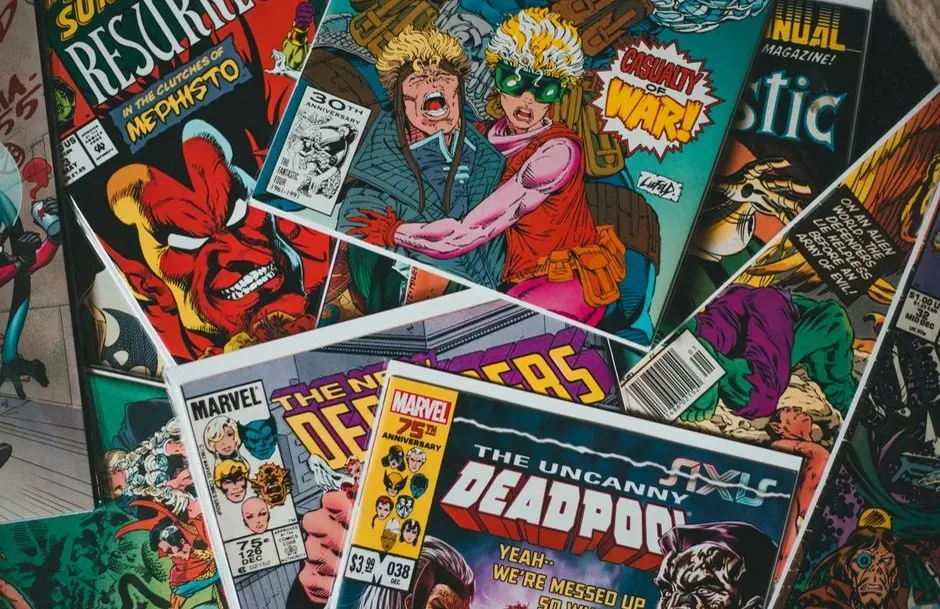
Superheroes are having a bumpy ride. Marvel is reeling from a string of disappointing releases, which has forced owner Disney to completely rethink its Marvel strategy ahead of upcoming Spider-Man and Avengers films. The scale of that rethinking is telling. A studio doesn’t restructure a billion-dollar franchise unless the warning signs are impossible to ignore.
The highest-grossing superhero film of 2025, Superman, is projected to gross around $597 million worldwide. While that’s a respectable number for most films, it’s a far cry from the billion-dollar blockbusters of the past. Other major releases like The Fantastic Four: First Steps and Captain America: Brave New World are also seeing numbers that are merely adequate. All of this creates the perception of “superhero fatigue,” with complaints of “same plots, same villains.”
Franchise Overload and IP Fatigue: The Sequel Trap

Audiences don’t mind new content from their favorite brands, but studios have learned a tough lesson in recent years – less is more. DC Studios and Marvel have inundated fans with content, much of which wasn’t up to the standard of previous iterations. The well-worn logic that a familiar name guarantees a return on investment is no longer holding up the way it once did.
Some of the biggest movie series of the last two decades are past their prime, from “Transformers” to “Fast and Furious,” and audiences have shown they are willing to come out to the movies for fresh IP. There were only 9 new franchises launched in 2025, down from 20 in 2024, and their box office performance has fallen, remaining low compared to the industry’s pre-pandemic peak years.
The Remake Cycle: Nostalgia Running Out of Road

What was once an exciting continuation of a massive hit has turned into an exhausting pattern of repetition. Thor: Love and Thunder, for instance, is often mocked as one of the worst sequels Marvel has ever made – a film that should have succeeded on the strength of its predecessors but instead collapsed under an overuse of humor. The sense of diminishing returns has crept into remake culture just as visibly.
Audiences have started questioning why studios keep funding sequels and remakes, as most of them haven’t lived up to their original inspirations. Barring Jon Favreau’s “The Jungle Book,” every Disney live-action remake has a worse Rotten Tomatoes score than its animated counterpart. Remaking something with a large and loyal following can be a huge mistake, a lesson studios learned again in 2024 with the remake of The Crow.
Dark and Gritty Reboots: The Bleak Aesthetic That Overstayed Its Welcome
For years, Hollywood loved its dark, grounded reboots. Times have changed, and so have audience tastes. A shift has occurred away from the bleak tone of early 2000s blockbusters toward something lighter, more hopeful, and escapist. Critics have pointed to this tonal pivot as one of the more meaningful audience-driven corrections in recent memory.
Partner offer
The grimdark approach served a purpose when it felt like a mature corrective to campier predecessors. Sustained over many years and dozens of films, though, it became its own form of formula. Audiences looking for spectacle increasingly found relentless bleakness exhausting rather than sophisticated. The box office results for several dark-toned tentpoles confirmed what critics had been saying for years: darkness without levity eventually alienates.
The Post-Credits Tease: A Narrative Crutch That Audiences Now Recognize

The post-credits scene was once a genuine delight, a reward for patient fans and a clever tool for stoking anticipation. Over roughly fifteen years of near-universal adoption, it transformed from a pleasant surprise into an obligation. Critics note that audiences now frequently sit through post-credits sequences with resignation rather than excitement, already aware they’re watching a contractual setup rather than creative storytelling.
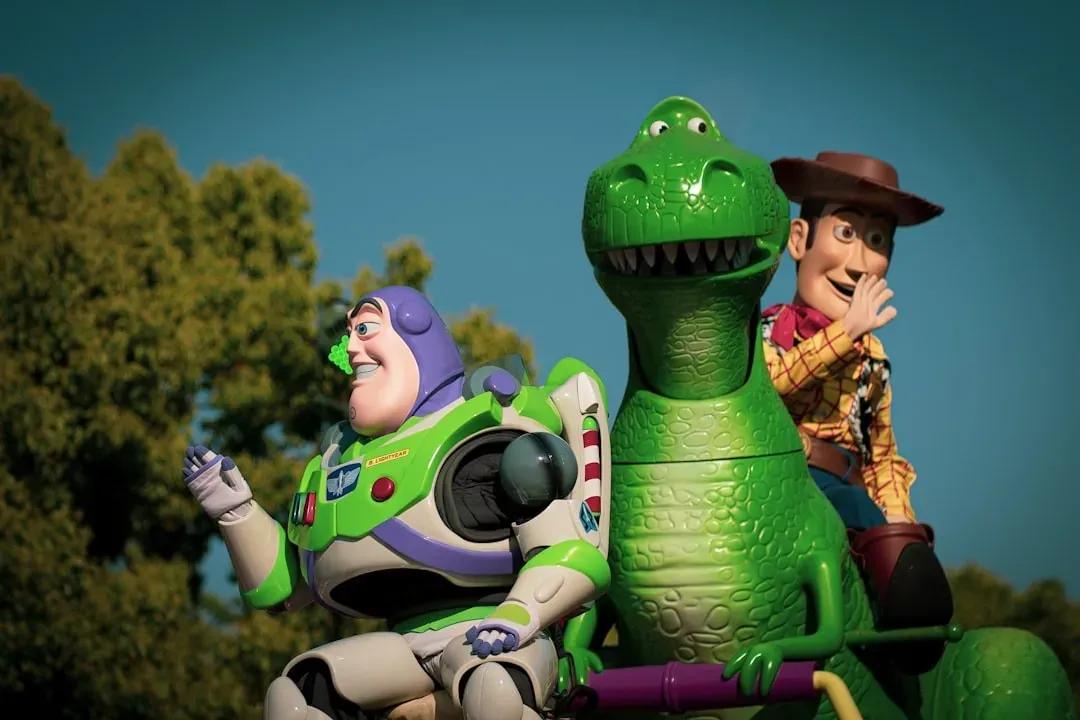
Even timeless franchises like Toy Story, which concluded beautifully with its third installment, could not resist reopening the door and keeping it open for yet another sequel. At some point, the emotional core that made the originals stand out starts to fade, leaving a foundation that has been overused, stereotyped, and overworked by corporations seeking quantity over quality. The post-credits tease is a mechanical symptom of exactly that mindset.
CGI-Heavy Visual Spectacle Without Story Substance

A severe lack of quality writing has plagued the majority of recent studio releases. Without engaging storytelling, there’s little incentive for audiences to turn out in theaters. Visual effects that once left viewers breathless now register as wallpaper when the emotional foundation isn’t there to support them.
Backlash against films relying on algorithmically generated or heavily processed visuals has stiffened since 2024, pushing some filmmakers toward a new aesthetic of “radical authenticity,” shot on film, handheld, and minimally processed, to signal that human craft still authored the work. People are looking for originality. Films like Sinners and F1 performed strongly in 2025 precisely because they brought new ideas and got different people genuinely excited about going to the movies.
Endless Cinematic Universes: The Connected Storytelling Burden
The connected universe model was genuinely innovative when Marvel introduced it at scale. It gave fans a sense of narrative investment spread across many films. The problem is that it gradually turned cinema attendance into homework. Critics began flagging audience fatigue with the expectation that viewers must watch a growing catalogue of content just to follow a single new release.
As theatrical options felt increasingly complex and obligatory, streaming soared and former cinema audiences transformed into subscribers. Subscriptions provide a more stable source of revenue, somewhat less exposed to the whims of taste and the quality demands that sink many contemporary blockbusters. The cinematic universe model, critics argue, inadvertently trained audiences to wait for streaming rather than commit to the theater.
Live-Action Remakes of Animated Classics: A Troubled Track Record
Disney is a notorious contributor to the remake cycle, widely ridiculed for its mediocre treatment of beloved classics. The live-action Mulan received massive backlash for losing the emotional depth of its animated predecessor, particularly for changing the protagonist’s arc in ways that stripped out its original significance. It’s a pattern that has repeated across dozens of similar projects.
Franchises like Toy Story 5 and Jurassic World: Rebirth are stretching far beyond their natural endings, producing countless resolutions that repeat the same narratives. What once felt like creative freedom now feels strictly copy-paste. If Hollywood wants any chance of recovering, critics argue it must look beyond preexisting IP and produce well-written, original movies. The live-action remake wave, once a reliable revenue stream, is now one of the clearest flashpoints for that frustration.
Partner offer
Planning a trip to Vegas?
Compare hotel rates and show tickets on VEGAS.com.