Some of the most stubborn criminal cases in history were not broken open by brilliant detective work alone. They cracked because of something unexpected: a pizza box tossed in the trash, a floppy disk sent in vanity, or a routine traffic stop that revealed false plates. The gap between a cold case and a conviction has sometimes been no wider than a single moment of carelessness.
What makes these stories so compelling is how ordinary the turning points feel in isolation. A hockey fan discarding a napkin. A genealogy hobbyist spitting into a tube for fun. None of these people had any idea what they were setting in motion. Yet in each case, the unplanned and the accidental handed investigators exactly what they needed.
1. The BTK Killer’s Floppy Disk: A Killer Caught by Metadata

Dennis Rader had haunted Wichita, Kansas for over three decades. His meticulous killings seemed untraceable, and authorities were baffled. He murdered ten people between 1974 and 1991, then went suddenly quiet, until 2004 when he abruptly resurfaced after media speculation that he was either dead or in prison. His ego, ultimately, was his undoing.
Unable to resist the temptation to set the record straight, he sent a 1.44-megabyte floppy disk to a local TV station. Digital forensic experts traced the metadata embedded in a deleted document to a computer at a local church, and to Dennis Rader, a member of the congregation. From there, police obtained DNA from Rader’s daughter, without her knowledge, which closely matched the DNA taken from a crime scene, and Rader was arrested. He had taunted investigators for decades, only to give himself away through a single digital file.
2. The Golden State Killer and a Stranger’s Ancestry Test
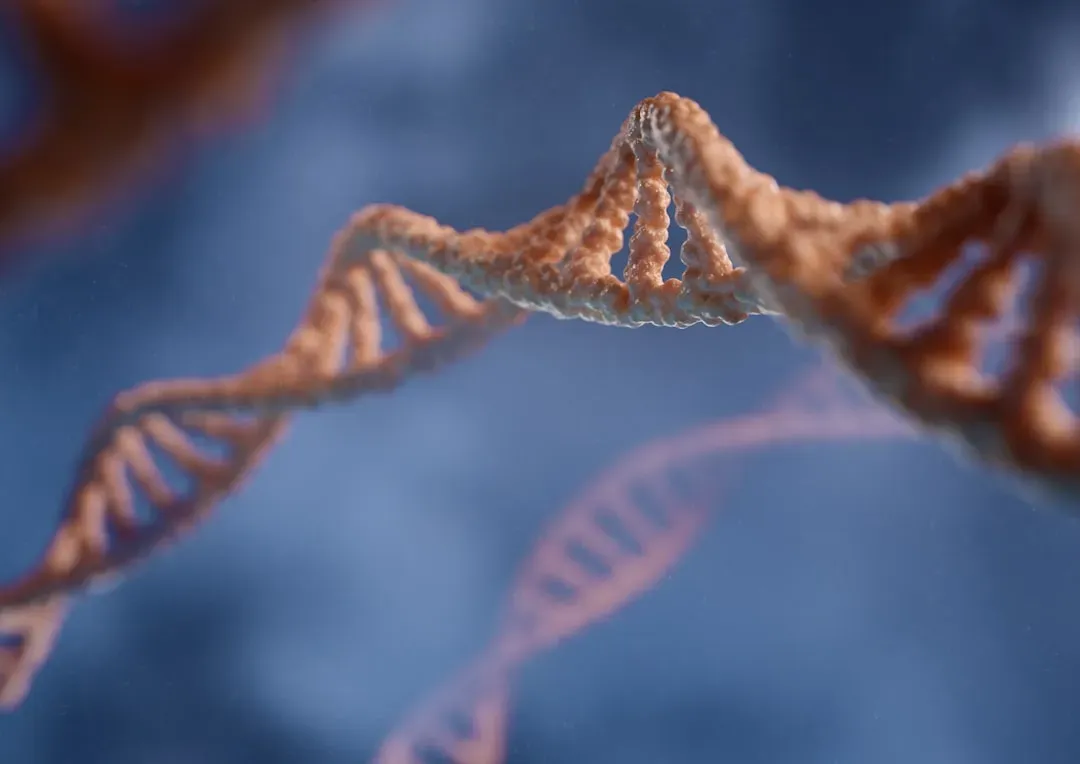
Between 1974 and 1986, California was in the grip of the masked Golden State Killer. His crimes were meticulously planned, and he left behind no fingerprints. After his last attack in 1986, the case went cold. For more than four decades, neither the police nor the FBI were able to identify a DNA match. The breakthrough came not from a law enforcement database, but from the growing world of consumer genealogy.
Uploading stored DNA evidence to the public genealogy database GEDmatch, results hinted at a distant relative who shared a segment of DNA. Meticulously reconstructing and tracing his family tree narrowed the suspect pool, eventually leading investigators to DeAngelo. Once DeAngelo was identified, they took DNA from his personal items, like a discarded tissue and a swab of his car door handle, which were then matched to the samples associated with Golden State Killer crimes. A hobbyist’s DNA kit, submitted without any connection to any crime, had quietly undone one of America’s most feared serial criminals.
3. The Yorkshire Ripper Caught by a Routine Traffic Stop

Peter Sutcliffe was arrested for a minor traffic offense. The police came across false license plates by accident. He subsequently confessed to being the Yorkshire Ripper. It was one of the most staggering anticlimaxes in British criminal history. A serial killer who had evaded one of the largest police manhunts in the country’s history was brought down not by a forensic breakthrough, but by a pair of wrong plates on a parked car.
Officers had stopped Sutcliffe in Sheffield in January 1981 while he was with a woman, and the false plates on the vehicle prompted them to take him into custody for questioning. Only later, when police returned to the scene of the stop, did they find a knife and other tools Sutcliffe had hidden nearby. The traffic stop that night had no connection to any murder investigation. It was simply routine patrol work that happened to land on the right man.
4. A Discarded Napkin at a Hockey Game Links a Suspect to a 1992 Murder

A 1992 murder of a woman left no leads, aside from DNA evidence for which police could find no match at the time. However, in 2018, the FBI reopened the case and ran the preserved DNA through existing records, narrowing it down to two people, including Jerry Westrom. Investigators needed a fresh sample from Westrom to confirm the match, but getting one without his cooperation posed a challenge.
Partner offer
At a hockey game 25 years after the crime, Westrom mindlessly threw away a used napkin, which the police fished out of the bin and used to link his DNA to the murder. That single piece of trash, discarded without a second thought in a crowded arena, provided the biological evidence investigators had spent decades looking for. It’s a striking reminder that cold cases don’t always stay cold forever. Sometimes, all it takes is one unguarded moment in public.
5. Cat Hair DNA Exposes a Killer in England

In July 2012, the remains of a 30-year-old man named David Guy were found in garbage bags on a Hampshire beach. Investigators found hairs on Guy’s remains and ran some tests. The hairs led them to a DNA catalogue belonging to the University of Leicester. The weird thing is, the catalogue was for household cats. Nobody had walked into the investigation expecting feline forensics to matter.
The DNA of the hair was traced to a cat belonging to Guy’s neighbor, David Hilder. Hilder was tracked down by the authorities, and with the help of other incriminating evidence, was arrested and charged with Guy’s death. This was one of the first criminal cases in the world where cat DNA played a decisive role. The case helped establish that animal hair, often overlooked at crime scenes, could be a legitimate forensic tool under the right circumstances.
6. Pollen on a Killer’s Car Solves the Soham Murders

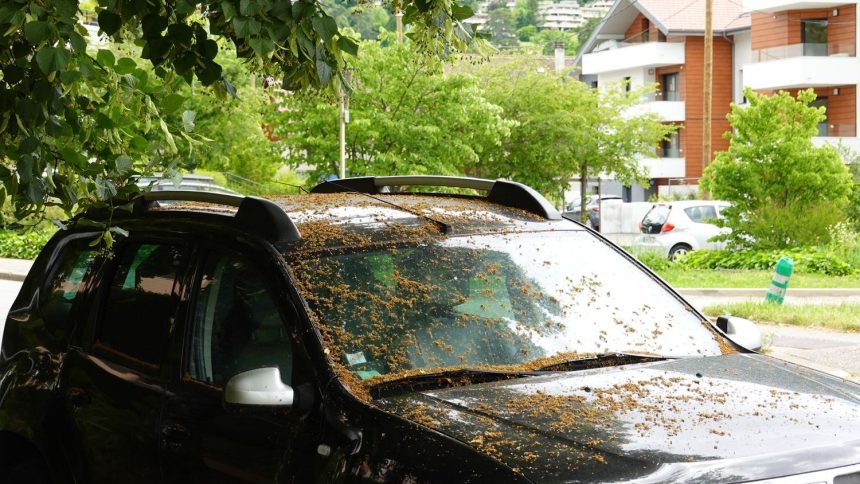
In 2002, two young girls named Holly Wells and Jessica Chapman went missing. Thirteen days later, a gamekeeper found their bodies in a ditch. Forensic ecologist Patricia Wiltshire was brought in and took some soil samples from the surrounding area. The pollen found in the soil matched the soil found on the leading suspect’s car. Ian Huntley was officially linked to the scene of the crime, charged with the victims’ deaths, and sentenced to life in prison.
In an apparent attempt to destroy forensic evidence, Huntley had tried to burn both the bodies at the scene. But the pollen didn’t lie. Further evidence revealed 13-day regrowth on some recently trampled nettles that led to where the bodies were found, providing a pivotal timeline and obliterating Huntley’s alibi. Nobody had planned to use pollen as a cornerstone of a murder case. It was simply what survived when everything else was burned away, and it was enough.
7. A Discarded Pizza Box Breaks Open the Gilgo Beach Murders
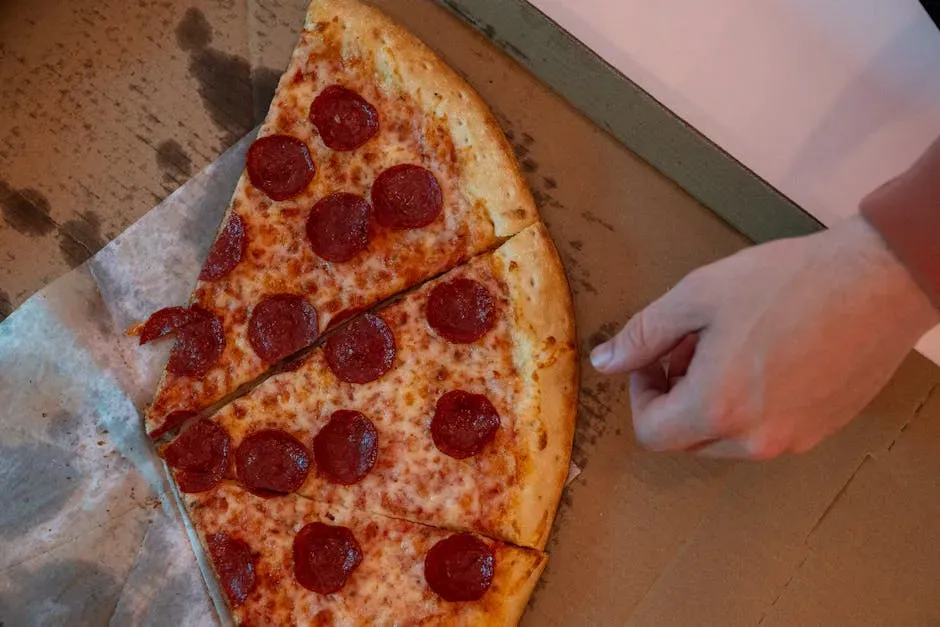
On or about January 26, 2023, a surveillance team recovered a pizza box thrown away by suspect Rex Heuermann, which was later sent for analysis. On June 12, 2023, the forensic lab confirmed that the DNA from the pizza was a 99.96 percent match to the portion of male hair that had been found on one of the victims. The Gilgo Beach murders had remained unsolved for well over a decade, haunting investigators and the families of the victims in equal measure.
On June 13, 2023, Heuermann was arrested and charged with one count of first-degree murder and one count of second-degree murder in each of three killings. Heuermann is also the primary suspect in another victim’s disappearance, but he has not been formally charged in that case. A man who had managed to evade detection for years was identified in part because he ordered a pizza. The Gilgo Beach case has since become one of the clearest modern examples of how surveillance, patience, and a moment of ordinary human behavior can converge to produce an extraordinary result in criminal justice.
Across all seven of these cases, one thread runs consistently: the investigators who succeeded were the ones who treated nothing as too small to examine. A napkin, a floppy disk, a strand of cat hair, a pizza box. None of these objects were meant to carry any weight. Yet each one tipped a case that seemed immovable. Justice, it turns out, has a way of hiding in the most mundane places.
Partner offer
Planning a trip to Vegas?
Compare hotel rates and show tickets on VEGAS.com.