Action movies live and die on believability. A punch that looks fake, a car chase that feels stitched together from green screen, and audiences check out fast. That’s part of why a handful of actors have built entire careers on doing the dangerous stuff themselves, and why their names keep coming up whenever the conversation turns to on-screen authenticity. Below are seven performers whose commitment to real, physical stunt work has become as much a part of their identity as any role they’ve played.
Tom Cruise

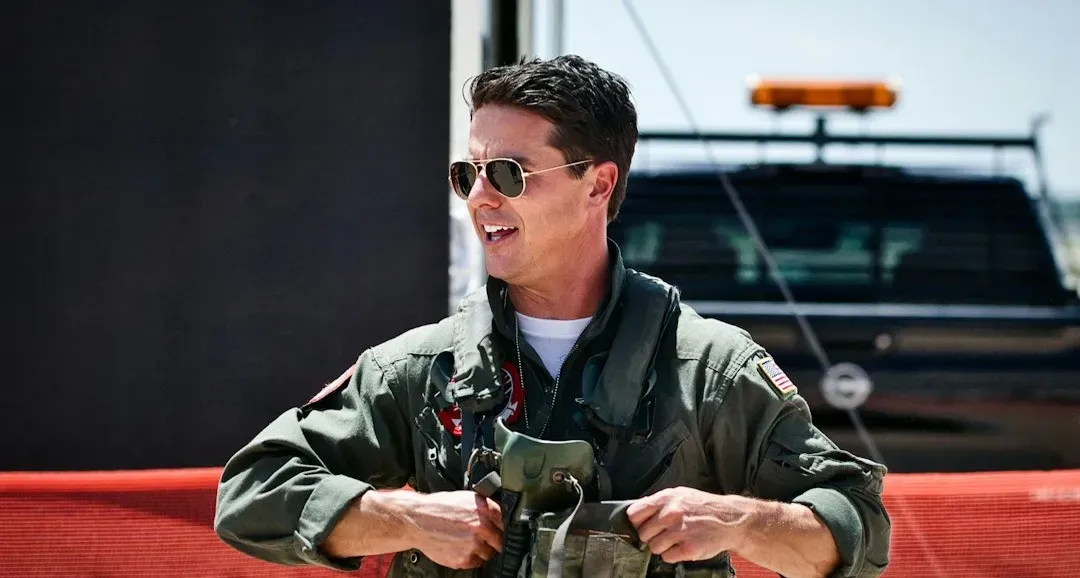
No conversation about actor-performed stunts starts anywhere but here. Cruise established himself as a star of science fiction and action films, often performing his own risky stunts. The Mission: Impossible franchise turned that reputation into a running spectacle, from a free-solo climb in the second film to scaling the Burj Khalifa in Ghost Protocol.
The finale pushed things further than ever. For The Final Reckoning, Cruise leapt out of a helicopter 16 times while strapped to a parachute pre-soaked in fuel and lit ablaze, before cutting away the charred remnants of the first chute and safely deploying a backup, a sequence that earned him a Guinness World Record. He also described the physical toll of the film’s biplane sequence, noting “When you stick your face out, going over 120 to 130 miles an hour, you’re not getting oxygen,” and that “there were times I would pass out physically.”
Keanu Reeves

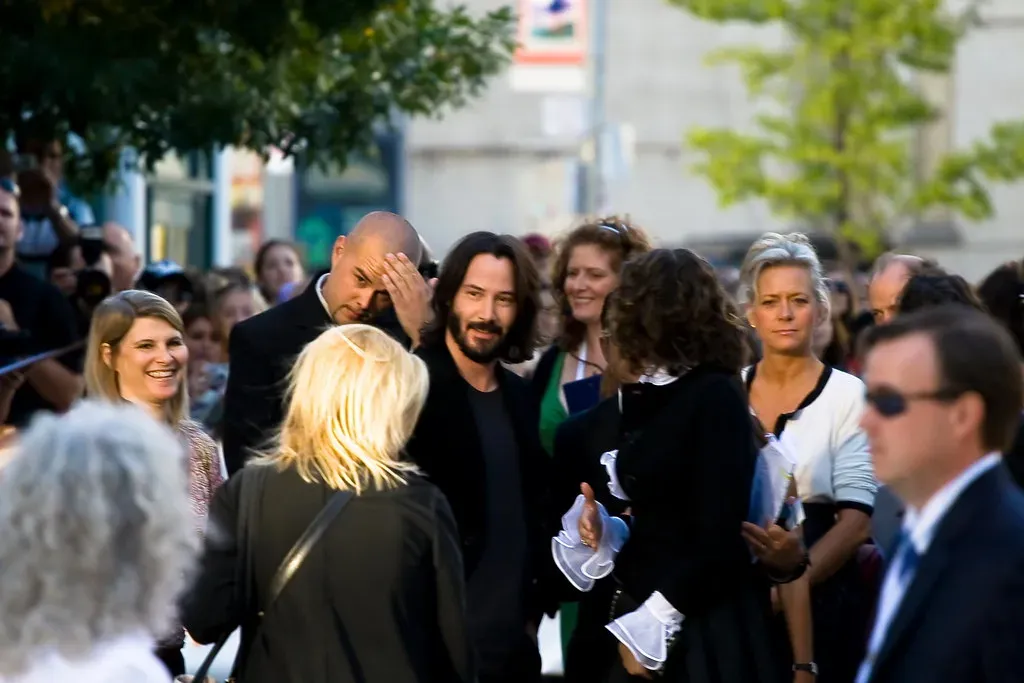
Reeves rebuilt his reputation as an action star almost entirely through the John Wick series, and he did it by insisting on doing the work himself. According to those who’ve watched him up close, Reeves does over 90% of his stunts in the John Wick movies, enhancing the realism and immersive experience for viewers. That includes gunplay, hand-to-hand combat, and increasingly complex driving sequences.
For John Wick: Chapter 4, the preparation was extensive. Racing coach Tanner Foust, brought in to help with the film’s car work, confirmed that beloved actor and all-around-car-guy Keanu Reeves performed all of his own driving stunts, adding that he spent four months in Berlin training Keanu on his days off from fighting, and Reeves had already learned quite a lot about driving from previous movies. The standout sequence, a reverse drift around the Arc de Triomphe while reloading a prop gun, became one of the film’s most talked-about moments.
Charlize Theron

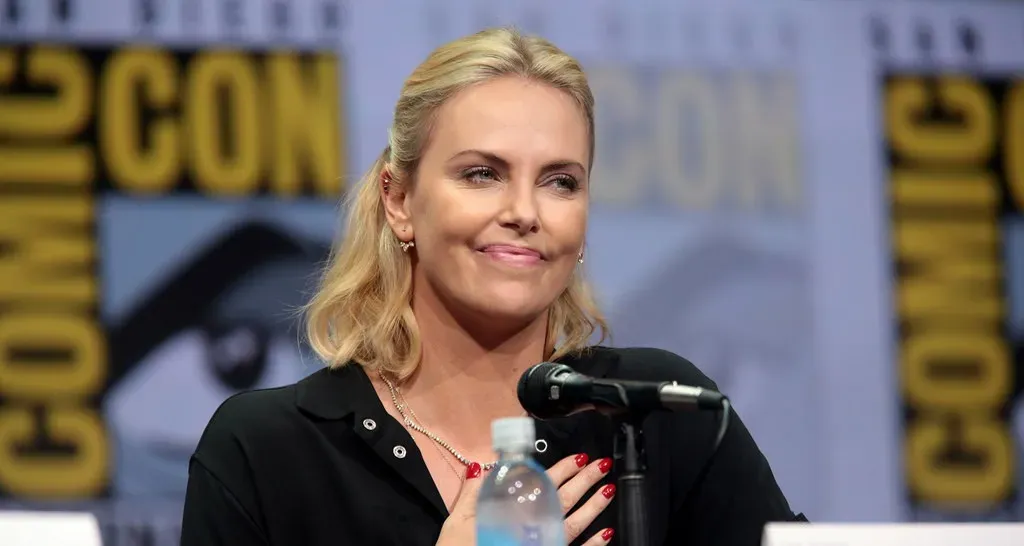
Theron’s work in Atomic Blonde reset expectations for what a lead actress could physically deliver on screen. Director David Leitch, himself a former stuntman, was blunt about how much of the film’s brutal fight choreography actually belonged to her, noting that Charlize did 98 percent of her own action including fighting, running and those kinds of things, and it was only when she had to fall down stairs or swing from a height that insurance rules kept her off the shot.
Getting there wasn’t painless. Theron trained intensely for months, and by her own account she brawled with eight trained fighters every day for 10 weeks before filming, was kicked, punched, and flung face first into a wall, and cracked two back teeth during training. She carried that same physical commitment into Mad Max: Fury Road and later The Old Guard, cementing her place among the industry’s most convincing action performers.
Jason Statham

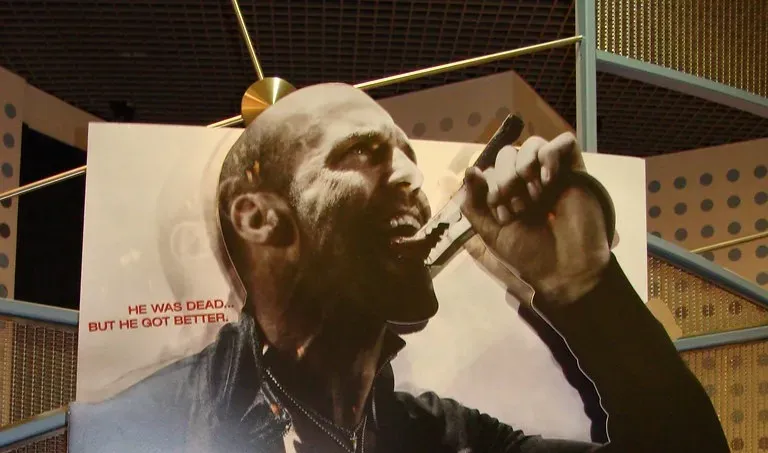
Statham’s path into stunt work started before he ever stepped on a film set. Long before acting, Statham spent 12 years on the British national diving team, competing on the 10-meter platform and the 3-meter springboard, and in 1992 was ranked 12th in the world as a platform diver. That athletic background gave him a physical toolkit most actors simply don’t have.
Partner offer

He’s been vocal about why he insists on doing his own action work, once explaining, “I’m inspired by the people who could do their own work. Bruce Lee never had stunt doubles and fight doubles, or Jackie Chan or Jet Li.” The commitment nearly cost him during filming of The Expendables 3, when the brakes failed on a three-ton stunt truck Statham was driving, sending it off a cliff and into the Black Sea, an accident he later described as the closest he’s come to drowning.
Jackie Chan

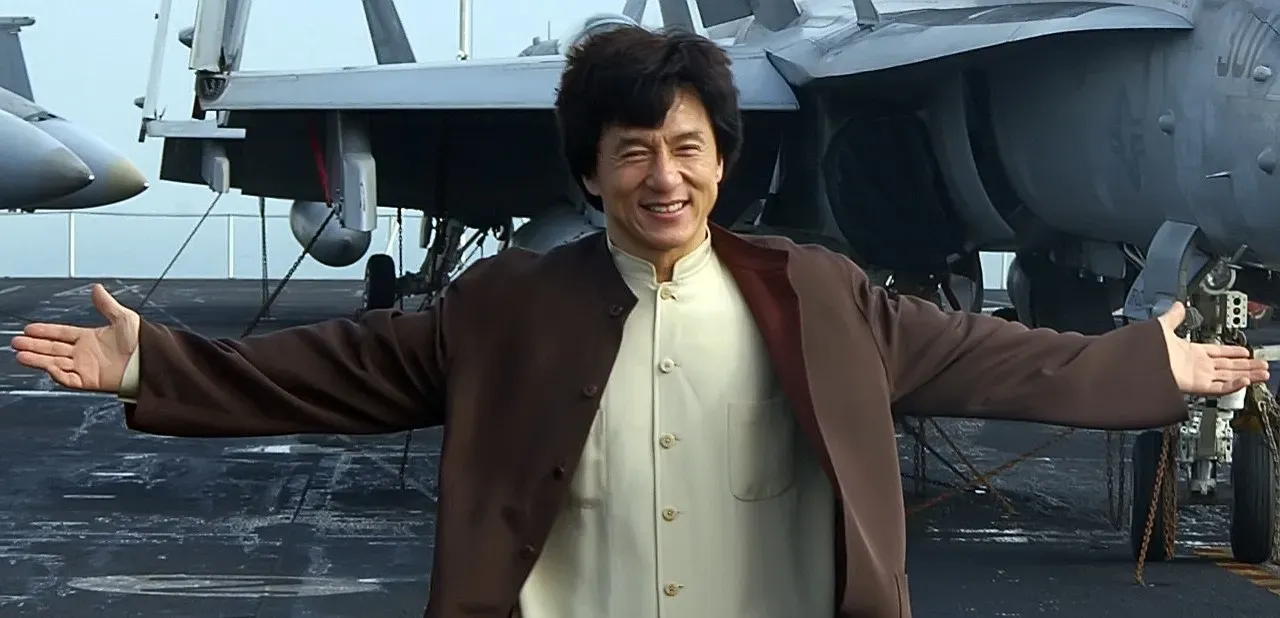
Jackie Chan didn’t just perform his own stunts, he practically defined the genre of stunt-driven action comedy. Trained from childhood in Peking Opera School, where acrobatics, martial arts, and physical discipline were part of daily life, Chan built a decades-long filmography where the danger was almost always real. Broken bones, dislocated joints, and a well-documented skull fracture from a stunt gone wrong in Armour of God have become part of his mythology as much as his films themselves.
What set Chan apart wasn’t just willingness to take risks, it was the meticulous, almost architectural way he designed action sequences using everyday objects, ladders, furniture, moving vehicles, as tools for choreography. His outtake reels, often shown during end credits, became a signature precisely because they proved the falls, crashes, and near-misses were unfaked. That transparency helped set a standard other action stars would later be measured against.
Michelle Yeoh


Yeoh’s stunt career runs deep, built during her years in Hong Kong action cinema long before Hollywood took notice. She’s widely regarded as someone for whom physical combat, apart from her acting, comes as second nature, given decades of hands-on experience in the genre. Her work in films like Supercop and Police Story 3 established her as one of the few actresses of her era doing fully committed physical stunt work alongside male co-stars.
That commitment came with real cost. During the filming of Supercop in 1992, Yeoh suffered a serious back injury from a jump that went wrong, yet returned to complete the production once she’d recovered enough to continue. Decades later, her Oscar-winning turn in Everything Everywhere All at Once drew on that same physical foundation, blending martial arts choreography with the kind of controlled, grounded movement that only comes from years of genuine training rather than editing tricks.
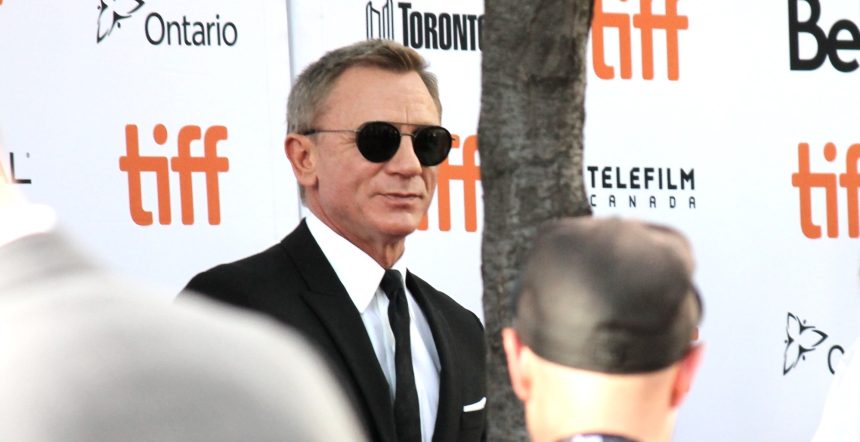
Daniel Craig

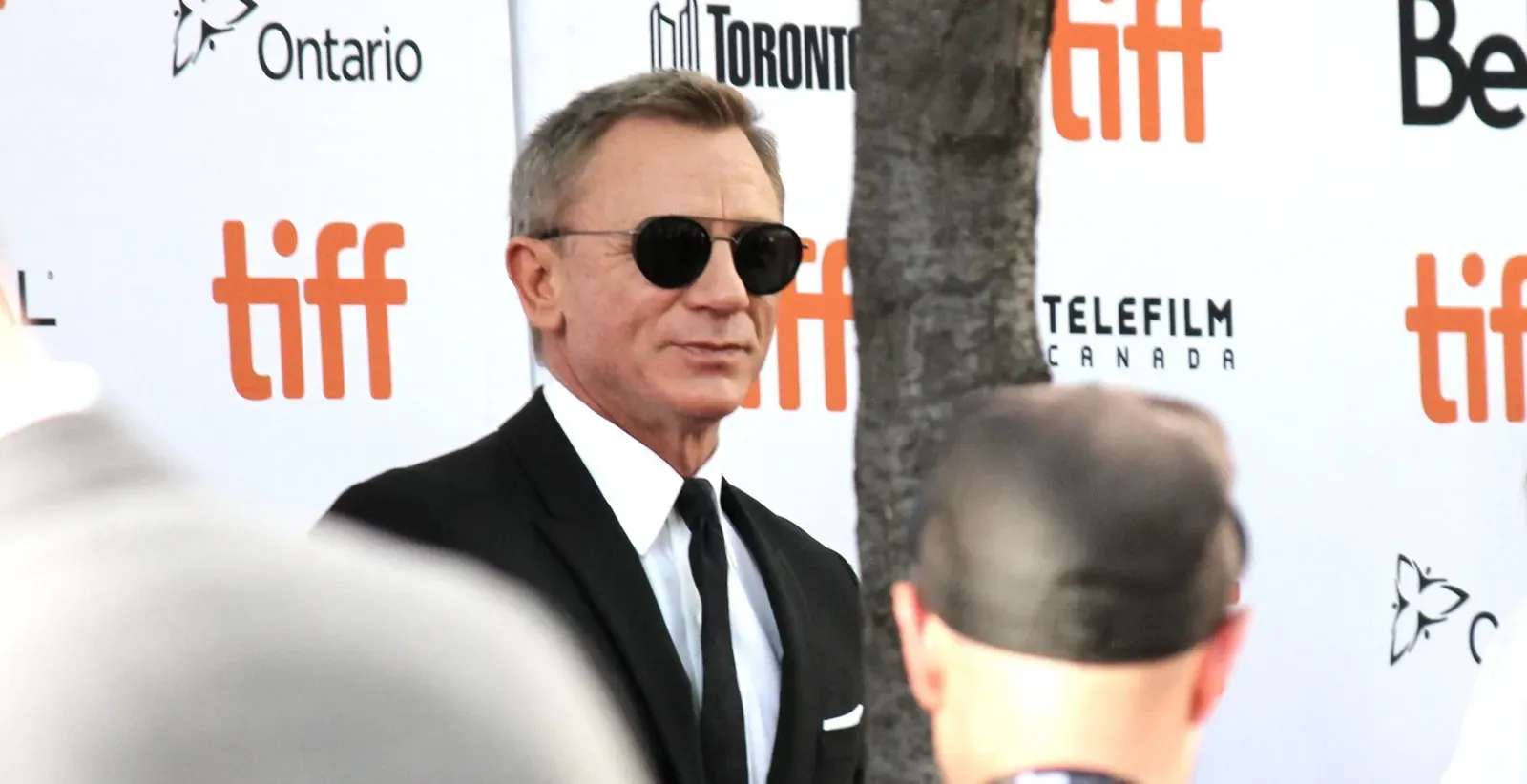
Craig’s tenure as James Bond marked a noticeable shift toward grittier, more physically grounded action than the franchise had typically shown. Unlike many of his predecessors in the role, Craig leaned into hands-on stunt work throughout Casino Royale, Skyfall, and No Time to Die, often working closely with stunt coordinators to perform as much of the physical action as safety would allow. Not many Bonds have done their own stunts, but Daniel Craig has thrown his all at the films, a shift that reshaped audience expectations for the character.
No Time to Die, his final outing as 007, leaned particularly hard into practical stunt work, including motorcycle chases and hand-to-hand combat sequences choreographed with input from stunt performers who had worked across the Bourne and Mission: Impossible franchises. The result was a version of Bond that felt less like a suited-up action figure and more like a character absorbing real physical consequences, a tone Craig maintained across his entire run in the role.
Doing your own stunts has never been a requirement for a successful action career, and plenty of great performances rely entirely on skilled doubles and clever editing. Still, the seven actors above show what happens when a performer treats physical risk as part of the craft itself. The results, whether a burning parachute jump or a ten-minute unbroken fight scene, tend to stick in memory longer than anything a stunt double alone could produce.Partner offer
Planning a trip to Vegas?
Compare hotel rates and show tickets on VEGAS.com.