History has a brutal habit of silencing its greatest voices without warning. One day, a civilization is carving temples, routing trade caravans, and inventing calendars. The next, archaeologists are sifting through ash and abandoned pottery trying to piece together what happened. It’s a bit like finding a book with whole chapters ripped out, except the book is human civilization itself.
What makes these disappearances so haunting isn’t just the mystery. It’s the sheer scale. Some of these cultures were several hundred thousand people strong before they seemingly disappeared without a trace. They left behind cities, art, tools, and sometimes even writing we still can’t read. So what happened? The answers, where they exist, are stranger and more sobering than most people expect. Let’s dive in.
1. The Indus Valley Civilization: The Forgotten Giant

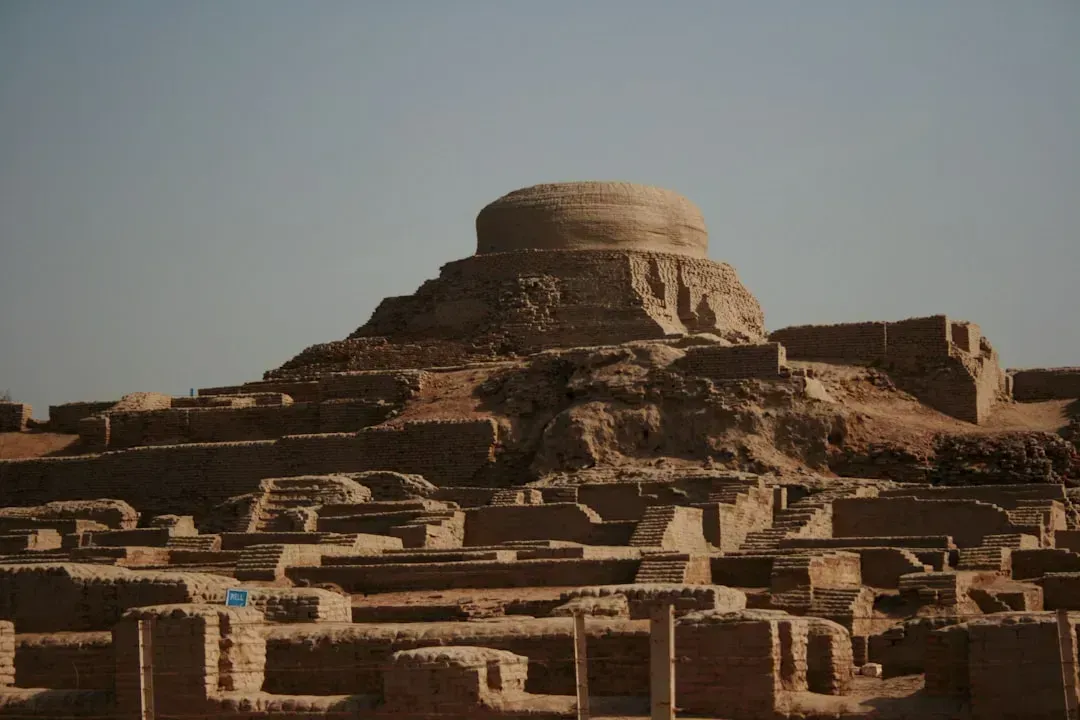
Antiquity knew about Egypt and Mesopotamia, but the Indus civilization, which was bigger than these two, was completely forgotten until the 1920s. That’s remarkable when you consider its actual size. By the third millennium B.C., they occupied over 386,000 square miles of territory and accounted for an estimated ten percent of the world’s population. Think about that for a moment. Nearly a tenth of all humanity, running cities with plumbing that wouldn’t be matched again for thousands of years.
They also developed a writing script that’s still yet to be deciphered, and their cities contained sanitation systems that remained unequaled until Roman times. The region went through four periods of intense drought between 4,400 and 3,400 years ago, and during that time, average annual rainfall decreased significantly, while temperatures rose. The most surprising finding is that the Harappan decline was driven not by a single catastrophic event but by repeated, long, and intensifying river droughts lasting centuries. A civilization that outlasted multiple climate crises before finally falling apart. There’s a lesson there, if we’re willing to hear it.
2. The Akkadian Empire: History’s First Empire Devoured by Dust

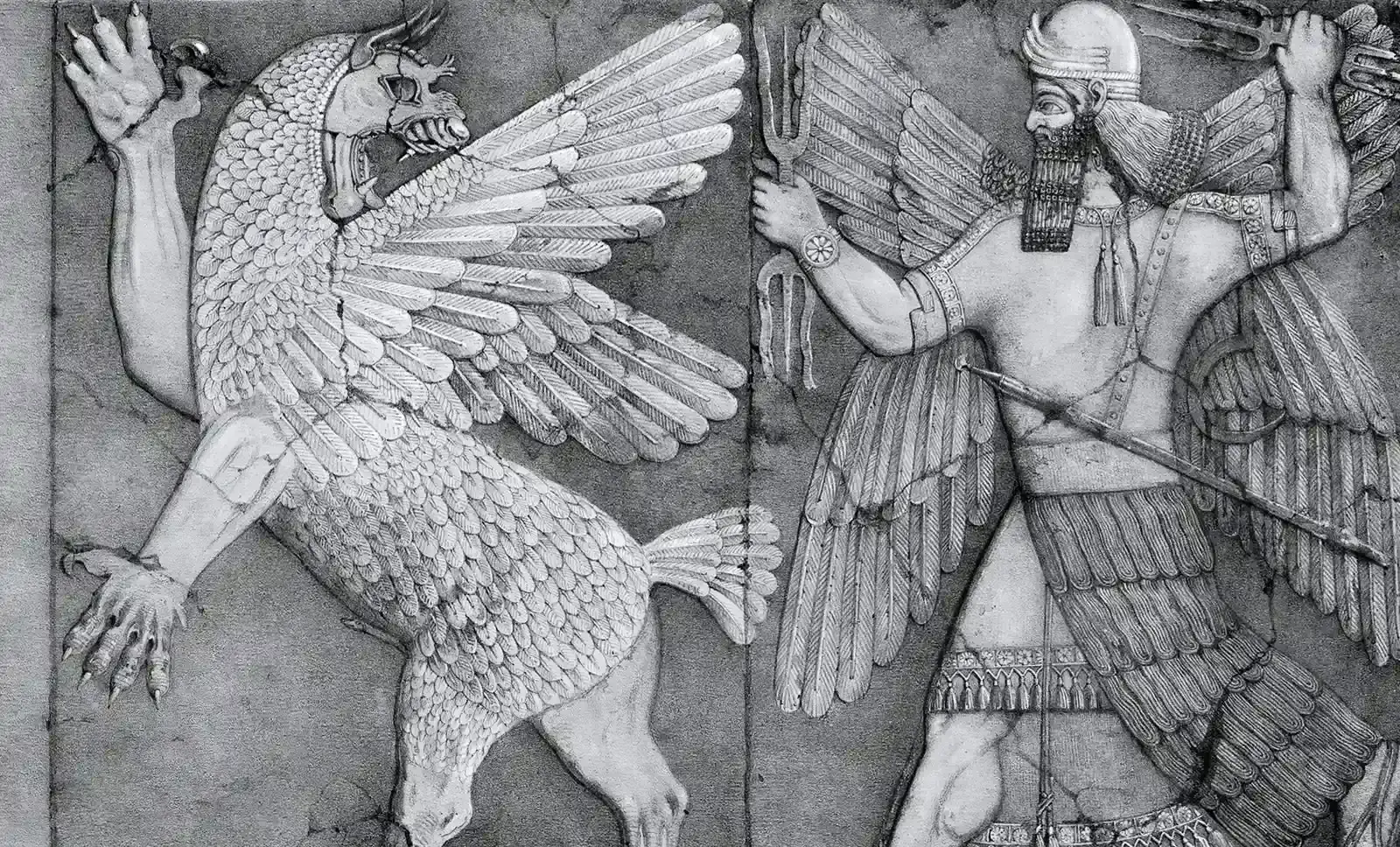
The Akkadian Empire was established in Mesopotamia around 4,300 years ago after its ruler, Sargon of Akkad, united a series of independent city states. Akkadian influence spanned along the Tigris and Euphrates rivers from what is now southern Iraq, through to Syria and Turkey. It was, genuinely, the world’s first true empire. Not a city-state. Not a loose confederation. An empire, built on taxation, grain, and military might.
About a century after its formation, the Akkadian Empire suddenly collapsed, followed by mass migration and conflicts. Soil samples show fine wind-blown sand, no trace of earthworm activity, reduced rainfall, and indications of a drier and windier climate. Evidence shows that skeleton-thin sheep and cattle died of drought, and up to 28,000 people abandoned the site, presumably seeking wetter areas elsewhere. A 180 kilometer wall, the “Repeller of the Amorites,” was even built between the Tigris and Euphrates in an effort to control immigration. Not unlike some political debates happening today, honestly.
3. The Maya: Kings Deposed, Cities Abandoned

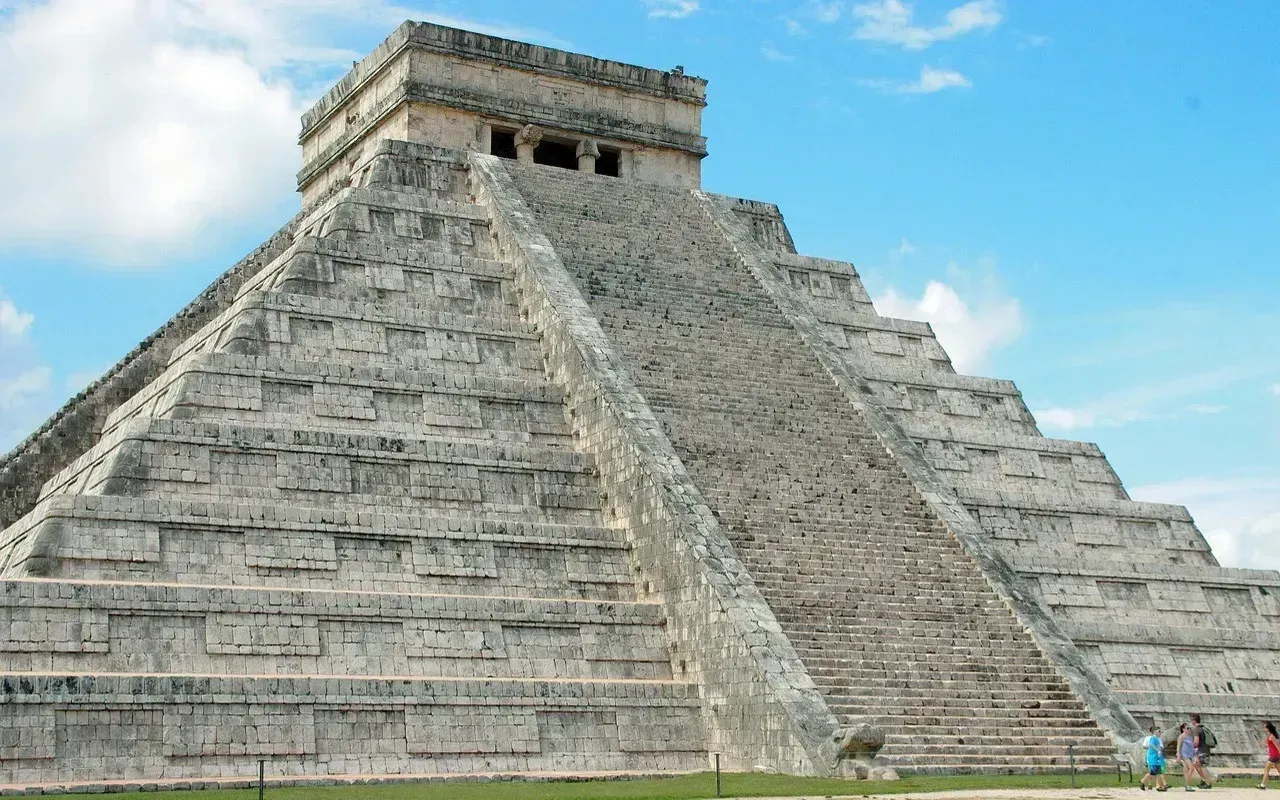
Honestly, the Maya are one of the most misunderstood collapses in all of archaeology. People assume they vanished, but it’s more complicated. Arguably the New World’s most advanced pre-Columbian civilization, the Maya carved large stone cities into the jungles of southern Mexico and Central America, complete with elaborate plazas, palaces, pyramid-temples and ball courts. Known for their hieroglyphic writing, calendar-making, mathematics, astronomy, and architecture skills, the Maya reached the peak of their influence during the Classic Period, from around A.D. 250 to A.D. 900.
At the end of the Classic Period, in one of history’s great enigmas, the populace suddenly deposed its kings, abandoned the cities, and ceased technological innovation. There is strong evidence showing that during the time Maya cities became abandoned, droughts and floods devastated Central America. These disasters would have undoubtedly led to food shortages, and much of the population would have had to seek food elsewhere or face starvation. Archaeologists have long puzzled over what caused the Classic Maya collapse in the ninth century A.D., when many of the ancient civilization’s cities were abandoned. More recent investigations have revealed that the Maya also experienced an earlier collapse in the second century A.D., now called the Preclassic collapse, that is even more poorly understood. Two collapses, and we barely understand either one.
4. The Minoans: Europe’s First Civilization, Swallowed by Fire and Waves

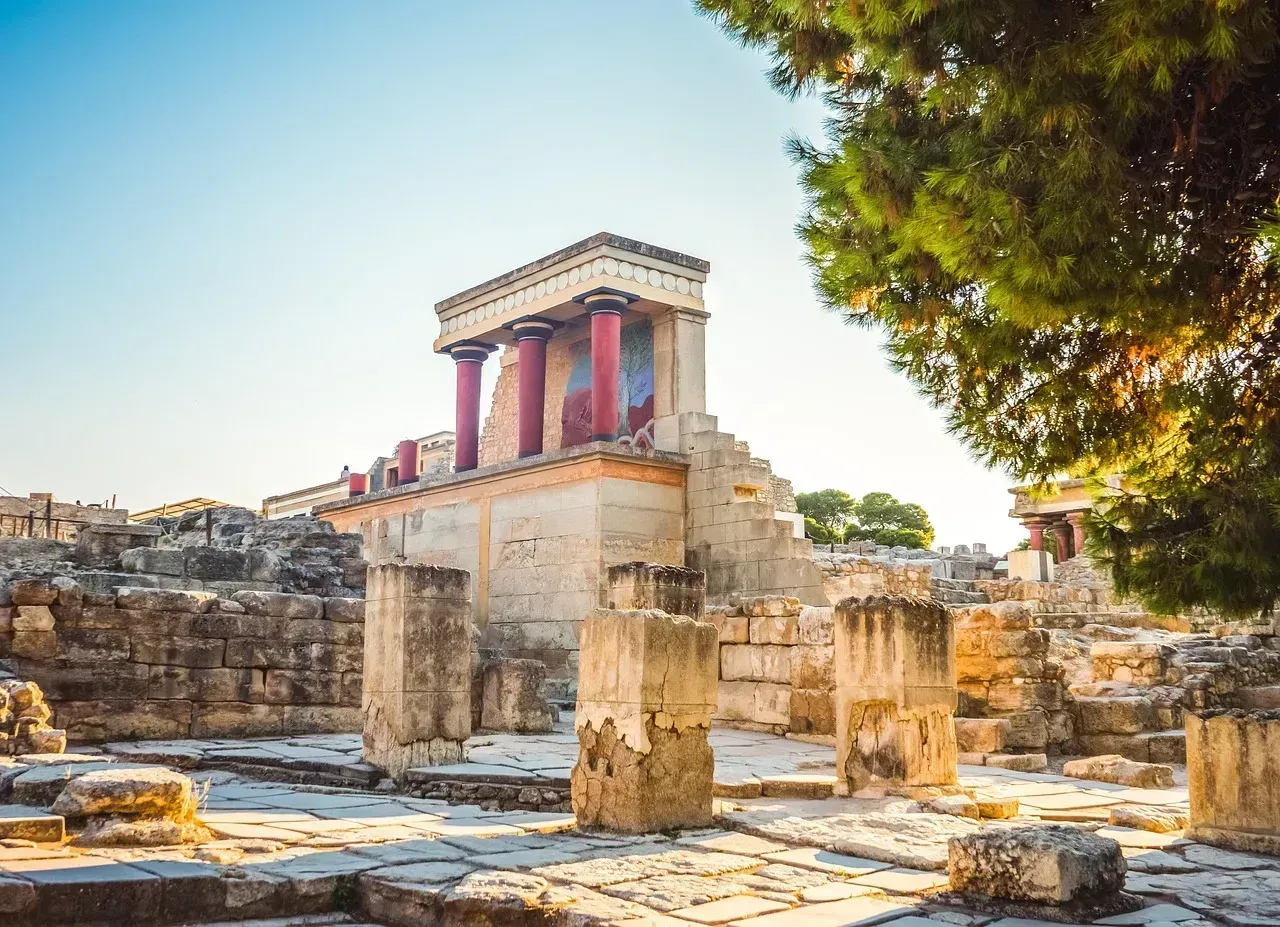
The Minoans, known as Europe’s first advanced civilization, flourished on the island of Crete from around 3000 to 1100 BCE. They are celebrated for their stunning artwork, extensive trade networks, and the legendary palace at Knossos. They were also remarkable seafarers, with colonies spread across the Aegean. Europe, in many ways, starts here. Yet most people have never heard of them.
By 1450 BCE, most Minoan sites were abandoned. Geologists link the devastating eruption of the Thera volcano, modern-day Santorini, to tsunamis and ash fallout that would have crippled Crete’s economy and agriculture. Some believe Mycenaean invaders then took over the weakened island. The Minoan eruption is now recognized as one of the largest volcanic eruptions in recorded history. With their language, Linear A, still undeciphered, the Minoan story ends abruptly, their voices lost in the ashes. We still cannot read what they wrote. Their words are literally silent to us.
5. The Mycenaeans: Warriors Who Built Legends and Then Disappeared


The Mycenaeans, dominating the Greek mainland from approximately 1600 to 1100 BC, were a civilization steeped in warrior culture and renowned for their fortified palace complexes, such as those at Mycenae and Pylos. Immortalized in Homer’s epics, they played a central role in the legendary Trojan War, reflecting their influence and reach across the Mediterranean. These are the Greeks of myth. The people Homer was writing about. Real, flesh-and-blood, fortress-building warriors.
Partner offer

Around 1200 BCE, their civilization collapsed abruptly. Archaeologists have uncovered evidence of widespread destruction, likely caused by a combination of powerful earthquakes, foreign invasions, and internal turmoil. The sudden decline led to centuries of cultural darkness in Greece, with much knowledge and artistry lost. Possible factors include natural disasters like earthquakes, widespread droughts, or invasions by the mysterious “Sea Peoples.” Additionally, internal conflicts and declining trade networks may have weakened their societal structures, leading to the so-called Greek Dark Ages. An entire golden age, gone. Replaced by centuries of near-silence in the archaeological record.
6. The Khmer Empire: Jungle Swallowed the World’s Largest City

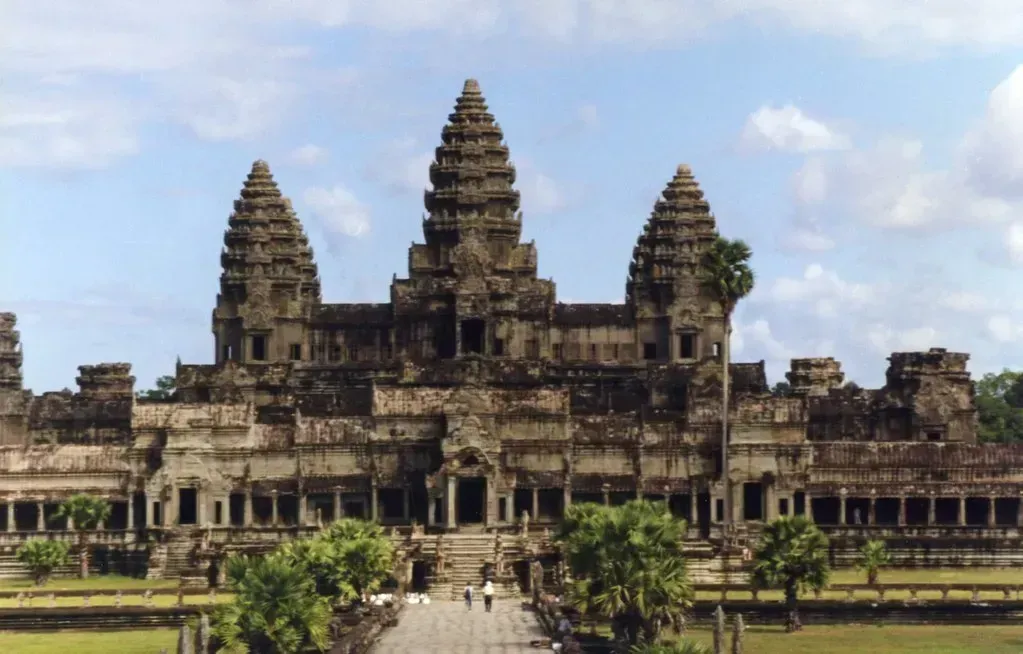
The Khmer Empire’s capital, Angkor, served as its center from the 9th to the 15th centuries CE. At its peak, Angkor may have supported a population of up to one million people, making it one of the largest preindustrial cities ever built. For comparison, London at the same period had a fraction of that population. Angkor was, by many measures, the largest city on Earth at its height. Let that sink in.
Satellite imaging has revealed that Angkor’s elaborate water management network, during its peak in the 11th to the 13th centuries, was the most extensive pre-industrial urban complex in the world. A study in Proceedings of the National Academy of Sciences highlights how climate variability, particularly severe droughts, may have disrupted their sophisticated hydraulic systems. The last major stone temple at Angkor was constructed in 1295, and the latest Sanskrit inscription dates to the same year. The last inscription in Khmer, the language of Cambodia, appears just a few decades later in 1327. A city falls quiet, one inscription at a time.
7. The Rapa Nui: An Island Civilization That Consumed Itself

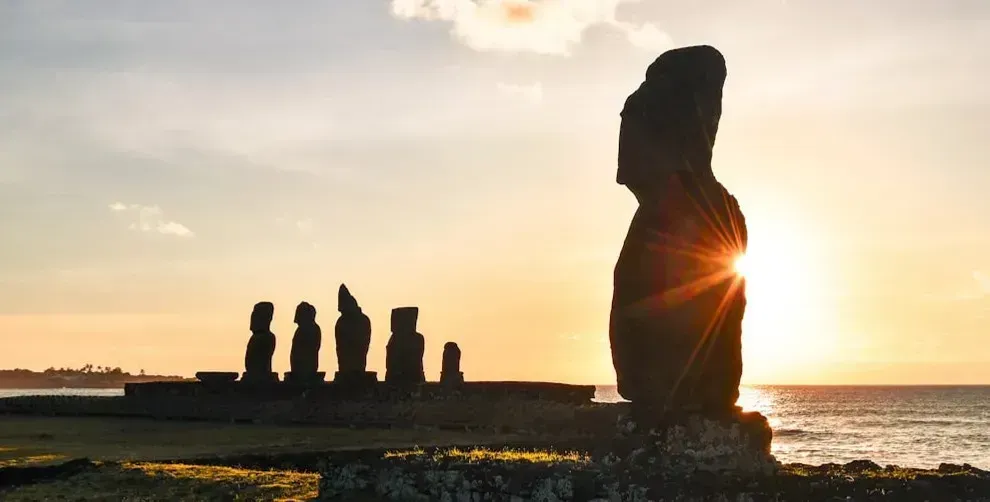
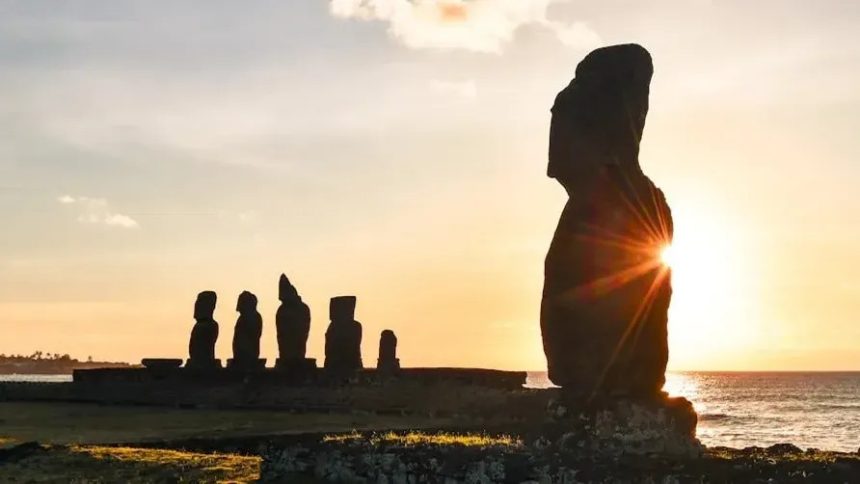
The civilization had created the moai, the monolithic human figures carved by the Rapa Nui people sometime between 1250 and 1500 AD. Those statues, up to 13 meters tall and weighing dozens of tonnes each, have baffled visitors for centuries. How did a small island population move them? The answer turns out to be inseparable from why the civilization collapsed. Moving those statues required trees, and trees were exactly what they ran out of.
By analyzing charcoal fragments and the pollen in sediment cores, scientists discovered that Easter Islanders cut down almost every last tree, and that rats ate the trees’ seeds before the forest could re-germinate. This ecological catastrophe, which eliminated the ability to make rope or seagoing canoes and reduced the populace to burning grass for fuel, may have then ushered in a period of mass starvation and civil war. New research, albeit still in progress, asserts that the Rapa Nui lasted much longer than initially believed and that their collapse came after Europeans brought diseases and the slave trade to the isolated island. By the 1870s, several waves of smallpox, along with a major Peruvian slave raid, had reduced the number of natives to roughly 100. From a thriving civilization to roughly a hundred survivors. Staggering.
8. The Olmec: The Mother Culture That Erased Itself

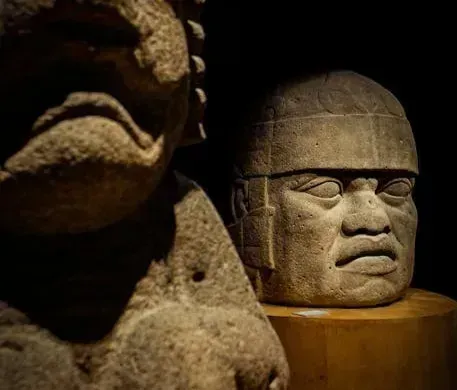
The Olmecs were a civilization that was once completely lost to time. Historians were totally ignorant of the existence of the Olmecs until they were rediscovered in the mid-19th century. Here’s the thing. The Olmec were not minor players. Archaeologists and historians discovered that the Olmecs were not only just another Mesoamerican civilization but the ones who laid the groundwork for the Maya and even the Aztecs to thrive and prosper. Much like the Maya, the Olmecs were also capable of constructing impressive stone temples and cities with relative ease.
It is thought that the Olmecs controlled large swathes of territory in Central America between 1600 BC and 350 BC. Thought to be the “mother culture” of most Mesoamerican empires and kingdoms, the Olmec style of architecture, governance, and even religion can be seen all throughout the region. During the 3rd century BC, the major urban settlements of the Olmecs slowly became deserted and fell into ruins. It can only be assumed that the Olmecs must have faced similar environmental and political circumstances to the Maya, leading to the same devastating results. Their civilization faded without written records to explain why. Environmental change and shifting trade routes are possible explanations. The mother of all Mesoamerican civilizations, and we barely know her name.
9. The Ancestral Puebloans: Cliff Cities Abandoned Overnight

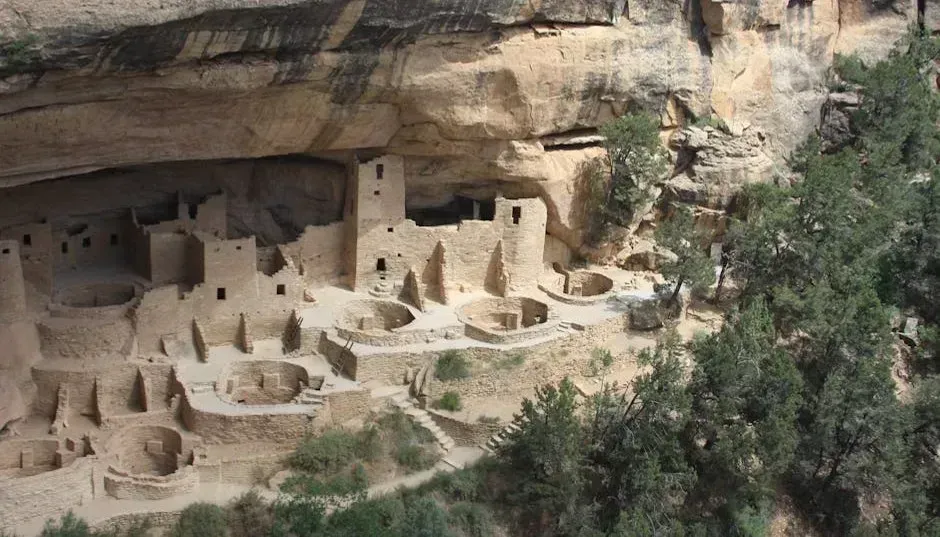
The Ancestral Puebloans, often called the Anasazi, carved out intricate cliff dwellings in the canyons of the American Southwest. Between 900 and 1300 CE, sites like Chaco Canyon bustled with life, trade, and ceremony. Then, quite suddenly, these settlements were abandoned. Walking through the ruins of Mesa Verde or Chaco Canyon today, you get this uncanny feeling that people simply stepped out and never came back. Dinner was left on the table, metaphorically speaking.
Tree-ring data shows that the region suffered severe droughts during this time, likely making farming unsustainable. Archaeologists also find signs of social tension, including burned buildings and defensive structures suggesting conflict. Some believe the people migrated to new areas, blending into other Pueblo cultures. Religious and political upheaval, akin to what Europe faced following the Protestant Reformation, may have added to the chaos, which ultimately forced the Anasazi to abandon their homeland by A.D. 1300 and flee south. Their descendants, the Hopi and Zuni peoples, are still here. The civilization vanished. The people did not. That distinction matters more than most history books acknowledge.
Nine civilizations. Nine unfinished stories. Each one a mirror held up to our own world, reminding us that no city, no empire, and no way of life is permanent. Climate, war, ecological collapse, or simple human restlessness – the reasons vary, but the silence that follows is always the same. What would future archaeologists make of our ruins, if they found them a thousand years from now?
Partner offer
Planning a trip to Vegas?
Compare hotel rates and show tickets on VEGAS.com.