


Hollywood has a way of making wealth look permanent. Actors sign multimillion-dollar deals, buy sprawling estates, and live with a kind of financial confidence that only comes from believing the paychecks will never stop. Then the roles slow down, the spotlight shifts, and the true cost of that lifestyle becomes terrifyingly clear.
The stories below aren’t about sudden scandals or overnight collapses. Most of these careers dimmed gradually, and the financial ruin followed in stages: bad investments here, mounting legal bills there, and then one day the money simply ran out. Some of these actors tried to rebuild. Others never got the chance.
Burt Reynolds: From Smokey and the Bandit to Selling Memorabilia

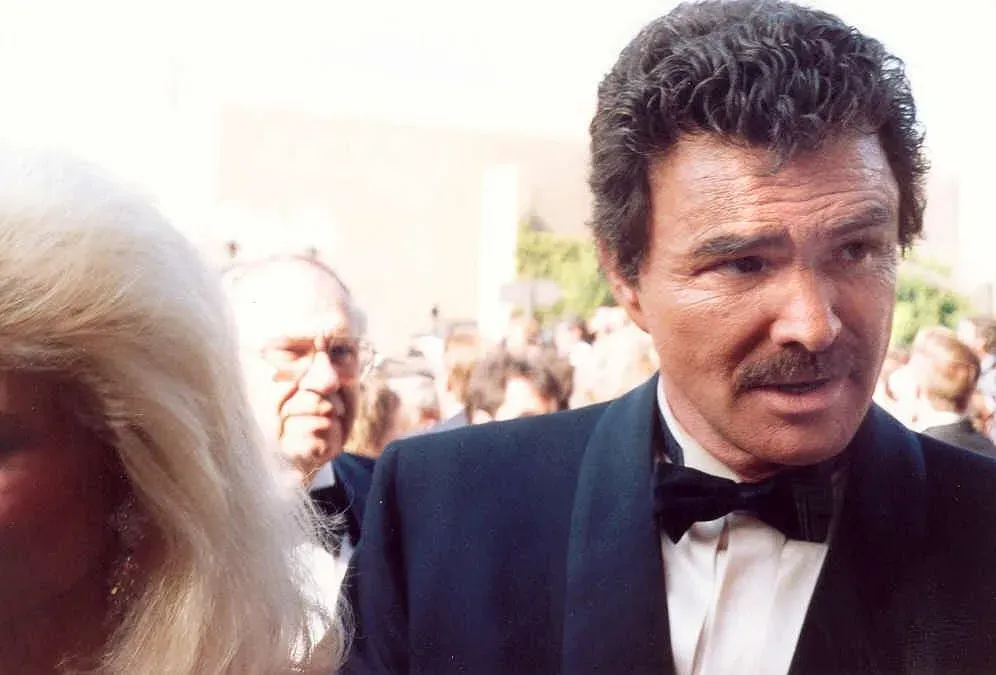
In 1996, Burt Reynolds filed for bankruptcy after a string of bad investments and an expensive divorce from Loni Anderson. He was over $10 million in debt, forced to sell homes, cars, and even a private jet. For a man who had been one of Hollywood’s biggest box office draws throughout the 1970s and 80s, the scale of the collapse was hard to comprehend.
He made a career comeback with Boogie Nights in 1997, which earned him a Golden Globe and an Oscar nomination. By 2014, Reynolds was auctioning off personal items and memorabilia, which rekindled news of bankruptcy. Until his death in 2018, Reynolds lived at his Florida estate which once faced foreclosure, but was then bought by his neighbor, who let him live on the property at a low cost. A legendary career, reduced to borrowed shelter at its end.
Wesley Snipes: The Tax Bill That Swallowed a Career

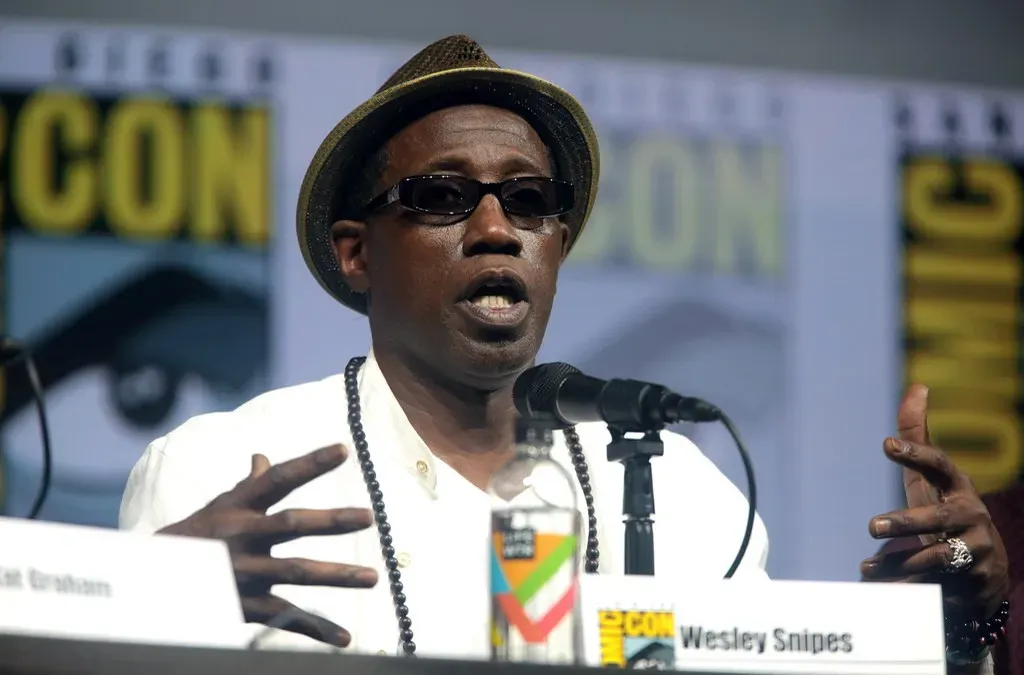
Wesley Snipes was once one of Hollywood’s highest-paid actors, starring in blockbuster films like Blade, White Men Can’t Jump, and Demolition Man. At the peak of his career, Snipes earned tens of millions of dollars. Yet despite his success, Snipes became one of the most well-known examples of how tax problems can escalate when ignored. In 1999, Wesley Snipes stopped filing his federal income tax returns. He had become convinced partly through the influence of two anti-tax promoters that a section of the Internal Revenue Code proved that U.S. citizens did not owe taxes on money earned within the United States.
In 2008, Snipes was convicted on misdemeanor charges of willful failure to file federal income tax returns, and was sentenced to three years’ imprisonment. After an unsuccessful appeal, he served 28 months in federal prison. He was released in April 2013. He was ordered to pay up to $17 million in back taxes, interest, and penalties. In 2018, five years after his release, Snipes attempted to settle his remaining $23.5 million tax debt through an offer in compromise of $842,000. The IRS refused, and a tax court judge ruled that Snipes’ claim of financial hardship lacked credibility.
Nicolas Cage: The Spending Spree That Defied Belief

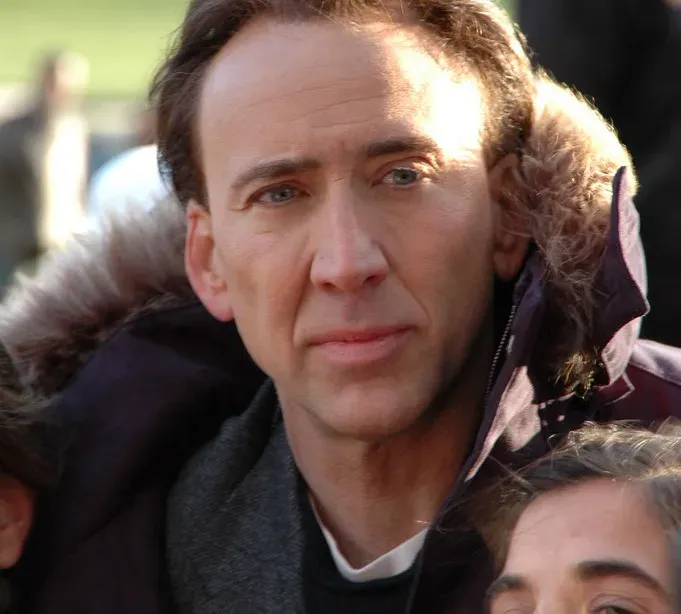
Nicolas Cage rose to prominence in the 1980s with a series of cult hits and went on to become an A-list action star. At his peak, Cage was one of the highest-paid actors in Hollywood, earning up to $20 million per film. According to CNBC, Cage’s net worth was $150 million at the peak of his career. A series of failed investments and a bizarre spending spree that saw him acquire shrunken heads, a 70-million-year-old dinosaur skull, and rare comic books put a serious dent in his fortune.
Nicolas Cage experienced a well-documented financial crisis involving massive tax debts and legal issues with his former business manager. The Internal Revenue Service filed multiple liens against the actor for unpaid taxes totaling over six million dollars. He was forced to sell numerous properties and rare artifacts to cover these debts and satisfy legal obligations. These legal and financial burdens required him to take on a high volume of film roles to repay his creditors. Working constantly not by choice, but by necessity – that became Cage’s reality for years.
Kim Basinger: The Town That Bankrupted an Oscar Winner
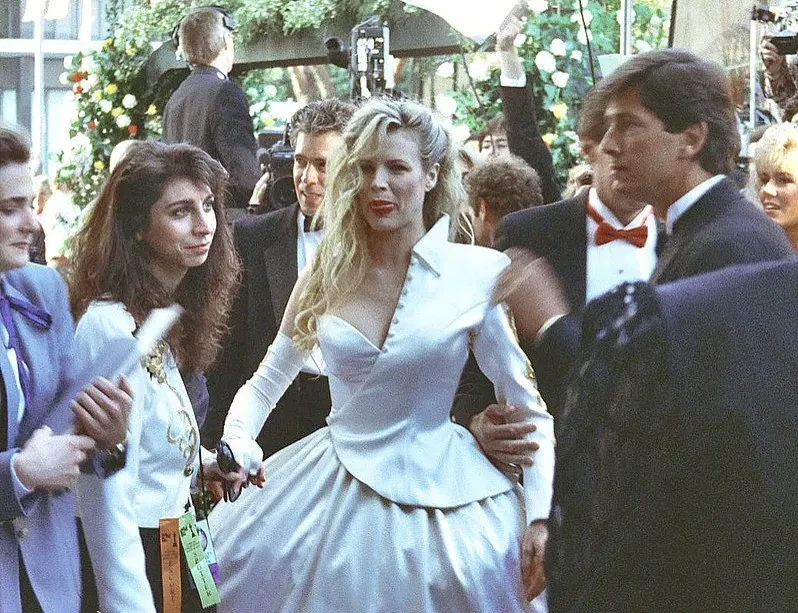
Basinger bought the small town of Braselton, Georgia, for $20 million with hopes of turning it into a tourist attraction. The investment failed, and she lost millions, eventually declaring bankruptcy. That wasn’t even the only source of financial trouble. Oscar winner Kim Basinger filed for bankruptcy in 1993 after being hit with an $8.1 million judgment for backing out of the film Boxing Helena. Facing financial ruin, she sought Chapter 11 protection and later settled the case for $3.8 million.
Kim Basinger experienced a significant financial decline after she backed out of Boxing Helena in the early nineties. A judge ordered her to pay over eight million dollars in damages for breaching an oral contract, forcing the Oscar winning actress to file for Chapter 11 bankruptcy protection. She eventually reached a settlement for a smaller amount but had to sell her majority stake in the town of Braselton. The comeback eventually came through L.A. Confidential, but the financial wreckage of those years took far longer to clear.
Gary Coleman: A Child Star Robbed of His Own Earnings


Gary Coleman burst onto the scene as the adorable Arnold Jackson in Diff’rent Strokes. Despite his career success, Coleman wound up suing his adoptive parents and former business advisors for mishandling his assets. Four years after the lawsuit, in 1993, Coleman was awarded close to $1.3 million in damages. Unfortunately, these funds would quickly run dry. Legal fees are not cheap. At one point, Coleman had to work as a security guard to pay the bills. By 1999, he officially declared bankruptcy.
Gary Coleman found fame on the American sitcom Diff’rent Strokes, which he starred in from the tender age of 10. Despite a successful TV and film career in the 80s and 90s, which included his own Gary Coleman Show and saw him become the highest-paid actor on the small screen, the former child star hit financial hardship and declared himself bankrupt in 1999. His story carries a particular sadness because the money he lost was money that had been stolen from him before he was ever old enough to protect it himself.
Erin Moran: Happy Days Ended Long Before She Did


Erin Moran was a beloved child star who played Joanie Cunningham on the hit show Happy Days. After the show ended she struggled to find consistent acting work and faced personal difficulties. She eventually lost her home to foreclosure and was reported to be living in a trailer park with her husband. In 2010, they were forced to sell their home in Palmdale, California. They then moved in with Fleischmann’s mother who lived in a trailer park in Indiana.
Former Happy Days star Erin Moran was haggard and homeless, bouncing around from motel to motel after being thrown out of the trailer she was sharing with her mother-in-law. Her financial and health struggles were a subject of concern for her former castmates and fans. She passed away in 2017, leaving behind a legacy of iconic television moments. That she spent her final years in such difficult conditions, after bringing so much joy to millions of viewers, remains one of Hollywood’s quieter tragedies.
Gary Busey: Bankruptcy, Brain Damage, and the Weight of It All

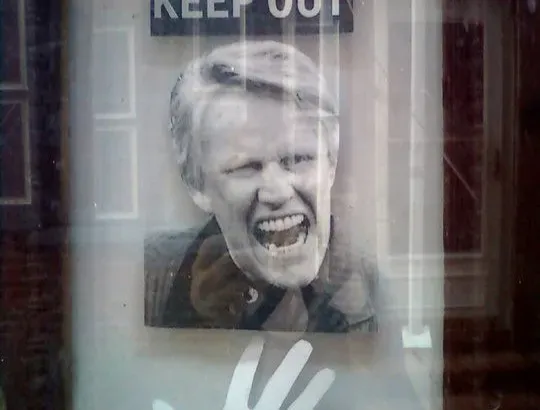
Busey’s case is a perfect example of how quickly things can go wrong in Hollywood. One moment you’re appearing in big-screen movies, the next you’re forced to file for Chapter 7 bankruptcy. His story is proof that even successful actors are not immune to financial ruin. By 2012, his net worth had plummeted to less than $50,000, with debts exceeding $500,000, leading him to file for bankruptcy. For an actor who had earned an Academy Award nomination for his role in The Buddy Holly Story, that number is almost impossible to process.
When Gary Busey emerged from bankruptcy protection in December 2012, he listed his assets at roughly $26,000 and was able to shed more than $57,000 in liabilities. The problem for the actor, though, was that he had more than $451,000 in tax debt outstanding. Despite making more than 70 movies in his career, Busey hadn’t yet been able to stabilize his personal finances. A motorcycle accident in 1988 had left him with permanent brain damage, and the medical and personal costs of that injury shadowed the rest of his working life in ways that are difficult to separate from the financial collapse that followed.
What connects all seven of these stories isn’t simply bad luck or careless spending. It’s the gap between the moment fame arrives and the moment an actor realizes it wasn’t built to last. Wealth that arrives quickly and publicly carries no guarantee of permanence, and the structures that should protect it – managers, advisors, legal teams – sometimes become part of the problem. For each of these actors, the spotlight eventually moved on, and what remained in its absence told a very different story than the one the public had come to believe.

