
Music history has a reliable blind spot: the songs that define eras, dominate radio, and outlive their own creators are sometimes the ones nobody took seriously when they were made. A throwaway riff in a rehearsal room. A sarcastic lyric scribbled on a napkin. A studio recording knocked out purely to fill time. The jokes that became the anthems.
What’s striking isn’t just that these songs succeeded despite low expectations. It’s that the low expectations may have been part of the magic. When an artist isn’t trying to write a hit, there’s a looseness, a honesty, that no amount of careful crafting can replicate. These ten tracks are proof of that.
1. “Stuck in the Middle With You” – Stealers Wheel (1972)

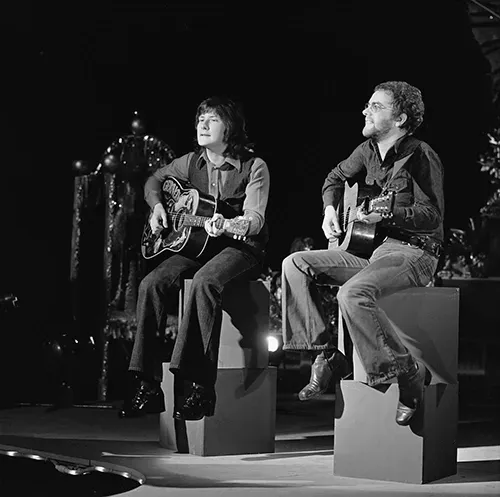
Sometimes a rock song starts as a joke about another artist, which was exactly the case for “Stuck in the Middle With You” by Stealers Wheel. Songwriters Gerry Rafferty and Joe Egan wrote the track to parody Bob Dylan, including the singer-songwriter’s habit of calling people clowns and jokers. The references to clowns and jokers on either side of the narrator were Gerry Rafferty’s way of poking fun at Dylan’s often paranoid lyrics and how he referred to people in his songs in this way regularly. Even the vocals were meant to mimic Dylan’s voice.
Many times the song has been mistaken for an actual Dylan track. Rafferty essentially mocked one of the most legendary singer-songwriters alive and got a number one hit out of it. The irony is that the song has endured far longer than the jab that inspired it, taking on a completely separate life after its famous use in Quentin Tarantino’s “Reservoir Dogs.”
2. “I Am the Walrus” – The Beatles (1967)

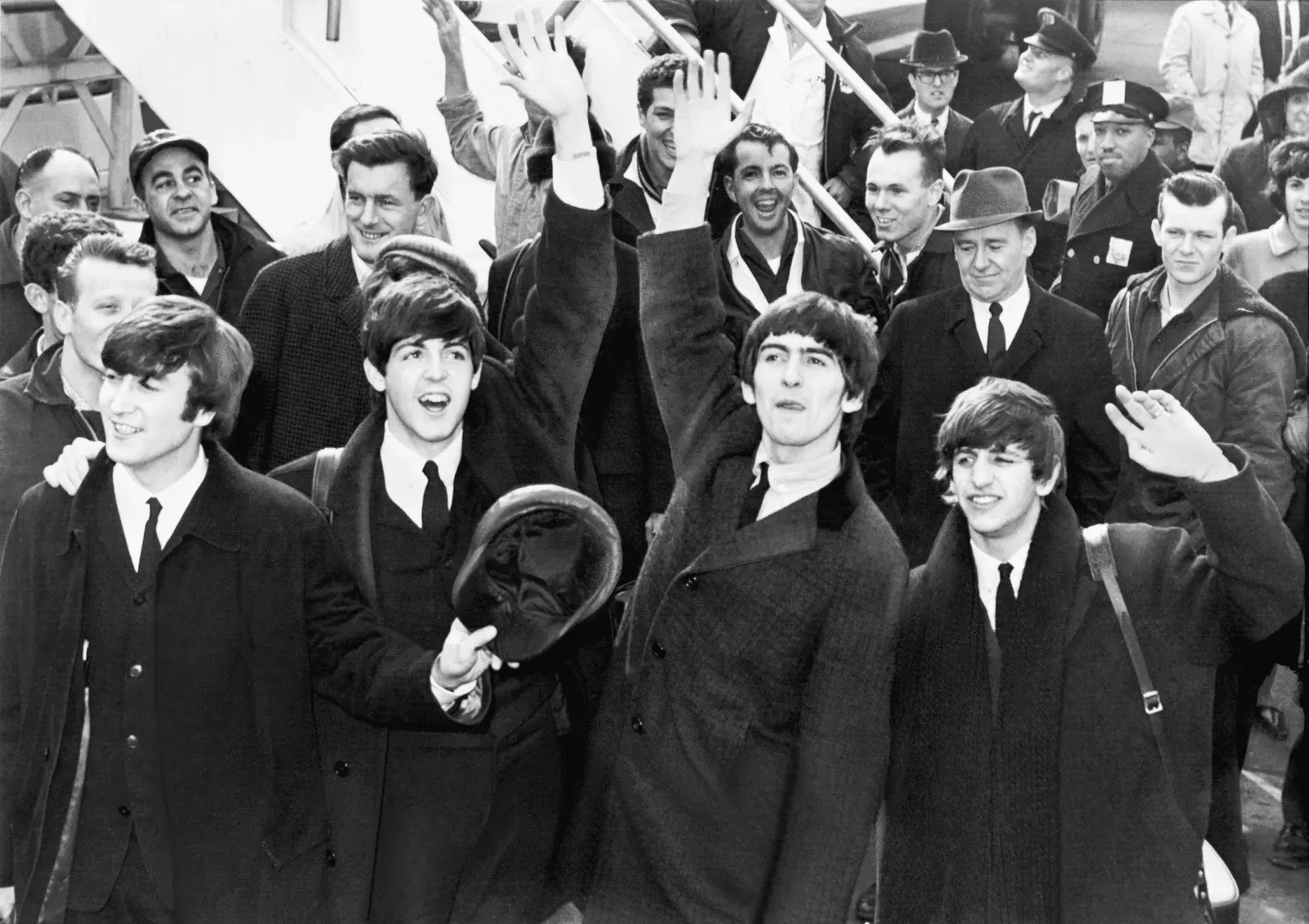
In the late 1960s, John Lennon discovered that his former secondary school was teaching and analyzing his lyrics as part of the class curriculum. In response, Lennon wrote “I Am the Walrus” with deliberately nonsensical lyrics, specifically so that the school’s students and teachers wouldn’t be able to figure it out. The seed for the song was planted when Lennon received a letter from a student at his former school who said his teacher was having them interpret Beatles music.
The Magical Mystery Tour track might not have made a whole lot of narrative sense, but it became one of The Beatles’ most well-known psychedelic hits. Decades later, it remains one of the most analyzed songs in rock history, an outcome that would have amused Lennon enormously. The academic scrutiny he was trying to frustrate never really stopped.
3. “Sweet Child O’ Mine” – Guns N’ Roses (1988)


The riff at the start of Guns N’ Roses’ “Sweet Child O’ Mine” is so iconic that it triggers immediate excitement among listeners regardless of the crowd. When guitarist Slash originally composed it, however, he didn’t take it seriously and even called it a “stupid little riff.” Slash was warming up with a circus-like melody before a band practice when drummer Steven Adler started playing along. The jam evolved into “Sweet Child O’ Mine,” complete with vocalist Axl Rose’s “where do we go now” section, which literally came from the singer not knowing where to go next.
The song began as Slash’s guitar exercise, with Axl Rose scribbling lyrics in minutes and the band considering it filler. Then it became their only number one hit. The “Appetite for Destruction” album sold roughly 30 million copies, and the riff remains iconic. That a song nobody took seriously became one of the definitive rock anthems of its decade says something about where inspiration actually lives.
4. “You Ain’t Seen Nothing Yet” – Bachman-Turner Overdrive (1974)

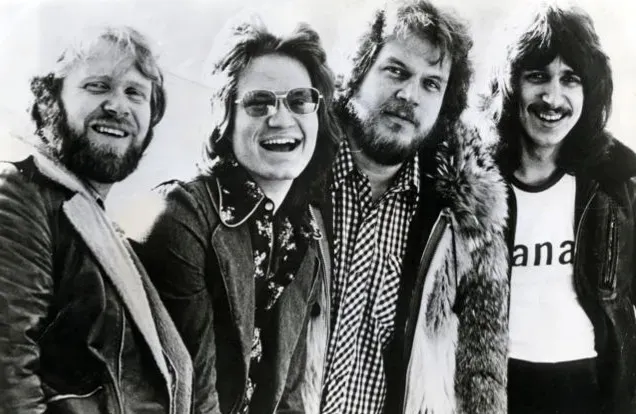
Randy Bachman never considered “You Ain’t Seen Nothing Yet” a song that would amount to anything. Many of the lyrics he improvised because he used the song as a warm-up. Bachman originally recorded the stuttering version as a private joke for his brother Gary, who had a stutter. The song was never meant to be heard outside the group.
When it came time to release their album, the record company wasn’t overly impressed with any of the songs Randy played them. He decided to play them the private recording, and they loved it. Bachman agreed to put it on the album only if he could record it without the stutter, but the record company insisted on the original. The song went on to become the first and only number one on the Hot 100 for BTO. A private joke between brothers, never intended for public ears, became the band’s defining commercial peak.
5. “(You Gotta) Fight for Your Right (To Party!)” – Beastie Boys (1986)

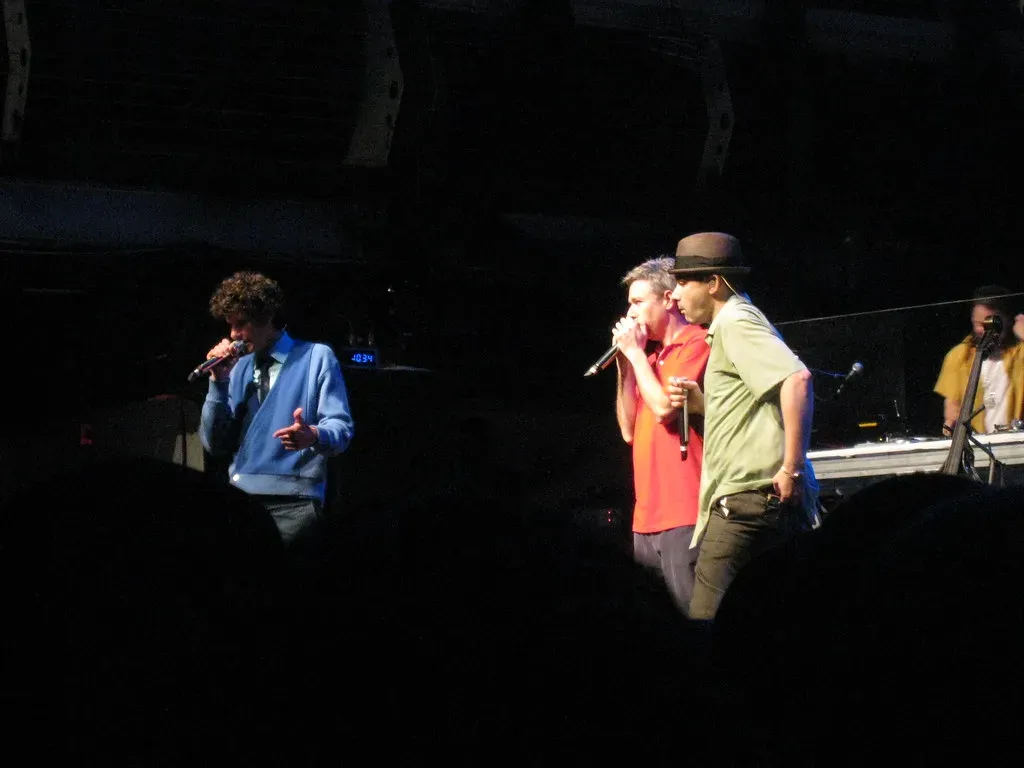
In the liner notes to the Beastie Boys anthology, MCA revealed that the song was originally intended as a joke on the type of “dumb” rock songs often heard at the time. The track was a parody of the frat culture of the day. Rather than being treated with the desired satirical effect, it instead became an anthem celebrating the very thing it was poking fun at. It reached number seven on the US Billboard Hot 100.
With its fusion of hip-hop, punk, and hard rock, the song launched the Beastie Boys into mainstream fame and helped “Licensed to Ill” become the first rap album to top the Billboard 200. Considering that the Beastie Boys meant for the song to be poking fun at the lifestyle, not perpetuating it, the track’s success became a double-edged sword. They spent years trying to outrun a song that the people it mocked had adopted as a rallying cry.
6. “Loser” – Beck (1993)

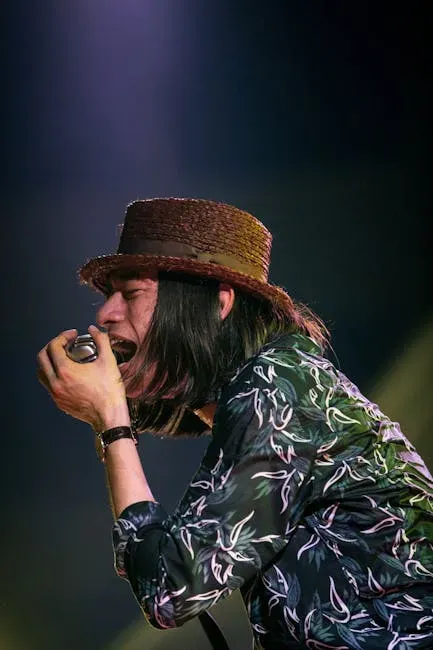
For the song’s vocals, Beck attempted to emulate the rapping style of Public Enemy’s Chuck D. According to Beck, the line that became the song’s chorus originated because when the track was played back, he thought he was the worst rapper in the world. So he started singing “I’m a loser baby, so why don’t you kill me.” The single was supposed to be a one-off experiment that was deliberately different from anything else he had done. The pair initially envisioned the song as a throwaway bit of fun and nothing more.
The song was first released in March 1993 as a 12-inch vinyl single on Bong Load, with only 500 copies pressed. Beck felt that “Loser” was mediocre and only agreed to its release at his label’s insistence. It unexpectedly received radio airplay, starting in Los Angeles. It eventually hit number ten on the Billboard Hot 100 and number one on Modern Rock Tracks. In 2023, Billboard magazine ranked “Loser” among the 500 best pop songs of all time.
7. “Smells Like Teen Spirit” – Nirvana (1991)

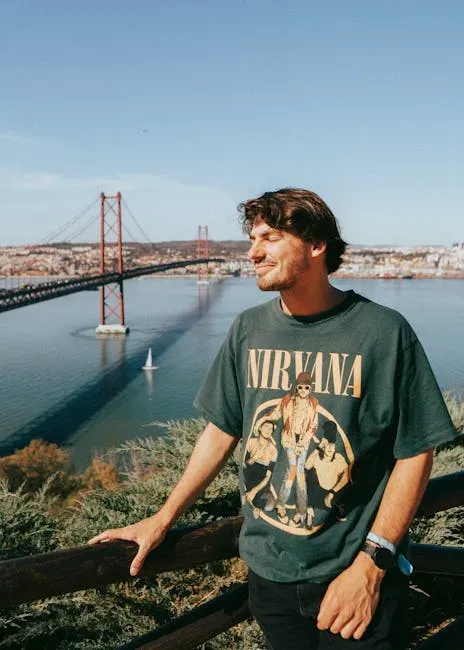
Kurt Cobain never planned to write a defining 1990s anthem. “Smells Like Teen Spirit” was named after a deodorant brand, scrawled as a joke by Bikini Kill’s Kathleen Hanna. Cobain himself described the riff as a Pixies knock-off and was openly dismissive of the song’s construction. He wrote it quickly, without the weight of expectation that might have made it stiff or self-conscious.
The track defined grunge, dethroned Michael Jackson, and sold 30 million albums. Cobain grew to resent his fame, but the world embraced his chaotic energy. The ultimate irony was that a throwaway joke about teen apathy became the decade’s rallying cry. What was meant to be a bit of genre play ended up changing what rock music looked like for a generation.
8. “Barbie Girl” – Aqua (1997)

Danish-Norwegian group Aqua created “Barbie Girl” as a sharp satire of consumerism, gender stereotypes, and artificial pop culture, using the iconic doll as their target. It was loaded with playful sarcasm, not intended as a serious pop anthem. Yet to their surprise, the song shot to number one in over ten countries and sold more than eight million copies worldwide.
Mattel, the maker of Barbie, even sued Aqua and lost, which only fueled the song’s fame. Today “Barbie Girl” remains a staple at parties and on radio playlists. The song’s recent resurgence, thanks to the 2023 “Barbie” movie and TikTok trends, shows its staying power. A satirical jab at plastic consumer culture became one of the most enduringly plastic pop songs ever recorded. The irony runs perfectly deep.
9. “Gangnam Style” – PSY (2012)


When South Korean artist PSY dropped “Gangnam Style” in 2012, he was jokingly mocking the extravagant lifestyles in Seoul’s wealthy Gangnam district. The dance, the lyrics, the fashion – none of it was meant to be taken seriously. The song’s surreal humor and signature horse-riding dance move went viral, smashing YouTube records and becoming the first video ever to hit one billion views. The hit topped charts in over 30 countries and turned PSY into a global star overnight.
Even years later, “Gangnam Style” is still used as a cultural reference point for viral success. PSY had made something for a domestic audience that understood the specific cultural commentary behind it. The rest of the world had no idea what Gangnam represented, and it didn’t matter. The absurdity translated perfectly without context, which says something about how humor travels.
10. “Paranoid” – Black Sabbath (1970)

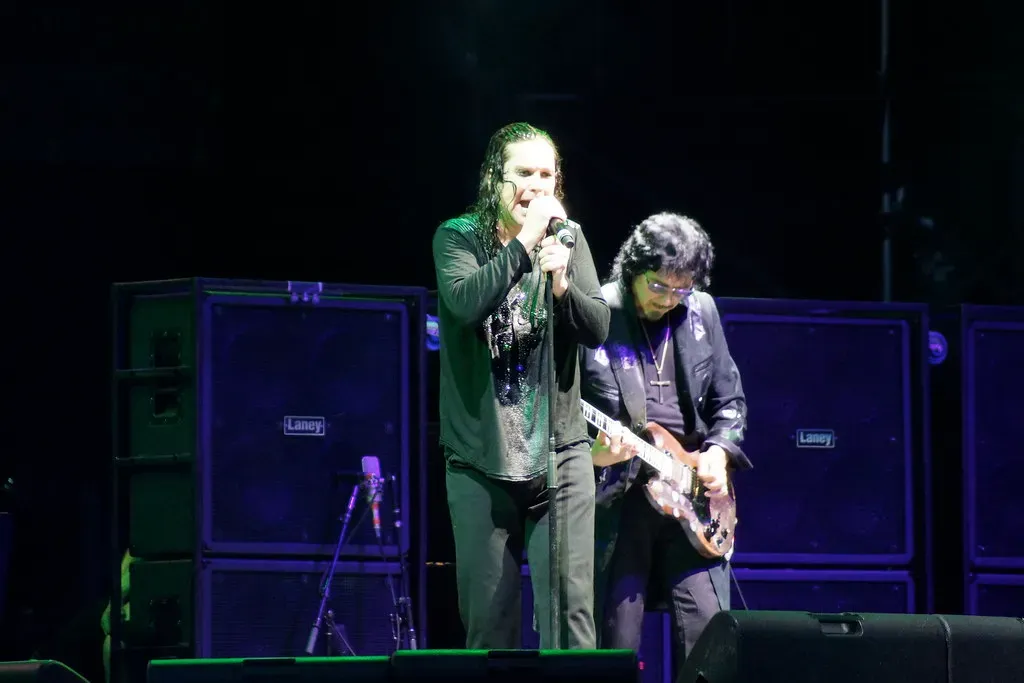
Black Sabbath had just finished recording their second album when they realized they needed one more track to fill out the vinyl. With studio time running out, guitarist Tony Iommi came up with a simple riff and the band knocked out the entire song in roughly 20 minutes. Nobody thought much of it at the time. The band never imagined this rushed filler track would become a single, let alone a hit.
Today “Paranoid” stands as Black Sabbath’s signature song and one of the most recognizable anthems in heavy metal history. The frantic riff and Ozzy Osbourne’s urgent vocals became blueprints for countless metal bands that followed. What started as a last-minute afterthought turned into a defining moment for an entire genre, proving that sometimes the best songs come from pure spontaneity rather than careful planning.
What These Songs Tell Us


There’s a quiet lesson running through all ten of these stories. The pressure to write something meaningful, something chart-worthy, something lasting, can be a creative straightjacket. When artists stop caring about the outcome, something honest gets through instead. The “stupid little riff,” the private joke for a stuttering brother, the song dashed off to annoy a record label – these became the touchstones.
Audiences are remarkably good at sensing when a song carries real feeling, even when that feeling is absurdity, self-mockery, or an insider jab nobody else was supposed to catch. The joke got bigger than the joke-teller every time. That’s a pattern worth sitting with, not just in music, but in creative work generally. The things you make without pressure sometimes carry the most weight.