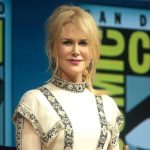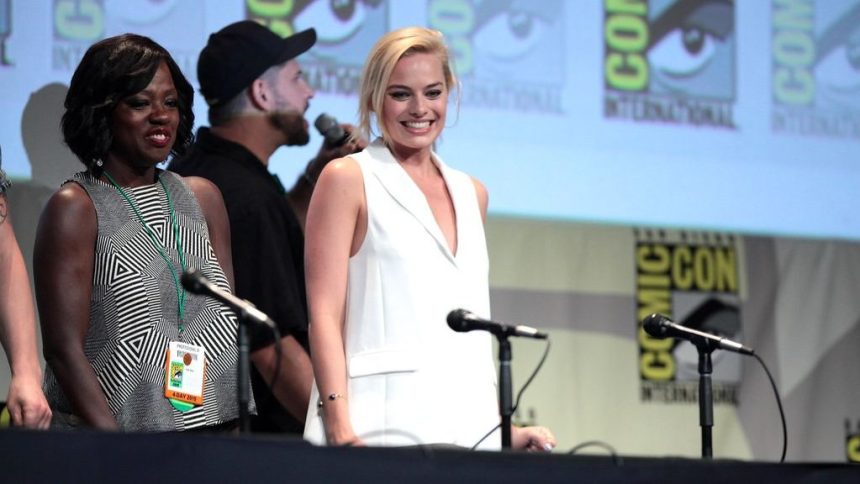
Hollywood has a strange habit of identifying exceptional talent and then doing its best to waste it. A performer breaks through, earns a reputation in a specific lane, and the industry responds by sending the same lane over and over again, slightly repaved, with a different title. The pattern is so consistent it almost looks deliberate.
The actresses on this list aren’t overlooked unknowns. Several of them have trophies on their shelves, stars on the Walk of Fame, and box office grosses that run into the hundreds of millions. The problem wasn’t lack of recognition. It was the relentless narrowing of what the industry thought they were allowed to be.
Jennifer Aniston: Forever Boxed into the Romantic Comedy Lane
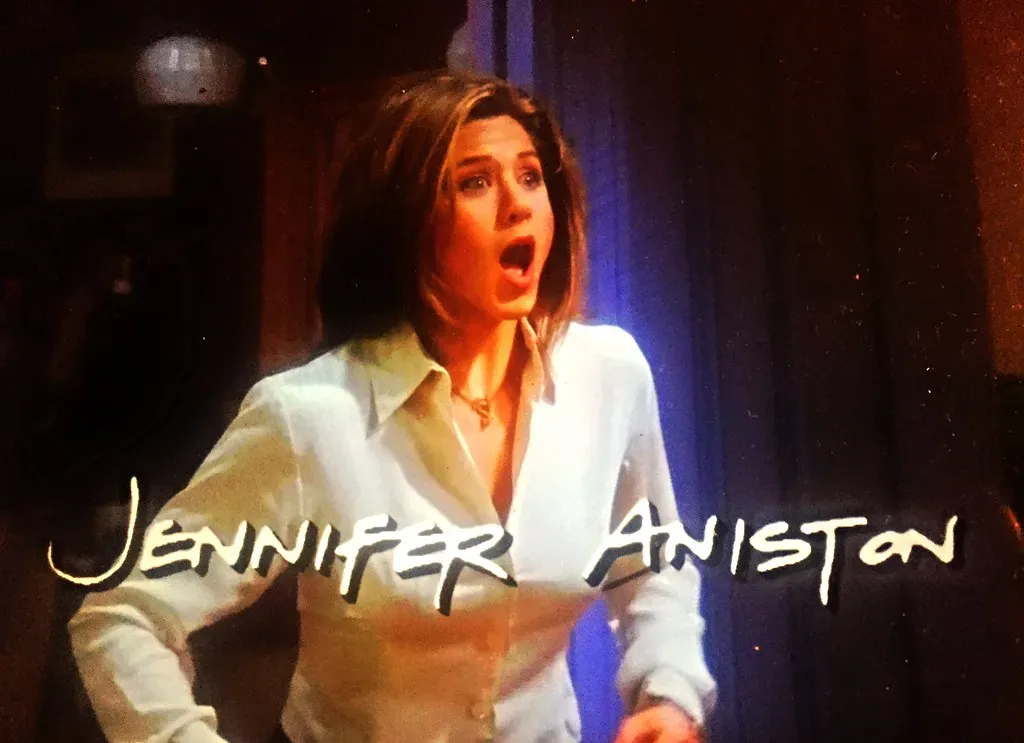
Jennifer Aniston gained worldwide recognition for portraying Rachel Green on the television sitcom Friends, a role which earned her an Emmy Award, a Golden Globe Award, and a Screen Actors Guild Award. That’s a remarkable achievement. The trouble is it also handed Hollywood a shortcut: cast her as the warm, wry, slightly lovelorn woman in a comedy, collect the box office, repeat.
Her films included The Break-Up, a dramedy following the dissolution of a relationship, and a string of romantic comedies including He’s Just Not That into You, The Bounty Hunter, The Switch, Just Go with It, and Wanderlust. The dramatic range was always there. Though she’s most famous for her comedic roles, Aniston’s dramatic work on the critically acclaimed Apple TV+ series The Morning Show showed what she was genuinely capable of. The industry took decades to hand her material worthy of that range.
Viola Davis: The Most Talented Person in Every Room She Was Given
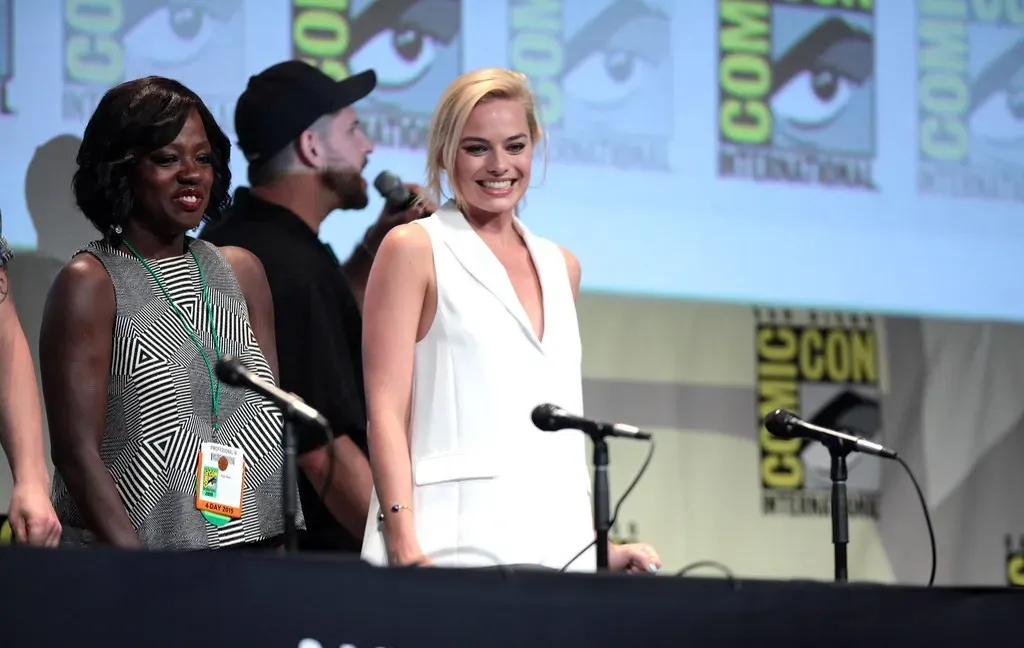
Davis reprised her stage role as Rose Maxson in the film adaptation of Fences, directed by and starring Denzel Washington. Her performance garnered critical acclaim, and she received her third Academy Award nomination, making her the first Black actress in history to achieve that feat. She subsequently went on to win the Academy Award for Best Supporting Actress, the Golden Globe Award for Best Supporting Actress, and the Screen Actors Guild Award for Outstanding Performance by a Female Actor in a Supporting Role.
Yet for much of her career, Davis was treated as a supporting presence in stories that were fundamentally about someone else. In 2022, she starred in The Woman King, inspired by true events within the Kingdom of Dahomey, playing Nanisca, the general of an all-female military unit. It was the kind of commanding, central, world-building role her talent had always demanded. The wait for it was far too long.
Michelle Pfeiffer: Three Oscar Nominations and Still Underused
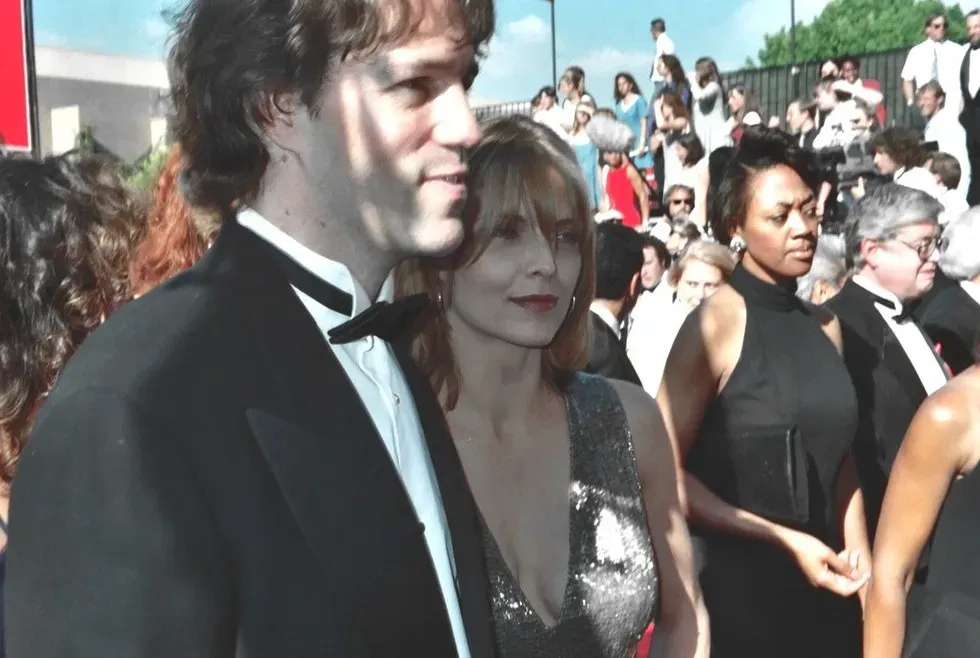
Pfeiffer’s career began in the late 1970s with minor television roles, but she quickly rose to prominence in the 1980s with her breakout role in Scarface, portraying Elvira Hancock, a performance that solidified her as a talented actress. Playing the icy, troubled trophy wife opposite Al Pacino, her performance helped her break free from early typecasting. Her combination of natural screen presence, poise, and depth quickly earned her more complex roles across a range of genres, and by the late 1980s she had become one of the most respected actresses of her generation.
She received her first Academy Award nomination for Best Supporting Actress for her role in Dangerous Liaisons, followed by two more Oscar nominations: Best Actress for her sultry performance as lounge singer Susie Diamond in The Fabulous Baker Boys, and again for her role in the civil rights-era drama Love Field. Three nominations across distinctly different genres. That kind of range should have kept ambitious scripts arriving at her door indefinitely. Instead, Hollywood kept finding reasons to put her talent on a shelf between sporadic, often underwhelming projects.
Demi Moore: Decades Ahead of the Roles She Was Finally Given
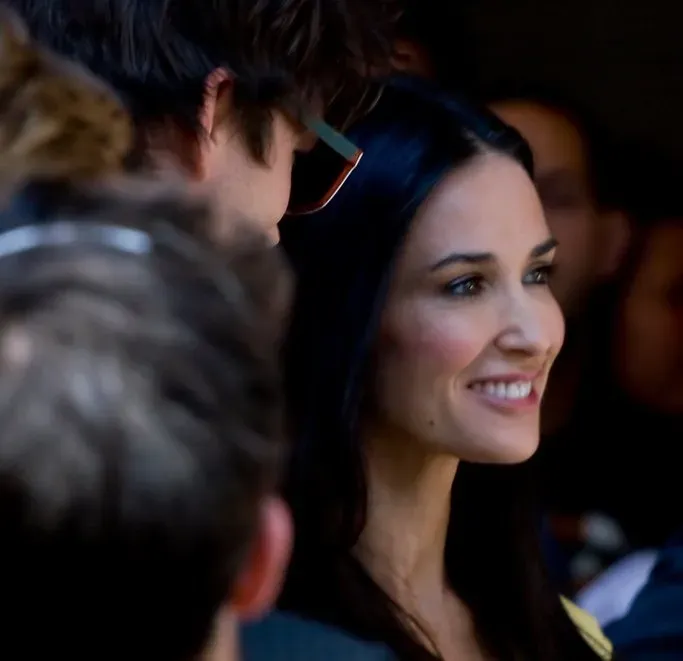
Moore was at the peak of her stardom in the 1990s, starring in the likes of Ghost, A Few Good Men, and Indecent Proposal. While she continued working steadily after that era, she hadn’t led as many high-profile projects for a significant stretch. Hollywood had essentially decided what era she belonged to and stopped updating its opinion.
The Substance, a 2024 body horror film written and directed by Coralie Fargeat, follows a fading celebrity who is fired by her producer due to her age and uses a black market drug that creates a younger version of herself. Fargeat wrote the screenplay to explore societal pressures surrounding women’s bodies and aging. The film received widespread acclaim, with particular praise for Fargeat’s direction and Moore’s performance, and grossed between 77 and 82 million dollars on a budget of just 18 million. Moore’s performance earned her a Golden Globe Award, a Critics’ Choice Award, and a Screen Actors Guild Award, as well as nominations for an Academy Award and a BAFTA Award. It took a European director with a bold vision to finally give Moore the role that proved what she had always been capable of.
Melissa McCarthy: More Than the Physical Comedy They Kept Casting Her For
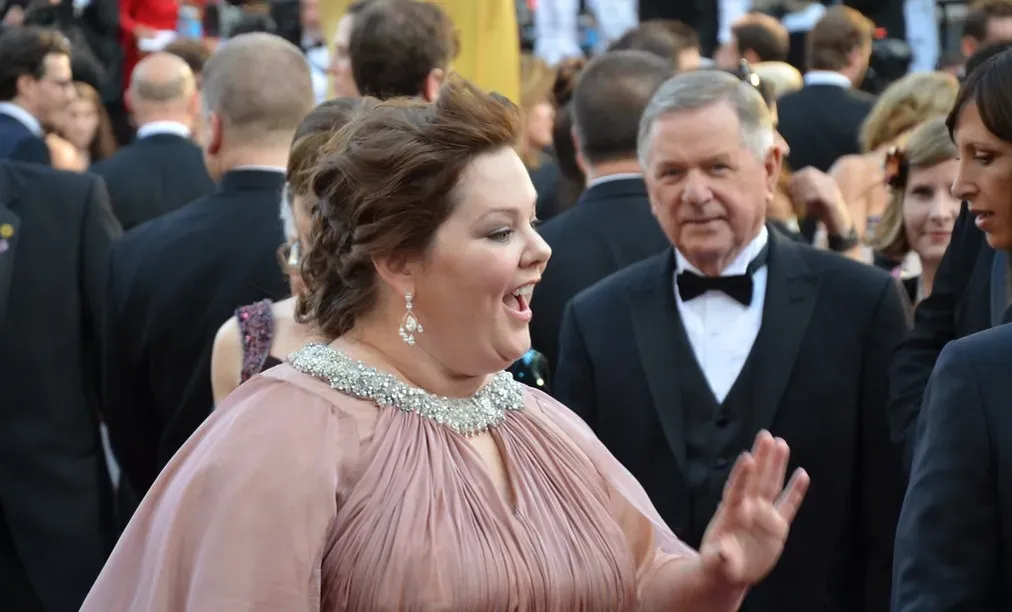
Melissa McCarthy became a household name for her physical comedy in Bridesmaids and The Heat, but she surprised critics and audiences alike with her dramatic turn in Can You Ever Forgive Me. Her performance as the literary forger Lee Israel earned her an Academy Award nomination. That nomination confirmed what sharper observers had suspected for years: there was a serious, layered actress operating underneath all the broad comic energy Hollywood kept demanding from her.
She continues to alternate between high energy comedies and grounded dramatic performances. The challenge is that the industry’s appetite for the former never quite matched its willingness to fund the latter. Studios knew the comedy brand sold tickets. Trusting her with something quieter and more intricate required a confidence many of them simply didn’t have.
Amy Adams: Six Oscar Nominations and Still Fighting Against the “Sunny Ingenue” Label
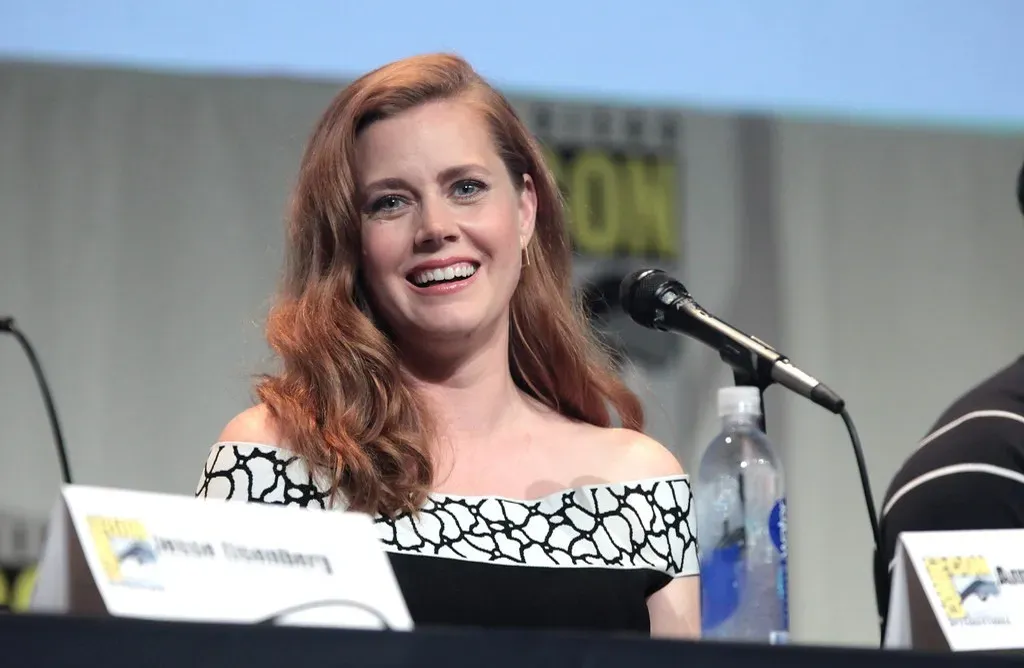
Amy Adams became famous for playing wide-eyed and optimistic characters in Enchanted and Junebug, but she consciously shifted toward more complex and morally ambiguous roles in The Master and American Hustle. Her performance as a linguist in Arrival further demonstrated her ability to lead a cerebral science fiction drama. Each pivot required her to practically argue the case for her own versatility.
She explored dark psychological depths in the limited series Sharp Objects as well. Six Academy Award nominations across drama, comedy, and genre storytelling make her one of the most statistically recognized actresses of her generation. The frustrating irony is that the industry spent years trying to keep her in the wholesome, upbeat category that launched her, even as her best work consistently pushed far beyond it.
Rebel Wilson: A Comedian Whose Full Range Was Never Seriously Explored

Rebel Wilson burst onto screens with fearless, scene-stealing energy that Hollywood immediately wanted to bottle and reuse. As Fat Amy in Pitch Perfect, she was hilarious, unapologetic, and completely unforgettable. Studios took note and kept handing her nearly identical roles – the outrageous best friend whose job was to be funny and outrageous.
Wilson has spoken candidly about how the industry expected her to stay in that comedic sidekick lane indefinitely. Her memoir and personal transformation sparked a public conversation about how Hollywood treats plus-size actresses. She continues pushing for roles with genuine depth, proving that her comedic gift is just one piece of a much bigger picture. Wilson eventually began branching out into producing as well as acting, and in 2024 made her debut as a director and writer with The Deb. Taking the wheel herself turned out to be the most direct route to the creative space Hollywood never bothered to offer her.
What links all seven of these careers isn’t bitterness or failure. Most of them have had genuinely impressive, decorated runs. The thread is something more specific: a recurring gap between the scale of the talent and the narrowness of what the industry kept imagining for it. The best moments in each of these careers arrived when someone, usually the actress herself, stopped waiting for permission.