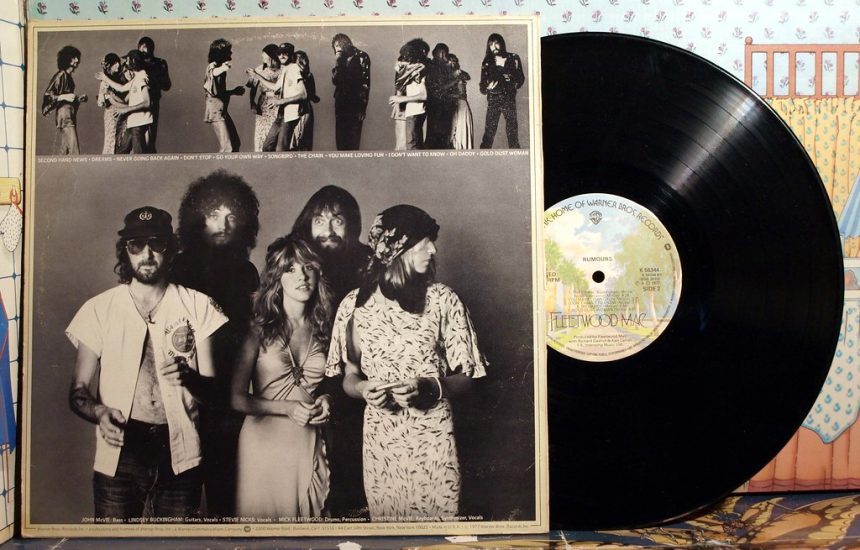
Album sales used to be the scoreboard for the music business. A gold or platinum plaque told you almost everything you needed to know about an artist’s standing. That math stopped working a long time ago, and today plenty of musicians who never move big numbers on the charts are quietly running highly profitable, culturally significant careers. The real picture of success now lives in places that don’t show up on a sales report at all.
1. Streaming numbers that dwarf their chart position

An album can debut outside the Billboard 200 top 40 and still rack up hundreds of millions of streams over time, because streaming rewards longevity rather than a single opening week. Catalog tracks, in particular, keep earning long after the initial sales window closes, since fans return to them on playlists, algorithmic recommendations, and personal rotations for years.
This is why an artist with modest first week sales can still be one of the most listened to musicians on the planet. Spotify’s own reporting has repeatedly shown that catalog music, meaning songs older than eighteen months, now accounts for a larger share of total listening than new releases, which quietly rewrites who counts as commercially dominant.
2. Sold out tours despite soft album debuts
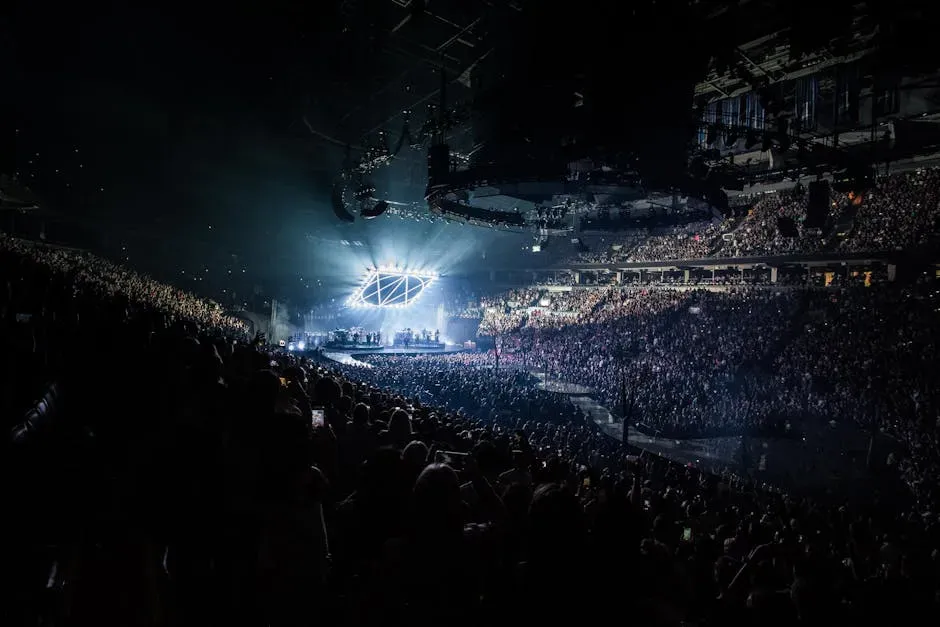
Ticket demand and album sales have become almost separate economies. An artist can release a record that lands with a shrug commercially, then sell out arenas or amphitheaters within minutes because the tour is really about the whole catalog and the live experience, not one release.
Legacy acts illustrate this most clearly. Bands built their entire late career business model on touring revenue that far outpaced anything a studio album could generate, filling stadiums for decades on the strength of their live reputation rather than new chart activity.
3. Viral resurgences that revive decades old work
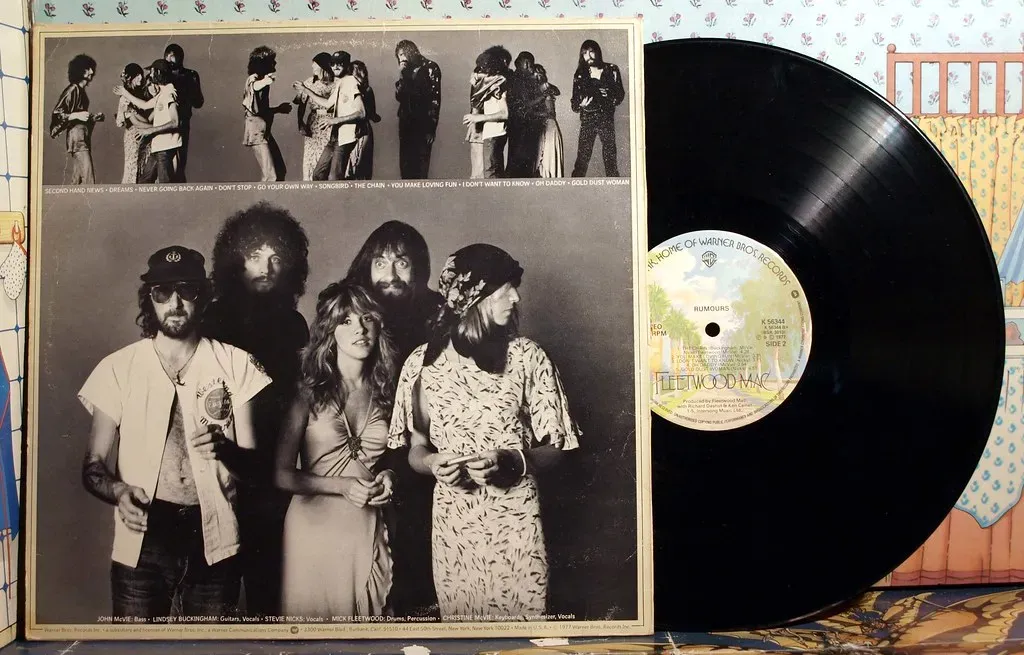
A song does not need a new album behind it to explode again. Fleetwood Mac’s “Dreams” had its best streaming week of all time in the week ending October 1, 2020, gaining 8.47 million streams in the U.S., up 125 percent from the previous week. That surge traced back entirely to a viral video, not a new release cycle.
For the year to date at that point, the song had already been streamed 529 million times, showing it was already a quiet giant before the viral moment amplified it further. Moments like this reveal an artist’s real staying power, something a sales chart from decades ago never could.
4. Sync licensing deals that keep their music everywhere

Placement in film trailers, television dramas, commercials, and video games has become one of the clearest signs of an artist whose value extends well past retail numbers. A song used in a major streaming series or a car commercial reaches audiences that a chart position never touches, and it pays steadily over time rather than in one lump sum.
These placements also tend to compound. Once a track becomes a go to sync choice for music supervisors, it gets used again and again across unrelated projects, quietly building a revenue stream and a level of cultural presence that has nothing to do with how the original album performed at retail.
5. Songwriting and production credits behind other people’s hits

Some of the most commercially influential people in music rarely appear on a bestseller list under their own name, because their success is embedded in other artists’ records. A writer or producer credit on a chart topping single by someone else still counts as a direct measure of industry impact and earning power.
This kind of success is often invisible to the public but well understood inside the business. Publishing royalties, sync fees, and repeat collaborations with major label acts can generate more sustained income than a solo album ever would, even if that person’s own name never lands on a sales chart.
6. Merchandise and brand partnerships that outperform music revenue

For a growing number of artists, merchandise and licensing deals have quietly become a larger revenue source than the music itself. Apparel lines, collaborations with fashion or beverage brands, and limited edition drops tied to tours can generate substantial income independent of how an album charts.
This shift matters because it changes what success actually looks like day to day. An artist selling out a merchandise line within hours, or landing a multi year brand partnership, is demonstrating a kind of commercial pull that album sales figures were never designed to capture.
7. Catalog and publishing sales worth hundreds of millions

Nothing illustrates hidden commercial value quite like a catalog sale. Bob Dylan sold his entire songwriting catalog of more than 600 songs to Universal Music Publishing Group, in a deal first reported by The New York Times as worth more than 300 million dollars. That deal may be the highest price ever paid for a musician or group’s songwriting rights.
Sales like this happen because publishing rights generate steady, predictable income for decades through covers, syncs, and streaming royalties, not because of recent album chart performance. Paul Simon’s song catalog was also sold to Sony for 250 million dollars around the same period, part of a broader wave of legacy artists cashing in on decades of accumulated value that never showed up on any weekly sales report.
8. Critical acclaim and industry awards that outlast commercial buzz
Grammy nominations, inclusion on year end critics’ lists, and inductions into institutions like the Rock and Roll Hall of Fame often go to artists whose commercial peak has long passed, or who were never big sellers to begin with. These honors reflect a different kind of success, one measured by influence and craft rather than units moved.
Over time, this recognition tends to feed back into an artist’s earning power anyway. A Hall of Fame induction or a prestigious award nomination often triggers a new wave of streaming and catalog interest, proving that critical respect and commercial relevance are more connected than a single sales figure would suggest.
9. Cultural influence measured in covers, samples, and tributes
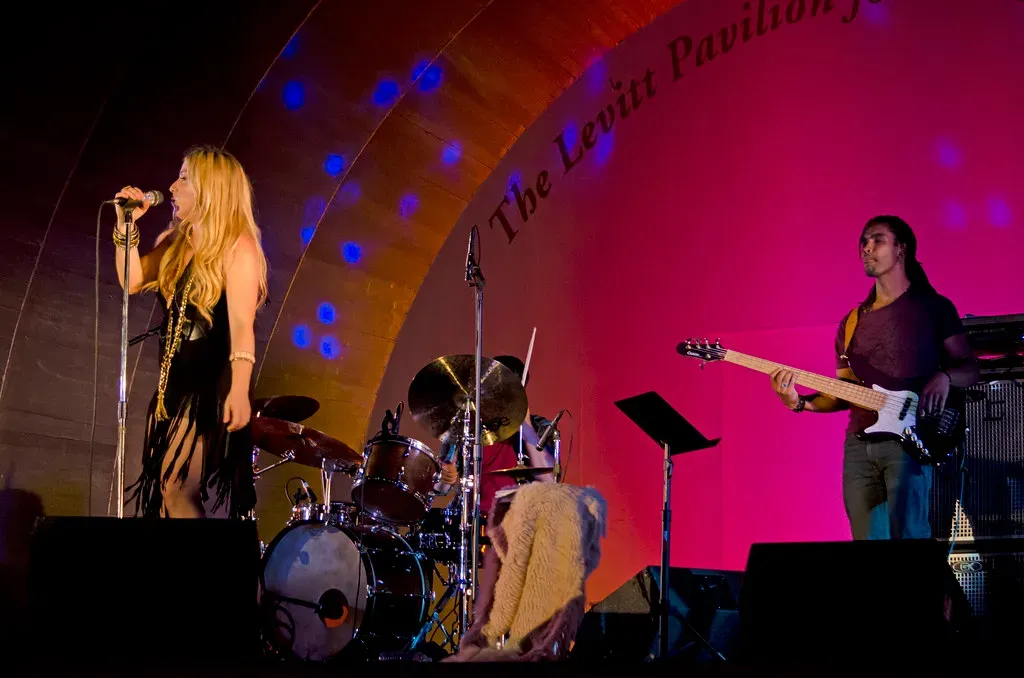
Some artists’ true reach only becomes visible through how often other musicians borrow from them. A song that gets sampled repeatedly in hip hop, covered at award shows, or referenced by younger artists as a formative influence is signaling a level of impact that album sales data simply cannot register.
This kind of influence tends to be self sustaining. Every new sample or cover reintroduces the original work to another generation of listeners, extending an artist’s relevance decades past their commercial peak and often long after the original release has faded from any sales chart entirely.
Taken together, these signals point to a simple reality of the modern music business: commercial success has become far more distributed than a single sales figure can capture. Streaming longevity, touring demand, sync placements, songwriting credits, catalog valuations, and cultural influence all tell part of a story that album charts alone were never built to explain.