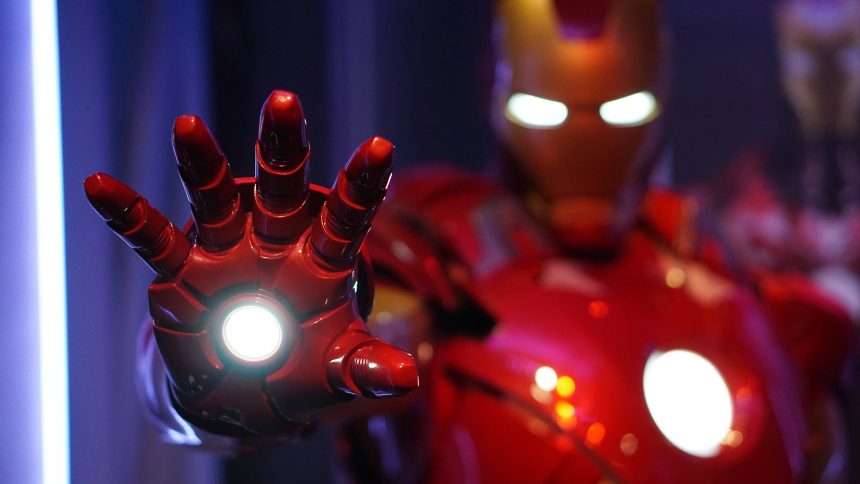
Every so often a movie gets almost everything right. The direction is sharp, the performances land, the tension builds exactly the way it should, and then, in the final stretch, something goes sideways. A single scene, a rushed explanation, or one line of dialogue undoes an hour and a half of careful work. These moments tend to stick with audiences longer than the good parts ever do. Below are seven films that had genuine greatness within reach, only to stumble in their closing minutes.
1. Signs (2002)
M. Night Shyamalan’s alien invasion thriller spends most of its runtime as a masterclass in slow-building dread, using sound design and framing rather than jump scares to unsettle viewers. Mel Gibson and Joaquin Phoenix carry a grounded, emotional story about a family grappling with faith and loss while something unknowable closes in around their farmhouse. Then comes the reveal that the invading aliens are fatally allergic to water, despite having targeted a planet that is roughly seventy percent ocean. The most debated part of Signs is the nonsensical water twist, as the aliens are revealed to be weakened and killed by water, yet they are invading a planet that is mostly water. Critics have pointed out this logical gap repeatedly in the years since release, with many critics lambasting Signs for having a “weak twist,” with the aliens being allergic to water and the seemingly contrived coincidences set-up throughout the film paying off in the face-to-face encounter with the alien. It is the kind of ending that makes you want to rewind and pretend the last five minutes played out differently.
2. Iron Man 3 (2013)
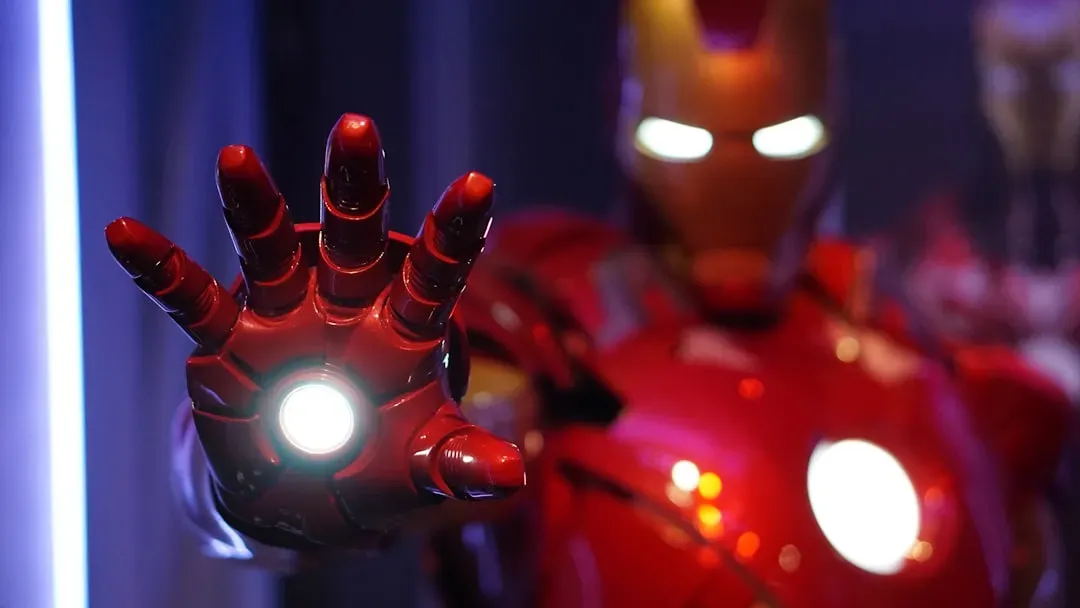
Shane Black’s entry in the Iron Man trilogy is widely regarded as one of the sharpest scripts in the franchise, blending genuine wit with a surprisingly vulnerable take on Tony Stark dealing with post-traumatic stress. For two acts, the villain known as The Mandarin is built up through ominous broadcasts and genuine menace, promising one of the MCU’s most formidable threats. Then the film reveals that the terrifying figure is actually Trevor Slattery, a washed-up actor hired as a decoy for the real mastermind. The twist itself was defensible as satire, but the execution left audiences cold. Fans were disappointed by the way the film treats such an important villain, subjecting him to a fake-out that feels purposeless and played for a cheap laugh. The backlash was significant enough that Marvel later felt compelled to course correct, and Kevin Feige and co. later opted to make up for the blunder by casting Tony Leung as the true Mandarin in Shang-Chi and the Legend of the Ten Rings.
3. Batman v Superman: Dawn of Justice (2016)
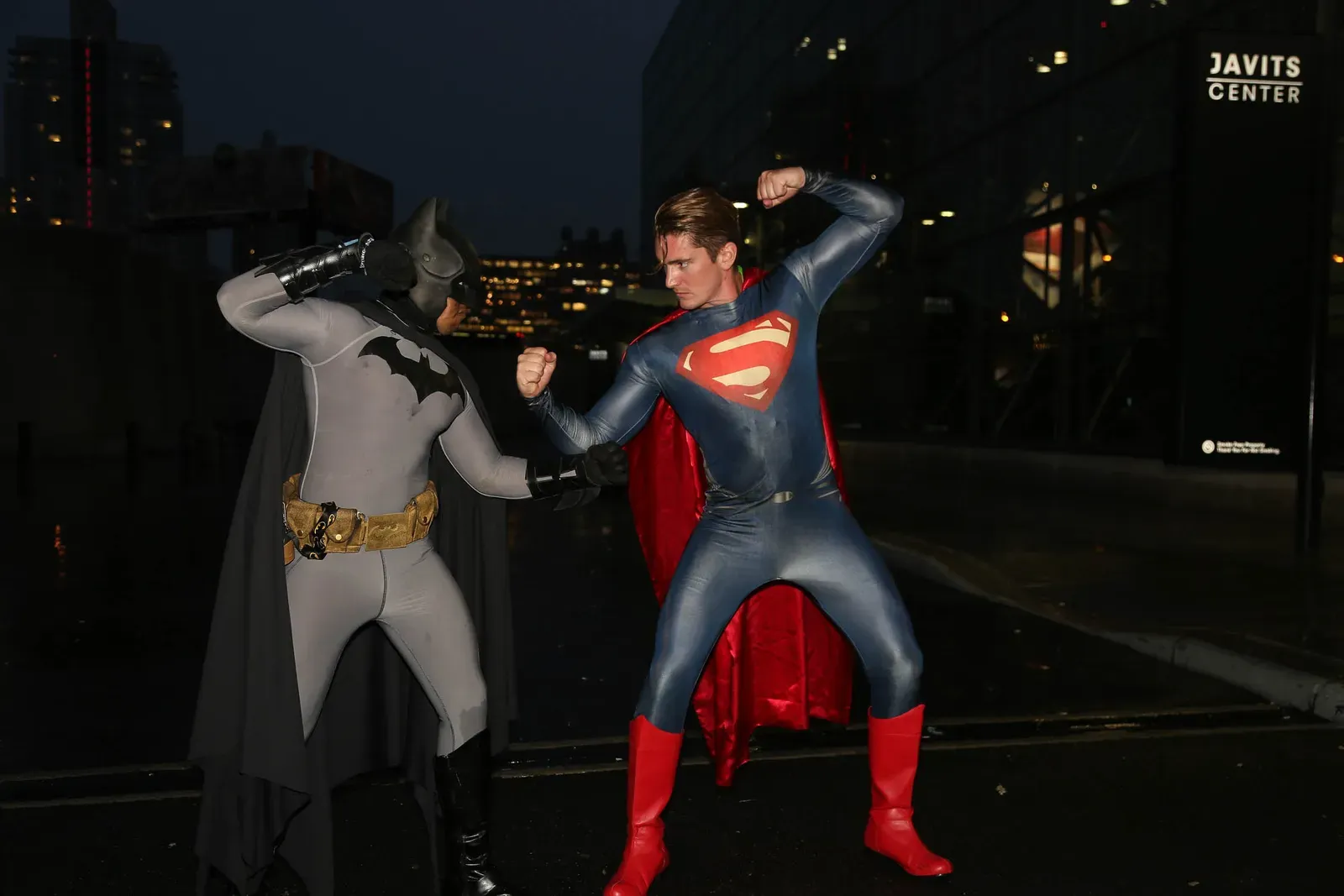
Zack Snyder’s superhero showdown builds toward its title fight with genuine visual ambition, staging a brutal, rain-soaked brawl between two of pop culture’s biggest icons. The buildup works. The problem arrives when the fight needs to end, and the screenplay reaches for the flimsiest possible off ramp. Batman stops trying to kill Superman the instant he learns that Superman’s mother happens to share a first name with his own late mother, Martha. The “Martha moment” has been labeled as lazy writing, cheesy, and a cheap plot device to end a conflict that didn’t really have much logic to begin with. Even a decade later, critics complain about it feeling overstuffed, the “Martha” moment, Jesse Eisenberg’s eccentric Lex Luthor, how grim it feels, and the death of Superman feeling unearned, and the scene remains the film’s most quoted punchline rather than its intended emotional peak.
4. Star Trek Into Darkness (2013)
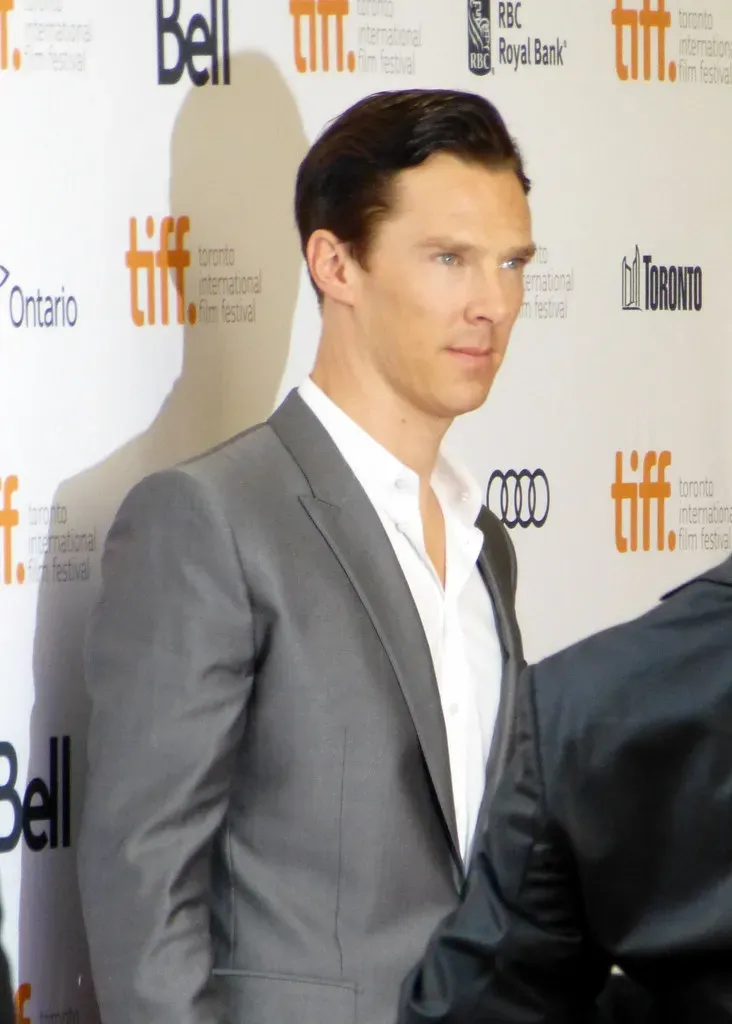
J.J. Abrams’ second Star Trek film has real momentum going for it, with Benedict Cumberbatch delivering a genuinely commanding performance as a mysterious antagonist hunted across the galaxy. The plotting is tight for most of the runtime, right up until Captain Kirk dies from radiation exposure while saving the ship. Rather than let that sacrifice carry any weight, the script solves it almost instantly with a vial of the villain’s blood. The “magic blood” plot point is arguably the weakest part of the screenplay. Throughout Star Trek Into Darkness, we learn that Khan’s genetically engineered blood can literally bring the dead back to life. It is tested on a small creature first, then used to bring Kirk back from the dead within minutes, and the fix arrives so quickly that death in Star Trek should have stakes, and by introducing a literal “cure for death” in the form of a villain’s blood, the writers accidentally broke the universe.
Partner offer
5. Man of Steel (2013)
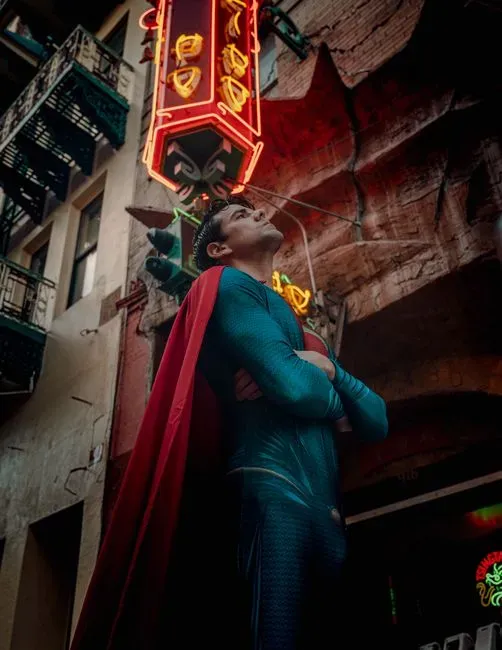
Zack Snyder’s Superman origin story spends real effort humanizing Clark Kent, exploring his upbringing in Kansas and his uneasy relationship with a power he never asked for. Henry Cavill brings a quiet gravity to the role, and the film’s early stretches suggest a thoughtful, character-driven take on an overly familiar mythology. The final act, though, trades that restraint for a punishing city-leveling brawl that ends with Superman snapping General Zod’s neck. The kill was meant as a tragic, forced choice, but plenty of longtime writers of the character disagreed with the decision on principle. Mark Waid, who is highly critical of Man of Steel, wrote in his review that “after the neck-snapping, even though I stuck it out, I didn’t give a damn about the rest of the movie.” The moment became the biggest of the film’s controversial decisions and a point of no return, becoming the unstable foundation for the shared universe that followed, turning a hopeful character study into something audiences still argue about years later.
6. Sunshine (2007)
Danny Boyle’s science fiction film about a crew traveling toward a dying sun to reignite it is, for most of its length, a tense and visually stunning meditation on isolation, sacrifice, and awe. The cinematography treats the sun itself almost like a character, and the early crew dynamics feel lived in and believable. Then, in the film’s closing stretch, the story abruptly shifts genres, introducing a disfigured, near supernatural killer stalking the ship in scenes that feel lifted from a slasher film. The tonal whiplash has been a persistent talking point among fans and critics for years, since the shift undercuts the meditative, almost spiritual tone the first two thirds worked so hard to establish. What had been a grounded story about human limits in the face of something vast suddenly turns into a chase sequence with a monster in the dark. For a film built on patience and atmosphere, the rushed pivot to horror movie mechanics in its last act feels like a different, lesser movie borrowed its ending.
7. War of the Worlds (2005)
Steven Spielberg’s take on H.G. Wells’ invasion story spends most of its runtime as a genuinely harrowing survival film, following Tom Cruise’s character and his children through scenes of mass destruction rendered with unsettling, ground level intensity. The tripods, the ash-covered refugees, and the sheer scale of the devastation give the film a weight that few blockbusters of its era matched. The source material’s ending, where the invaders are undone by ordinary earthly bacteria, survives intact, but the human story wrapped around it gets a far tidier bow than the preceding hour and a half earned. The family reunites in Boston with an ease that clashes sharply against everything the film had just put them through, undercutting the sense of loss the story had spent so long building. It is not that the ending is illogical in the way some other entries on this list are, but the shift from bleak survival horror to a neatly resolved family reunion feels rushed, as if the studio wanted relief more than the story had actually earned it. For a film this committed to dread, the final minutes soften the impact just enough to leave a strange aftertaste.
None of these films are ruined beyond recognition. Most remain worth watching, some are still genuinely excellent for the bulk of their runtime, and a few have earned defenders who argue the endings work better than their reputations suggest. What they share is a lesson familiar to anyone who has watched a great story lose its nerve right before the credits: a strong beginning and middle can carry an audience a long way, but the last five minutes are what people remember walking out of the theater.Partner offer
Planning a trip to Vegas?
Compare hotel rates and show tickets on VEGAS.com.