Turn on the radio and chances are good that the same handful of hands are responsible for more songs than any single star could ever claim credit for. These players rarely appear on posters or magazine covers, yet their fingerprints run through decades of chart history. Some worked out of a converted garage in Los Angeles, others cut tracks in a small Alabama studio that somehow became a hit factory. Their names are worth knowing, if only because you have almost certainly been humming their work for years without realizing it.
Carol Kaye: the bassist who redefined the low end of pop
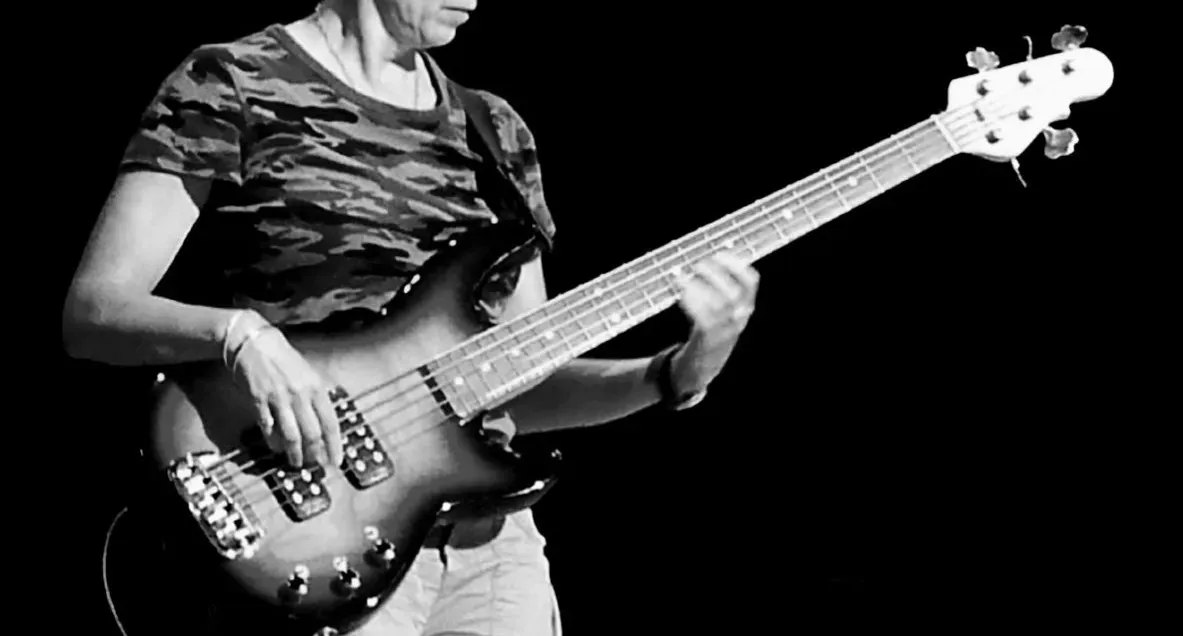
Carol Kaye began as a jazz guitarist in Los Angeles clubs before a chance moment at Capitol Records in 1963 pushed her toward the bass. Her transition into studio recording occurred in 1957, and in 1963 she was asked to play bass instead of guitar at a recording session at Capitol Records. From there she quickly became one of the busiest players in town, moving through session after session with a style that treated the bass as a melodic instrument rather than just rhythm support.
Her list of credits includes hits for Ray Charles, The Righteous Brothers, Johnny Mathis, Nancy Sinatra, Sam Cooke, Glen Campbell, and dozens more, along with her bass work on the Beach Boys’ Pet Sounds and Smile sessions. Estimates of her total output vary, but she is one of the most prolific recorded bass guitarists in rock and pop music, playing on an estimated 10,000 recordings in a career lasting over 65 years. Producer Quincy Jones was reportedly so particular about her playing that he wouldn’t do a session until Carol was available.
Hal Blaine: the drummer behind an unmatched string of number ones
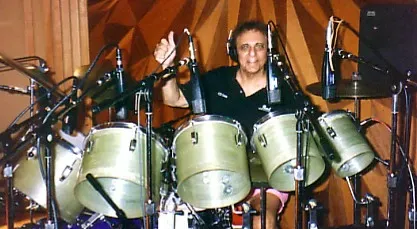
Hal Blaine’s drumming sits underneath more chart toppers than perhaps any percussionist in American pop history. As a member of the loose collective known as the Wrecking Crew, his drumming is featured on 150 US top 10 hits, 40 of which went to number one. That run included an extraordinary streak where, between 1966 and 1971, Blaine played on six consecutive Grammy Record of the Year winners, from Herb Alpert’s “A Taste of Honey” to Simon and Garfunkel’s “Bridge Over Troubled Water.”
Blaine’s fills and grooves show up on records by acts as different as the Beach Boys, the Monkees, and the Carpenters. He played on numerous hits by popular groups, including Nancy Sinatra, Jan and Dean, Elvis Presley, John Denver, the Ronettes, Simon & Garfunkel, Carpenters, the Beach Boys, the Grass Roots, the 5th Dimension, the Monkees, the Partridge Family, and Steely Dan. By his own reckoning he tracked well over six thousand recordings across a career that stretched from the early rock and roll era into the 1980s.
James Jamerson: the invisible architect of the Motown sound
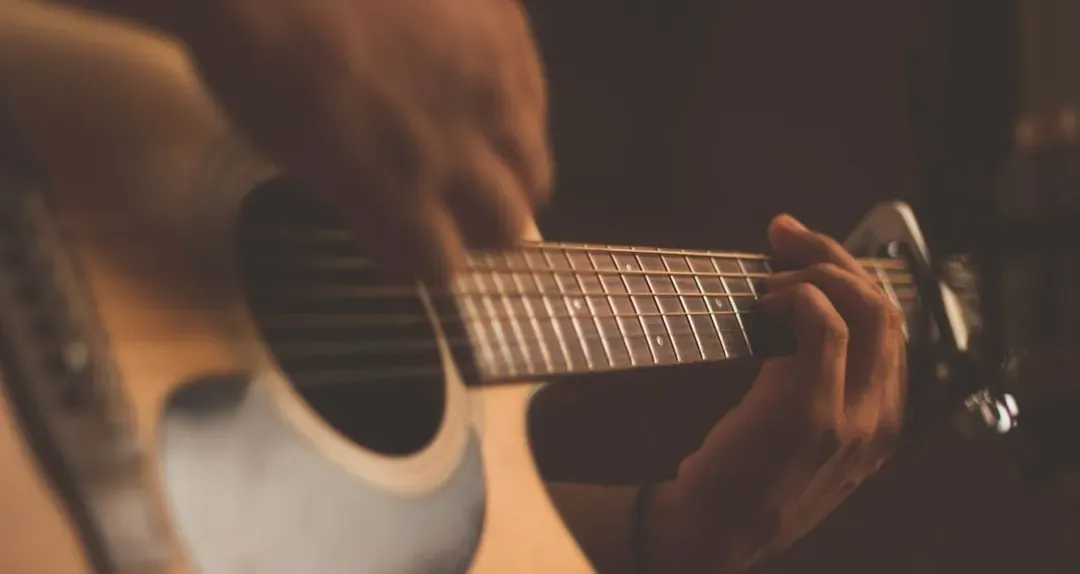
No discussion of unsung session players is complete without James Jamerson, the primary bassist for Motown’s house band, the Funk Brothers. Jamerson played on dozens of hits during the 1960s and early ’70s, among them “My Girl” by the Temptations and “Ain’t No Mountain High Enough” by Marvin Gaye and Tammi Terrell. His playing turned the bass guitar into something closer to a lead instrument, full of syncopation and melodic surprise.
Because Motown did not list session musician credits on their releases until 1971, he remained the uncredited bassist on most of the label’s hits through the 1960s and early 1970s. Even so, he eventually performed on nearly 30 number one pop hits. Recognition came slowly but eventually caught up with him, culminating in his induction into the Rock and Roll Hall of Fame in 2000, two decades after his death in 1983.
Steve Gadd: the drummer jazz, rock, and pop all wanted
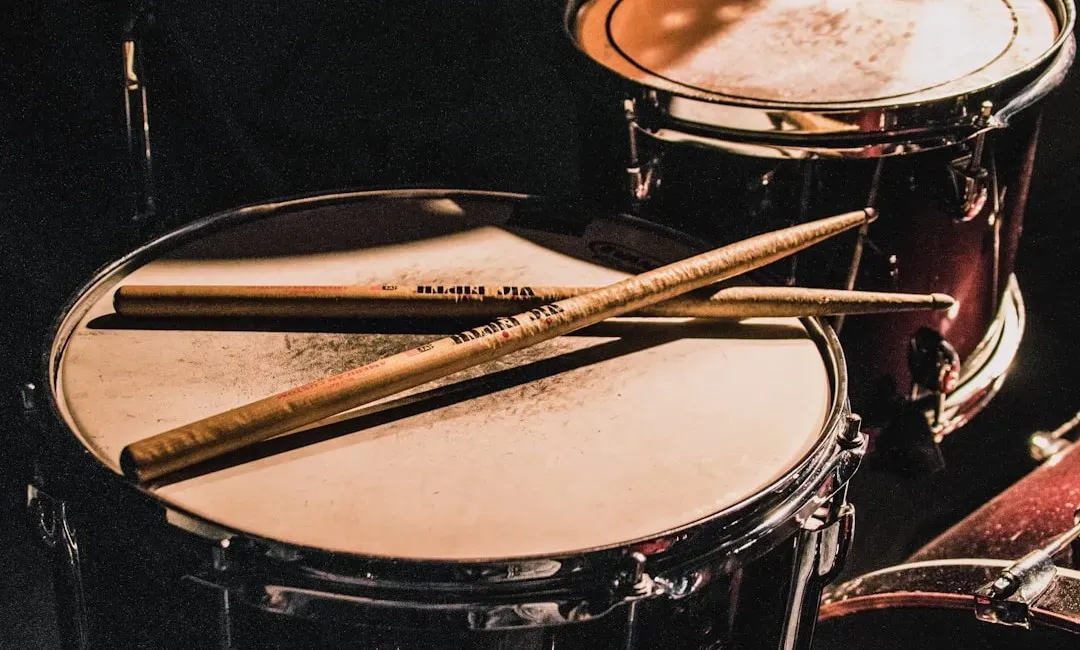
Few drummers have moved as fluidly between genres as Steve Gadd. His playing anchors Van McCoy’s “The Hustle,” Paul Simon’s “50 Ways To Leave Your Lover,” and Rickie Lee Jones’s “Chuck E.’s in Love,” alongside work with Chick Corea and Herb Alpert. He also brought a distinctive Cuban rhythm to Simon’s later hit, layering technical precision with genuine feel.
Gadd’s session on Steely Dan’s “Aja” is still studied by drummers for its complexity, and his versatility made him a first call across jazz fusion, singer songwriter records, and mainstream pop. Gadd is one of the best known and most highly regarded session and studio drummers in the industry, recognized by his induction into the Modern Drummer Hall of Fame in 1984. He has continued working steadily into his eighties, a rare longevity for a career built entirely on being the person other artists call.
Nathan East: the bassist who linked disco era funk to modern pop
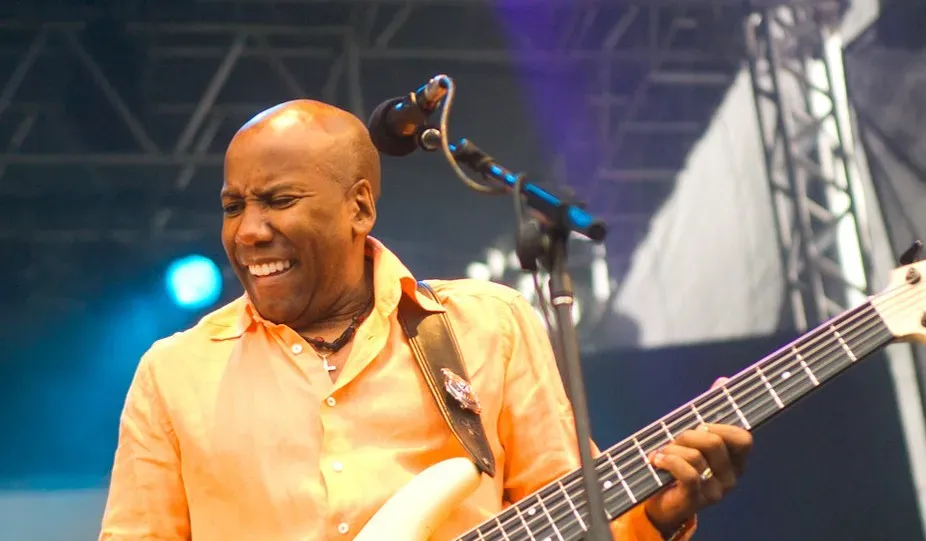
Nathan East’s career began as a teenager touring with Barry White, and it never really slowed down from there. Over the next four decades, East became one of the most recorded bassists in music history, appearing on more than 2,000 sessions and shaping hit songs with icons including Eric Clapton, George Harrison, Michael Jackson, Phil Collins, Whitney Houston, Beyoncé, Barbra Streisand, and Stevie Wonder.
He also co-wrote one of the more surprising credits on his resume. In 1984 he co-wrote the hit single “Easy Lover” with Phil Collins and Philip Bailey, launching a mind-boggling progression of successful, award-winning collaborations. Decades later, his bass line drove one of the defining pop songs of the 2010s: his profile extended beyond jazz and R&B again in 2013, due to his involvement on Daft Punk’s Random Access Memories, which was certified platinum and won Album of the Year at the 56th Annual Grammy Awards ceremony.
Tommy Tedesco: the guitarist heard on more soundtracks than almost anyone
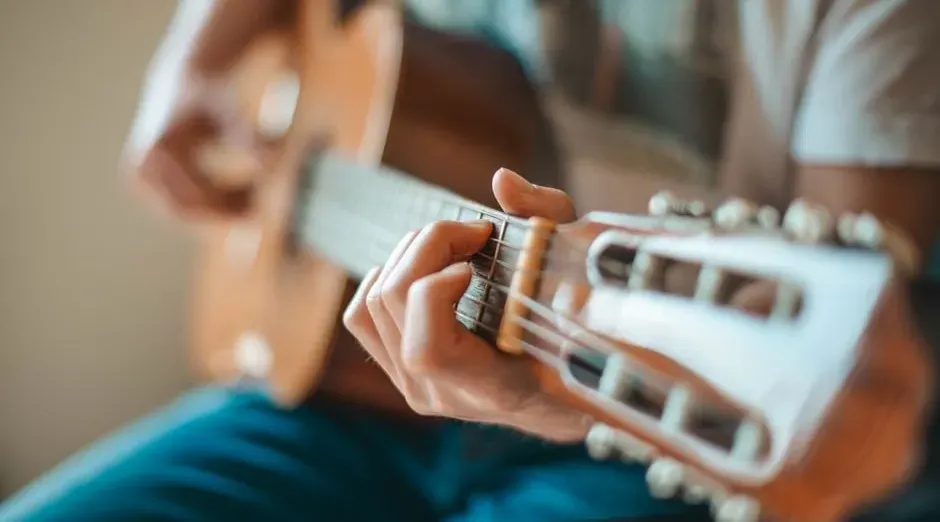
Tommy Tedesco worked alongside Carol Kaye and Hal Blaine as one of the core guitarists in the Wrecking Crew, and his versatility made him a favorite for film and television scoring as much as pop records. He could shift between flamenco, jazz, surf rock, and country picking within the same afternoon of sessions, which is exactly what studio work in that era demanded. His son Denny Tedesco later documented this entire world in the acclaimed film “The Wrecking Crew,” which finally gave public faces to musicians who had spent careers working in near anonymity.
Tedesco’s guitar work turns up on television theme songs many people can hum instantly, including scores for shows that ran for decades in syndication. He was also known within the industry for his dry sense of humor and his willingness to mentor younger players trying to break into the notoriously closed world of Los Angeles studio work. His influence is less about any single smash hit and more about the sheer volume and range of work he left behind.
Partner offer
Leland Sklar: the bassist behind the singer songwriter boom
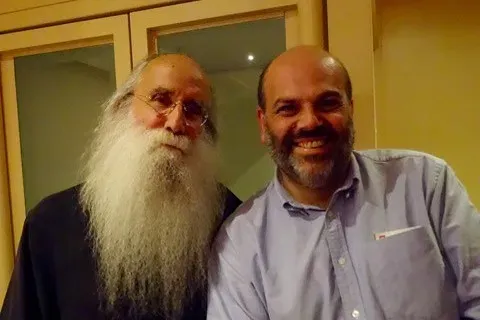
Leland Sklar’s beard and glasses became almost as recognizable as his playing once fans started paying attention to who was actually on their favorite records. He built his reputation in the 1970s playing bass for James Taylor, and that work opened doors to sessions with Phil Collins, Toto, and countless soft rock and pop acts that defined FM radio for a generation. His playing style favors melodic support over flash, which is exactly why producers kept calling him back.
Sklar has talked openly in interviews about the sheer number of album credits he has racked up, often citing figures in the thousands when discussing his career. Beyond the studio, he has remained visible through YouTube discussions of gear and technique, introducing his older work to younger musicians who grew up long after the original records charted. Few bassists have managed to stay this relevant across five different decades of changing musical taste.
Jim Keltner: the drummer trusted by rock royalty
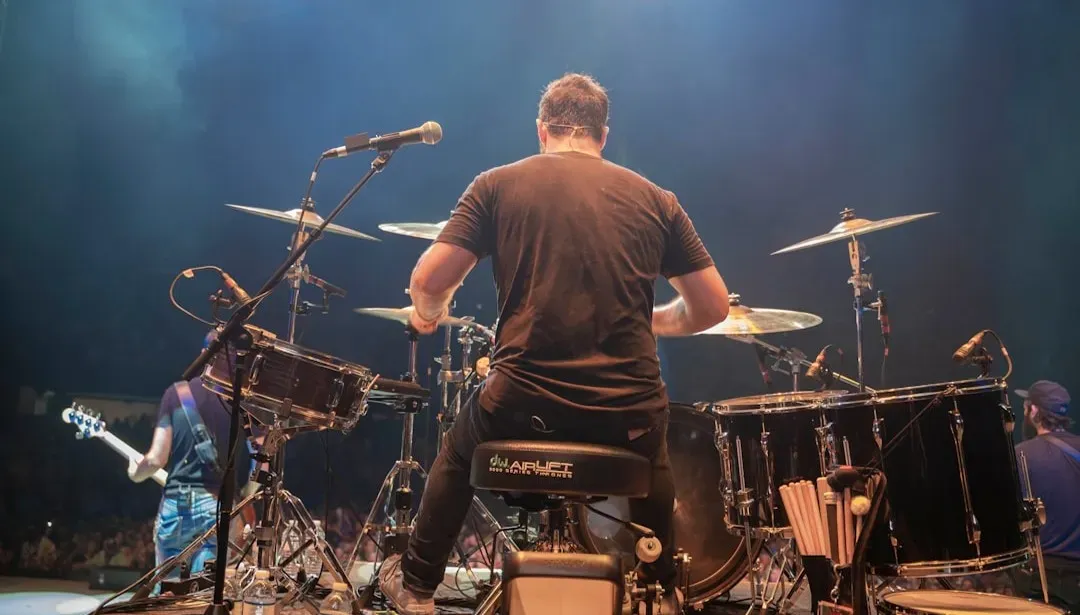
Jim Keltner built a reputation as the drummer artists called when they needed feel over flash, and his resume includes work with three of the four former Beatles as solo artists. He played on sessions with John Lennon, George Harrison, and Ringo Starr, along with extensive work alongside Bob Dylan and Eric Clapton. His touch is understated by design, which is part of why producers trusted him with material that needed restraint rather than showmanship.
Keltner also became a fixture of the Los Angeles studio scene through his work with Little Village and the loose network of players who moved between rock, folk, and blues sessions in the 1970s and beyond. He has continued working into recent years, appearing on records by artists spanning multiple generations. His career is a reminder that longevity in session work often comes down to knowing exactly when not to play.
Waddy Wachtel: the guitarist who shaped the sound of Los Angeles rock
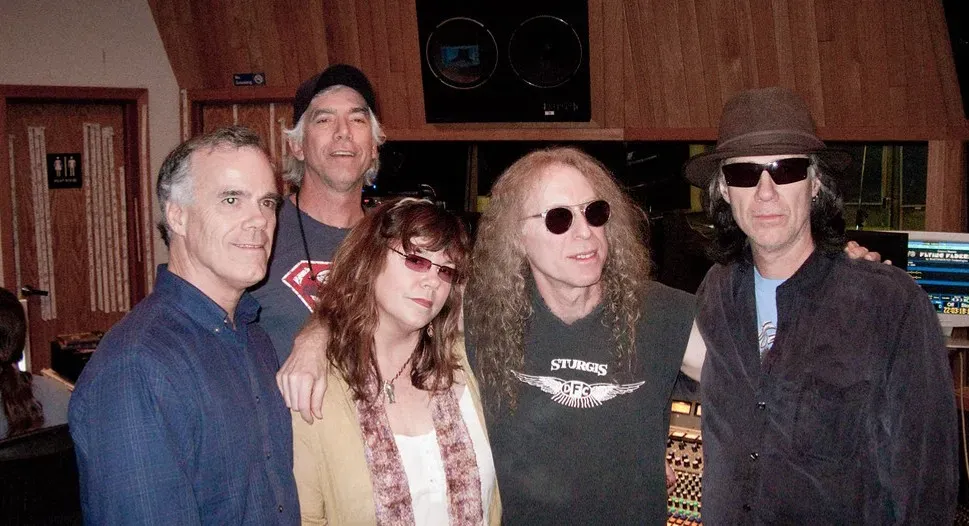
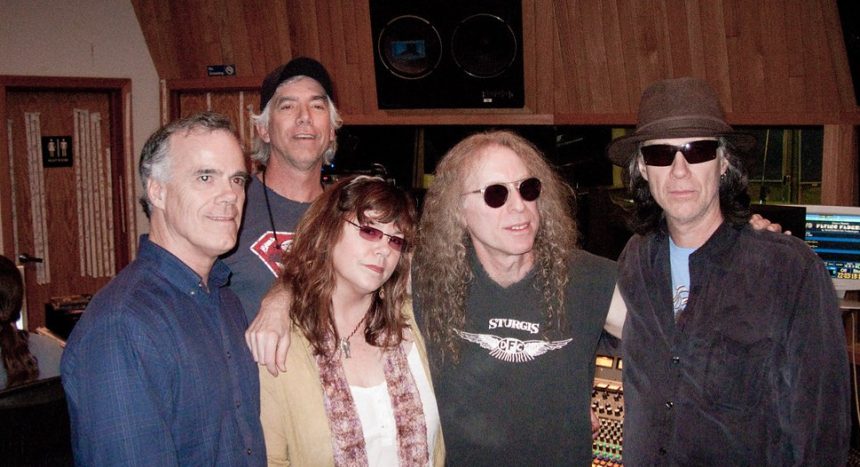
Waddy Wachtel’s guitar work runs through some of the defining Southern California rock records of the 1970s and 1980s, including extensive collaborations with Warren Zevon, Linda Ronstadt, and Stevie Nicks. His riffs and arrangements helped shape the polished but muscular sound that came to define a certain strain of American rock radio during that era. He also became a trusted bandleader and musical director, a role that extended his influence well beyond his own guitar parts.
Wachtel’s work with Stevie Nicks continued for decades, including her solo touring band, which speaks to the kind of long term trust these relationships require. He has also worked extensively with Keith Richards outside the Rolling Stones, further cementing his reputation among rock’s most demanding guitarists. Unlike some session players who stayed strictly behind the scenes, Wachtel became a recognizable name among serious rock fans even without chasing solo stardom.
Chuck Rainey: the bassist who defined groove for a generation of soul and jazz records
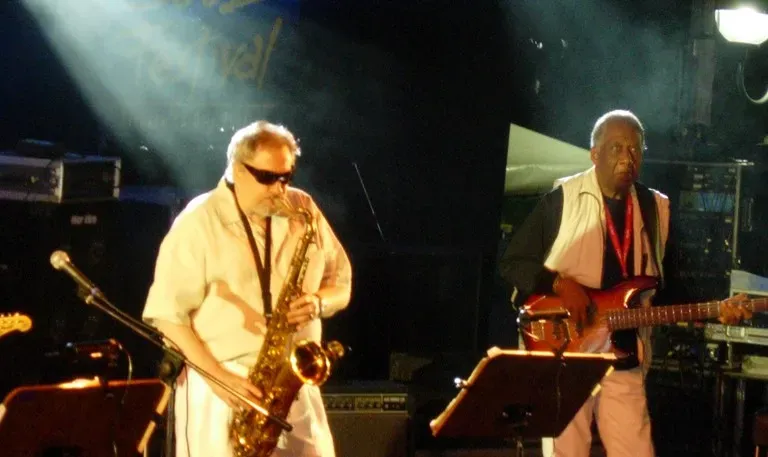
Chuck Rainey’s bass lines helped define the sound of soul, funk, and jazz fusion records throughout the 1960s and 1970s, with credits spanning Aretha Franklin’s classic Atlantic recordings and later work with Steely Dan. His playing on Steely Dan’s more polished studio material helped establish the smooth, technically demanding groove that band became known for. Rainey’s approach balanced funk with jazz precision in a way that influenced generations of bassists who came after him.
He also worked extensively in the New York studio scene, contributing to countless R&B and soul sessions during a period when that city rivaled Los Angeles for session work. Rainey later became a respected educator, publishing instructional material that passed his approach on to younger musicians. His fingerprints are on records that many listeners associate purely with the featured artist, never realizing a single bassist connected so many of them.
Bob Babbitt: the second great bassist of the Motown sound
Bob Babbitt joined Motown’s Funk Brothers as the label’s operations expanded and James Jamerson’s workload grew too large for one player alone. Although other prominent, talented bassists worked with Funk Brothers and appeared on Motown tracks, notably Bob Babbitt and Eddie Watkins, the bass player on nearly all of the number one Motown songs was Jamerson, which gives a sense of just how dominant Jamerson was even with talented backup like Babbitt in the room. Still, Babbitt’s own contributions to the Motown catalog and later Philadelphia soul sessions were substantial in their own right.
Babbitt eventually moved beyond Motown to work extensively in the Philadelphia soul scene, contributing to hits during that genre’s commercial peak in the 1970s. His playing helped bridge the gap between the Detroit sound that defined the previous decade and the smoother, string laden soul productions that followed. Like many of his peers, his name remained largely unknown to casual listeners despite the scale of his contribution to the era’s biggest records.
David Hood: the bassist behind the Muscle Shoals sound
David Hood anchored the Muscle Shoals Rhythm Section, the group of session musicians working out of a small Alabama studio that somehow produced an outsized share of soul and rock hits during the late 1960s and 1970s. As the house bassist, Hood’s playing appears on records by Aretha Franklin, Wilson Pickett, and later a wide range of rock acts who traveled south specifically to record with the Muscle Shoals players. The rhythm section’s reputation grew large enough that artists including the Rolling Stones made the trip to work with them directly.
Hood’s steady, pocket focused playing became a defining element of what people now simply call the Muscle Shoals sound, a warmer and more soulful counterpoint to the tighter, more polished Motown approach happening simultaneously in Detroit. He continued working as a session musician for decades, and the broader Muscle Shoals story was documented in the well received 2013 film “Muscle Shoals,” which introduced the rhythm section to audiences who had never heard their names before. His son Patterson Hood later carried a version of that same Alabama musical lineage into his own career fronting Drive By Truckers.
Twelve names, hundreds of thousands of studio hours, and a shared trait running through all of them: an almost total absence of ego about their own visibility. These are the players who showed up, found the right part in a few takes, and let someone else’s face end up on the album cover. The next time a familiar bass line or drum fill catches your attention on an old favorite, there’s a decent chance one of these twelve people put it there.Partner offer
Planning a trip to Vegas?
Compare hotel rates and show tickets on VEGAS.com.