


There’s a particular kind of disorientation that comes with rewatching the cartoons you loved as a kid. The colors are the same. The theme songs are exactly as you remembered. What’s different is you. Suddenly the jokes don’t quite land the way they used to, and something else is sitting in their place – something heavier, stranger, and genuinely unsettling.
Anyone who’s revisited classic cartoons from their childhood can confirm how often jokes sail right over kids’ heads, only becoming apparent upon re-watching as adults. These seven shows are prime examples. Some were always darker than they let on. Others hid it well. All of them hit differently the second time around.
1. Courage the Cowardly Dog (1999–2002)

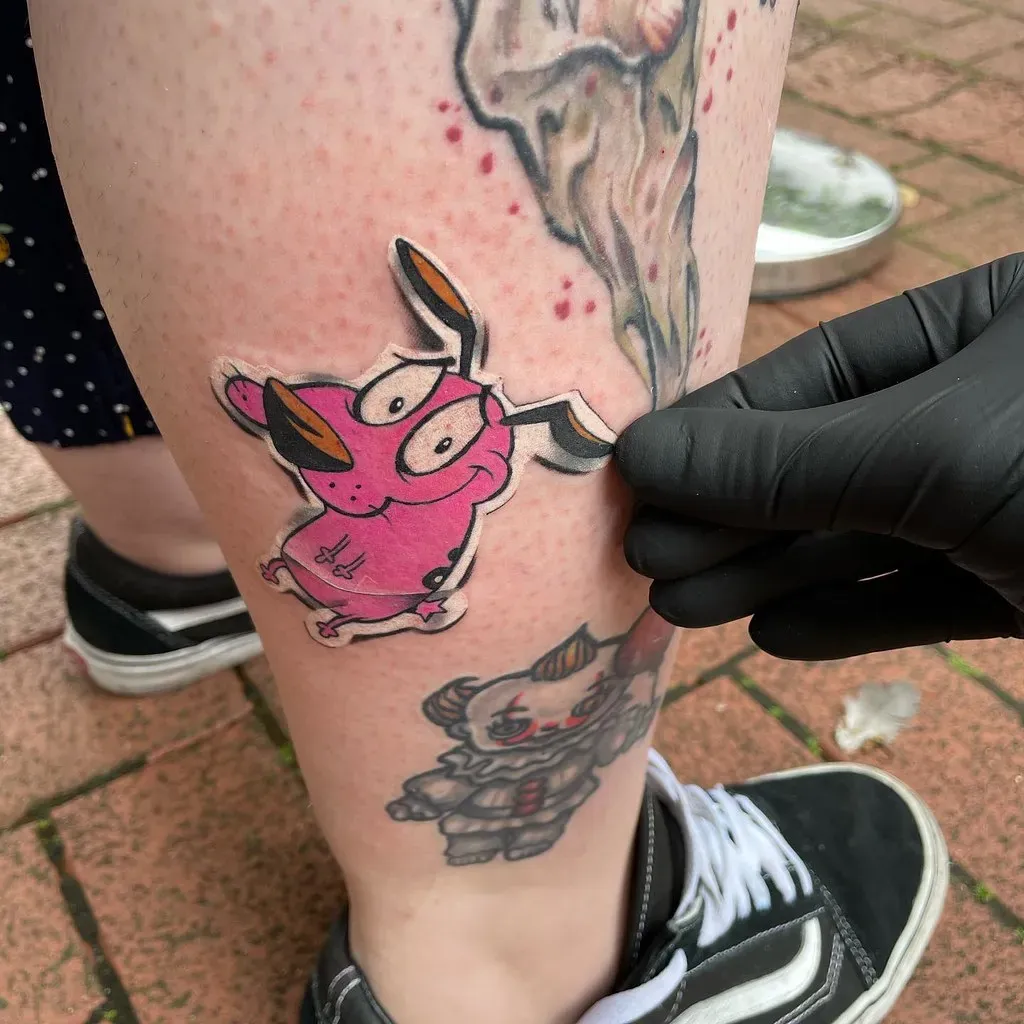
Since Courage the Cowardly Dog premiered in 1999, the show has filled our daydreams and nightmares with terrifying imagery and existential dread. Set in the middle of Nowhere, Kansas, Courage follows a little purple dog as he tries to protect his owners, Muriel and Eustace Bagge, from the dangerous forces that threaten their isolated farmhouse. As a kid, you just thought it was weird and a little spooky. As an adult, the isolation, the helplessness, and the recurring abuse Courage suffers at Eustace’s hands start to take on a much grimmer shape.
Parents note that while the show features a mix of heartwarming moments and horror, it often delves into dark themes, unsettling imagery, and inappropriate language. Many warn that the disturbing content can impact children’s perception of violence and abuse. A lot of times, the show is so chock-full of disturbing content and imagery that it would have been a good fit on Adult Swim – which, notably, is exactly where it ended up airing in 2023.
2. The Ren & Stimpy Show (1991–1996)

Many fans of Nickelodeon tuned into Ren & Stimpy expecting a normal cartoon of the times, only to find one of the more cheerfully transgressive and subversive kids’ shows ever to air. The animation was vibrant, the stories intriguing as they were silly, and parts were almost unsettling – it was a show that attempted to teach no lessons while managing to make numerous children ask odd questions about what they’d seen. The gross-out humor was always there on the surface, but the real strangeness was underneath.
Many cartoons have some form of hostility or fighting, but for Ren and Stimpy, it’s hard not to think that they’re living in an abusive relationship. Known for its surreal animation style, Ren & Stimpy included intense visuals and occasional disturbing content. Several episodes included dark humor and suggestive dialogue. Some scenes were later censored for being too mature. While children watched it for slapstick, the tone was often more appropriate for adults.
3. Invader Zim (2001–2002)

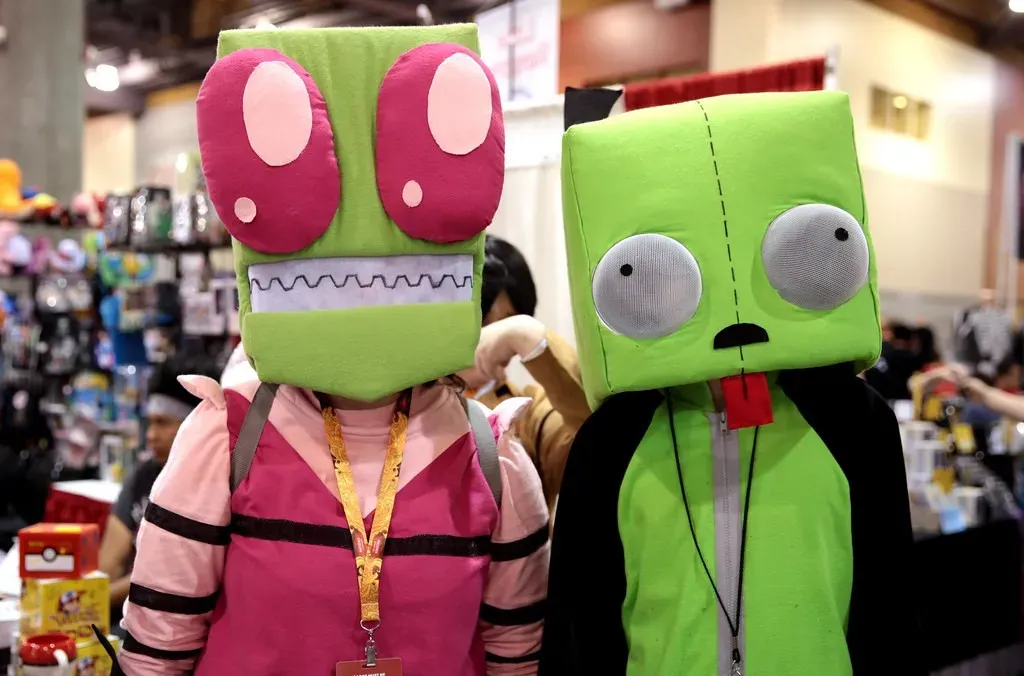
In 2001, a new series by comic book writer Jhonen Vasquez, Invader Zim, premiered. Unlike the bright shapes and rounded character styles of other cartoons, Invader Zim sported a much bleaker design aesthetic, full of sharp angles and jagged lines. Characters were either scrawny and gaunt, with creepy branchlike appendages, or obese and misshapen. The colors were gothic, full of blacks and greys and dark violets. That visual language alone should have been a warning sign that this wasn’t quite a normal kid’s show.
The dark world of Invader Zim – one in which children’s organs are harvested and characters are transformed into meat – is one ruled by petty distractions. In this world, everyone is easily duped and easily distracted, and because of that, everyone is doomed. Rewatching it as an adult, the cynicism about humanity feels less like a joke and more like a genuine worldview baked into every episode.
4. Rocko’s Modern Life (1993–1996)


Rocko’s Modern Life premiered in 1993, a brightly colored show teeming with loud, blown-out physical gags and mentally unstable anthropomorphized animals. Where Ren & Stimpy had a truly absurdist spin, Rocko’s Modern Life was always a zonked-out parody of a sitcom about contemporary American life. Rocko, a wallaby, gets caught up in the tricky affairs of modern living. What seemed like silly animal antics to a child reads as something far more caustic to grown-up eyes.
The cartoon featured exaggerated stories about adult problems like job loss, anxiety, and social pressure. Background details and dialogue sometimes included mature content, such as jokes about relationships and commercialism. The creators confirmed that many themes were intentionally geared toward older viewers. Despite its colorful animation, the show touched on real adult issues. The joke was always partly on the audience – it’s just that kids weren’t in on it yet.
5. Adventure Time (2010–2018)

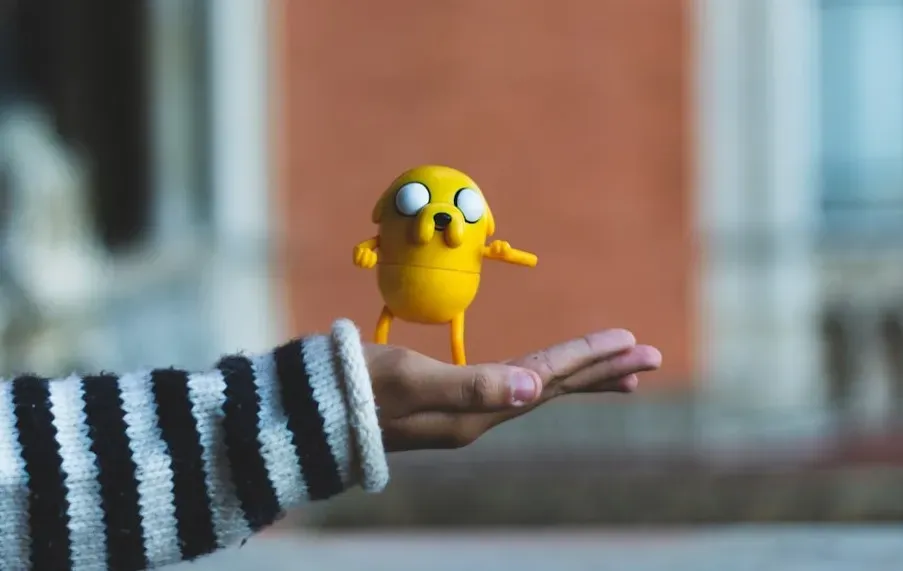
The show ran for 10 seasons from 2010 to 2018. Though its colors are bright and its mood is trippy, some of the themes it tackles are a little too heavy for children. Some of the show’s least comedic episodes cover mental health, phobias, breakups, war, greed, cruelty, existentialism, and dictatorship. That’s a remarkable list for a cartoon where most characters have names like “Princess Bubblegum.”
The lighthearted show became especially dark when it revealed the Ice King’s tragic backstory, and Marceline’s history of abandonment. Even the storylines could get terrifying, like the time Finn was tortured, Bubblegum got possessed, Marceline suffered from bloodlust, and a character jumped off a cliff during a police encounter. The reveal that the Ice King was once a loving, ordinary man slowly destroyed by a cursed crown is the kind of story that hits entirely differently at 30 than it does at 10.
6. Over the Garden Wall (2014)

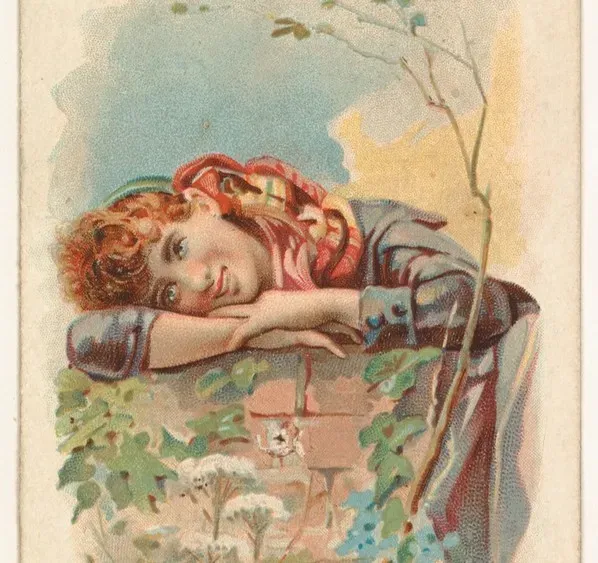
First airing on Cartoon Network over the course of five nights in November 2014, Over the Garden Wall is an autumnal cult classic from the mind of Adventure Time’s creative director, Patrick McHale, recounting the tale of two kid heroes, Wirt and Greg, and their pet frog as they desperately attempt to find their way home from a purgatory-like state called The Unknown. It looked like a charming folk tale with beautiful watercolor art. Adults who sat down to rewatch it started noticing something darker threading through every episode.
After mulling over the show’s episodic order and correlating themes, fans have noted that the latter nine episodes of Over the Garden Wall directly correspond to the rings of hell from Dante’s Inferno, from purgatory to treachery. The Beast acts as a Satanic figure corrupting those around him, and there is a darkness to the lessons in Over the Garden Wall that is not present in other children’s shows of its sort. That’s a lot to unpack from something that originally aired in a five-night block before bedtime.
7. Hey Arnold! (1996–2004)

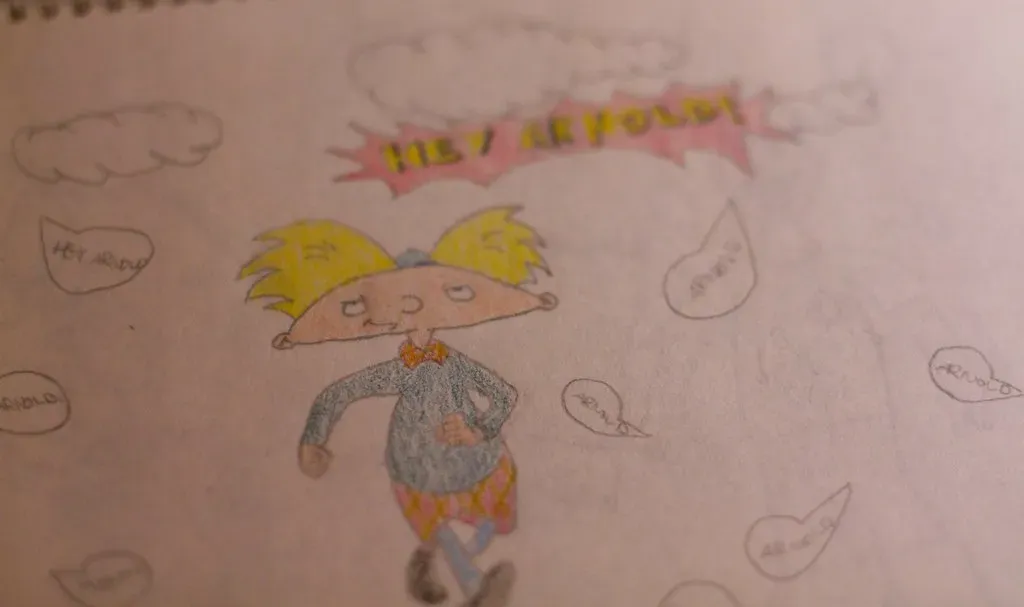
Hey Arnold! was an inspirational children’s show following the iconic Arnold as he taught the audience valuable moral lessons. However, despite the fact that this show was a great learning tool for kids, the storyline did occasionally get too dark. Though the episodes often had a good ending, some of them touched upon mature topics like mental health, war, poverty, and addiction. None of that registered as troubling when you were a kid watching it after school – it just felt like normal neighborhood stuff.
One character’s backstory is undeniably dark. Mr. Hyunh was separated from his little daughter 20 years prior when they were escaping Vietnam during the war, and there was only enough room on the helicopter for his daughter. This plot was equal parts beautiful and chilling. Hey Arnold! tackled themes like poverty, immigration, mental health, and broken families, exploring real-life struggles through the experiences of children in an urban setting. As an adult, those storylines aren’t just touching. They’re genuinely heavy in a way that children’s programming rarely is.
What’s worth noting about all seven of these shows is that their darkness wasn’t accidental. Creators have long recognized that older viewers and parents may tune in alongside children, opening opportunities for more layered storytelling. Likewise, certain animators and studios historically sought to slip subversive messages past censors, using the cartoon format as a kind of Trojan horse. The cartoons that age the best are rarely the purely safe ones. They’re the ones that had something harder to say, and trusted the animation to carry it quietly into your living room.


