Family crests look decorative at first glance. A shield, an animal or two, maybe a banner with a Latin phrase. Most people pass them by without a second thought. What they miss is that every element on those crests was chosen deliberately, layer upon layer of meaning pressed into a small, painted image that could survive centuries and wars and shifting borders.
Heraldry emerged in the 12th century as a practical identification system, but over time the symbols evolved, becoming rich in mythological and spiritual significance. The real story, though, is in what hides beneath the surface. Some of the most common symbols in heraldry carry meanings that most modern viewers would never suspect.
1. The Unicorn: A Declaration of Hidden Nobility


The unicorn is shrouded in myth and mystery, but in the world of family crests it carries a specific, loaded meaning. At first glance it stands for purity and virtue, but its deeper power is as a symbol of hidden nobility and secret royal blood. Families who displayed a unicorn were often signaling something they could not safely say outright.
By displaying a unicorn, some families hinted at ancient connections to kings and queens, or at a noble lineage kept hidden for generations. The unicorn’s elusive nature mirrors the secret histories of families who survived political intrigue or exile. In Scottish heraldry, the unicorn is a national symbol, further solidifying its ties to royalty.
2. The Chevron: Protection Built into the Design

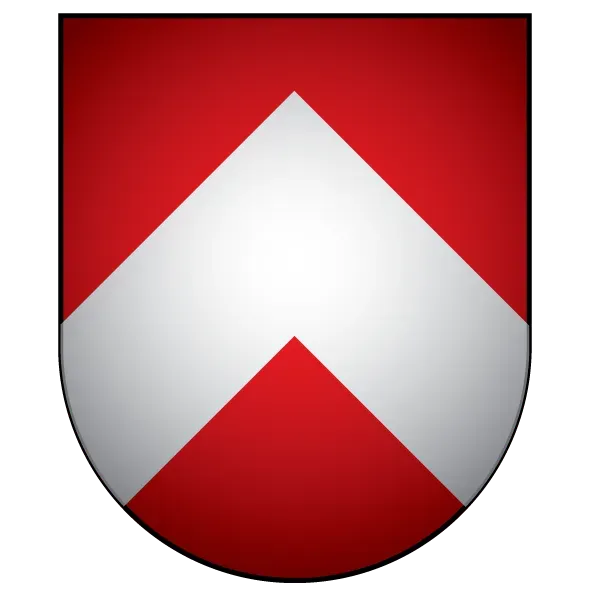
The chevron is one of the most recognizable shapes in heraldry, but few people realize its deeper meaning. It stands for protection and faithful service, echoing the roof of a house and the shelter it provides. It appears on crests across Europe with a regularity that makes it easy to overlook.
Geometric shapes and patterns in heraldry can denote various qualities. A chevron specifically suggests protection. The shape’s architectural origin is no accident. Medieval families who built or defended fortified structures would use it as a quiet marker of their role in keeping others safe, a civic duty encoded in geometry.
3. The Serpent: Wisdom, Not Danger

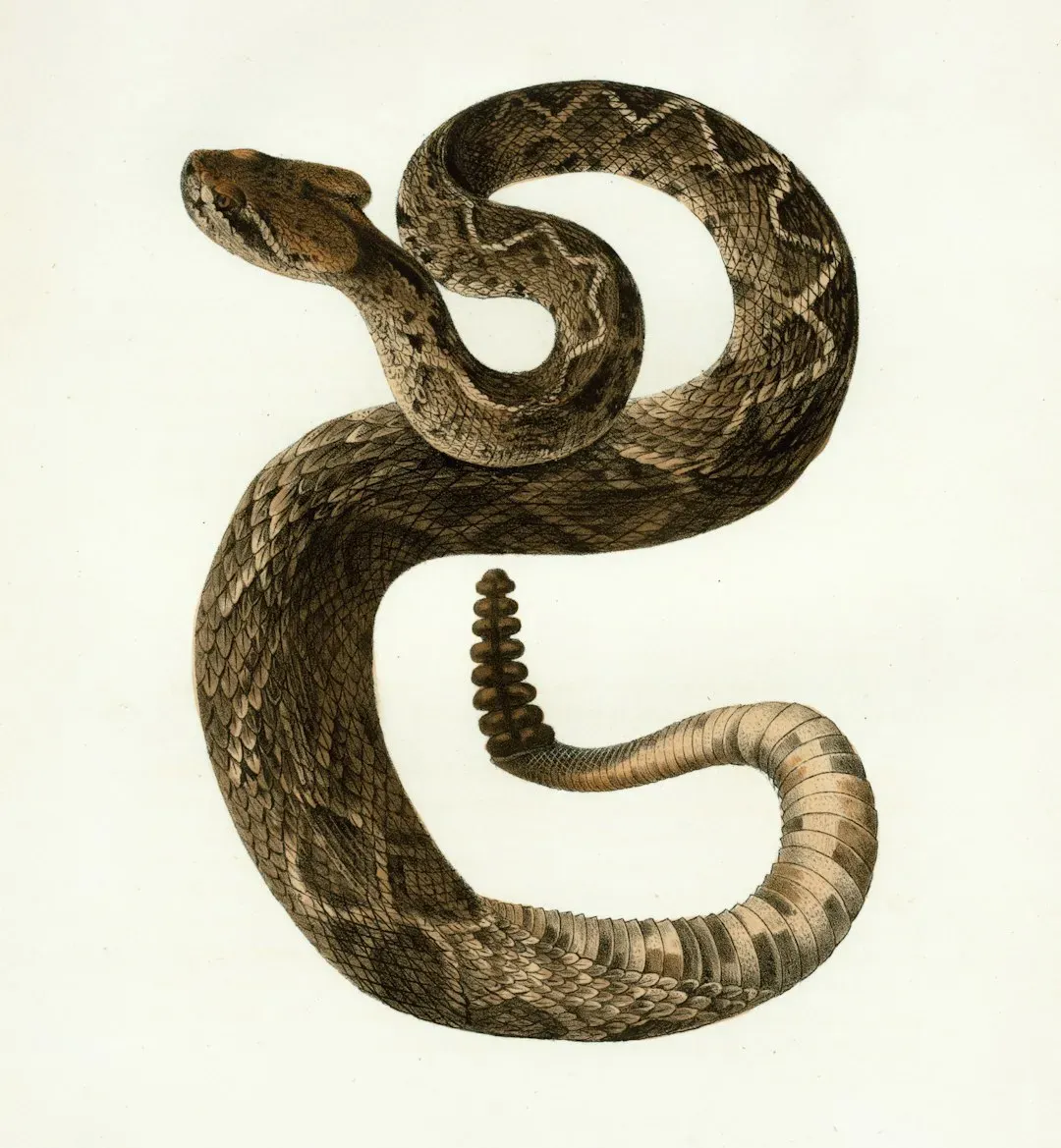
At first blush, the serpent or snake might seem sinister, but its meaning in heraldry is largely positive. It stands for wisdom, fertility, and the power of renewal, much like a snake shedding its skin for a fresh start. This symbol has ancient roots that predate heraldry by millennia, threading through Greek mythology and early Christian symbolism alike.
The serpent on a crest was not a threat display. It was a carefully chosen statement about knowledge and regeneration, qualities that families with intellectual or medical traditions wanted to pass down visually. Charges like these often hold personal or cultural significance and are chosen to represent the values, achievements, or history of the individual or family.
4. The Key: Guardians of Secrets and Sacred Spaces

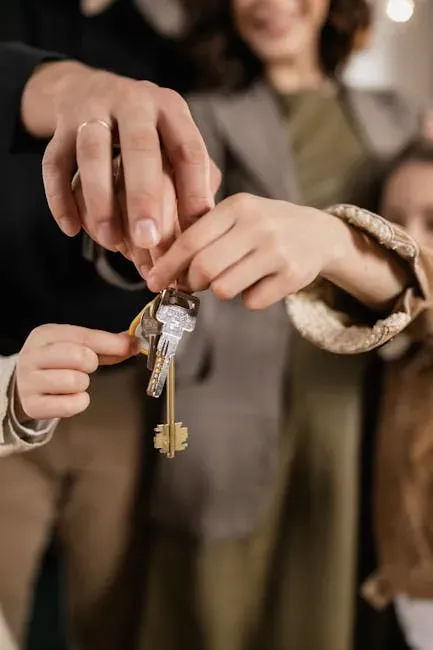
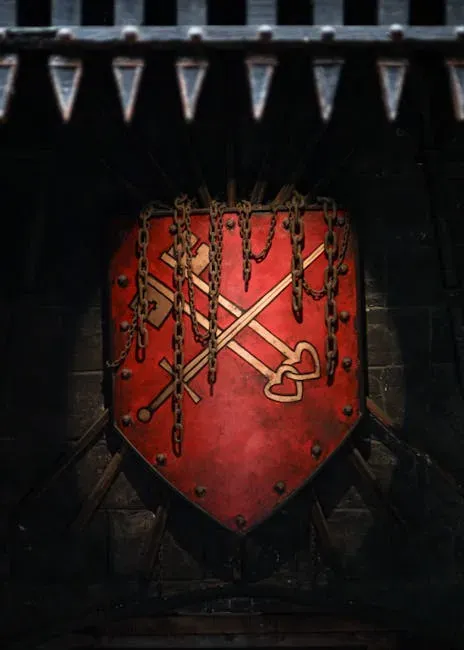
Keys in family crests are loaded with meaning. They symbolize guardianship, dominion, and authority over sacred or secret knowledge. In some crests, keys are crossed, suggesting the family held important responsibilities, such as safeguarding a castle or a treasury.
Their presence can also hint at a role in religious orders, as keys are strongly associated with Saint Peter and the Vatican. Families who display keys in their crests are quietly declaring their trustworthiness and the vital secrets they protect. It’s a remarkably compact way to say a great deal about a family’s place in both secular and sacred life.
5. The Stag: Peace, and the Right to Hunt


The stag or deer is a gentle symbol of peace and harmony, but there’s more to it than meets the eye. In many crests, the deer hints at a family’s skill as hunters or their close relationship with nature, especially in Celtic regions. Across medieval Europe, hunting rights were tightly controlled by royal decree. To display a stag was, in effect, to broadcast that your family had earned or been granted those rights.
Lions symbolize bravery, eagles represent strength, and stags signify peace and harmony according to traditional heraldic readings, though the stag’s full meaning ran considerably deeper in practice. For Celtic families especially, the deer was tied to ancient ideas about the natural world, land stewardship, and a kind of spiritual kinship with the forest.
Partner offer

6. The Sword: Justice, and What Lies Beneath It

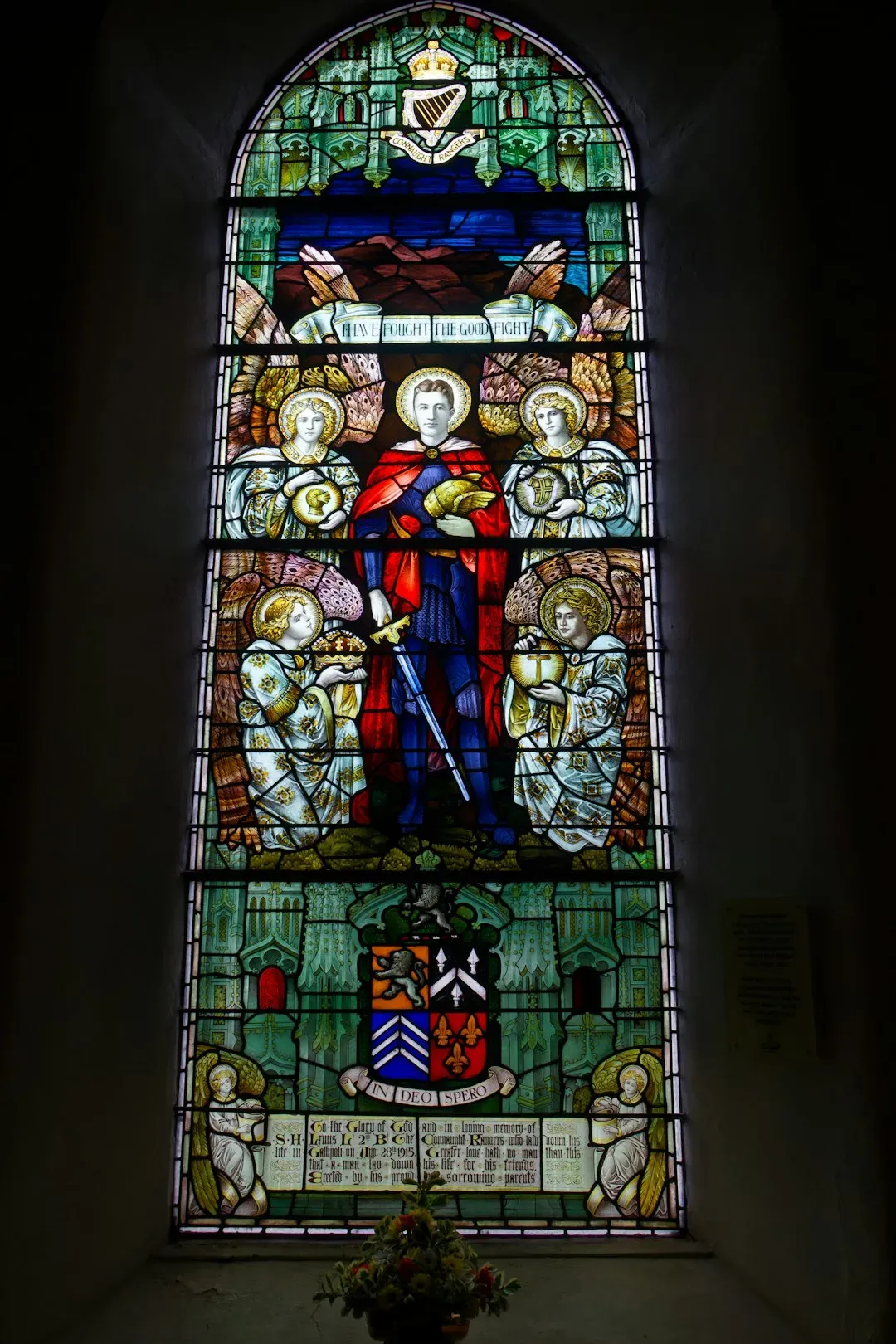
Swords and daggers in family crests are more than weapons. They’re symbols of justice, honor, and sometimes secret service. Often, these blades are artfully hidden in the background or incorporated into other designs, signaling a history of covert action or military distinction.
For families with ancestors in the military, a sword or dagger could serve as a reminder of campaigns fought and victories won. The blade’s point upward often means readiness to defend, while downward can indicate peace or a life after battle. The orientation was deliberate. Families who had laid down arms following a notable victory would sometimes display a downward sword as a kind of quiet statement, not defeat, but chosen peace.
7. The Griffin: Valor Combined with Vigilance

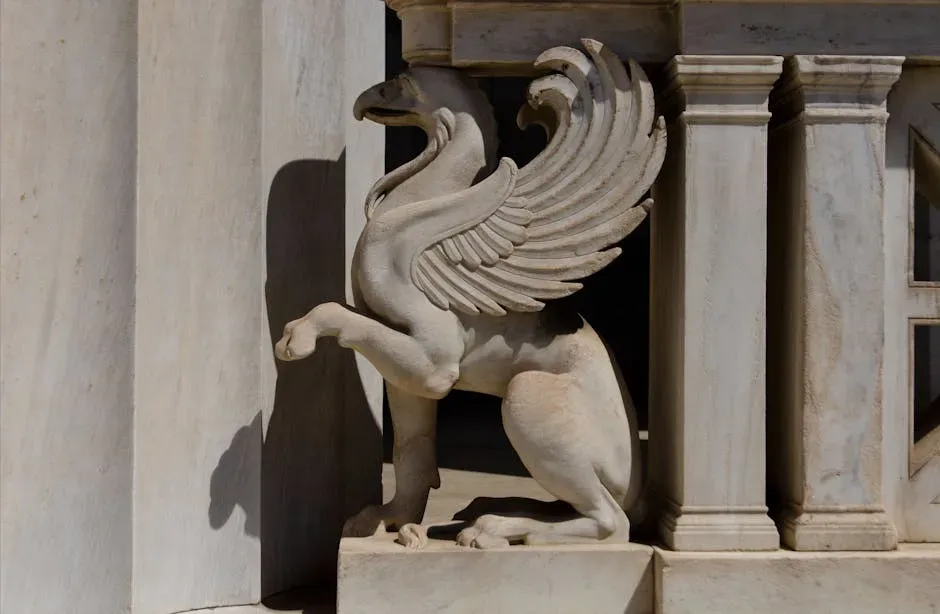
The griffin, with the head, wings, and talons of an eagle combined with the body of a lion, represents valor and death-defying bravery, as well as vigilance. It is one of heraldry’s most composite creatures, drawing together the two most powerful animals of the medieval symbolic world into a single form.
What made the griffin particularly significant was that it wasn’t simply a symbol of strength. The vigilance aspect was equally important. Crests and their symbols were granted by rulers and kings to families of influence under their reign, and the images were sometimes conferred to let everyone know about a job well done. A griffin on a crest often meant the family had not only fought well but had stayed watchful when others had not.
8. The Heart: Courage Carried Across Generations

In heraldry, the heart represented sincerity, charity, and courage. The Douglas family of Scotland bore a crowned red heart on their arms, symbolizing the heart of Robert the Bruce carried on crusade. That specific story gave the heart on a Scottish crest a weight that went well beyond romantic association.
The heart is one of those symbols that looks straightforwardly emotional but carries layers of political and devotional meaning in a heraldic context. For families tied to religious pilgrimages or military campaigns fought under spiritual conviction, the heart was a way of memorializing a sacrifice that words alone could not fully capture. Rare heraldic symbols are history encoded in images. Families chose them to tell the world who they were, and those choices still speak centuries later.
9. Chains: Loyalty Stronger Than Stone

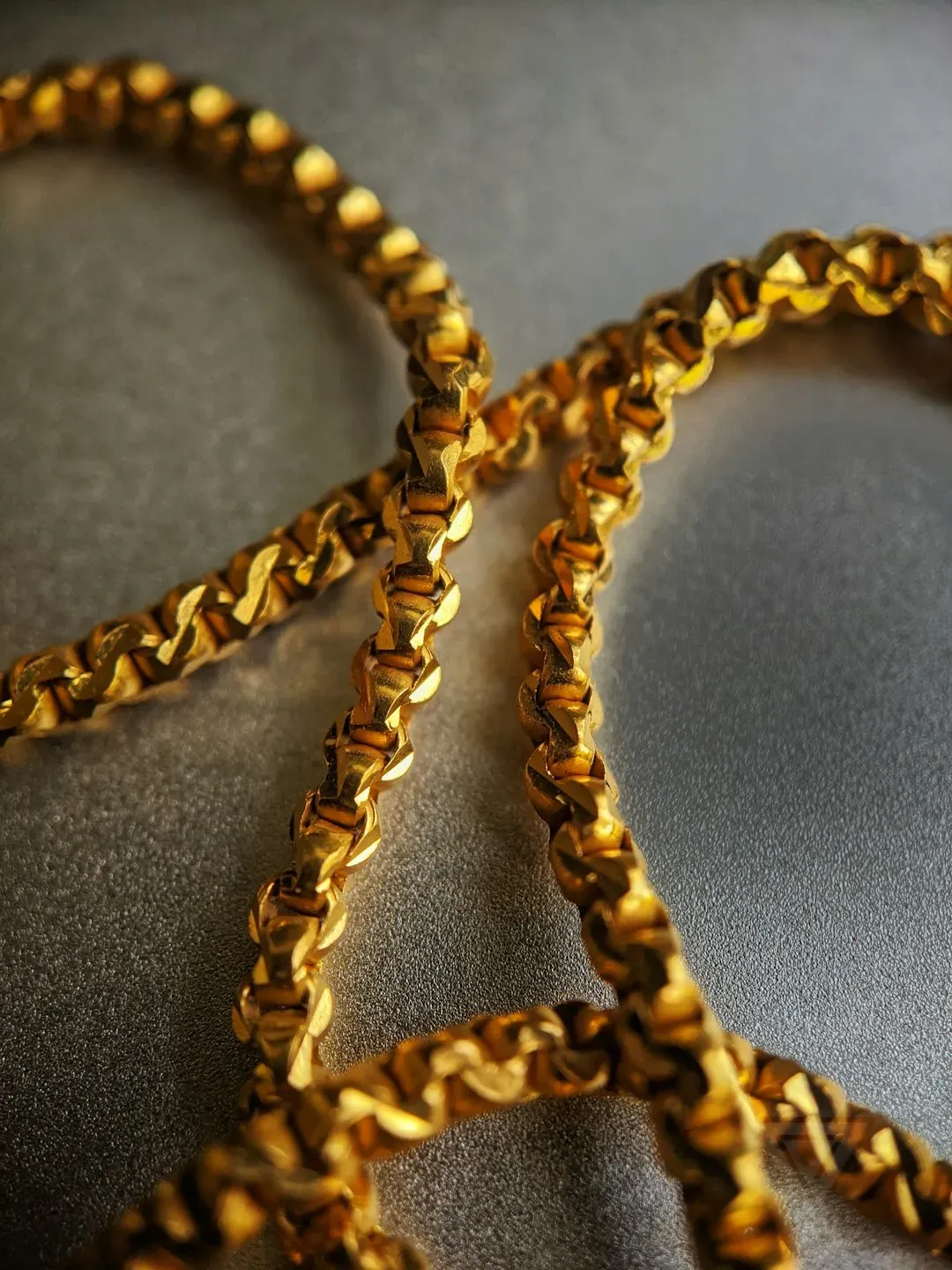
Chains might not sound glamorous, but in heraldry, they symbolize loyalty, strength, and being bound by honor. The chain is one of those symbols that strikes modern viewers as odd, even grim. In the medieval world, though, a chain was as much about chosen allegiance as it was about captivity.
The Kingdom of Navarre in Spain famously used golden chains on a red background, representing unity after a major battle. In family crests, chains speak to loyalty, service, and unbreakable bonds. Sometimes they’re hidden in armor or woven into the background, a subtle nod to a family’s dedication and steadfastness. The subtlety of where chains were placed mattered too. Woven into the edges of a design, they functioned almost as a signature of sworn service.
10. The Ermine Pattern: Dignity Hiding in Plain Sight

Ermine, the white-with-black-spots pattern, is more than a color. It is a pattern that symbolizes dignity and nobility, often used to denote purity and innocence, as well as a high standing in society. Most people recognize the spotted fur from royal portraits and robes, but when it appears on a family crest it carries an additional layer of coded meaning.
Coats of arms may feature patterns called furs. The two most common furs are ermine, which represents dignity and nobility, and vair, a pattern that symbolizes humility and a willingness to serve. A family displaying ermine was making a claim about their moral standing as much as their social one. It was a quiet assertion that their lineage was not merely powerful but righteous, a distinction that mattered enormously in a world where legitimacy was everything.
What makes family crests genuinely fascinating is that they were never meant to be passive decoration. The meanings in heraldry often depend on context and subjective interpretation, and like a secret visual code, coats of arms beckon viewers to decipher personal meanings and add layers to the existing symbolism. Every creature, geometric shape, and color was a deliberate choice made by people who wanted their values and history to outlast them. That they largely succeeded is its own kind of remarkable.
Partner offer
Planning a trip to Vegas?
Compare hotel rates and show tickets on VEGAS.com.