Child stardom has a reputation for financial disaster, and for good reason. Decades of cautionary tales, from mismanaged trust funds to parents who spent first and asked questions later, shaped the public’s assumption that early fame usually ends in later poverty. Yet a smaller, quieter group of former child performers took a different path. They treated their early earnings as a foundation rather than a windfall, built businesses around their fame, and in several cases turned childhood paychecks into fortunes that dwarf what they ever made on set. Here are seven who got it right.
1. Daniel Radcliffe


Long before he turned eighteen, Daniel Radcliffe’s parents set up a private investment company, Gilmore Jacobs Ltd, to manage the money flowing in from the Harry Potter franchise. His earnings were managed wisely from the start, as his parents, both industry veterans, established a trust to shield the young actor from tax pitfalls and impulsive spending. By the time he turned eighteen in 2007, he was already estimated to be worth over $30 million, making him the richest teenager in England at the time.
What sets Radcliffe apart is how little he’s changed his habits since. His wealth is still managed through the family investment firm Gilmore Jacobs Ltd, which held over £96 million in assets according to 2025 and 2026 filings. Rather than chasing flashy assets, he holds roughly 5 percent of his net worth in real estate, far below the 50 percent typical for celebrities at his tier, and holds almost no private investments or operating businesses. That conservative approach has paid off in steadiness rather than spectacle.
2. Emma Watson


Watson’s financial story reads less like a Hollywood cautionary tale and more like a case study in delayed gratification. While her Harry Potter salary made her wealthy in her teens, she chose to pause her film career at the height of her fame to attend Brown University, trading blockbuster paychecks for a degree in English literature. That decision cost her short-term income but gave her a level of career control that few former child actors ever secure.
Since graduating, she has been selective about roles, taken on producing credits, and kept her business dealings largely private, avoiding the kind of public financial disputes that have plagued other former child stars. Watson has also spoken publicly about preferring understated living over visible extravagance, a habit that has helped her wealth grow quietly rather than dramatically. Her approach shows that protecting a fortune sometimes means slowing down, not speeding up.
3. Elijah Wood

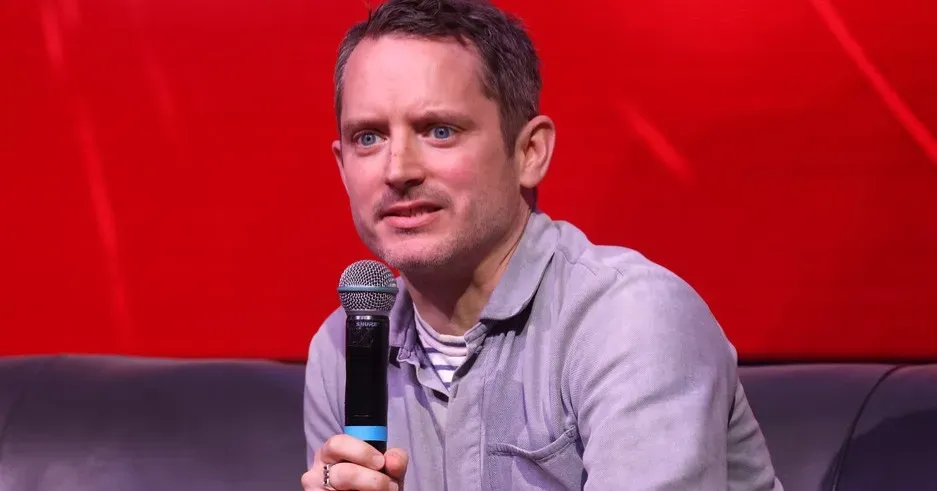
Elijah Wood’s earnings from The Lord of the Rings trilogy could easily have funded a lifestyle of excess, but he chose to reinvest much of it into building things rather than buying things. He co-founded the production company SpectreVision, which has backed independent and horror films, giving him an ownership stake in a working business rather than a pile of depreciating assets. He also started the record label Simian Records, turning a personal interest in music into another income stream.
Wood has largely stayed out of the tabloid financial spotlight that follows many former child actors, which is itself a sign of stability. Instead of one blockbuster franchise defining his entire financial picture, he spread his career and his money across acting, producing, and music, a diversification strategy that has kept him working steadily well into adulthood. It’s a quieter kind of wealth protection, built on staying busy and staying invested rather than staying visible.
4. Ron Howard

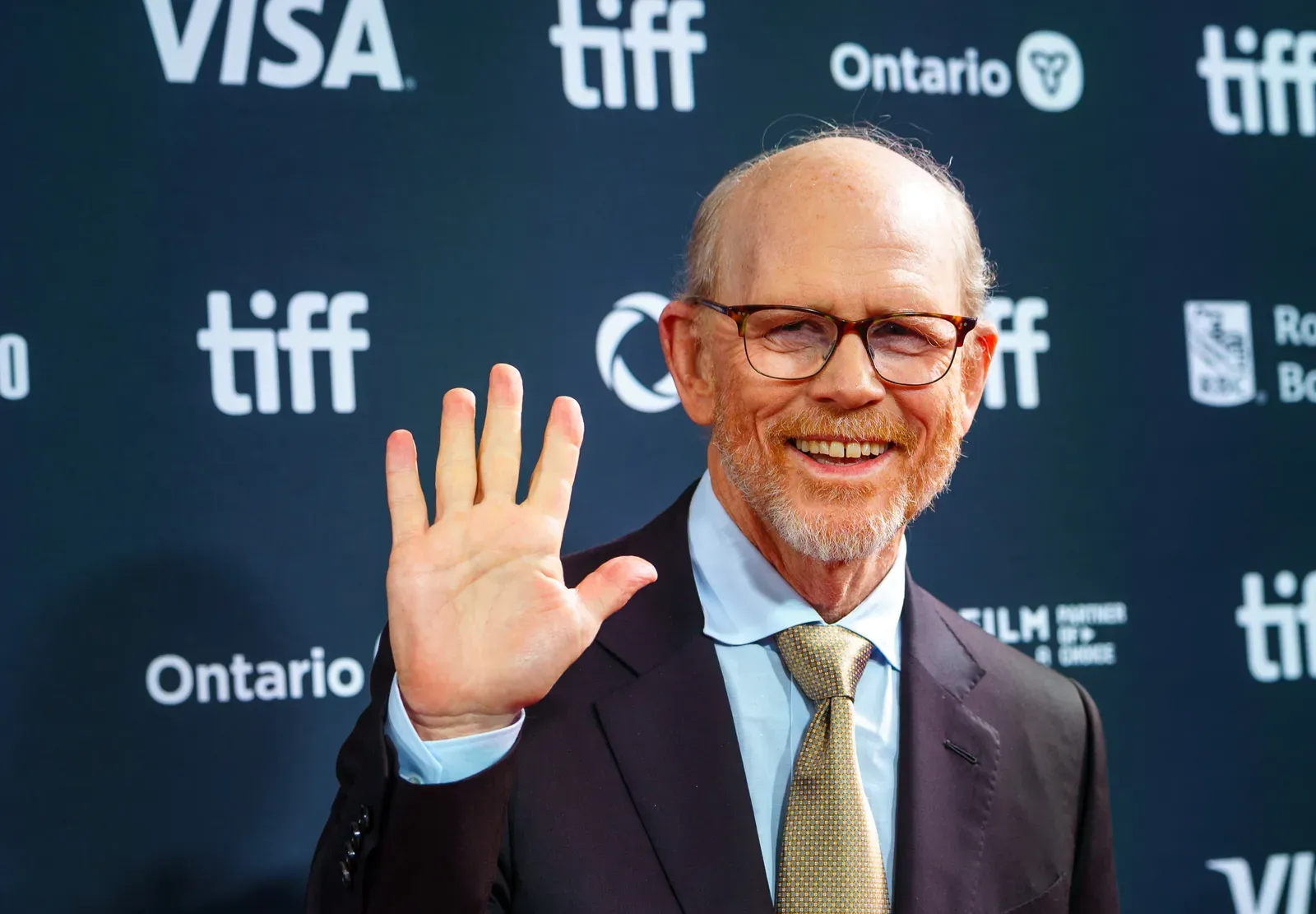
Ron Howard’s path from child actor to mogul is arguably the most complete transformation on this list. He made his film debut at eighteen months old in Frontier Woman, and the family needed the paycheck. That early exposure to the realities of an unpredictable industry seems to have shaped a career built on stability rather than one big score.
Together with writer and producer Brian Grazer, he co-founded Imagine Entertainment in 1986, and the company has since become one of Hollywood’s most durable production houses. Imagine Entertainment was valued at $600 million to $800 million as of 2022, and in 2016 the company landed a $100 million investment from the Raine Group. Ron Howard has an estimated net worth of $200 million, drawn from directing, producing, acting, his production company, and real estate investments.
5. Jodie Foster

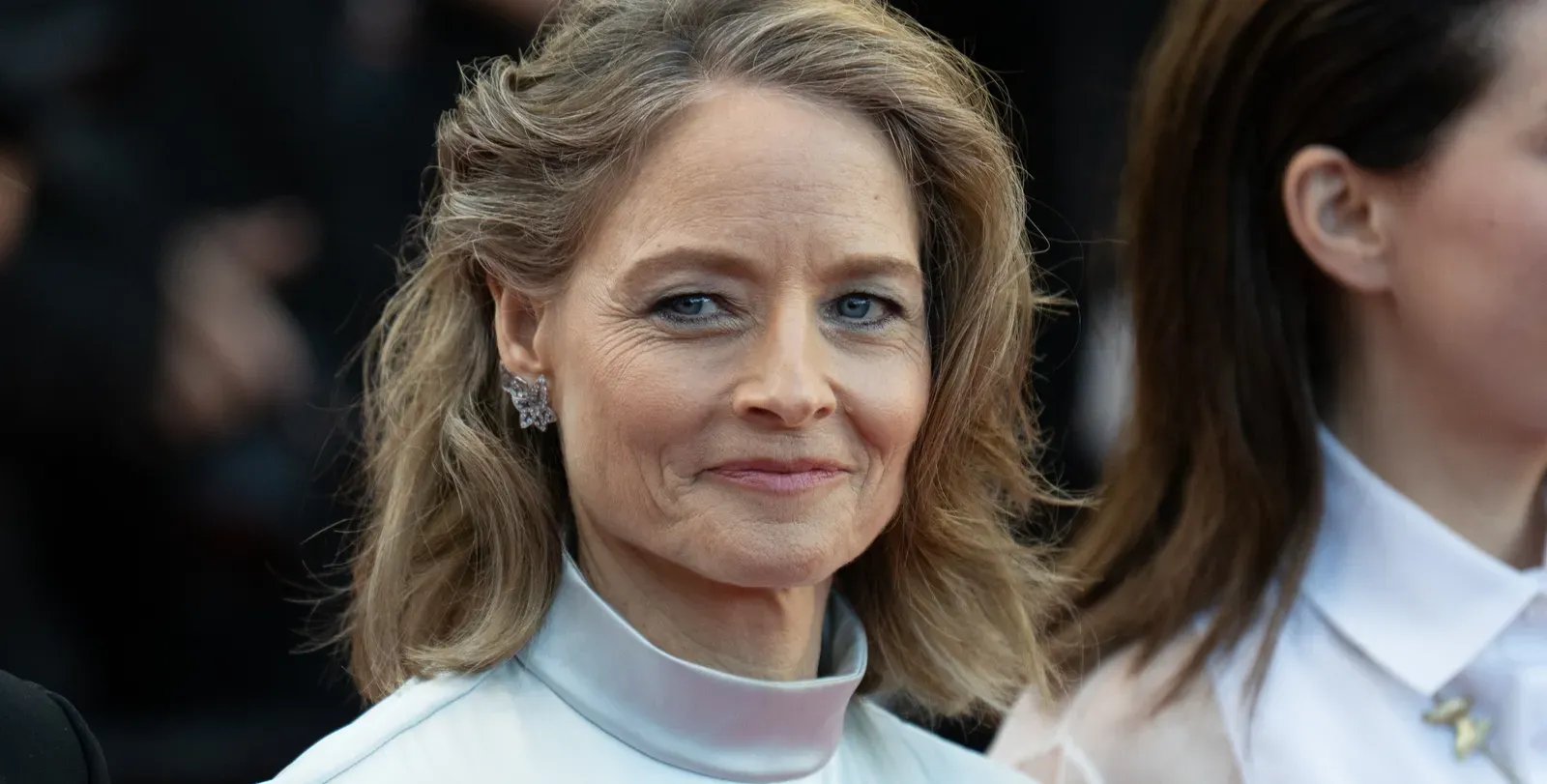
Jodie Foster began acting as a young child and won her first Academy Award nomination as a teenager for Taxi Driver, yet she never let her career define the entirety of her identity or her finances. She enrolled at Yale University at the height of her fame, graduating with a degree in literature while continuing to work selectively in film. That balance between education and career gave her leverage that many child stars never develop, letting her choose projects rather than take whatever paid the bills.
Foster later expanded into directing, giving her another revenue stream and creative control beyond acting roles alone. Her career has spanned six decades without the public financial turmoil that derailed peers from the same era of Hollywood. She has largely kept her business affairs private, but her steady work pace and shift into behind-the-camera roles suggest a deliberate, long-term approach to sustaining wealth rather than relying on any single payday.
6. Selena Gomez


Selena Gomez spent her Disney Channel years building the kind of visible, mainstream fame that often fades once child performers age out of family programming. Instead, she used that platform as a launching pad rather than an endpoint. In September 2024, Bloomberg added her to its Billionaires Index at $1.3 billion, driven not by music tours or acting paychecks but by Rare Beauty, the cosmetics brand she launched in 2020 that now carries a $2.7 billion valuation.
The numbers show just how deliberate the shift was. By 2019 her net worth was estimated at $75 million, a solid but unremarkable figure for a star of her profile, but by 2022 estimates had pushed to $500 million, and by 2024 she had crossed into billionaire territory on Bloomberg’s index. Forbes has offered a more conservative estimate, disputing her ten-figure status in a May 2025 report and estimating her worth at roughly $700 million, but even the lower figure represents a fortune built almost entirely through ownership rather than performance fees.
7. Mary-Kate and Ashley Olsen


The Olsen twins turned their Full House salaries into seed capital for one of the more unusual business trajectories in Hollywood. Full House salaries reportedly grew from $2,400 per episode to $80,000 by the series finale, while the Dualstar direct-to-video empire generated a parallel revenue stream from licensing, merchandise, and distribution, with a Walmart fashion line adding further retail income. By the time they enrolled at NYU in 2004, the twins had already built a self-sustaining financial foundation that required no further entertainment income to maintain.
They didn’t stop there. In 2006, they launched The Row, a minimalist luxury label that avoided trading on their celebrity image and instead built credibility through design. In September 2024, they sold a minority stake in The Row at a valuation of $1 billion, with investors including the Wertheimer family, heirs to the Chanel empire, and Francoise Bettencourt Meyers, heir to the L’Oreal empire. Today the Olsen twins have a combined net worth of $1 billion, a figure built almost entirely on business ownership rather than residual acting income.