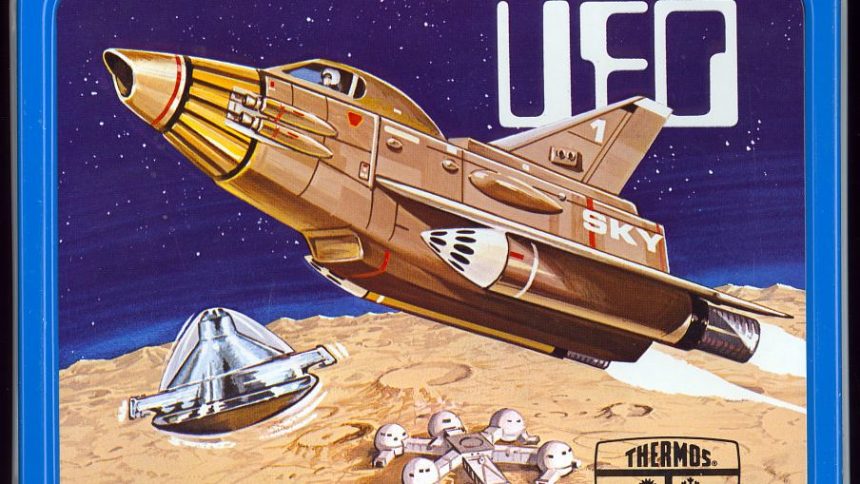
There is something almost magical about a beat-up metal lunchbox. It is not just a container for your sandwich. It is a time capsule. A small rectangular window into who you were at age seven, what you watched on Saturday mornings, and how badly you wanted to fit in at the cafeteria table.
From the cowboy craze of the early 1950s all the way through the pop culture explosion of the 1980s, the lunchbox quietly became one of the most powerful cultural artifacts of American childhood. Honestly, no other item you owned said more about you than the box you carried to school. So let’s dive into seven of the most iconic ones, and see if any of them spark a memory.
1. The Hopalong Cassidy Lunchbox (1950): Where It All Began

If you want to understand why lunchboxes matter, start here. The modern era of licensed-character marketing began in 1950, when Aladdin Industries of Nashville released a lithographed steel lunchbox and matching thermos featuring the TV cowboy Hopalong Cassidy. It was a genuinely revolutionary moment for kids’ merchandise.
This heavy-gauge steel lunchbox was made by Aladdin Industries in 1950 and was the first lunchbox to bear a licensed image, helping Aladdin launch a new product line that would last for decades. Think about that. One cowboy changed everything.
The Hopalong Cassidy lunchbox was a hit for Aladdin Industries, with unit sales increasing in just one year from 50,000 to 600,000. That kind of sales surge is almost unheard of for a single product in a single year. In 1950, more than 100 companies manufactured $70 million of Hopalong Cassidy products, including children’s dinnerware, pillows, roller skates, soap, wristwatches, and jackknives. Hoppy was not just a TV character. He was an entire economy.
Aladdin Industries first produced what we now know as the traditional square-shaped metal lunchbox with its collapsible handle in 1950, featuring an image of cowboy hero Hopalong Cassidy, and this release is what many consider to be the beginning of the Golden Age of lunchboxes.
2. The Roy Rogers Lunchbox (1953): The King of the Cowboys Strikes Back
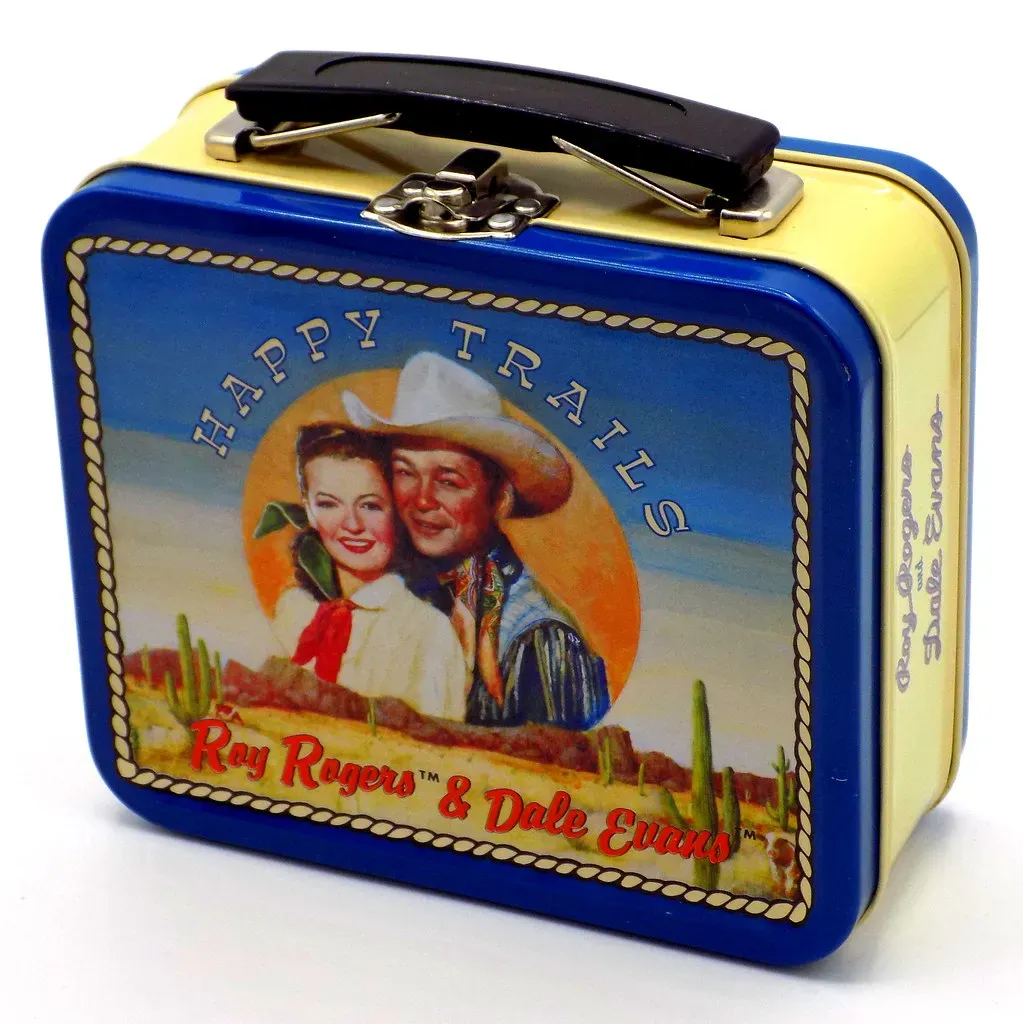
In 1953, American Thermos, Aladdin’s chief competitor, introduced the Roy Rogers box in full-color lithography. Let’s be real, this was a direct response to the Hopalong Cassidy phenomenon. Competition was fierce, and Roy Rogers was more than ready to ride in.
In 1953, King-Seeley sold two and a half million Roy Rogers lunchboxes. The increased popularity can be traced to the vivid, full-color lithographed images on every side of the lunchbox, starring not only Roy but also his compatriots Dale Evans and Trigger. Full color, on every single side. That was a huge deal at the time.
In the 1950s, ’60s, and ’70s, the predominant genre on television was the Western, and among the most popular was “Bonanza.” Other Western-themed lunchboxes featured fictional and non-fictional characters like Hopalong Cassidy, Roy Rogers, Daniel Boone, Wild Bill Hickok, and Kit Carson. Cowboys ruled the cafeteria, plain and simple.
Rarity has to do with when a lunchbox was produced, how many were produced, and how many are still in existence. There are very few Roy Rogers and Dale Evans lunchboxes actually left in the world, and besides being from the early ’50s, the scarcity has made them highly collectible.
3. The Beatles Lunchbox (1965): Beatlemania Hits the Cafeteria
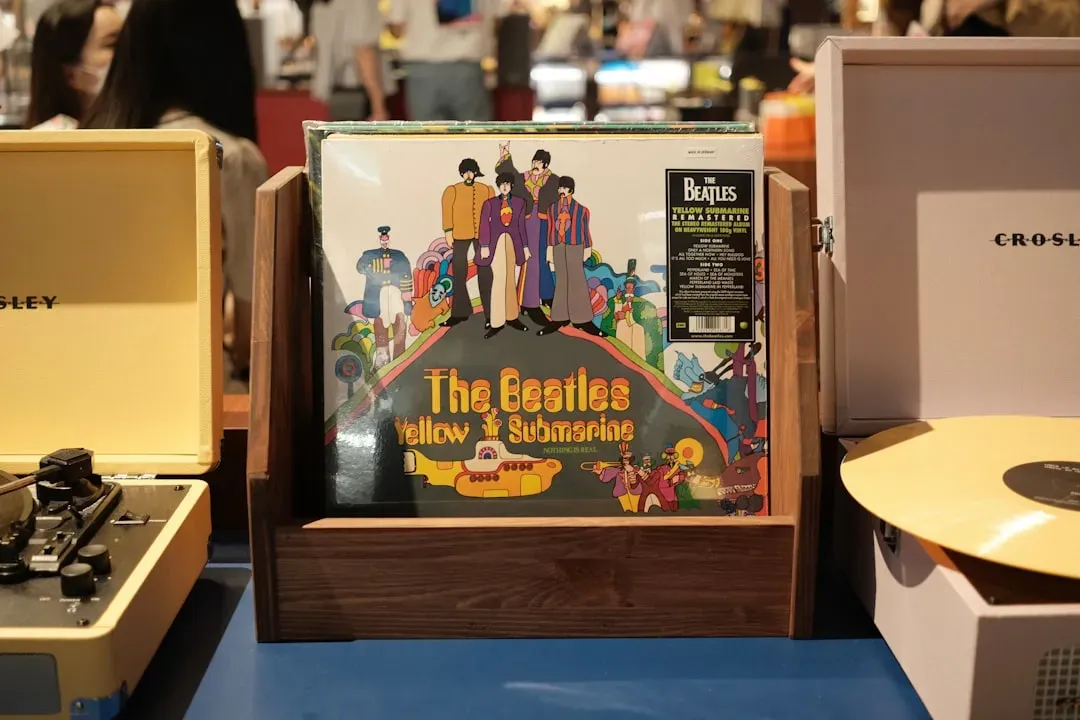
Imagine being a kid in 1965 and walking into school with a lunchbox covered in photographs of the most famous band on Earth. I think that is the definition of cool. The Beatles lunchbox from 1965 captured the height of Beatlemania when the band’s fame became a global phenomenon. Produced by Aladdin, it featured photos of the Fab Four and quickly became a coveted item for young fans eager to carry a piece of their favorite band to school.
Merchandise featuring the Fab Four will never go out of style, and this Aladdin lunchbox was released just in time for full-blown Beatlemania. By the 1960s, lunchboxes were so ubiquitous that they could be used to boost a band’s popularity among preteens, putting the faces of heartthrobs and musical icons in front of kids on a daily basis.
The powder-blue box, featured in the Smithsonian’s collection, consistently ranks among the most expensive on the market, thanks to images of the boys in action, along with their faces and autographs. The Smithsonian keeping one is a signal that this lunchbox is more than nostalgia. It’s American history.
Merchandise from The Beatles from the 1960s always sells well, and the band’s 1965 blue portrait lunchbox is one fine example. Though it’s not impossibly rare, it’s a very popular collectible that major Beatles fans want to have in their collection, and a well-kept Beatles lunchbox circa 1965 recently sold for around $1,900 online.
4. The Jetsons Lunchbox (1963): The Future in Your Hand

Carrying The Jetsons lunchbox to school in 1963 was like announcing to the world that you believed in flying cars and robot maids. It was aspirational in the most charming way possible. The Jetsons was an animated television series that aired on ABC from 1962 through 1963 and in reruns for decades afterward, and Aladdin Industries produced its Jetsons-themed lunchbox in 1963. It’s now a favorite of collectors of retro lunchboxes because of its scarcity and artistic design.
While “The Jetsons” lunchbox, which hit lunchrooms in 1963, couldn’t hover or open on its own to reveal an extended arm, it was still a hit. With its curved design, bright colors, and beloved cartoon characters, this lunchbox became a fast favorite still beloved by collectors today.
The Jetsons lunchbox by Aladdin, 1963, was a hugely important high-profile character box from the cartoon series. Here’s the thing about The Jetsons specifically: the show only aired one original season in the 1960s, which makes surviving lunchboxes from that era particularly rare. Scarcity drives value in unexpected ways.
The lunchbox’s curved design makes it look like a work lunch pail instead of a box, adding to its collector appeal, and in decent condition, these lunchboxes can sell for between $50 and $200.
5. The Star Wars Lunchbox (1977): A New Hope for Your Sandwich
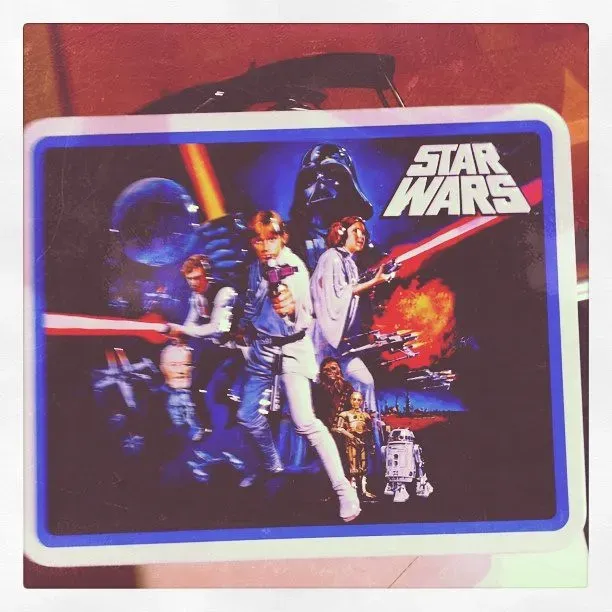
Few objects in pop culture history carry as much weight as the original 1977 Star Wars lunchbox. This was not just merchandise. It was a cultural event. The first lunchbox with a red handle was released by King-Seeley Thermos Co. in 1977 and was minimalistic, with a black starfield wrapping around the sides, top, and bottom, while the door panel featured artwork of a TIE-Fighter firing at an X-Wing.
In May 1977, King Seeley issued a first edition metal lunchbox with starfield panels along with a plastic thermos depicting C-3PO and R2-D2. This set was only available in stores for the first seven months following the theatrical release of Star Wars, and it was one of the first pieces of Star Wars merchandise offered for sale to the public. Seven months. Then gone. That rarity is exactly why collectors obsess over this one.
The Empire Strikes Back premiered in 1980 and is considered one of the greatest sequels of all time. Three years later, Return of the Jedi premiered, cementing the Star Wars trilogy as the merchandise powerhouse of the 1980s, making it seem like just about everyone had a lunchbox featuring either The Empire Strikes Back or Return of the Jedi.
The 1977 Star Wars lunchbox from King Seeley Thermos is one of the most valuable out there. The item was a hit upon its release and remains a hot commodity among today’s lunchbox collectors. A vintage Star Wars lunchbox was selling for $1,600 on eBay in November 2025, although you can find one elsewhere for around $30. The gap between those two prices tells you everything about the collector market.
6. The Barbie Lunchbox (1988): Pink Plastic and Pure Personality
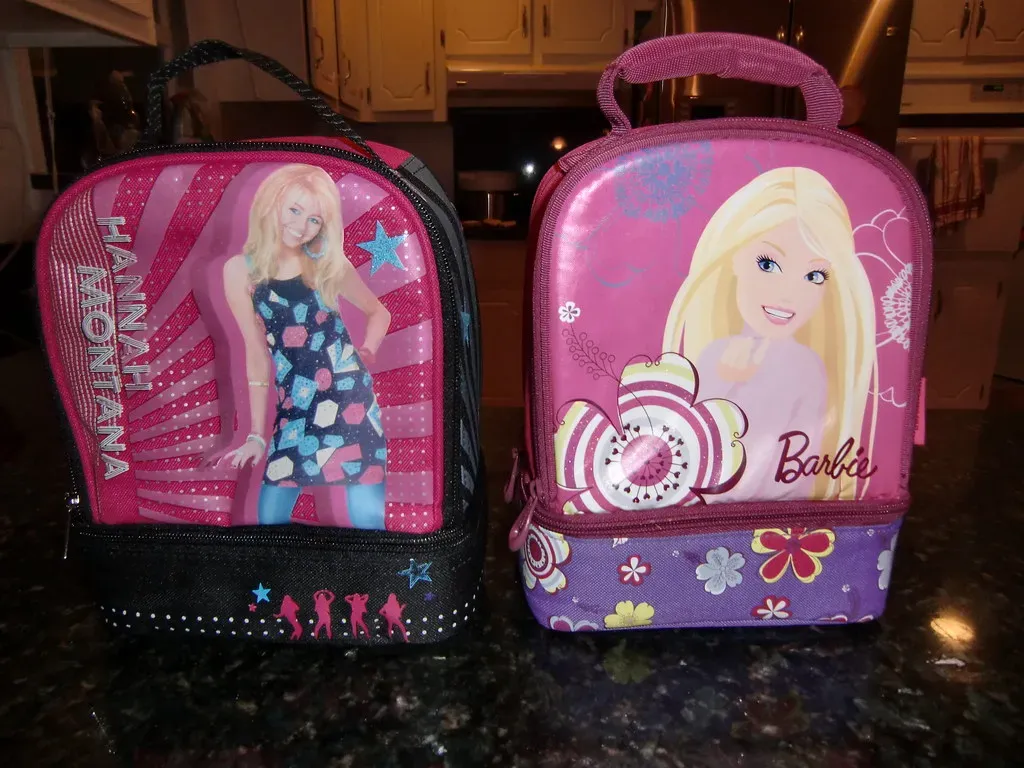
For millions of kids in the late 1980s, the Barbie lunchbox was not just something to carry lunch in. It was a statement. A bright, unmistakably pink statement. Barbie is timeless, but she became especially iconic in the 1980s. Barbie’s surge in popularity at this time is partly the result of attempts to diversify the brand, with the first official Black Barbie released in 1980. While there were various styles of Barbie lunchboxes, the pink plastic lunchbox released by Thermos in 1988 was beloved.
From the classic metal Aladdin brand lunchboxes in the early 1980s to the plastic Thermos brand lunchbox and vacuum flask duos of the late ’80s, carrying a lunchbox with your favorite movie, television show, or line of toys was an easy way to share a bit of your personality where everyone was bound to see it. Barbie was the ultimate personality statement of the era.
The shift from metal to plastic by the late 1980s was significant. By 1986, Aladdin and American Thermos were producing only plastic boxes. It was a practical change, but it came at a cost. Honestly, something about that pink plastic Barbie box just doesn’t carry the same nostalgic weight as cold steel. Still, it remains one of the most recognizable lunchboxes of its decade.
Plastic lunchboxes were being produced as early as 1972, with the lower cost of manufacturing them being the main reason for the switch. However, metal lunchboxes were still made well into the ’80s. The two worlds overlapped for over a decade, which is why so many 80s kids remember having both kinds at different points in childhood.
7. The Superman Lunchbox (1954): The One That Broke All the Records
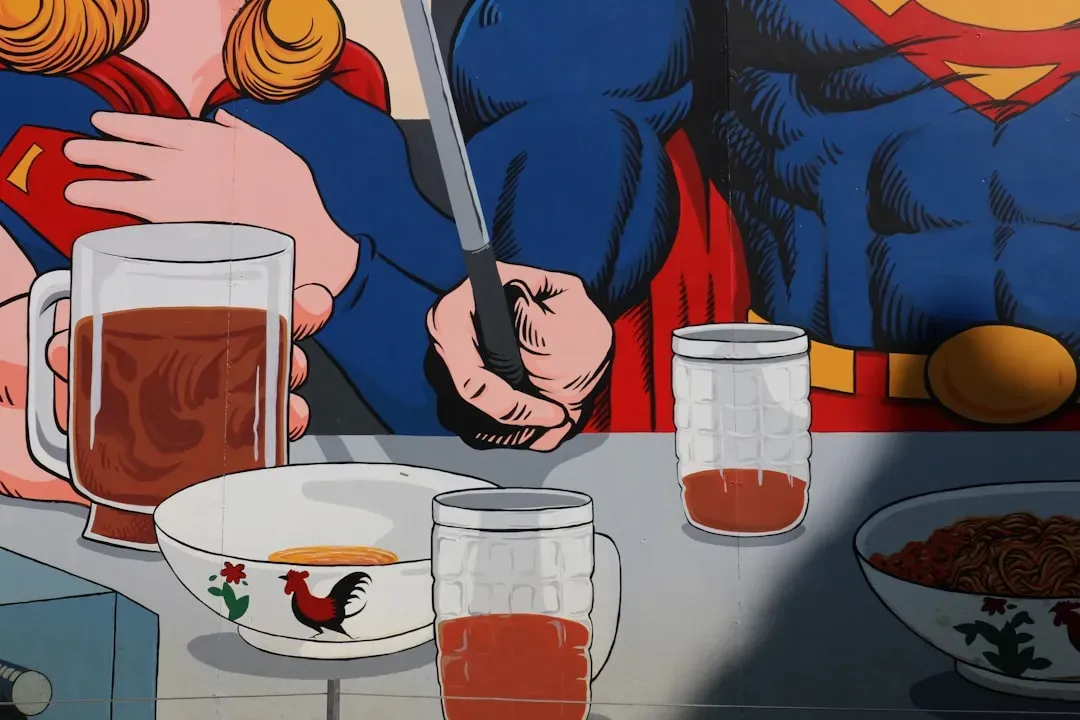
Save the most jaw-dropping for last. The 1954 Superman lunchbox is the crown jewel of vintage lunchbox collecting. Nothing else even comes close to what this little metal box has commanded at auction. In 1954, Superman soared into lunchrooms across America with one of the first branded lunchboxes, produced by Universal. Riding the wave of the superhero’s massive popularity from comic books, radio, and TV, this colorful metal box paved the way for character-driven lunchbox designs.
At one time, collector demand for classic lunchboxes was insatiable, with a 1954 Superman lunchbox selling for $19,250 at auction. While values for metal lunchboxes have cooled considerably from those halcyon days, lunchboxes are still popular items to collect. Nearly twenty thousand dollars. For a lunchbox. Let that sink in for a moment.
In 1954, Superman soared into lunchrooms across America with one of the first branded lunchboxes, produced by Universal. Riding the wave of the superhero’s massive popularity from comic books, radio, and TV, this colorful metal box paved the way for character-driven lunchbox designs. Today, its value stems from that pioneering role in merging pop culture with everyday items, along with its rarity in good condition, which makes it highly sought after by collectors willing to pay thousands.
It’s hard to say for sure whether any single object better represents the golden age of lunchboxes than this one. Driven by nostalgia for the simplistic metal boxes adorned with graphics and pop culture references, collectors are willing to pay top dollar for rare lunchboxes like the 1954 Superman, 1977 Star Wars, or 1963 Dudley Do-Right. Superman, as always, leads the pack.
The Bigger Picture: Why These Boxes Still Matter
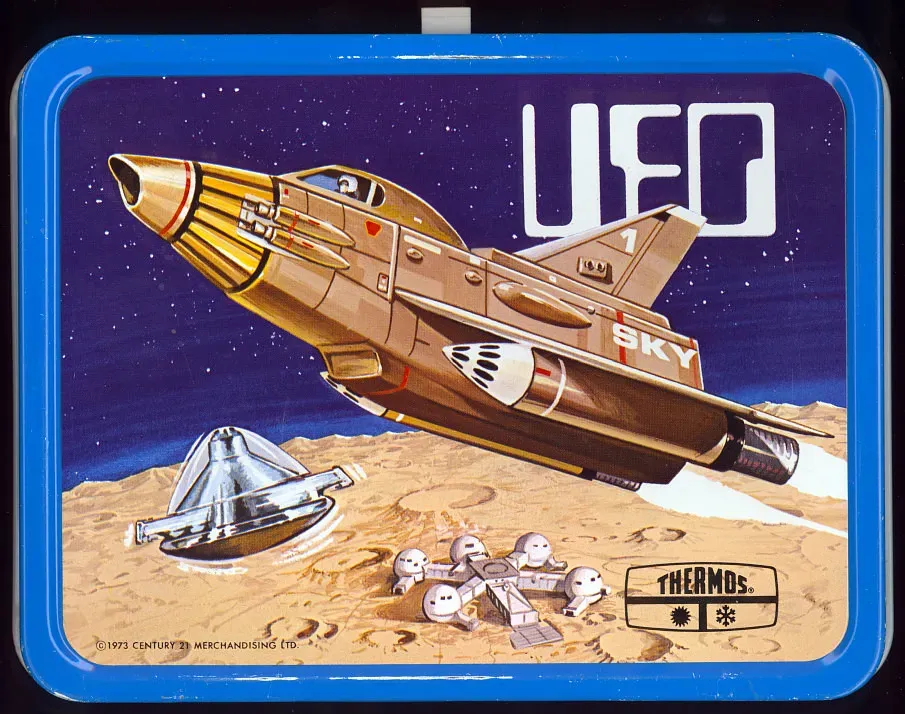
It would be easy to dismiss all of this as simple nostalgia. Grown adults paying hundreds or thousands of dollars for old metal boxes? Sounds ridiculous on paper. Yet the numbers tell a different story. From 1950 until 1986, over 200 million lunchboxes were sold. That is a staggering figure when you think about it. Two hundred million metal snapshots of childhood, spread across America.
It wasn’t until television and blockbuster movies hit the mass market that the lunchbox business burgeoned into a multi-million-dollar industry. TV characters emblazoned on the sides of boxes made them desirable kiddie status symbols. The lunchbox was, in a very real sense, the social media profile of its era. It told everyone around you exactly what you cared about.
For kids in the ’70s, the cartoon characters and pop stars on their metal lunchboxes were more important than the sliced apples and PB&Js inside. In fact, the coolness of your lunchbox could determine your social status for the whole year. That social weight is why these objects still resonate so deeply today. They were never just about lunch.
As adults with disposable income, collectors have turned the metal lunchboxes of their childhoods into cultural artifacts whose value lies at the intersection of nostalgia and Americana. Nostalgia-driven markets are thriving as millennial and Gen Z consumers seek emotional connection and comfort in an often overstimulated and chaotic digital world. Maybe that explains everything. In a world of screens and algorithms, there is something deeply comforting about holding a cold, dented piece of metal that smells faintly of a forty-year-old thermos.
Which of these seven did you carry to school, and do you still have it somewhere in storage? Tell us in the comments.