
Long before binge-watching, readers waited weeks or months for the next chapter of a story. Many of the books we now treat as untouchable classics reached their first audiences in small installments, tucked between essays, poems, and advertisements.
That format shaped the books themselves. Cliffhangers, cast sizes, and chapter lengths often reflected the demands of a publication schedule, and here are seven famous examples.
Great Expectations by Charles Dickens
![Great Expectations by Charles Dickens (National Portrait Gallery, London [1], Public domain)](https://nvmwebsites-budwg5g9avh3epea.z03.azurefd.net/lasvegasnews/2e938744236a55c625828f01e1cc822c.webp)
Dickens published this novel in weekly installments in his own magazine, All the Year Round, from December 1860 to August 1861. He had been struggling with the sales of a rival serial, so a tightly paced new story was a sensible move for the magazine.
The weekly format favored short, punchy chapters that ended on a hook. Pip’s rise and disillusionment unfolded in small doses, and readers had to wait for each turn. The book then appeared in three volumes later in 1861.
Madame Bovary by Gustave Flaubert
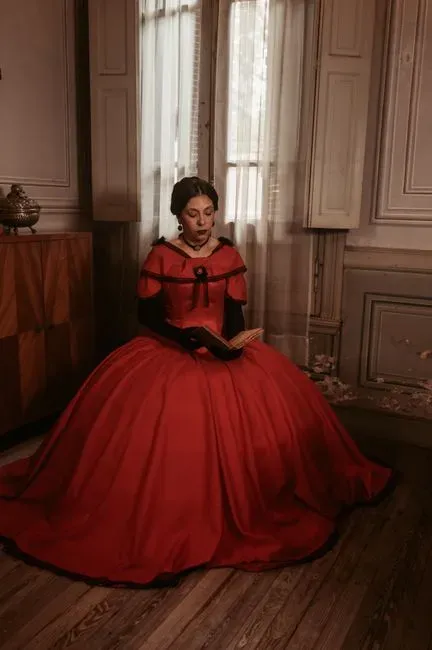
Flaubert’s debut novel ran in the Revue de Paris in six parts between October and December 1856. The magazine’s editors asked him to make cuts, and he reluctantly agreed to some of them.
The story drew attention from French authorities, and Flaubert was put on trial for offending public morals in 1857. He was acquitted, and the book came out in full that same year. The serial run helped make it one of the most talked about novels of its day.
The Adventures of Huckleberry Finn by Mark Twain

Parts of Huckleberry Finn first appeared in The Century Magazine in 1884 and 1885, before the book was published in full. The excerpts were drawn from the manuscript and included episodes such as the feud between two families and the raft scenes.
These were previews rather than a complete serialization of the whole novel. Even so, they introduced Twain’s new narrator to a large magazine audience ahead of publication.
Partner offer
The Portrait of a Lady by Henry James

James serialized this novel in two places at once. It ran in Macmillan’s Magazine in Britain and The Atlantic Monthly in the United States, beginning in late 1880 and ending in late 1881.
The book edition followed in 1881. The story of Isabel Archer, a young American woman who inherits a fortune, was thus spread across many months for readers on both sides of the Atlantic.
Tess of the d’Urbervilles by Thomas Hardy
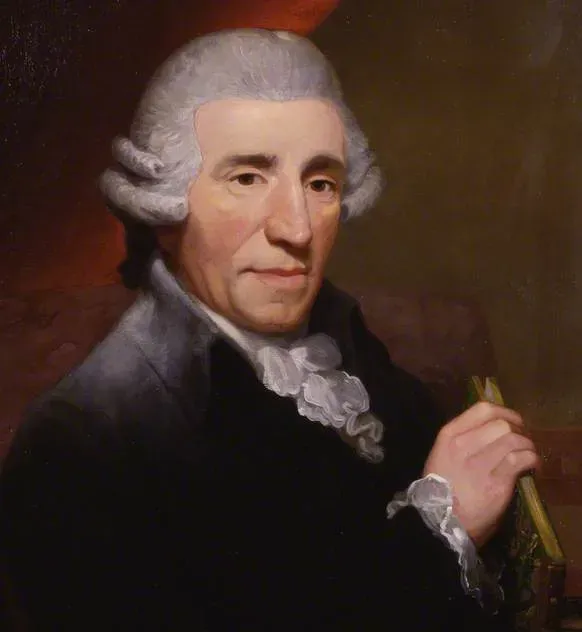
Hardy’s novel appeared in the illustrated weekly The Graphic in 1891. Editors found parts of the story too frank for a family magazine, so Hardy altered or removed some material for the serial version.
He later restored these passages for the book edition. For that reason, the serial and the book differ in notable ways, and scholars still compare the two.
Dracula’s Contemporaries: Wuthering Heights Alternative, The Count of Monte Cristo by Alexandre Dumas
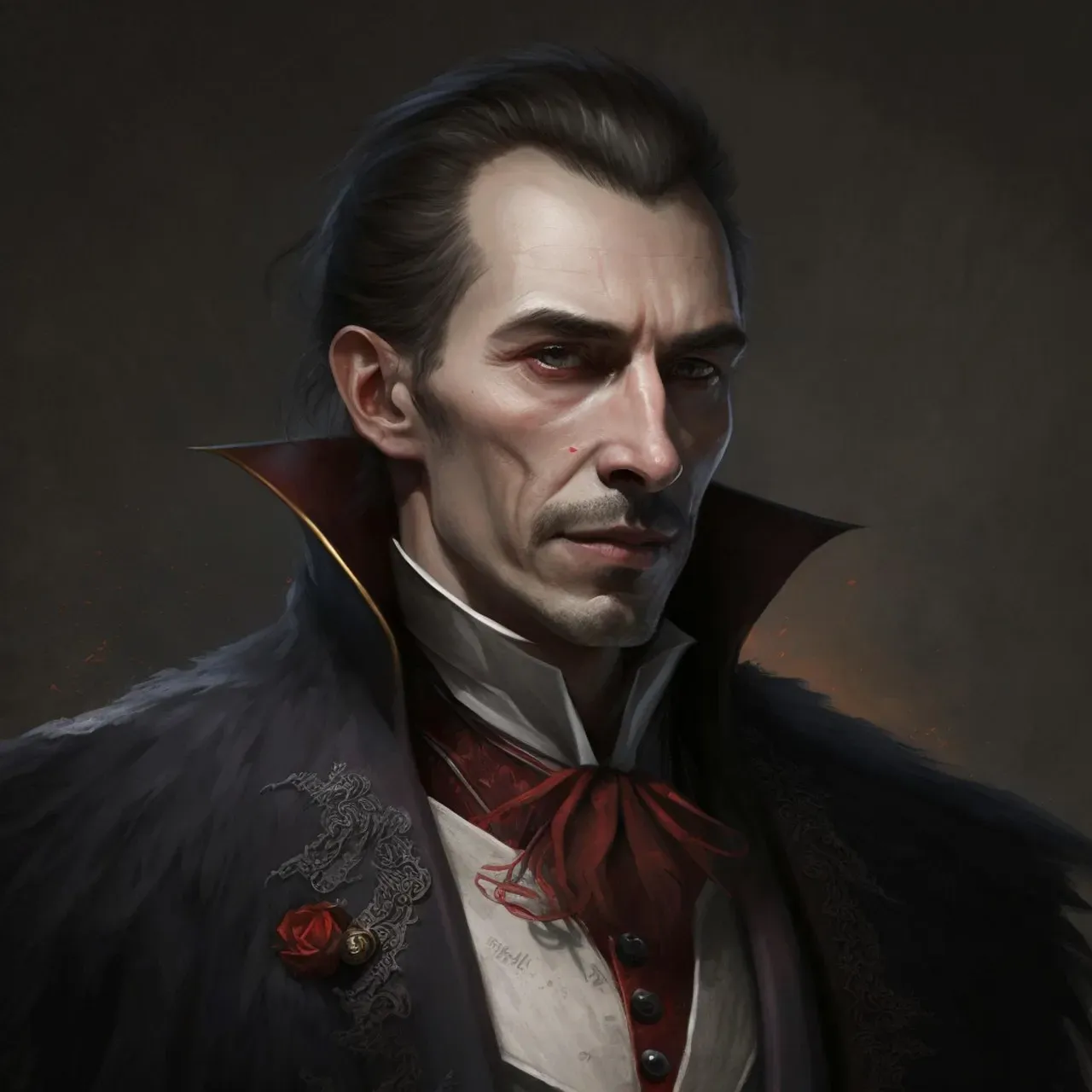
The Count of Monte Cristo was serialized in the Journal des Débats in Paris between 1844 and 1846. Dumas worked with collaborator Auguste Maquet, and the story’s long, twisting plot suited the newspaper’s installment model.
Serial publication encouraged a sprawling structure with multiple revenge threads and shifting identities. Readers followed Edmond Dantès’ transformation in regular doses over roughly two years.
Anna Karenina by Leo Tolstoy

Tolstoy’s novel was serialized in the Russian Herald from 1875 to 1877. Installments appeared in monthly parts, and the story of Anna, Vronsky, and Levin reached readers gradually.
Tolstoy disagreed with editor Mikhail Katkov over the final section, which dealt with the Russo-Turkish war and his characters’ views of it. The magazine declined to print it, and Tolstoy published it separately. The complete novel came out as a book in 1878.
Partner offer
Planning a trip to Vegas?
Compare hotel rates and show tickets on VEGAS.com.