Music has always been a conversation across time. Producers dig through decades of recordings, pull out a groove or a melody that still has life in it, and hand it something new to do. The result is often a hit so fully formed that listeners never think to ask where the foundation came from.
Sampling is not a shortcut. Done well, it’s closer to a craft, a careful act of listening and reimagining that connects generations of sound. These seven tracks are proof of that. Each one owes a defining piece of its identity to an older song, and most listeners have no idea.
1. Mariah Carey – “Fantasy” (1995) Samples Tom Tom Club’s “Genius of Love” (1981)

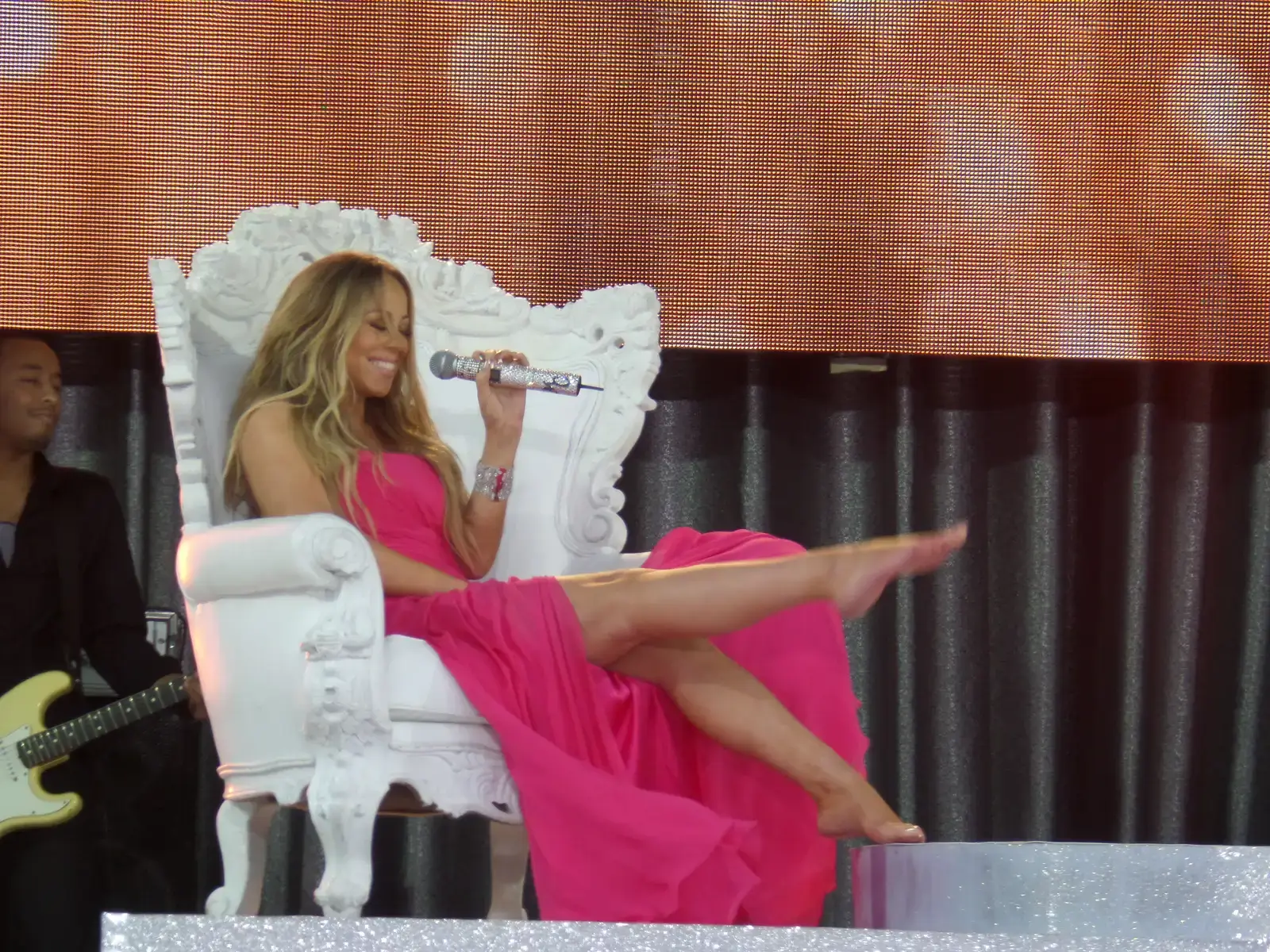
“Fantasy” famously samples the iconic bassline and beat from Tom Tom Club’s 1981 song “Genius of Love,” creating its distinctive, upbeat R&B and hip-hop feel. The borrowing was so central to the song’s identity that the original track essentially became the backbone of Carey’s entire production. What made it work was not just the groove itself, but the way the sample gave “Fantasy” a playful, almost bouncy energy that set it apart from typical ballad-heavy pop of the era.
The sample became central to “Fantasy’s” sound, and the track introduced the original Tom Tom Club song to a wider audience, with Latto later sampling “Fantasy” for her hit “Big Energy.” That chain of influence, from Tom Tom Club to Mariah to Latto, is a perfect illustration of how a single groove can travel across four decades and keep arriving somewhere new.
2. The Notorious B.I.G. – “Hypnotize” (1997) Samples Herb Alpert’s “Rise” (1979)

The Notorious B.I.G.’s “Hypnotize,” released a week before the rapper’s death in March 1997, became his first posthumous No. 1. The track’s iconic bass line came from “Rise,” trumpeter Herb Alpert’s second chart-topper. Most listeners in 1997 heard that bass as pure Biggie, a menacing low-end swagger that felt inseparable from the song. Few connected it to a smooth, instrumental jazz-pop hit from nearly two decades earlier.
While Bad Boy’s 1997 hit parade often looped the most famous parts of classics by David Bowie, Kool and The Gang, and Grandmaster Flash and The Furious Five, “Hypnotize” dug a little deeper. That willingness to reach past the obvious choices gave the track a more unusual sonic texture than many of its contemporaries, and it remains one of the more underappreciated sample choices in 1990s hip-hop production.
3. The Notorious B.I.G. – “Juicy” (1994) Samples Mtume’s “Juicy Fruit” (1983)

One of Biggie’s most popular songs, “Juicy,” helped cement his status as a rap legend back in 1994. Some of the success, or at least credit for a large part of the track’s catchiness, belongs to another group. One of the most recognizable aspects of “Juicy” is its use of “Juicy Fruit” by Mtume, a track released more than ten years prior to Biggie’s smash hit. The warm, hazy R&B quality of Mtume’s original gave Biggie’s nostalgic narrative exactly the right emotional texture, something that felt like memory itself.
One of the greatest hip-hop songs of all time heavily sampled Mtume’s “Juicy Fruit,” specifically a “Fruity Instrumental” remix of the R&B cut. The choice was deliberate and smart. The mellowness of the original created space for Biggie’s dense, story-driven bars to breathe, and the combination produced one of the most beloved debut singles in rap history.
4. MC Hammer – “U Can’t Touch This” (1990) Samples Rick James’s “Super Freak” (1981)
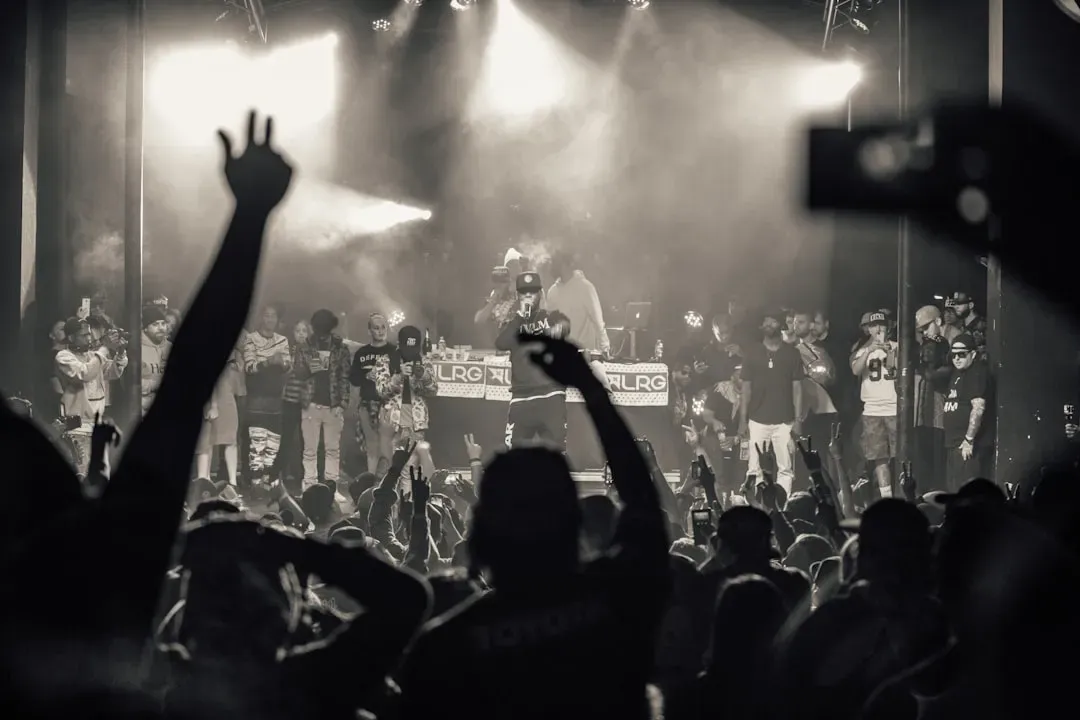
MC Hammer’s 1990 hip-hop hit “U Can’t Touch This” owes at least part of its success to Rick James. James’s 1981 chart-topper “Super Freak” is interpolated and referenced throughout “U Can’t Touch This,” essentially serving as the beating heart of Hammer’s still-iconic track. The irony is that the borrowed groove became so associated with Hammer that many younger listeners discovered Rick James through the sample rather than the other way around.
The legal and commercial consequences of this borrowing were significant. Rick James received a songwriting credit and a share of royalties from the track, which became one of the defining legal templates for how sample clearances work in pop music. “Super Freak” is still a smash hit in its own right, as is Hammer’s take on the classic.
5. Puff Daddy ft. Faith Evans – “I’ll Be Missing You” (1997) Samples The Police’s “Every Breath You Take” (1983)

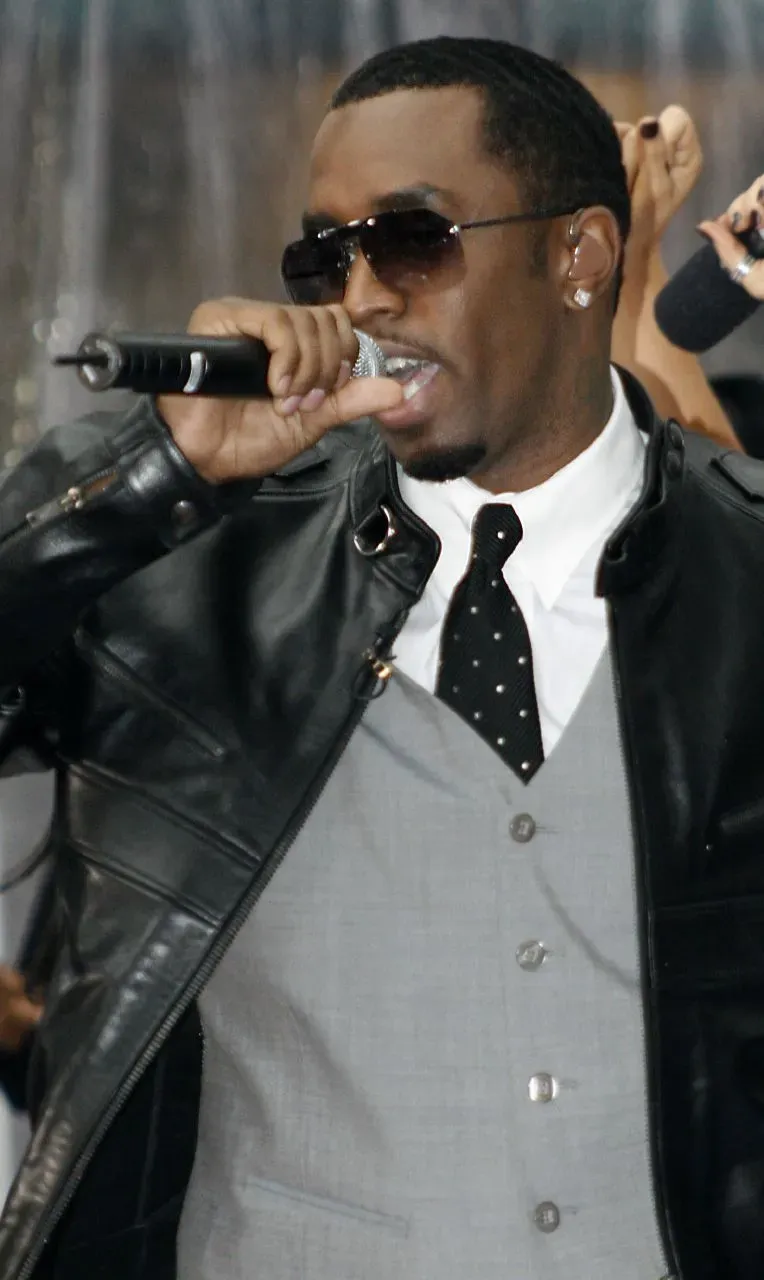
With a rewritten version of the chorus from The Police’s 1983 blockbuster “Every Breath You Take” and a sample of the song’s iconic Andy Summers guitar riff, “I’ll Be Missing You” ruled the summer of 1997. The tribute to the late Notorious B.I.G. arrived at a moment of genuine grief, and the familiarity of the Police sample gave it an immediate emotional weight that a wholly original production might never have achieved as quickly.
Remarkably, Puff Daddy rush-released “I’ll Be Missing You” without getting permission to use the Police sample, and Sting reportedly sued for one hundred percent of the Puff Daddy track’s songwriting royalties. “Every Breath You Take” topped the Hot 100 for eight weeks, and “I’ll Be Missing You” went to No. 1 for an additional eleven weeks, making it perhaps the most popular melody in contemporary pop history.
6. Daft Punk – “One More Time” (2000) Samples Eddie Johns’s “More Spell On You” (1979)

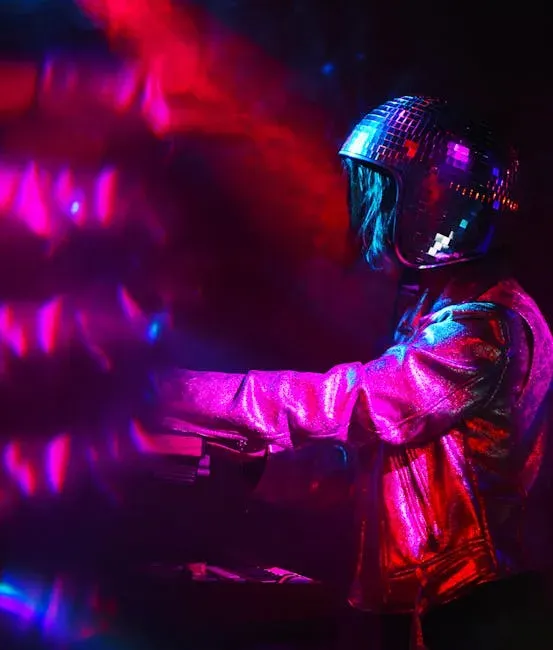
Daft Punk’s iconic “One More Time” is an instantly recognizable dance track, and its signature horn section chop comes from a disco track by Eddie Johns called “More Spell On You.” The sample was chopped and reversed in a rhythmic, almost robotic way, and was one of the tracks that made Daft Punk the legends that they are. The transformation was so complete that even devoted fans of electronic music rarely identify the source. Eddie Johns’s original sits in near-total obscurity, while its chopped horn line became one of the most recognizable sounds in dance music history.
Sampling is somewhat like collage art in a musical format. By taking snippets of older recordings and rearranging them, producers can create something entirely new while paying homage to the past. “One More Time” is among the clearest demonstrations of that idea. The original barely registers on any historical chart, yet its DNA is embedded in a song that has played in clubs and arenas across more than two decades.
7. Ice Cube – “It Was a Good Day” (1992) Samples The Isley Brothers’ “Footsteps in the Dark” (1977)

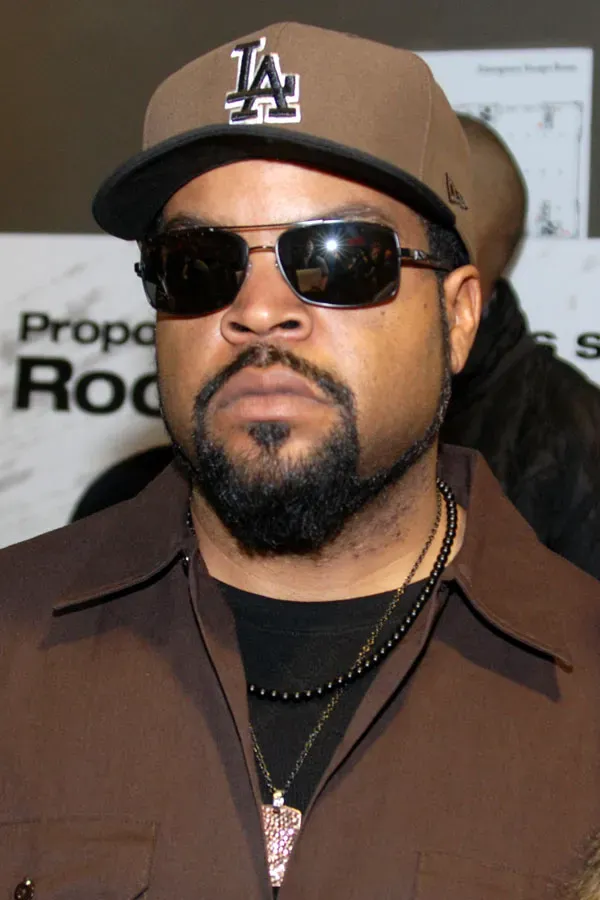
Ice Cube’s iconic song “It Was a Good Day” samples “Footsteps in the Dark, Pts. 1 and 2” from 1977 by The Isley Brothers, specifically the groove from Ernie Isley’s guitar and bass, with DJ Pooh enhancing the production for the track. That slow, hypnotic guitar loop is the entire emotional architecture of the song. It gives “It Was a Good Day” its laid-back warmth, its sense of a rare and peaceful afternoon unfolding in real time.
Ice Cube’s laid-back anthem “It Was a Good Day” samples this slow jam from the Isley Brothers, turning a smooth soul track into a West Coast chill-out hit. The Isley Brothers were never given the kind of cultural credit they deserved for their role in shaping West Coast hip-hop’s defining sound. Their groove, recorded fifteen years before Cube’s track, turned out to be one of the most perfectly suited pieces of source material a producer could have found.
What connects all seven of these songs is not just the technique of sampling, but the quality of the listening behind it. The producers who made these choices heard something in an older track that hadn’t fully been used up yet, a pocket of feeling that still had room to travel. The original artists created something enduring without knowing it. The producers who sampled them made sure it would last even longer.