Most filmmakers spend a career chasing one great film. A rare handful manage to string together two, three, or even four in a row, each one raising the bar the last one had just set. What separates these runs from ordinary hot streaks is consistency: no dip, no compromise, no obvious filler picture wedged in between.
Looking back at film history, and at what has happened on screens just in the past couple of years, a small group of directors stand out for refusing to slow down when they were on a roll. Here are seven whose consecutive work still gets studied, rewatched, and argued about.
1. Francis Ford Coppola

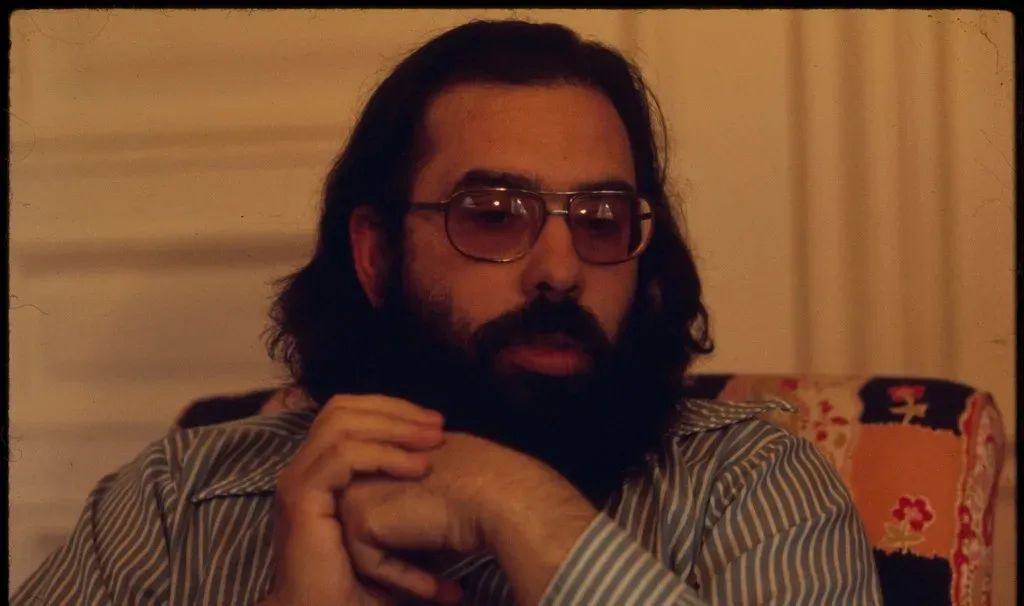
Between 1972 and 1979, Francis Ford Coppola delivered a run that is still treated as a benchmark for what a director can accomplish in a short stretch. The Godfather in 1972 was followed two years later by The Godfather Part II, a sequel that many critics consider even stronger than the original, and by The Conversation, a tense, quieter film released the very same year.
He closed the decade with Apocalypse Now in 1979, a production so famously difficult it nearly broke him, yet the finished film became one of the defining war movies ever made. Four films, all landmark achievements, all within seven years, is a pace almost no one else in Hollywood has matched since.
2. Alfred Hitchcock

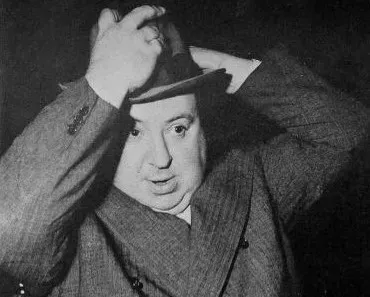
Alfred Hitchcock built his reputation over decades, but the late 1950s stand out as his sharpest period. Vertigo arrived in 1958, unsettling audiences at the time before later being reassessed as one of the greatest films ever made. North by Northwest followed in 1959, a stylish, propulsive thriller that still feels modern in its pacing and wit.
Then came Psycho in 1960, a film that reshaped the horror genre and proved Hitchcock could reinvent his own formula rather than repeat it. Three films, three completely different tones, and not a weak one among them.
3. Stanley Kubrick

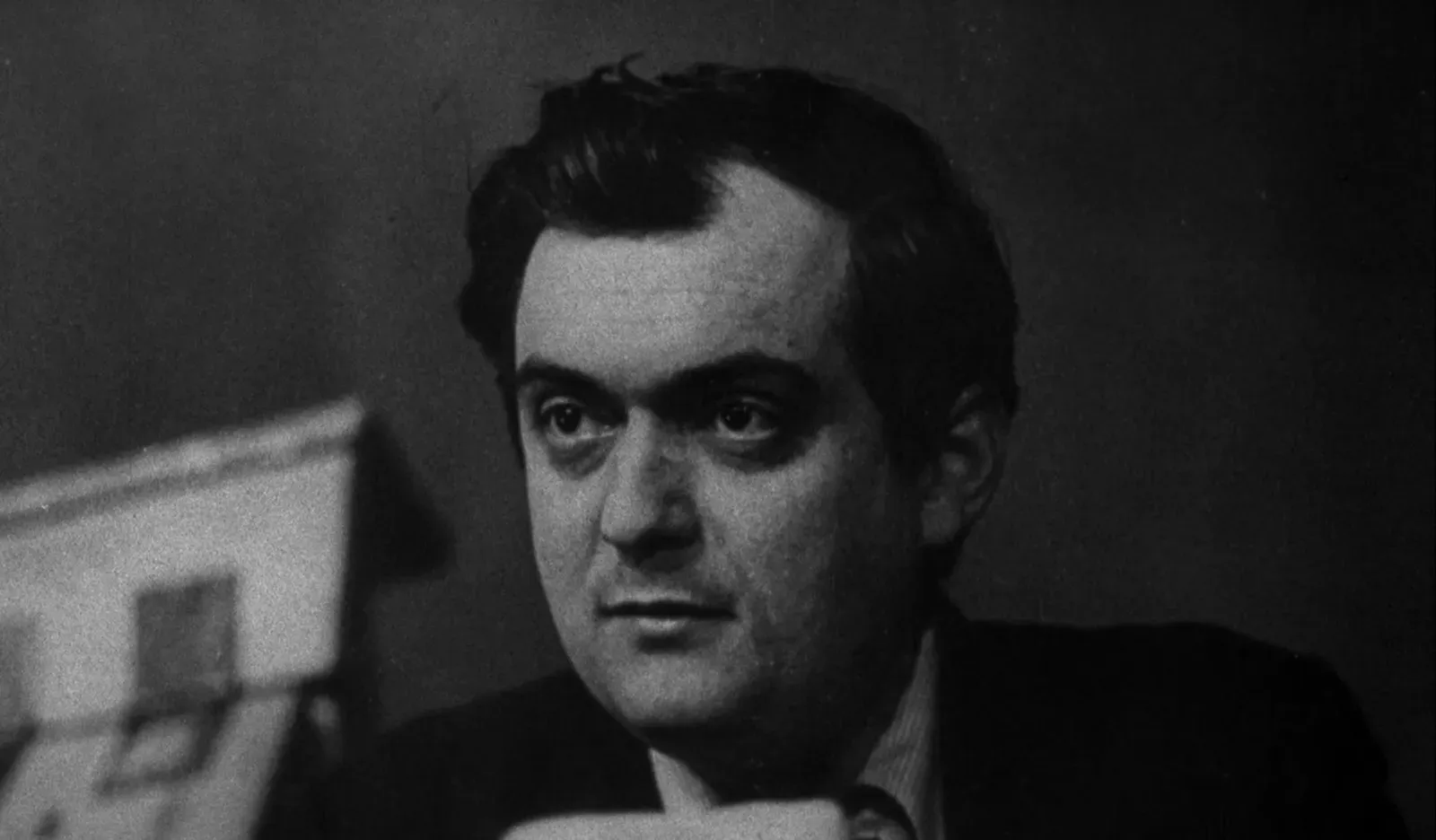
Stanley Kubrick worked slowly and released films rarely, which makes his run from 1968 to 1980 even more striking. 2001: A Space Odyssey redefined science fiction filmmaking, A Clockwork Orange stirred controversy while pushing narrative and visual boundaries, and Barry Lyndon showed a completely different, more restrained side of his craft.
The Shining closed out that stretch in 1980, turning a horror novel into something colder and more disturbing than the source material. Each film looked nothing like the one before it, yet all four are now regarded as essential works in his filmography and in cinema generally.
4. Denis Villeneuve

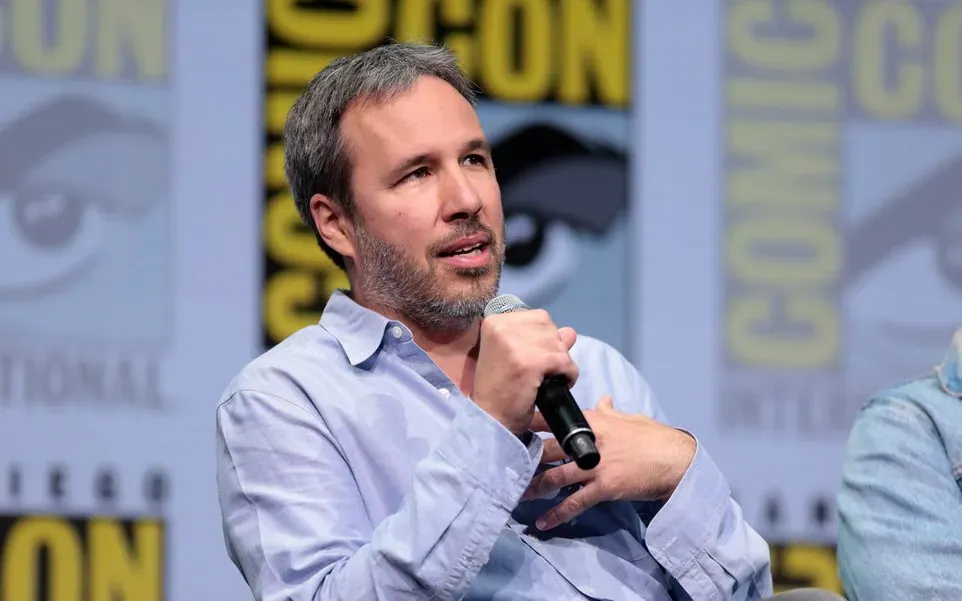
The sequel was the French-Canadian director’s third film in three years, following the Oscar-nominated Arrival (2016) and Sicario (2015), and that was only the beginning of his run. After helming 2017’s Arrival, every movie he has directed since then has been a science fiction title, including the legacy sequel Blade Runner 2049 and the Frank Herbert adaptations Dune and Dune: Part Two.
Dune: Part Two, released in 2024, cemented this streak rather than testing it. The second of the director’s Dune movies was both a critical and commercial smash hit when it premiered in 2024, grossing 714.4 million dollars worldwide and earning a Certified Fresh 92 percent score on Rotten Tomatoes alongside a Verified Hot 95 percent audience score. With Dune: Part Three scheduled for 2026, Villeneuve is closing out one of the more disciplined science fiction runs any director has managed in recent memory.
5. Christopher Nolan

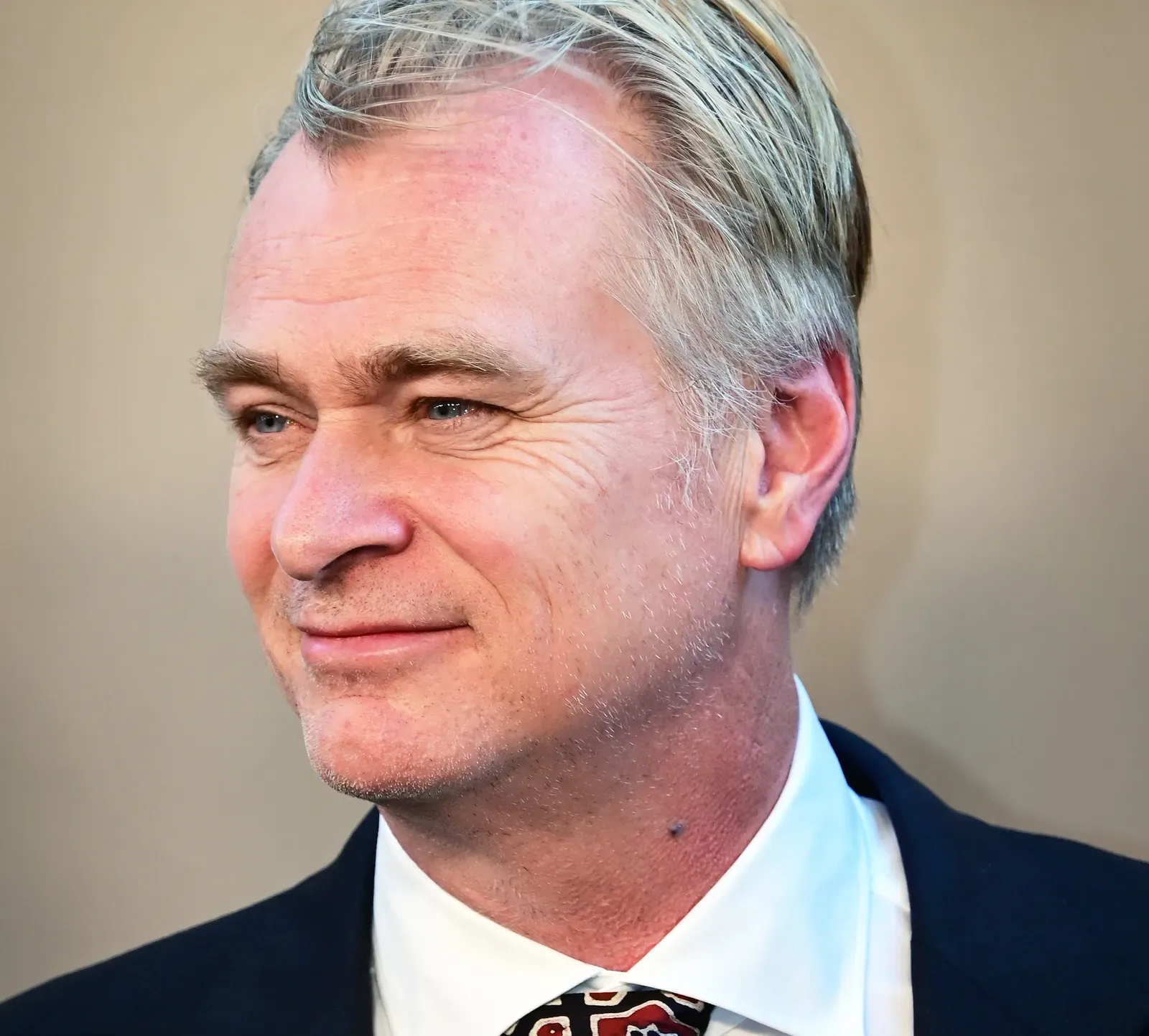
Christopher Nolan’s stretch from The Dark Knight through Interstellar remains a reference point for blending scale with genuine emotional weight. His other notable films include The Dark Knight (2008), Inception (2010), Interstellar (2014), and Dunkirk (2017), each one a commercial hit that also drew serious critical attention rather than the usual blockbuster shrug.
More recently, Nolan added Oppenheimer to that legacy, and the results were hard to argue with. In 2024 Nolan won an Academy Award for best director for Oppenheimer (2023), which was also named best picture. He followed that success in 2026 with The Odyssey, though it is Oppenheimer’s pairing with his earlier run that most clearly shows a director who rarely misses when working at full scale.
6. Bong Joon-ho

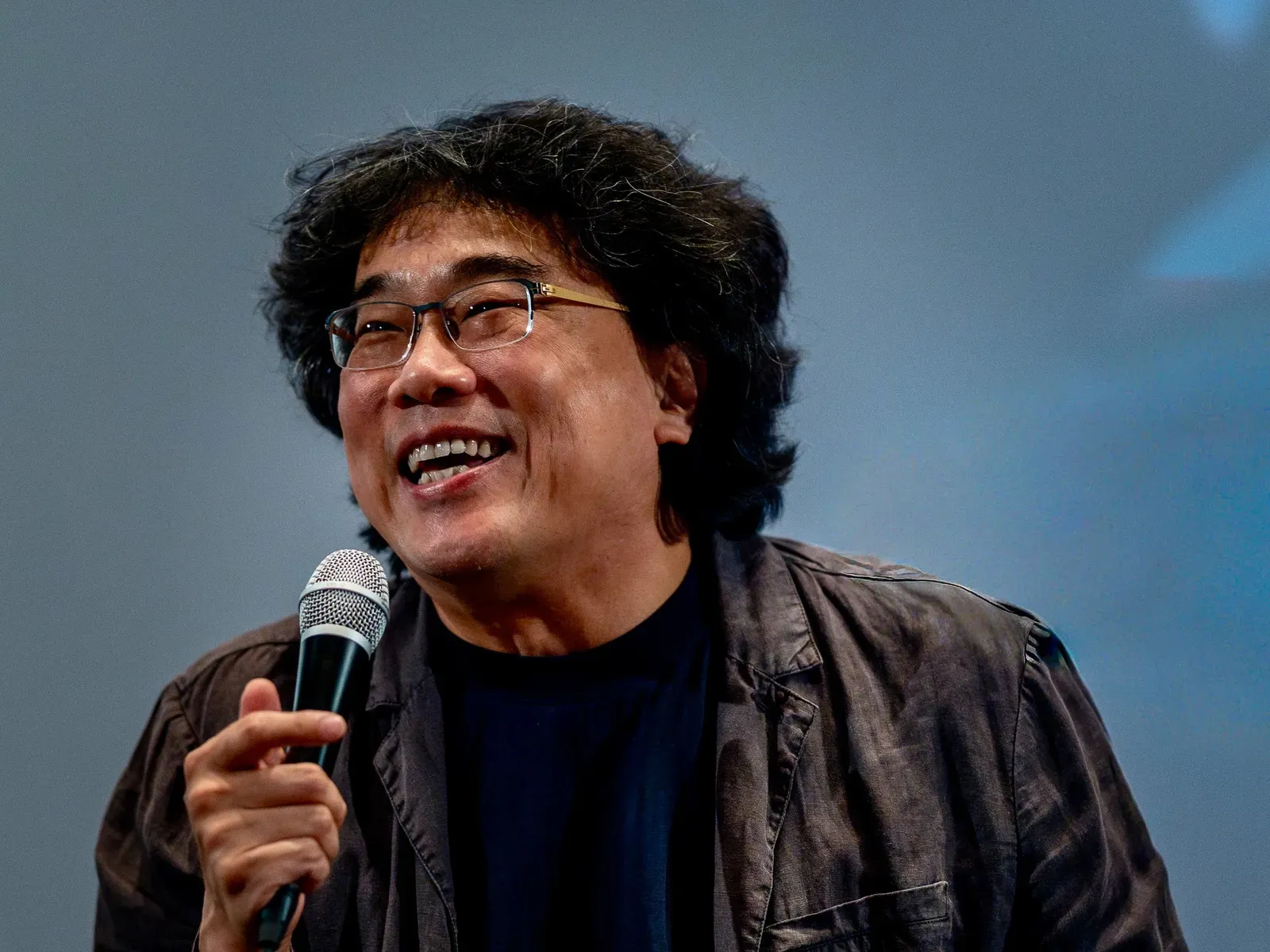
Bong Joon-ho spent the 2000s quietly building a filmography that mixed genres in ways few directors dared. Memories of Murder in 2003 was a haunting, unresolved crime drama, and The Host in 2006 turned a monster movie into sharp social commentary without losing any of its tension.
Mother followed in 2009, another critically praised film built around a mother’s desperate search for the truth about her son. That patient, decade-long streak eventually led to Parasite in 2019, which won the Palme d’Or and later became the first non-English language film to win the Academy Award for Best Picture, a result that felt earned rather than sudden given everything that came before it.
7. Paul Thomas Anderson

Paul Thomas Anderson has rarely made a film that critics dismissed, but his stretch from the late 1990s into the 2000s is where his reputation was truly built. Boogie Nights in 1997 and Magnolia in 1999 arrived within two years of each other, both sprawling ensemble pieces that announced a filmmaker unafraid of ambition and length.
He followed those with Punch-Drunk Love in 2002, a strange and tender departure that surprised audiences expecting more of the same, then delivered There Will Be Blood in 2007, widely considered one of the finest American films of its decade. Few directors have shown that much range while keeping quality this consistent across such different projects.
What ties these seven together is not luck. Each one built the conditions for a strong run through years of smaller films, careful choices, and a refusal to repeat a winning formula just because it worked once. are rare precisely because they demand a director stay curious and rigorous at the same time, which is a harder combination to sustain than it sounds.