Some filmmakers spend decades building reputations that never quite escape the film festival circuit or the “serious cinephile” corner of the internet. Their work shows up on best-of lists, gets nominated for prizes, and influences younger directors, yet somehow the names themselves rarely reach dinner-table conversation. That gap between critical respect and public recognition is worth examining, especially as streaming has made it easier than ever to actually watch what these directors have made. What follows isn’t a ranking of the most talented people working in film today, since that’s an impossible argument to settle. It’s a look at seven directors whose bodies of work argue, pretty convincingly, that they deserve wider recognition than they currently get.
1. Kelly Reichardt

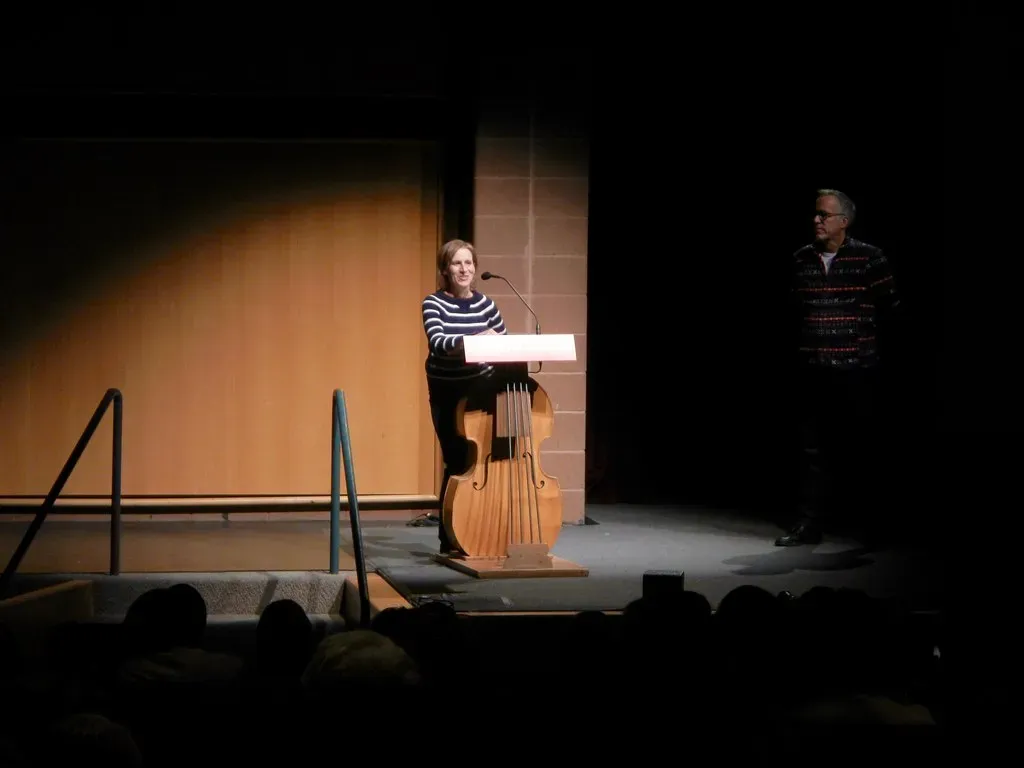
Reichardt has spent nearly three decades making some of the most quietly devastating American films of her generation, and she’s done it almost entirely outside the studio system. Her Pacific Northwest-centric indies, including Wendy and Lucy and Meek’s Cutoff, are notable for their patience, their quiet, and their concentration on the complexities of individuals’ relationships with each other and their environment. Films like Certain Women and First Cow have earned her comparisons to some of American cinema’s great minimalists, yet she remains largely unknown outside arthouse circles.
Part of the reason may be her subject matter. Reichardt gravitates toward struggling, often working-class characters rather than dramatic plot mechanics, which doesn’t always translate into trailer-friendly marketing. Certain Women, which tells a series of three Montana-set short stories, premiered at Sundance in 2016 and went on to screen at Toronto, New York, and London, where it won Best Film. Critics adore her, but general audiences have rarely been given the chance to discover her work through wide release.
2. Jeremy Saulnier

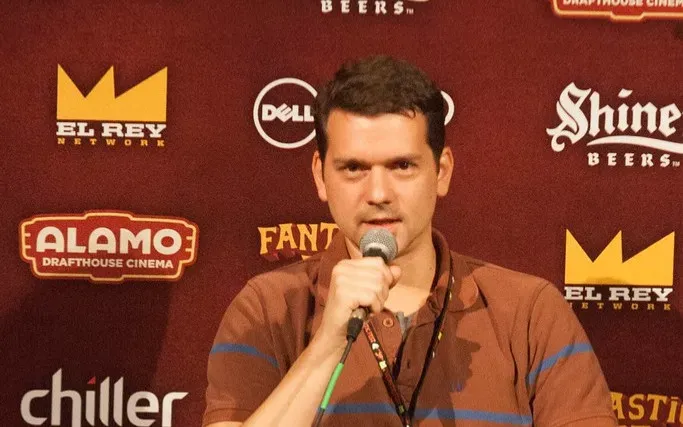
Saulnier built a reputation for lean, brutal, morally complicated thrillers that punch well above their budgets. Blue Ruin, his 2013 breakout, was made for roughly four hundred twenty thousand dollars and grossed under a million at the box office, numbers that undersell just how influential the film became among genre fans and fellow filmmakers. It won the Fipresci Prize at the 2013 Cannes Film Festival after premiering in the Directors Fortnight, along with the Best Director Award at the Gijon International Film Festival.
His 2015 follow-up, Green Room, about a punk band trapped by neo-Nazi skinheads, cemented his reputation as a director who could wring unbearable tension out of confined spaces. After reinventing the revenge film with Blue Ruin and dissecting real evil in Green Room, Saulnier’s next project, Hold the Dark, became his most ambitious and eccentric work to date. Despite the acclaim, he’s never crossed into mainstream household recognition, remaining a filmmaker cinephiles trade recommendations about rather than one casual moviegoers seek out by name.
3. Debra Granik

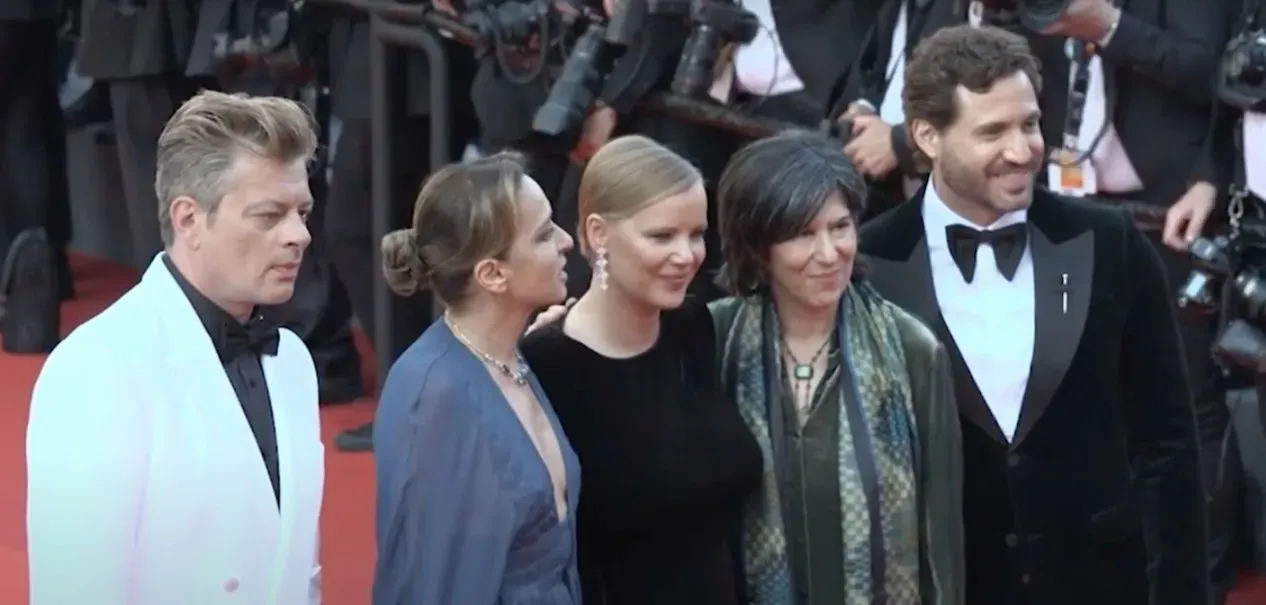
Granik has made only a handful of features, but two of them, Winter’s Bone and Leave No Trace, rank among the most quietly powerful American dramas of the past two decades. Winter’s Bone introduced the world to Jennifer Lawrence years before she became a household name herself, yet Granik’s own name never followed her into the mainstream. That’s a strange irony for a director whose eye for talent and unglamorous, textured storytelling has proven so consistently sharp.
Her approach favors real locations, non-professional actors mixed with rising stars, and stories rooted in economic hardship rather than spectacle. Leave No Trace, released in 2018, earned some of the best reviews of that year and further established her interest in characters living on society’s margins. Granik simply doesn’t make films often, and when she does, the marketing tends to undersell just how good they are.
4. David Lowery

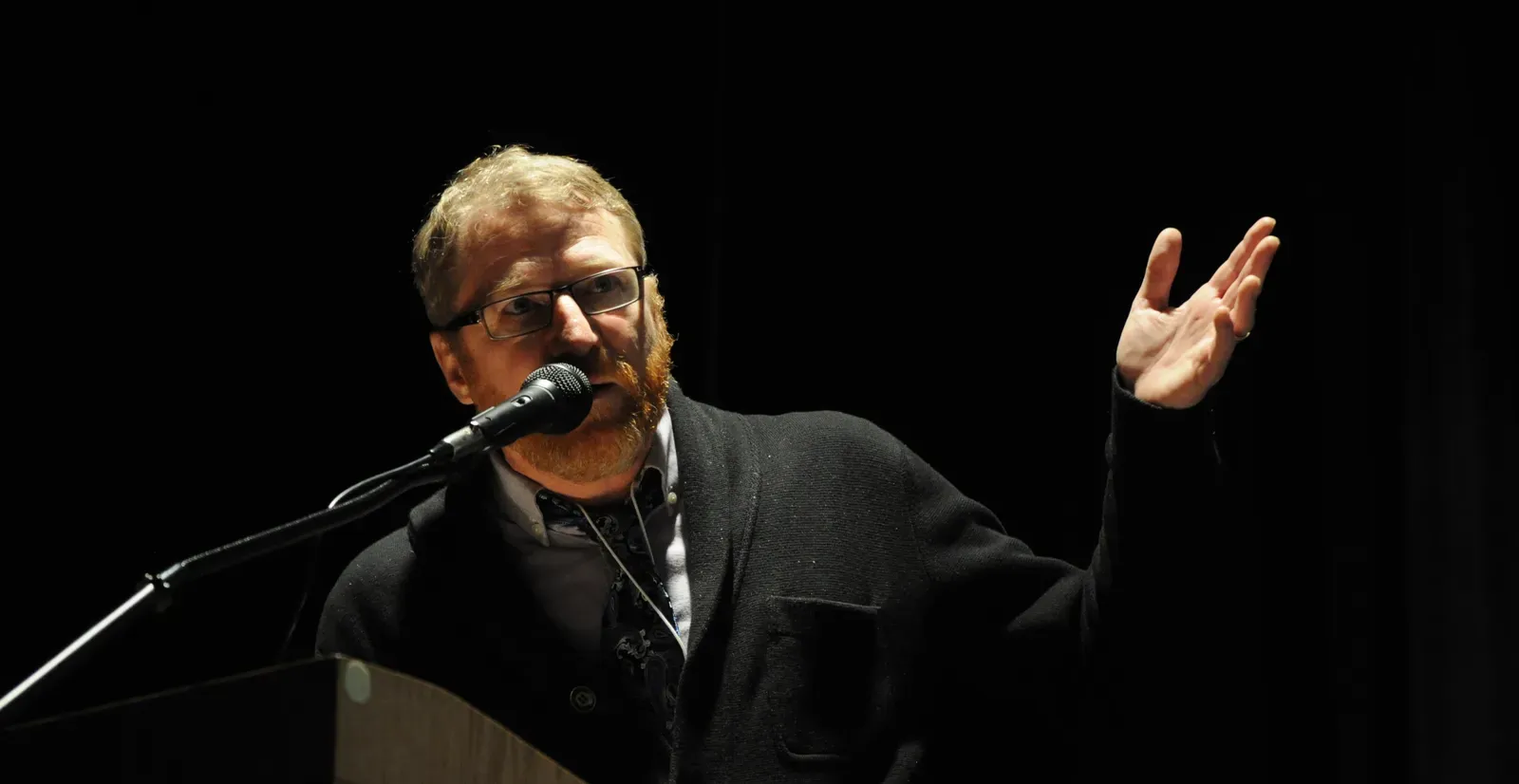
Lowery occupies an unusual space in American cinema, moving fluidly between intimate art films and Disney-scale productions. He directed the 2016 remake of Pete’s Dragon for Disney, then turned around and made A Ghost Story, a meditative, largely wordless film starring Casey Affleck under a bedsheet, one of the more unlikely images to become a genuine arthouse conversation piece.
His 2021 film The Green Knight, an atmospheric retelling of the Arthurian legend starring Dev Patel, further demonstrated his range and his willingness to make demanding, unconventional choices even with bigger budgets. Few directors move this comfortably between studio work and experimental filmmaking, yet Lowery’s name rarely comes up outside conversations specifically about his films. His versatility, oddly enough, may be part of why he hasn’t built the kind of singular brand recognition that sticks in the public imagination.
Partner offer

5. Ana Lily Amirpour

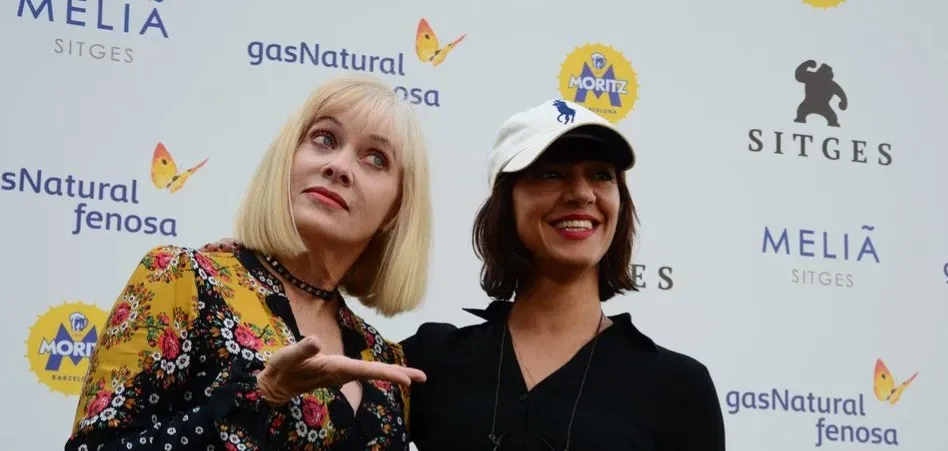
Amirpour announced herself in 2014 with A Girl Walks Home Alone at Night, a black-and-white Iranian vampire western shot in California and spoken almost entirely in Farsi. The premise alone should have made her a name people remembered, and among genre and arthouse audiences, it did exactly that.
She followed it with The Bad Batch and Mona Lisa and the Blood Moon, films that continued her interest in strange, hybrid genre spaces populated by outsiders and misfits. Her visual style, heavily influenced by spaghetti westerns and midnight movie traditions, is distinctive enough that fans can usually spot her work within minutes. Still, she remains a cult figure rather than a widely recognized one, her films finding devoted pockets of admirers rather than mainstream attention.
6. Trey Edward Shults

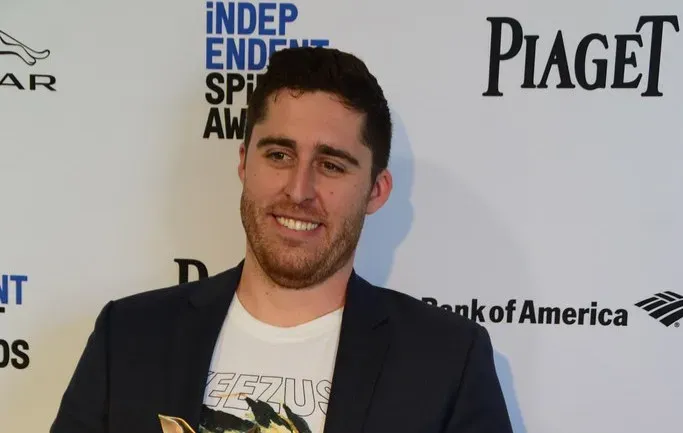
Shults emerged with Krisha in 2015, a tense family drama made with a shoestring budget and cast largely with his own relatives, including his aunt in the title role. The film’s raw intensity, shot in a real family home over a matter of days, announced a director unusually skilled at capturing psychological unraveling in real time.
He followed that with It Comes at Night, a slow-burn horror film about paranoia and isolation, and then Waves in 2019, an ambitious family drama that shifts tone and even aspect ratio partway through. Each film has been distinct in genre and structure, which speaks to genuine range, but it’s also made it harder for casual audiences to pin down exactly who he is or what a “Trey Edward Shults film” means. That lack of an easy shorthand may be exactly why his name hasn’t stuck the way it probably should.
7. Karyn Kusama

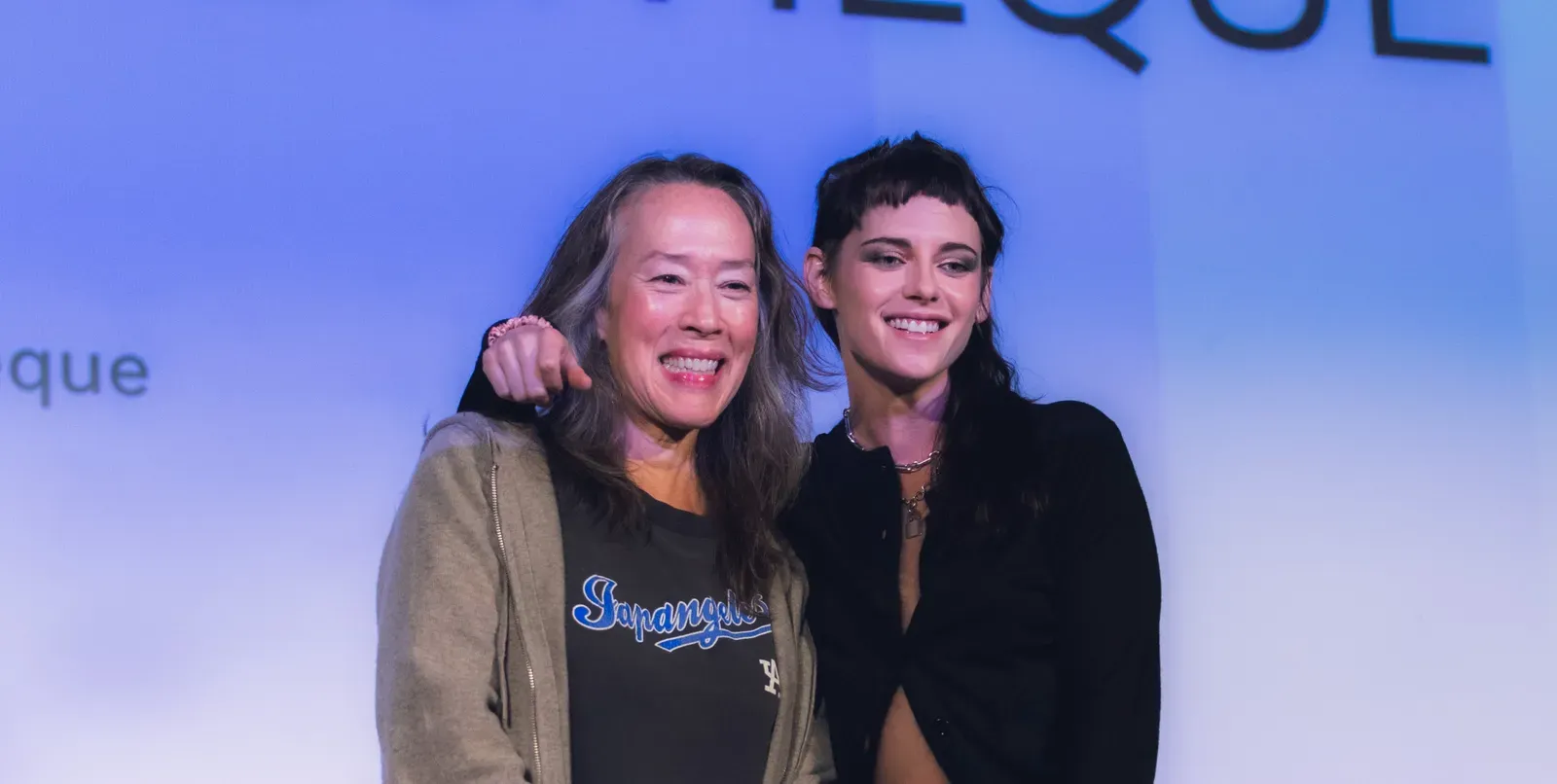
Kusama’s career includes one of the more unusual trajectories in modern American film. She debuted with Girlfight in 2000, a boxing drama that helped launch Michelle Rodriguez’s career, then found herself directing Jennifer’s Body in 2009, a horror comedy that was misunderstood on release and has since been reevaluated as a smart, feminist genre film years ahead of its time.
Her 2018 film Destroyer, starring Nicole Kidman in a heavily transformed, unglamorous role, earned strong reviews and reminded critics just how precise her control over tone and pacing can be. Kusama has also directed extensively for television, including work on Yellowjackets, further proof of a versatile, dependable filmmaker whose name still doesn’t carry the recognition her filmography suggests it should. Few directors have bounced between genre reappraisal, awards buzz, and prestige television quite as capably while remaining this under-the-radar.
Recognition in the film industry doesn’t always track with talent, and these seven names make that gap pretty clear. Budgets, marketing muscle, and sheer luck often determine who becomes a household name far more than the quality of the work itself. For anyone looking to catch up, though, each of these filmographies offers plenty of reward for the time invested.Partner offer
Planning a trip to Vegas?
Compare hotel rates and show tickets on VEGAS.com.