There’s a specific kind of gut punch that comes from realizing a movie you remember as “recent” is now old enough to have a mortgage. Nineteen ninety-six doesn’t feel like ancient history, yet here we are in 2026, and a handful of films from that year are quietly hitting the three decade mark. These aren’t obscure titles either. They shaped how people talked about movies for years afterward. What’s strange is how differently each of these three films has aged. Some feel frozen in a very specific cultural moment, while others could have been made last year and nobody would blink. Here’s a look at three 1996 releases turning 30 this year, and why they still matter.
1. Fargo

Fargo hit American theaters in a limited release before expanding wider, and by the time awards season rolled around it had become one of the defining films of the decade. The film was written, directed, produced and edited by Joel and Ethan Coen, and it starred Frances McDormand as the pregnant, unfailingly polite police chief Marge Gunderson investigating a kidnapping scheme gone horribly wrong. The movie premiered in the U.S. in March, then traveled to Cannes, where it premiered at the Cannes film festival, where Joel Coen won the award for best director.
What made Fargo endure wasn’t spectacle. It was tone, that odd blend of Midwestern niceness and sudden brutal violence that nobody had quite captured on screen before. Fargo received seven Oscar nominations at the 69th Academy Awards, including Best Picture, Best Director, and Best Supporting Actor for Macy, winning two: Best Actress for McDormand and Best Original Screenplay for the Coens. Three decades later, the film still gets cited constantly, partly because it spawned an entire FX anthology series that borrowed its name and its sensibility, keeping the original’s woodchipper-adjacent legend alive for a whole new generation.
2. Independence Day

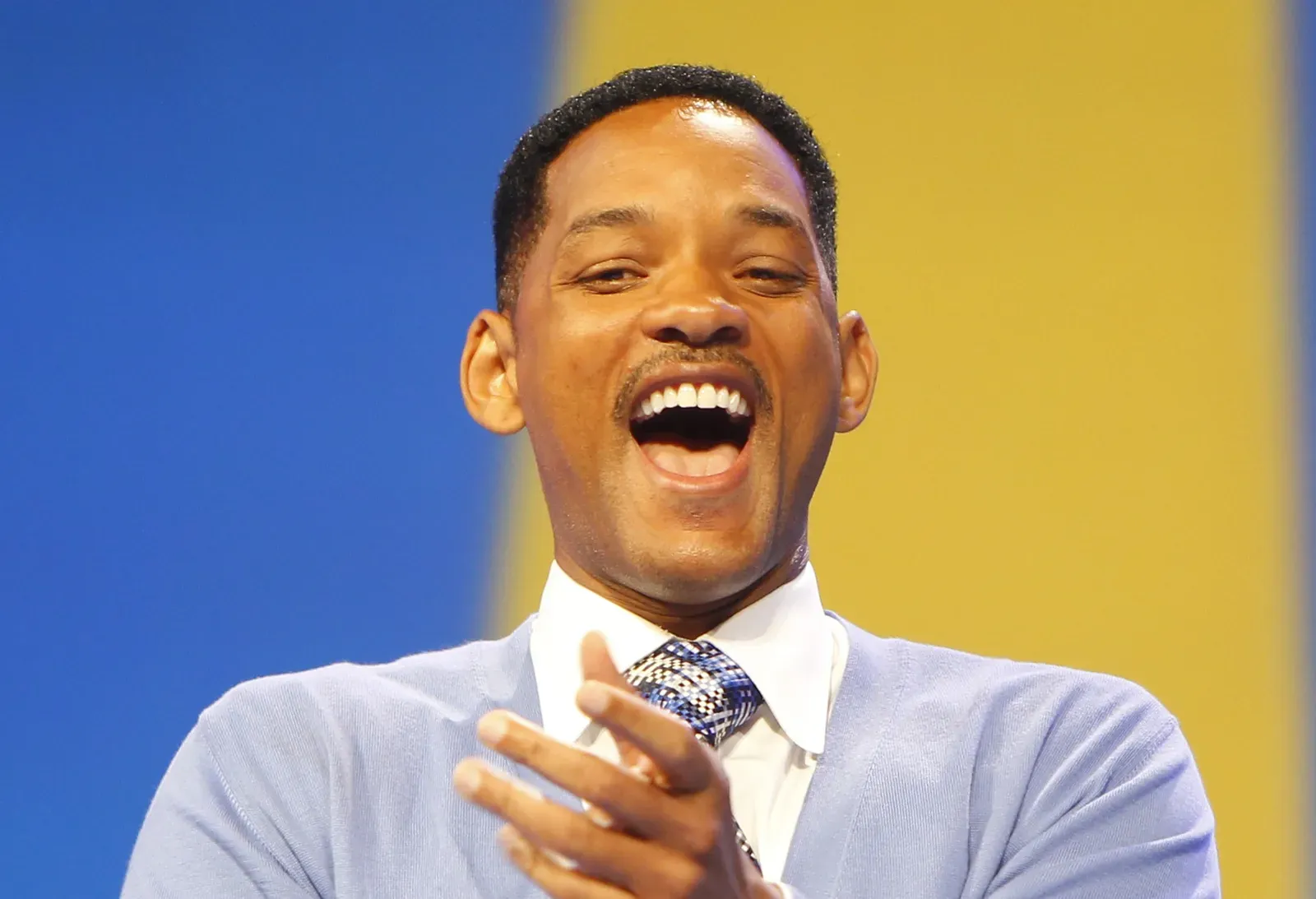
If Fargo was 1996’s critical darling, Independence Day was its box office monster. Roland Emmerich directed the film, and it turned the Fourth of July weekend into the backdrop for a full scale alien invasion, with Will Smith and Bill Pullman leading a scrappy human resistance. It was released worldwide on July 3, 1996, by 20th Century Fox, arriving with a wave of anticipation that summer blockbusters rarely generate anymore.
Partner offer

The numbers alone explain why it became a cultural fixture. It grossed over $817.4 million worldwide, an enormous haul for the mid nineties that made it the year’s top earner globally. Considered a significant turning point in the history of the Hollywood blockbuster, Independence Day was at the forefront of the large-scale disaster film and sci-fi resurgence of the mid-late 1990s. Watching it now feels a little like time travel, all those pre-CGI-fatigue practical effects and that earnest, unironic patriotism that a modern blockbuster would probably wrap in several layers of self-awareness.
3. Trainspotting
Across the Atlantic, a much smaller, much scrappier film was doing something entirely different with 1996. Based on the 1993 novel by Irvine Welsh, the film was released in the United Kingdom on 23 February 1996, introducing much of the world to Ewan McGregor and Danny Boyle’s kinetic, unflinching directing style. The film followed a group of heroin addicts in Edinburgh, refusing to sand down the ugliness of addiction while somehow still finding room for dark comedy.
Trainspotting became more than a movie, it became a shorthand for a certain strand of nineties British cool, thanks in large part to a soundtrack packed with Britpop and electronic tracks. The darkly humorous look at heroin addicts, written by Hodge and featuring Shallow Grave star Ewan McGregor, became an international hit and one of the United Kingdom’s highest-grossing films. Its influence stretched far enough that Boyle and most of the original cast reunited decades later for a sequel, proof that audiences never really let go of Renton and his chaotic circle of friends. Three very different films, three very different corners of 1996, and yet they all landed with enough force to still be discussed regularly in 2026. That’s the thing about a genuinely good movie. It doesn’t really age the way people expect it to, even when the calendar insists otherwise. Whichever one hits hardest probably says something about which version of 1996 you actually lived through.
Partner offer
Planning a trip to Vegas?
Compare hotel rates and show tickets on VEGAS.com.