Some of the most quoted, most parodied, most enduring moments in movie history were never supposed to exist. A sick actor, a wandering stray, a special effect that malfunctioned at just the right moment. These are the kinds of unplanned events that, on paper, should have derailed a shoot but instead became the scene everyone remembers. What follows are seven cases where the camera caught something the script never asked for, and the result outlasted the movie’s original intentions.
1. Jaws and the boat that wasn’t big enough

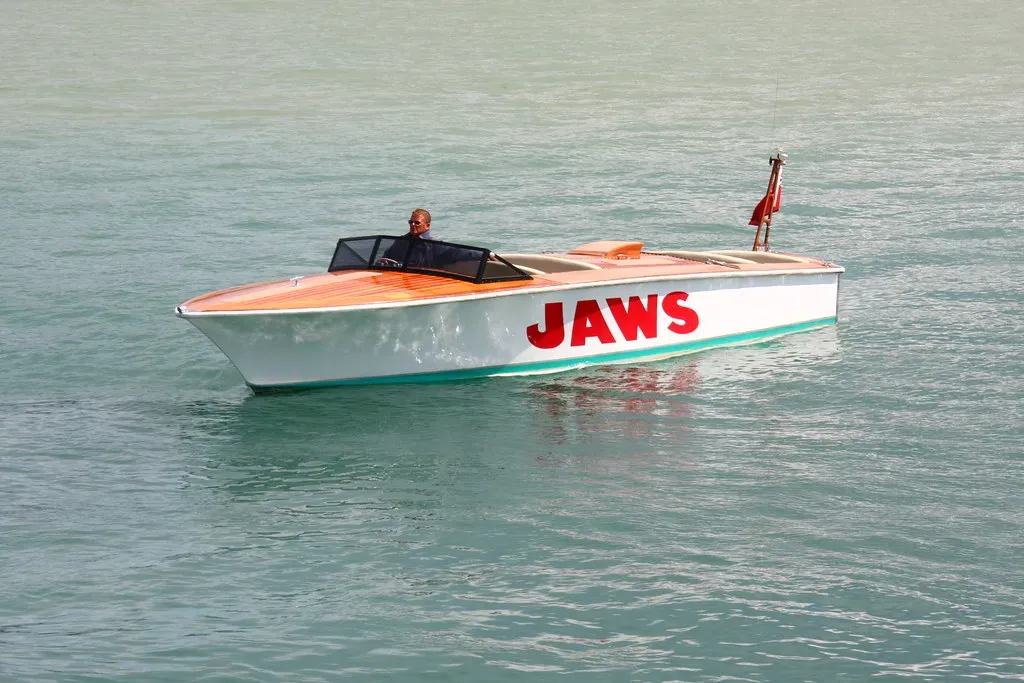
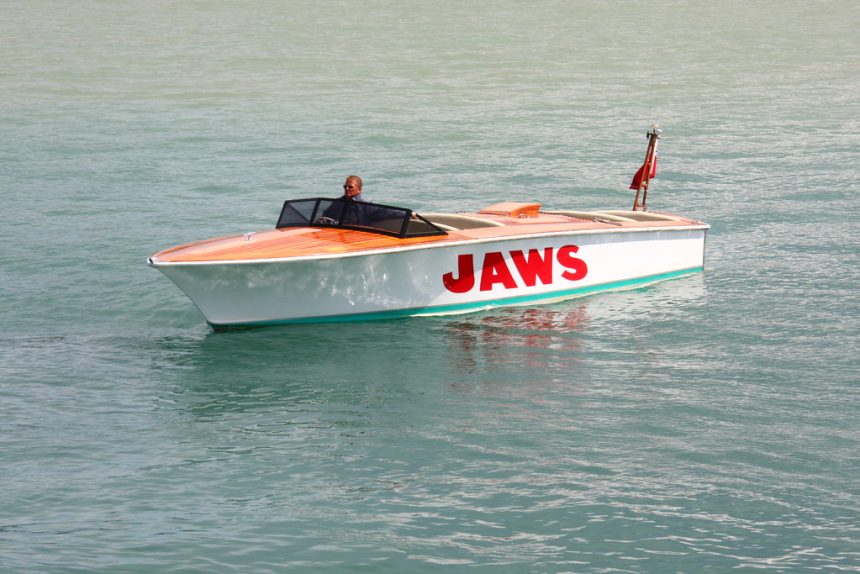
The most quoted line from Jaws was never written down. According to screenwriter Carl Gottlieb, the line came about during rewrites of the film and reflected their “real life problem” of having too small of a boat to carry all the necessary equipment while shooting in the ocean. Crew members grumbled about the undersized support vessel so often that it became a running joke on set.
Gottlieb recalled that Zanuck and Brown were stingy producers, so everyone kept telling them they’d need a bigger boat, and it became a catchphrase for any time anything went wrong. Roy Scheider liked the bit so much he started slipping it into takes as a private joke, and one delivery, right as Chief Brody first sees the shark up close, made it into the final cut. The mechanical shark’s constant breakdowns had already forced Spielberg to shoot around it for most of the film, which left unusual amounts of time for this kind of loose, improvisational polish.
2. The Godfather’s uninvited cat

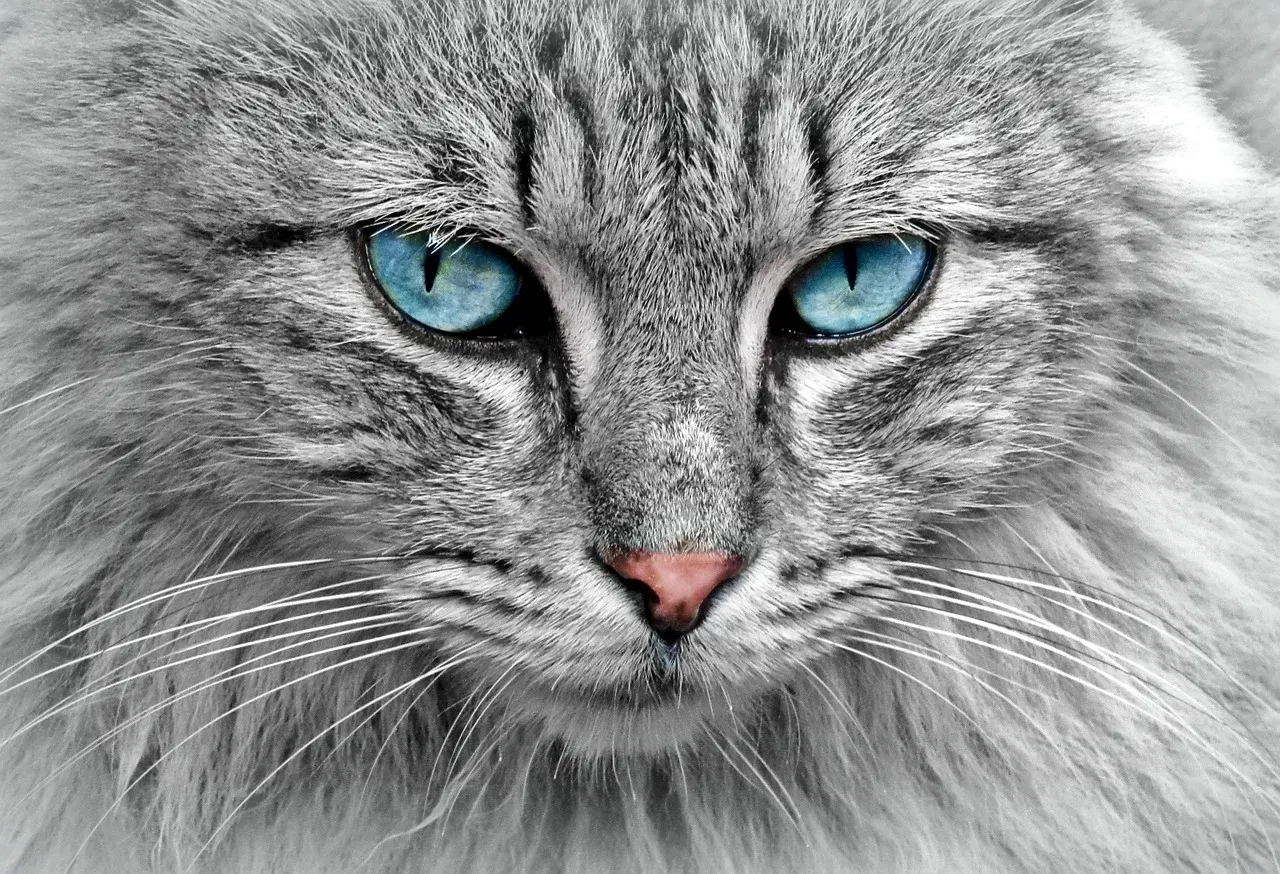
The opening scene of The Godfather features Marlon Brando calmly stroking a cat while arranging violence, and that cat was never part of the plan. Coppola later explained that the cat in Marlon’s hands was not planned for, and that he saw the cat running around the studio and put it in his hands without a word. It was a stray wandering the Paramount lot, scooped up moments before the cameras rolled.
The addition nearly backfired. The cat’s purring muffled some of Brando’s dialogue, and as a result, most of his lines had to be looped. Even so, the image of a mafia patriarch gently petting an animal while discussing favors and debts became one of the most imitated openings in cinema, referenced everywhere from cartoons to later gangster films.
3. Raiders of the Lost Ark and a bad case of dysentery

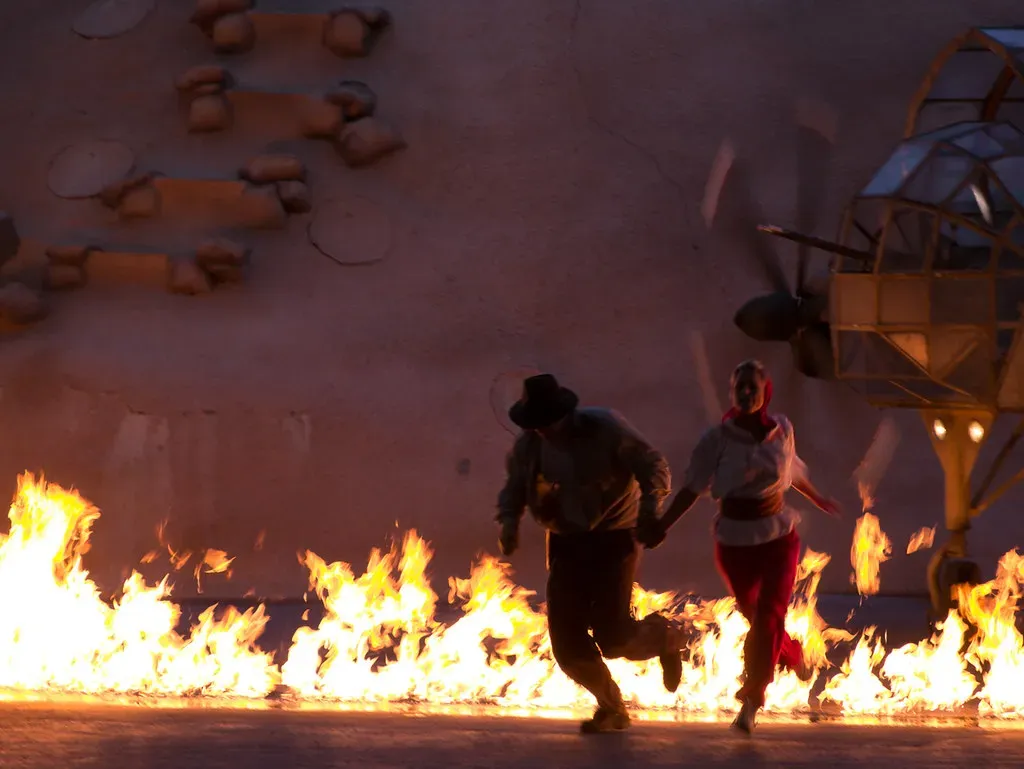
Indiana Jones facing down a sword-wielding assailant and simply shooting him is one of the most famous punchlines in adventure filmmaking, and it exists because Harrison Ford got sick. Ford had been ill with dysentery for several days while shooting in Tunisia, and the script called for a three and a half page fight between Indiana Jones and the scimitar guy, but Ford asked if they could shoot the scene differently. Filming in temperatures that regularly climbed past 130 degrees hadn’t helped matters.
Ford has described the exchange with Spielberg directly. He recalled telling Spielberg, “why don’t we just shoot this sumb***h?” and Spielberg answering, “I was thinking that, too!” The shortened scene also happened to solve a scheduling problem, since cutting the fight scene meant the production was another day ahead of schedule. A stuntman who had trained for weeks got two seconds of screen time, but the film got one of its most quoted beats.
4. Alien’s chestburster and reactions nobody faked

Ridley Scott wanted genuine terror from his cast for the moment a creature erupts from John Hurt’s character, so he largely kept them in the dark. The script only read “This thing emerges,” and none of the cast were told about the level of gruesomeness, because Scott believed an actor just acting terrified couldn’t produce a genuine look of raw, animal fear. The effects team used real butcher shop organs and pumped hoses of fake blood to make the moment as visceral as possible.
The gamble paid off in a way Scott hadn’t fully anticipated. When the gag was set in motion, actress Veronica Cartwright was immediately hit by a spurt of blood and was so shocked that she passed out on the spot. That unrehearsed jolt of fear is still what makes the scene land nearly five decades later, long after the practical effects themselves have been studied and imitated by other films.
5. The Shining’s borrowed catchphrase

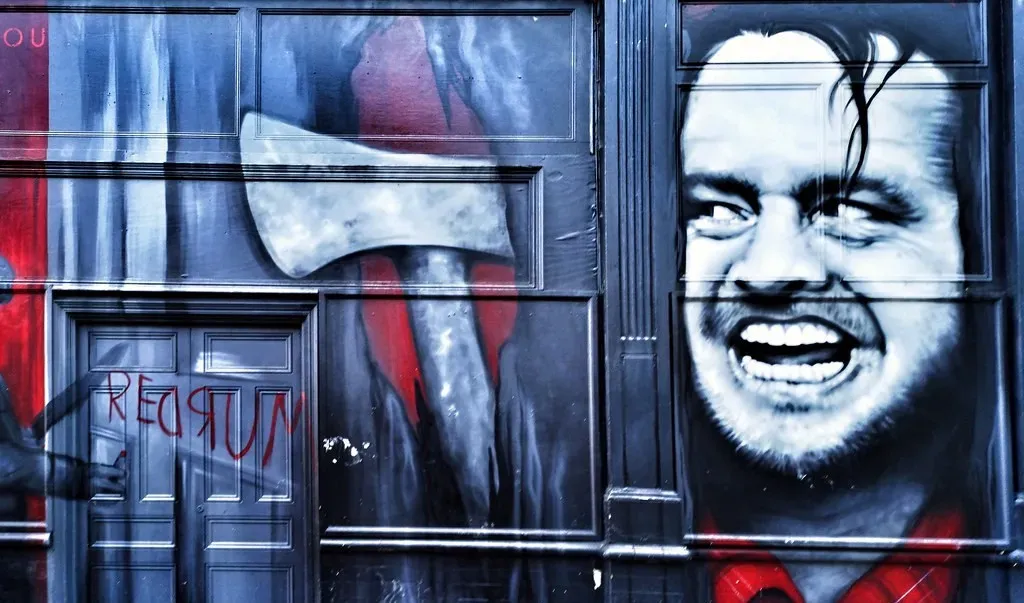
Jack Nicholson’s “Here’s Johnny!” is one of the most instantly recognizable lines in horror, and it wasn’t in Stephen King’s novel or the shooting script. Nicholson didn’t warn anyone when he shouted this late-night talk show catchphrase, which came from Johnny Carson’s famous Tonight Show intro, but it was Nicholson who brought it to horror history. The line worked precisely because it was so familiar and so wildly out of place in that moment of terror.
Kubrick, known for obsessively controlling every detail of his productions, kept the improvised line because it heightened the disturbing humor of Jack Torrance’s breakdown. The gag depends on American audiences recognizing the phrase instantly, which limited how the joke translated internationally, since Carson’s show wasn’t broadcast everywhere. Even so, the scene has become shorthand for cinematic menace on its own, independent of the reference that inspired it.
6. Casablanca’s parting toast


“Here’s looking at you, kid” is arguably the most romantic line in classic Hollywood, and it reportedly came from Humphrey Bogart rather than the screenwriters. One of the most quoted lines from the movie, “Here’s looking at you, kid,” was completely unplanned, with Bogart improvising it while filming a scene with Ingrid Bergman. The line’s simplicity is part of what makes it stick, a toast that says everything about longing and restraint without stating either directly.
Casablanca was famously written and rewritten during production, with pages sometimes arriving on set the same day they were shot, so a degree of improvisation wasn’t unusual for the film overall. What sets this moment apart is how completely it eclipsed the scripted dialogue around it. Decades later, it remains one of the most referenced lines in American film, often used even by people who have never seen the movie itself.
7. Anchorman’s love letter to a lamp

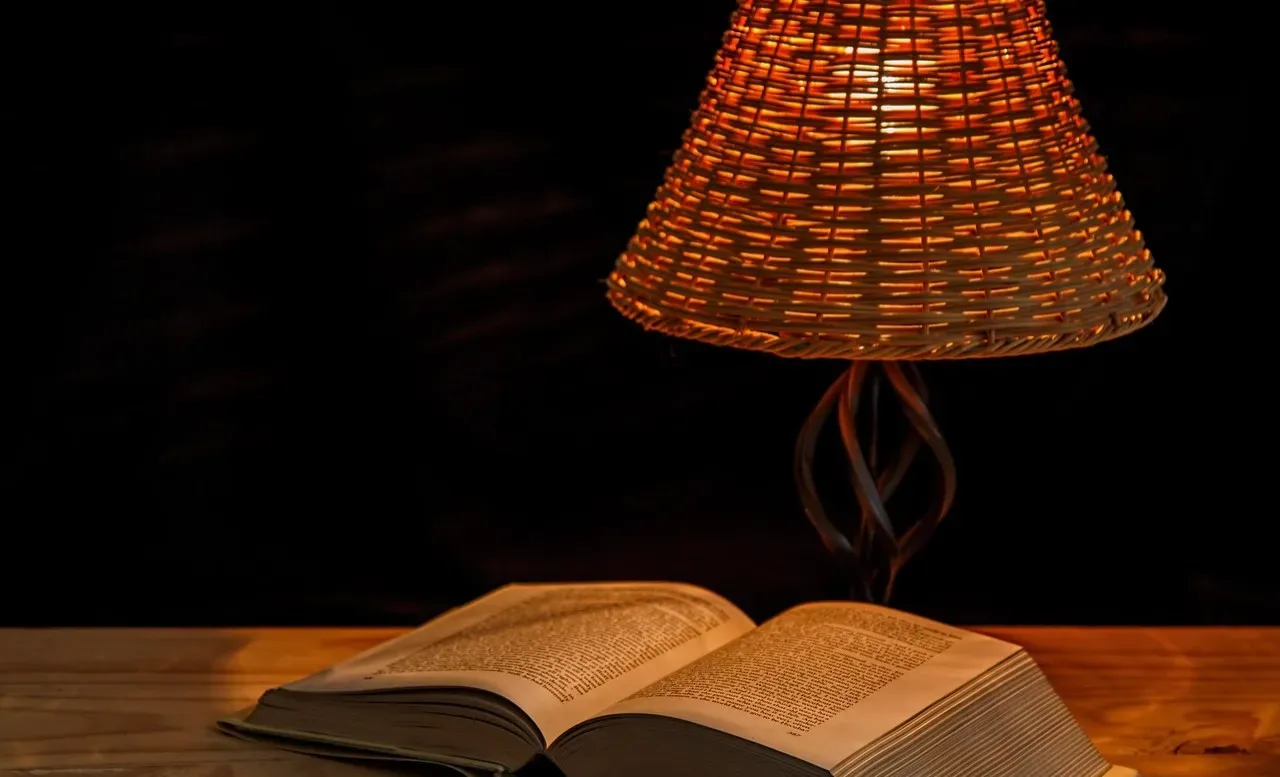
Brick Tamland’s rambling declaration of love for household objects, ending in the now-famous “I love lamp,” exists because the character simply didn’t have enough dialogue written for the scene. Steve Carell has explained that director Adam McKay told him the most iconic scene was the result of director Adam McKay wanting to give Carell more lines, allowing him to improvise. With nothing scripted to say, Carell just began naming whatever was in his sightline.
Partner offer

Carell later described the moment plainly. “The ‘I love lamp’ thing was just me at the end of a scene staring at a lamp and I said ‘I love lamp’ and Will [Ferrell] picked up on it and said, ‘You’re just saying things you’re looking at.'” Will Ferrell’s in-character response, treating the non sequitur as though it were a real personality trait, is part of what sold the joke and turned it into one of the most quoted lines from any 2000s comedy. These seven scenes share a common thread beyond their fame. Each one arose from a problem, whether illness, a malfunctioning effect, a missing line, or a stray animal wandering onto a studio lot, and each was preserved because someone on set recognized that the accident was better than the plan. That willingness to keep the unscripted moment, rather than reshoot it into something tidier, is often what separates a forgettable scene from a lasting one.
Partner offer
Planning a trip to Vegas?
Compare hotel rates and show tickets on VEGAS.com.