There’s a particular kind of disappointment that only television can produce. You invest years in a story, in characters who feel almost real, in mysteries you genuinely can’t stop thinking about. Then the finale airs, and something breaks. Not loudly, not dramatically. It just quietly deflates, and you sit there wondering what that was all supposed to be for.
Some shows earn their place on this list through a single catastrophic ending. Others erode slowly, season by season, until there’s nothing worth returning to. Either way, the result is the same: viewers who’ve made their peace and moved on, with absolutely no intention of going back.
1. Game of Thrones
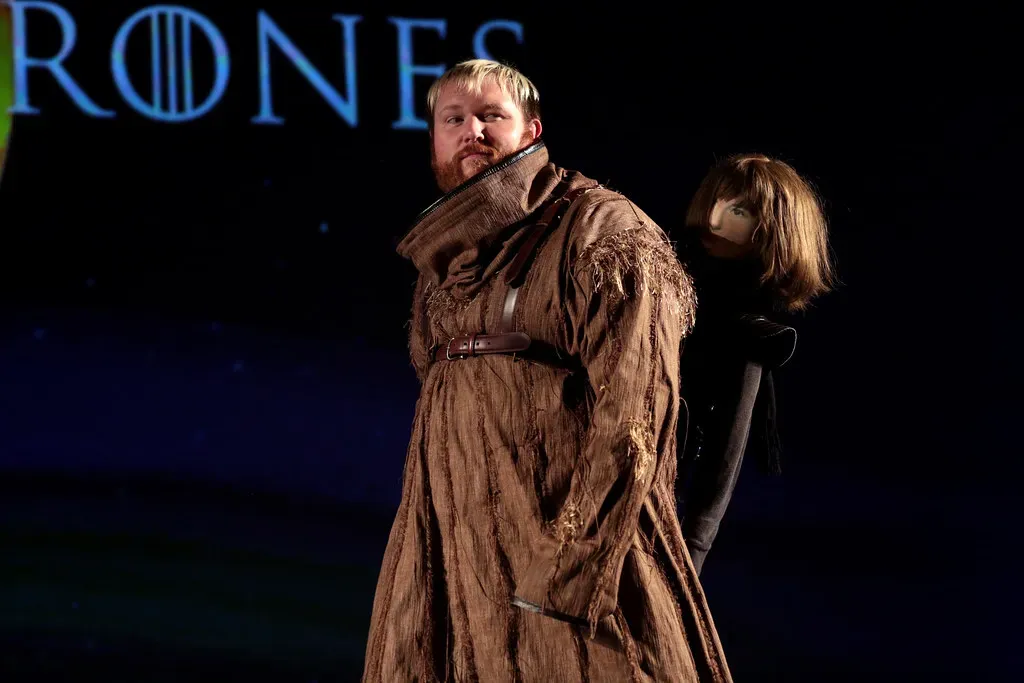
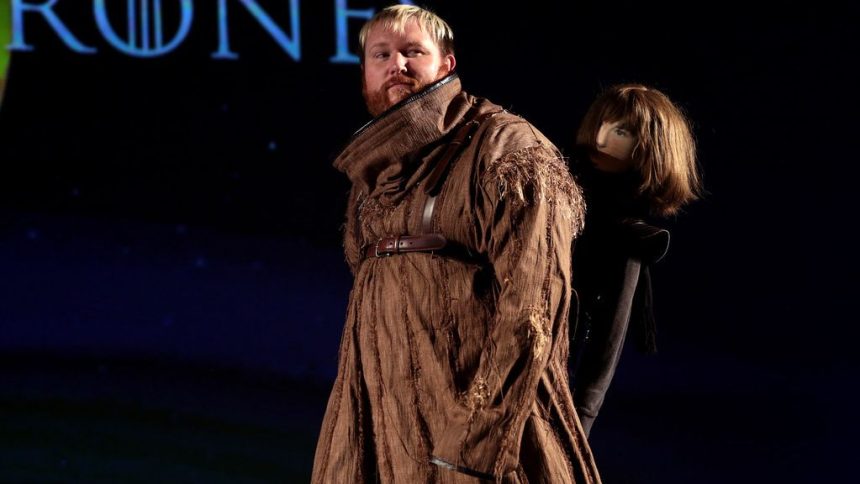
Where Game of Thrones once looked to be a surefire box set classic for years to come, Season 8’s infamous reputation appears to have killed those hopes, or at least left them seriously wounded. The show had spent years building one of the most intricate, character-driven narratives television had ever seen, and that made what followed all the more painful.
As the final season progressed in 2019, it became clear that the show would not resolve the way its legion of fans had hoped. A major reason the finale was so bad was its preceding episode, which essentially went from zero to one hundred regarding Daenerys’ flawed hero-to-villain arc, forcing her and Jon Snow’s arcs to cave in on each other, thereby creating the bizarre outcome in which Bran Stark became king. Fans were so disappointed in the Game of Thrones finale that they actually petitioned for it to be remade.
2. How I Met Your Mother
![2. How I Met Your Mother (originally posted to Flickr as [1], CC BY-SA 2.0)](https://nvmwebsites-budwg5g9avh3epea.z03.azurefd.net/lasvegasnews/774f5457b6e2666afcc3074c61ba72aa.webp)
How I Met Your Mother delivered a controversial finale that revealed the mother had been dead for six years, only to have Ted end up with Robin, effectively undermining nine seasons of character development and romantic storylines. It was one of the great long-con betrayals in sitcom history, and audiences felt it.
Beyond just the finale, the entire last season was criticized for focusing too heavily on Barney and Robin’s wedding, only to undo it in the finale. This made many feel as though their time had been wasted, and the episode veering away from the series’ central themes of falling in love and building a family was also criticized. The show could have gone down with other greats where people are constantly rediscovering it on streaming, but the only time anyone ever talks about it now is when discussing how bad the ending is.
3. Dexter
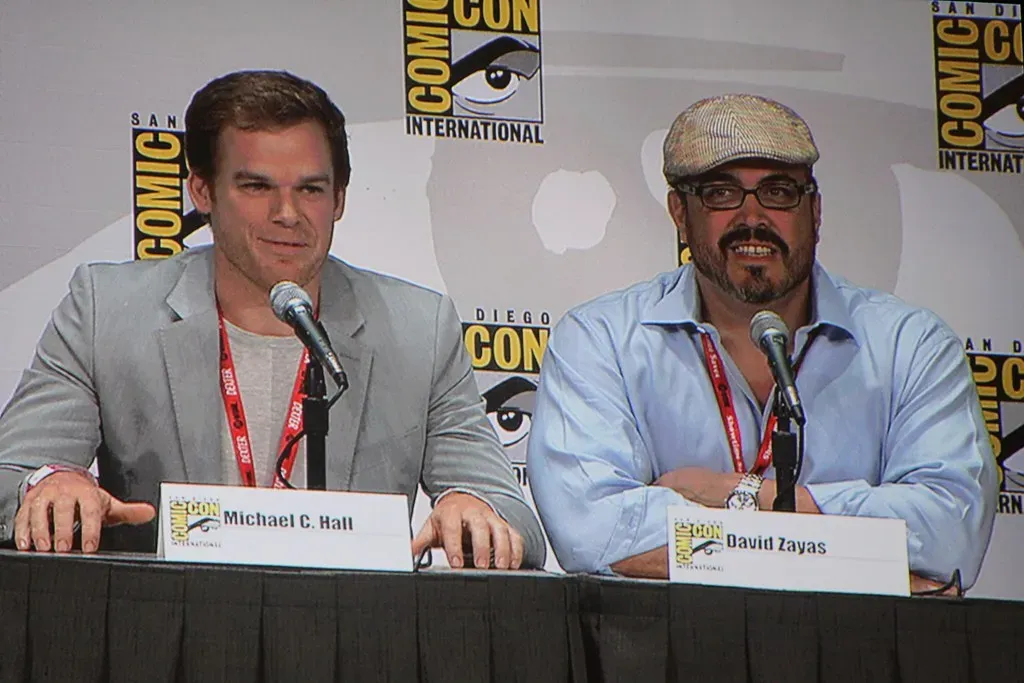
For eight seasons, the original run of Dexter mostly entertained viewers via Michael C. Hall’s excellent portrayal of vigilante serial killer Dexter Morgan, although it arguably ran a couple seasons longer than needed. Even a couple of weaker seasons couldn’t prepare viewers for the thoroughly disappointing series finale. The drop in quality from its celebrated early years to its conclusion was dramatic enough to color the whole experience.
The series finale was the most-watched episode of Dexter’s entire run, and the biggest telecast in Showtime’s history. Dexter’s choices, especially abandoning his son Harrison, were uncharacteristic to his history and the show’s whole themes, which caused huge controversy. The finale wasn’t just disappointing. It rewrote the legacy of the entire series. What could have gone down as one of TV’s boldest dramas is now remembered for botching its ending so badly it became a pop culture punchline.
4. Lost
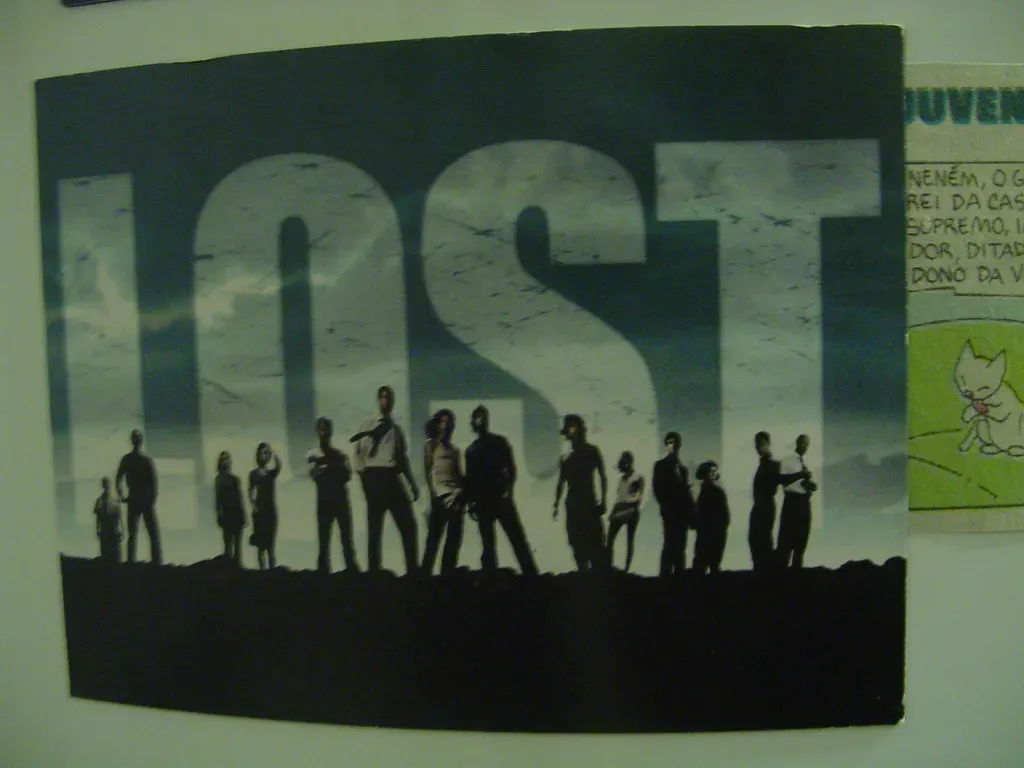
Lost is widely regarded as one of the greatest TV shows of all time, and some would argue that its finale neatly wrapped up the narrative. However, not everyone agrees, as some were unsatisfied with the answers given to some of the show’s longest-running mysteries, and the open-ended nature of certain storylines left important questions dangling. For a show built entirely on the promise of answers, that stings.
Lost concluded with revelations about the flash-sideways timeline being a form of purgatory where the characters reunited after death, though the island events were supposedly real. While some viewers appreciated the emotional character resolutions, many felt cheated by the mystical ending that left numerous plot threads dangling and questions unanswered about the island’s true nature. Despite its universal popularity in the mid to late 2000s, Lost’s very last episode left audiences deflated and more than a little confused, permanently muddying the legacy of this once great sci-fi fantasy series.
5. Pretty Little Liars

Pretty Little Liars was an amazingly suspenseful series. It kept fans guessing and utterly riveted for seven seasons, wondering who “A” was. The answer came way out of left field and wrapped up the entire series more like an episode of a daytime soap opera than the gripping and often terrifying teen drama that it was.
By Season 7, the show felt like it was making things up as it went along. That’s especially true in the series finale, which reveals that the gang’s latest tormentor is the heretofore unknown identical twin sister and impersonator of Spencer: Alex Drake, a psychopathic killer with an inexplicable Cockney accent. The move stunned fans given that A’s constantly shifting identity had allowed the fanbase to continually theorize about who they might be. Many found it jarring that a show filled with so many red herrings and Easter eggs would opt to make its final villain someone nobody had heard of or met before the finale.
6. Seinfeld
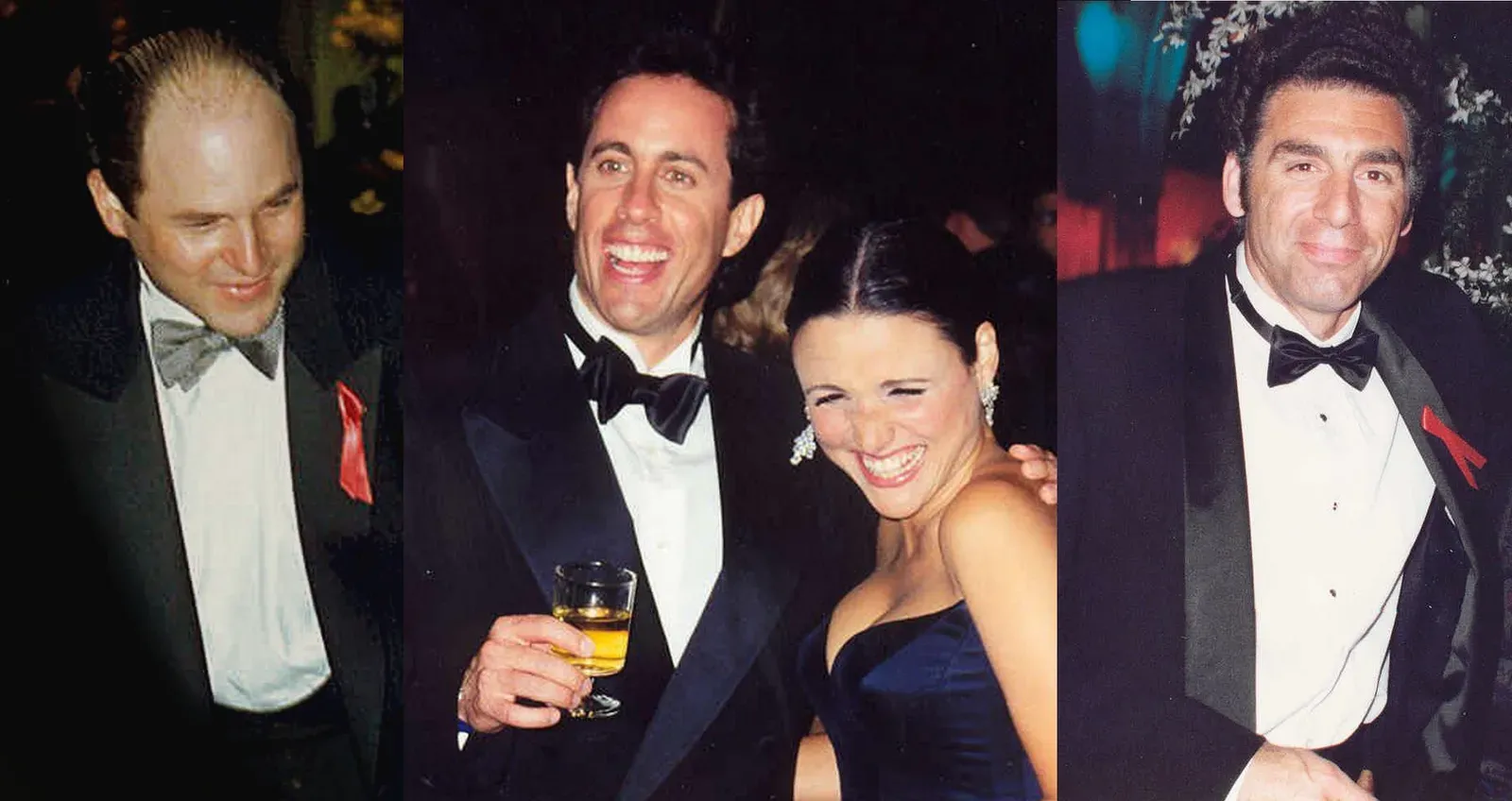
After years of watching Seinfeld feature its otherwise hilarious characters in normal, everyday scenarios, the finale seemed much too big. It didn’t fit the overall tone and removed any semblance of humor, which was a shocking end for such an iconic comedy series. By 1998, it was time for Seinfeld to come to an end, it’s just a shame it didn’t have a better, more representative farewell.
Larry David’s unofficial motto for Seinfeld was “no hugging, no learning,” a hit sitcom about four people too self-absorbed and codependent to ever truly grow or learn from their mistakes. Ironically, the finale tried to deliver a moral reckoning the show had spent nine seasons actively resisting. When most people think of disappointing series finales, there’s a decent chance that Seinfeld’s final episode immediately jumps to mind. Memorably bringing back some of the series’ most popular characters, the finale’s harebrained conclusion left fans more than a little let down, wrapping up an otherwise perfect sitcom with a middling series finale.
7. Battlestar Galactica
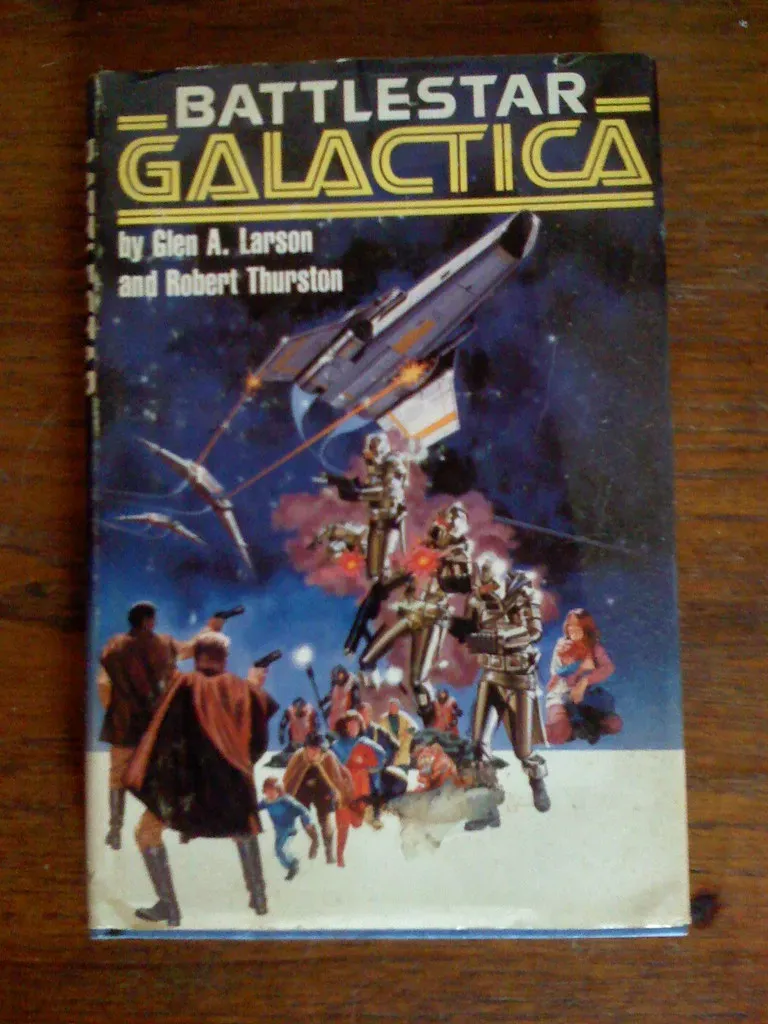
Concluding Season 4 in 2009, Battlestar Galactica’s finale received a very mixed response from audiences and critics alike. The final episode saw the Galactica arrive on a prehistoric Earth, where the surviving crew decided to abandon technology and integrate with the primitive human population. Some thought this a satisfying ending, but too many plot lines went unresolved, the ending was far too idealistic, and the finale lacked any action or drama.
The show’s infamous epilogue, set 150,000 years later in New York City, in which two characters discuss the discovery of Hera’s remains as “mitochondrial Eve,” left many viewers completely baffled. For its calamitous ending, Battlestar Galactica might have been a show for the ages, one new viewers continuously discover. Game of Thrones, Dexter, and Battlestar Galactica stand out as critically adored, boundary-pushing, TV-landscape-redefining properties that fumbled their endings, no matter how you look at it.
What’s striking about this list isn’t the anger these shows inspired. It’s the grief underneath it. People don’t feel burned by bad television they didn’t care about. They feel burned because, for a while, these shows genuinely meant something. The investment was real, which is precisely why walking away for good felt like the only reasonable response.