
There’s a particular kind of fatigue that comes not from listening to bad music, but from being told, repeatedly and insistently, that a merely decent singer is actually a generational genius. The music industry has always been skilled at manufacturing consensus. Label budgets, radio payola, playlist placement, and relentless PR cycles can make almost anyone feel unavoidable. The industry often elevates certain singers through a potent combination of marketing, controversy, and visual appeal, sometimes overshadowing their actual vocal talent. What follows is a look at seven artists who have benefited enormously from that machinery, singers who are talented enough, sure, but whose reputations as vocal legends are considerably larger than the voices behind them.
1. Katy Perry – The Pop Machine That Outlasted Its Novelty

Katy Perry built an empire on spectacle: elaborate stage sets, pastel wigs, and an almost supernatural gift for a radio-ready hook. That talent is real, and it deserves acknowledgment. The issue is how consistently the industry has positioned her as an elite vocalist rather than what she more accurately is: a very effective pop entertainer.
There are moments where her voice sounds flat, particularly during live performances, and Perry simply doesn’t offer the range that many of her peers showcase. When the stage production is stripped away, the vocals have to carry the weight alone, and that’s where the gap between hype and reality tends to show most clearly.
2. Ed Sheeran – Likability as a Substitute for Distinctiveness
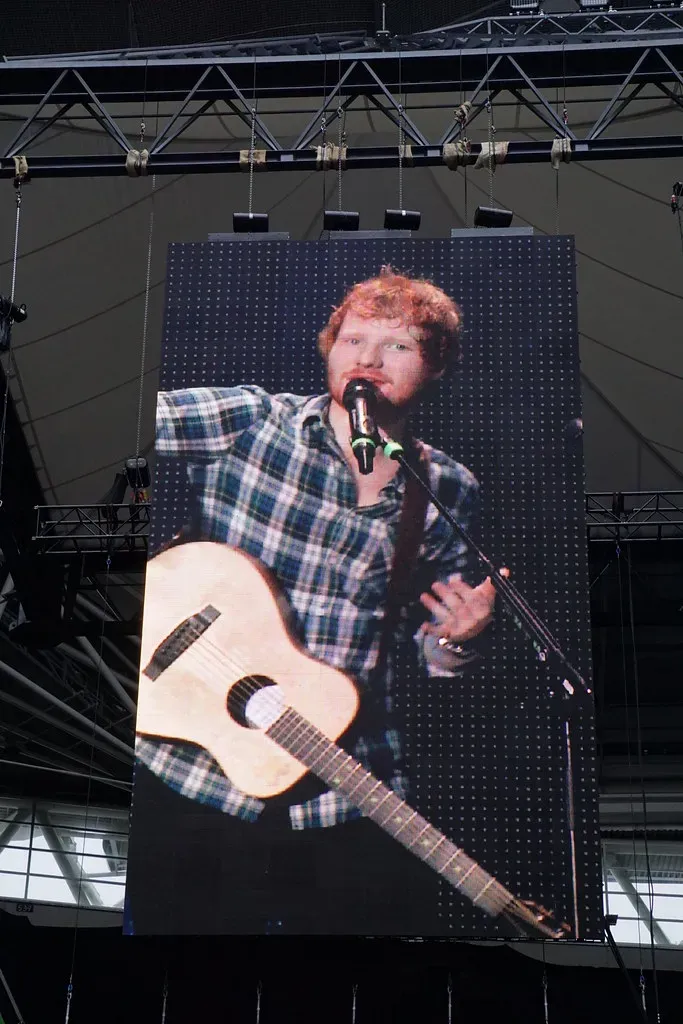
While Ed Sheeran has a decent voice, it’s far from the legendary status many are already putting on him. Sheeran’s popularity stems from the fact that he’s a pop star despite looking like an ordinary guy. This sort of built-in likability has lit his proverbial persona on fire. That relatability is a genuinely powerful commercial asset, and there’s nothing wrong with it. The problem is when it gets confused with exceptional artistry.
His tracks sound pleasant on the first listen but become grating after hearing them on the radio for the fiftieth time. Sheeran writes his own material and plays his instruments, which earns him real credit. Still, the critical establishment treating him as a songwriter on par with the greats of previous generations is a stretch that requires a generous reading of what “distinctive” actually means.
3. Drake – Streaming Dominance Without Vocal Mastery
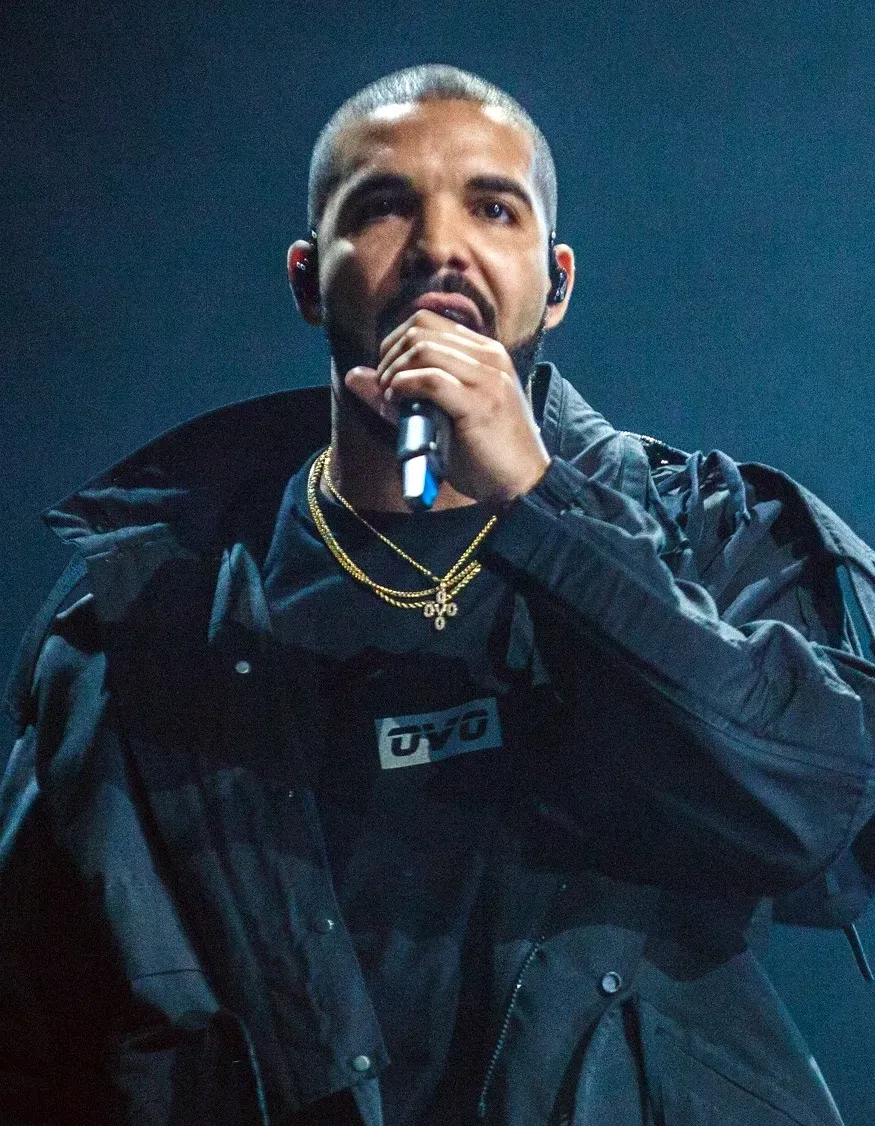
Over eight thousand music fans have voted on overrated pop artists of 2025, with Drake landing in the current top three. His commercial reach is genuinely staggering. The question the overrated conversation keeps circling back to is whether the numbers reflect a truly rare vocal talent or simply an artist who understood algorithm-friendly music before almost anyone else did.
Drake’s persona, his personal brand, and his knack for melancholic hooks have proven enormously effective. His melodic delivery, though, occupies a narrow lane that rarely stretches into anything technically demanding. The industry keeps handing him platforms sized for a vocal titan, and the mismatch between that billing and what he actually brings to a microphone is hard to ignore once you start listening for it.
4. Chris Martin – The Ordinary Voice of an Extraordinary Machine
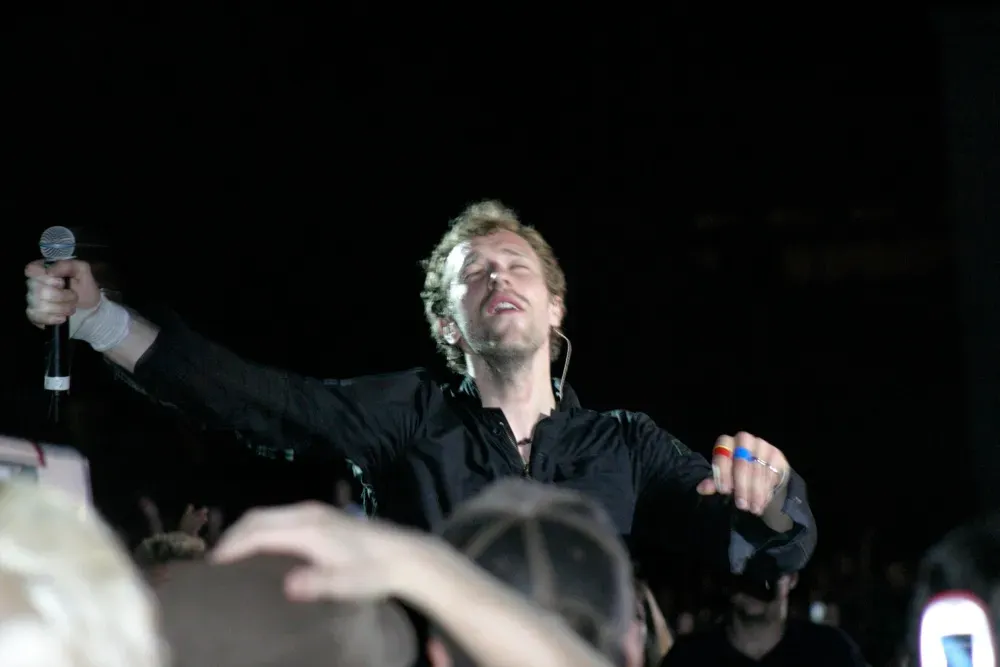
Coldplay gets a lot of flack for being somewhat corny, and much of their sound is influenced by prolific UK-based rock bands that came before them, such as U2, The Smiths, and Oasis. That’s not entirely fair to Chris Martin, who has written songs that have genuinely moved people across continents. The stadium anthems are real. The emotional weight they carry for millions of listeners is real.
Lead singer Chris Martin’s voice is nothing more than ordinary. He’s adequate at what he does, though in no way does he have the range that plenty of other frontmen have. While Coldplay’s songs can be both inspirational and entertaining, Martin’s voice leaves you wanting more. The band’s songwriting and production do most of the heavy lifting, which is fine artistically, but it complicates the narrative that Martin is one of rock’s essential voices.
Partner offer
5. Imagine Dragons – Formula Dressed Up as Emotion

Imagine Dragons are apparently a “rock” band, but a lot of rock fans don’t want to accept them as rock because they sound like “pop” or not hard enough as rock is supposed to be. The genre identity confusion is telling. They’re too polished for rock purists and too guitar-adjacent for the pop mainstream, yet radio stations and streaming playlists have kept them positioned as a prestige act for years.
The band’s ability to craft earworms is undeniable, but many argue their music lacks depth or originality. Each album follows a similar blueprint: loud drums, inspirational lyrics, and production designed for maximum stadium impact. Dan Reynolds has a powerful voice in a narrow register, but the industry’s insistence on treating Imagine Dragons as one of the defining rock acts of their era says more about the hunger for a safe, broadcast-ready “rock sound” than it does about genuine artistic ambition.
6. Miley Cyrus – An Entertainer Who Got Rebranded as a Vocalist
![6. Miley Cyrus - An Entertainer Who Got Rebranded as a Vocalist ([1], CC BY 2.0)](https://nvmwebsites-budwg5g9avh3epea.z03.azurefd.net/lasvegasnews/5ad30c8fc677da7576ed0ad1fa2fea75.webp)
If we’re talking about strictly performance-based work, she’s quite talented. Few child actors sustained the success Cyrus did. The ability to then transition to the world of music is no small feat. That transition was real, and it took courage. The problem is that the transition was framed not just as a career pivot but as the emergence of a serious vocalist, which put a spotlight on a voice that genuinely works in certain contexts and struggles in others.
The trouble with Miley is that she doesn’t stick to the sort of songs that her voice fits. Crossing over into genres that don’t match her voice has placed her sub-par singing abilities on full display. When she stays in her lane, she can be genuinely compelling. When the industry asks her to be something more vocally expansive than she is, the seams show. The Grammy attention and critical fawning that followed “Flowers” treated a very good pop moment as if it were a vocal landmark. It wasn’t, quite.
7. Bono – A Cultural Icon With a Voice That Gets More Credit Than It Earns

Bono has spent half a century being treated as one of rock’s preeminent voices, and that reputation rests on some genuine peaks. The early U2 catalog has moments of real emotional power. His advocacy work, his stage presence, and his instinct for a melody that feels sweeping and significant have served him well across decades.
Bono has had a positive impact on change in the world, and the story of old friends becoming one of the globe’s greatest rock bands is genuinely compelling. But as a frontman, he’s a little like a film starring Kevin Costner: he’s knocked a couple out of the park, but sometimes you feel like he’s phoning it in. The same thing can be said for Bono. His vocal limitations have become more apparent with each decade, and the reverence the industry still attaches to his name reflects legacy rather than current vocal merit.
A Final Thought on What “Overrated” Actually Means

Calling a singer overrated isn’t a dismissal of their success or their cultural impact. It’s a calibration. The music industry often elevates certain singers through a potent combination of marketing, controversy, and visual appeal, sometimes overshadowing their actual vocal talent, and while many such artists do possess undeniable skills, their reputations as elite vocalists are exaggerated due to their celebrity status. That gap between reputation and reality is worth naming.
None of these seven artists built their careers purely on smoke. Each has produced work worth hearing. The more useful question isn’t whether they’re talented, it’s whether the scale of the industry’s investment in their mythologies matches the actual evidence in their voices. More often than not, the answer is a quiet, honest no.
Partner offer
Planning a trip to Vegas?
Compare hotel rates and show tickets on VEGAS.com.