


Critics hold a strange kind of power in cinema. A savage early review can empty a theater in a weekend, consign a film to the discount bin, and follow a director’s reputation for years. Yet film history is full of cases where those verdicts aged badly. Some movies turned out to be simply too weird, too dark, or too far ahead of the cultural moment to be understood by anyone in 1982 or 1997.
The term “cult classic” serves a very specific function, designating a film that gains a slow-burning fandom as the years drag on after its initial release, receiving reevaluation or simply more fervent enthusiasm from critics or fans. The seven films below all share that trajectory. Critics dismissed them. Audiences mostly stayed away. Then something shifted.
Blade Runner (1982)


Loosely based on a novel by Philip K. Dick, Blade Runner follows cop Rick Deckard as he hunts down rogue synthetic humans. The film underperformed upon release in 1982, with critics faulting the lack of action and slower pacing. Studio meddling and a tacked-on voiceover did not help matters. Audiences expecting Harrison Ford to reprise the energy of Han Solo found instead a rain-soaked meditation on identity and mortality.
The home video market, along with the 1992 Director’s Cut, reframed Blade Runner as a visionary work of neo-noir sci-fi. Its visual style, world-building, and philosophical themes have since influenced generations of filmmakers, writers, and game designers. The film has grown so much in cultural influence and popularity that it is now often cited as a seminal work in film theory.
The Thing (1982)

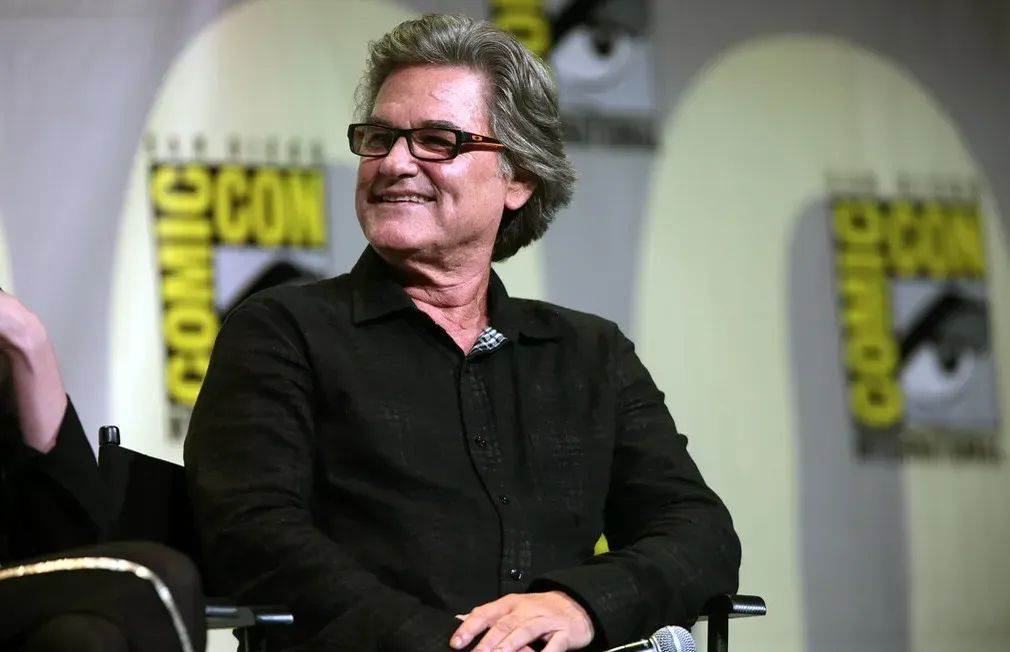
John Carpenter’s remake earned scathing reviews on release, with critics calling it “instant junk.” Making just $19.9 million against its budget, the film had the misfortune of competing with E.T., which was busy melting hearts that same summer. Critics claimed the movie had flat characters, a “drab visual sense,” and a relentlessly bleak tone. Its paranoid, shape-shifting terror was simply too much for audiences still recovering from Spielberg’s warm glow.
Fast forward to today, and those same gross-out practical effects by Rob Bottin are hailed as revolutionary. The Thing has been completely reassessed as a masterpiece of horror that still makes viewers paranoid decades later. It is now considered one of the greatest horror films ever made, often cited for its tension and practical effects.
Eraserhead (1977)

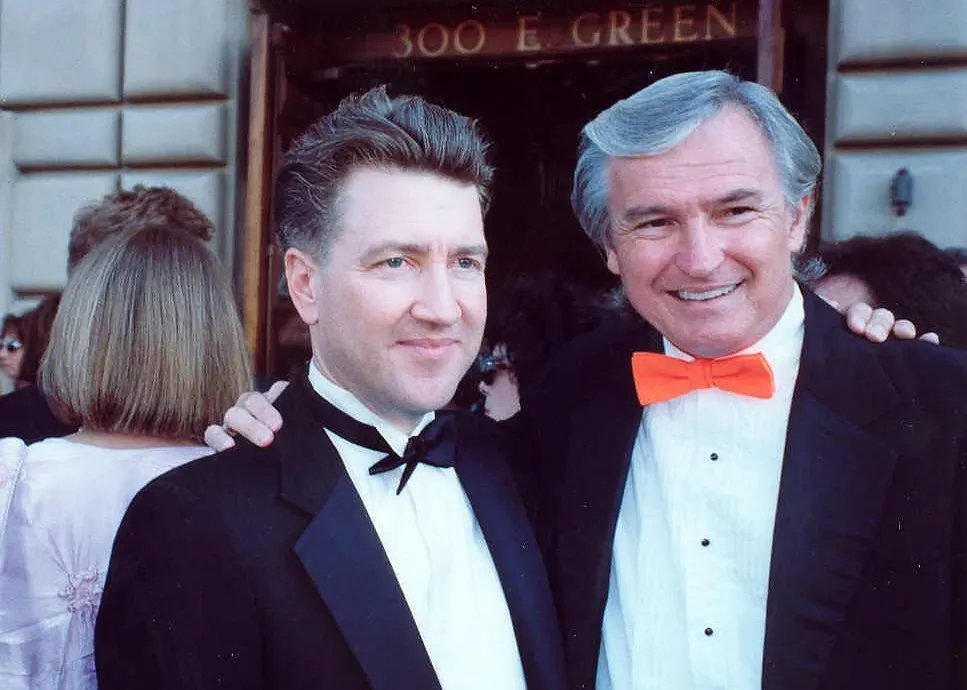
David Lynch’s feature debut continues to delight and confound viewers after nearly 50 years, but upon its extremely small premiere it was deeply divisive. The experimental art film about a hapless man left to care for his deformed child inspired initial negative reactions from publications like Variety, which called it a “sickening bad-taste exercise.” Lynch spent five years completing the film on a shoestring, and the finished product bewildered nearly everyone who saw it in an ordinary cinema context.
The film eventually became a popular midnight screening at theaters during the 1970s and 1980s, ultimately became a box office success, and went on to be considered canonical as a classic of cinema and a particularly iconic cult film. It was inducted into the National Film Registry in 2004. Lynch’s death in January 2025 led to a renewed reappraisal of many of his movies, including Eraserhead.
Donnie Darko (2001)


Because the film’s advertising featured a crashing plane and the September 11 attacks had occurred a month and a half before release, it was scarcely advertised. This affected its box office performance and it grossed just $517,375 in its initial run. Some critics called the movie an apparent “big mess,” citing an incoherent plot, sloppy writing, and an uneven tone. The timing alone was enough to sink it before most people had the chance to form an opinion.
Partner offer

Following its release on home video, the Pioneer Theatre in New York City began midnight screenings of Donnie Darko that ran for 28 consecutive months. In October 2002, the film was released in the UK, which generated renewed critical and commercial interest. Jake Gyllenhaal’s breakthrough performance and the supremely creepy Frank the Rabbit costume have made it required viewing for anyone who likes their movies weird and philosophical.
Fight Club (1999)


Fight Club suffered from interference at the studio, where executives fretted over test screenings, bumped the release date repeatedly, and tinkered with the marketing campaign. The results were a letdown for Fox: reviews were middling, and against a budget of $63 million, Fight Club only earned $37 million domestically in theaters. Fox had no idea how to market the thing, trying to sell it as a straightforward action flick when it is really a twisted satire about masculinity and consumer culture.
It was not until the movie arrived on DVD that it really came into its own. The film’s sharp critique of consumerism and identity became far more legible to audiences watching at home, away from the noise of blockbuster season. Today it sits among the most-discussed films of the 1990s and carries an enormous online following that shows no sign of fading.
Starship Troopers (1997)


Starship Troopers flopped at the box office, making only $54 million domestically against a budget of $105 million, which was a massive failure for a movie with a major studio behind it. The biggest blow to its box office potential was the almost-universal disdain it received from critics. Any movie that opens to bad reviews is going to struggle to find an audience. Most viewers and reviewers walked in expecting a conventional sci-fi spectacle and could not process what Verhoeven was actually doing with the material.
Much of the critics’ hatred stemmed from how different the film was from its source material. Robert Heinlein’s novel was rooted in his love for military life and glamorized war. Paul Verhoeven, who grew up in Nazi-occupied Netherlands, saw Starship Troopers as an opportunity to satirize the militaristic utopia the novel tried to present. Over two and a half decades later, Starship Troopers has been re-evaluated and embraced as a cult classic, with modern critics praising its sharp satire and groundbreaking visual effects.
Office Space (1999)


A satire of the soul-sucked office culture of the 1990s, Office Space is now a film one’s mind might automatically turn to upon hearing the phrase “cult classic.” The now-beloved comedy had a shaky start, taking in only $12.2 million compared to its $10 million budget while garnering a mix of positive and middling reviews. Fox struggled to market the film, and audiences initially ignored its mundane setting and understated humor. A comedy about doing as little work as possible in a beige cubicle was, it turned out, a hard sell.
As workers trapped in cubicles discovered it on video and cable, Office Space became a phenomenon. Its portrayal of workplace frustration, pointless meetings, and corporate bureaucracy resonated perfectly with white-collar employees. Lines and images from the film became cultural shorthand for workplace misery. Syndicated reruns on Comedy Central starting in 2001, as well as robust home media sales, made Office Space into the pop culture icon that it still remains.
What connects all seven of these films is not simply that critics got it wrong. It’s that each one was doing something genuinely strange or subversive that the moment of release could not contain. These movies are not your usual safe, four-quadrant crowd-pleasers. They’re often too weird, too dark, too niche, or too ahead of their time for the mainstream to catch on right away. The audiences who eventually found them understood that, and held on tight.
Partner offer
Planning a trip to Vegas?
Compare hotel rates and show tickets on VEGAS.com.


