


1. The Bible: The Foundation of Western Literary Consciousness


According to Guinness World Records, the Bible is the best-selling book of all time with an estimated 6 billion copies sold and distributed as of 1995. Yet its real impact goes far beyond numbers. In the Oxford English Dictionary’s first edition, the Bible emerged as one of the two most quoted sources, with its predominance in English-speaking culture taken for granted, and concordances widely available throughout the period when the dictionary was edited. Think about the language you use every day. Phrases like “the writing on the wall,” “a drop in the bucket,” and “the blind leading the blind” all come from biblical texts. The influence runs so deep that even people who’ve never opened a Bible quote it without realizing.
2. Shakespeare’s Complete Works: The Playwright Who Shaped English


Shakespeare was the most quoted source in the first edition of the Oxford English Dictionary, with the dictionary quoting thousands of examples from literary sources, principally Shakespeare. Hamlet and Othello each contain more than fifty biblical references alone. Shakespeare wrote or co-wrote approximately 39 plays and 154 sonnets, as well as a variety of other poems. His works are performed and studied worldwide even now in 2026, centuries after his death. Here’s the thing: Shakespeare didn’t just write plays; he invented thousands of words and phrases that we still use today. Terms like “eyeball,” “bedroom,” “fashionable,” and countless others first appeared in his work.
3. The Quran: A Foundation for Over a Billion Believers


Sales estimates for other printed religious texts include at least 800 million copies for the Qur’an. The list of the most-read books of all time includes the Holy Bible as number one and the Holy Quran at number two. Beyond the Muslim world, scholars and readers from diverse backgrounds turn to this text for its philosophical depth and poetic language. The Quran addresses themes of monotheism, prophethood, divine justice, and the importance of righteous conduct, emphasizing compassion, justice, and humility, urging believers to uphold ethical principles in all aspects of life.
4. The Bhagavad Gita: Ancient Wisdom for Modern Dilemmas

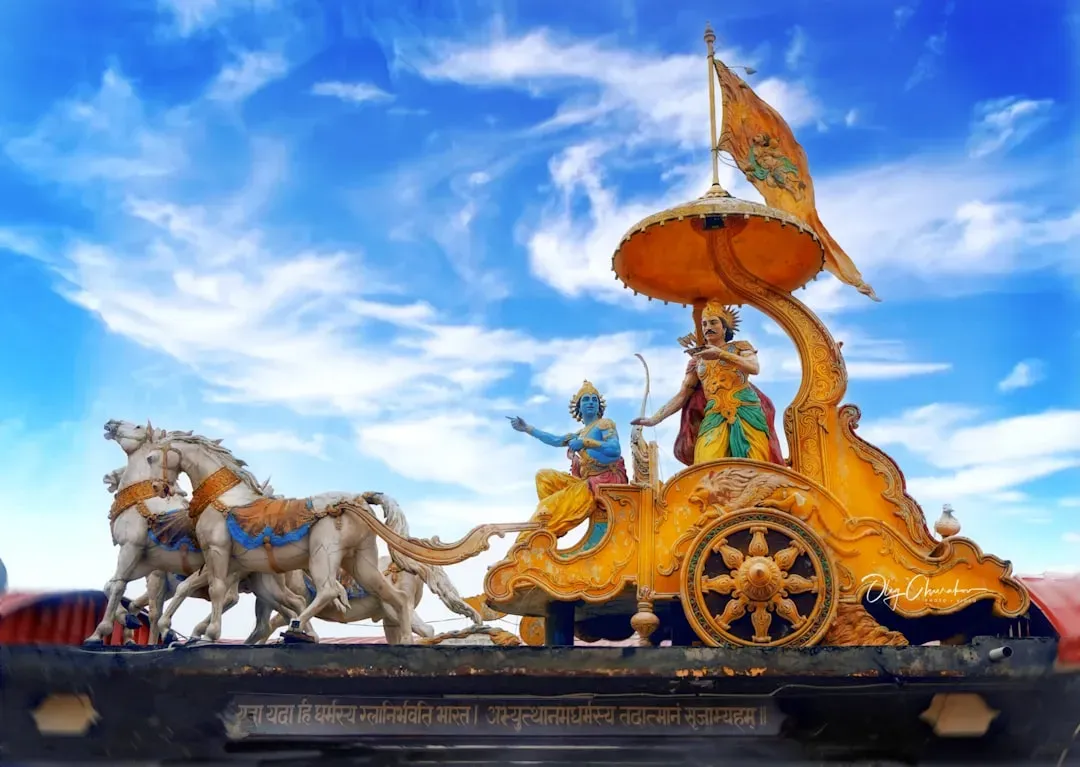
A single publisher has produced more than 162.1 million copies of the Bhagavad Gita. This sacred Hindu text continues to inspire readers worldwide, from business leaders to philosophers. Central themes in the Gita include the concept of duty without attachment, the path of devotion, and the realization of the self through selfless action, emphasizing the importance of performing one’s duty with detachment and cultivating a profound connection with the universal consciousness. It’s remarkable how a battlefield dialogue from thousands of years ago remains deeply relevant to people facing ethical dilemmas today.
5. George Orwell’s 1984: The Novel That Defined Dystopia

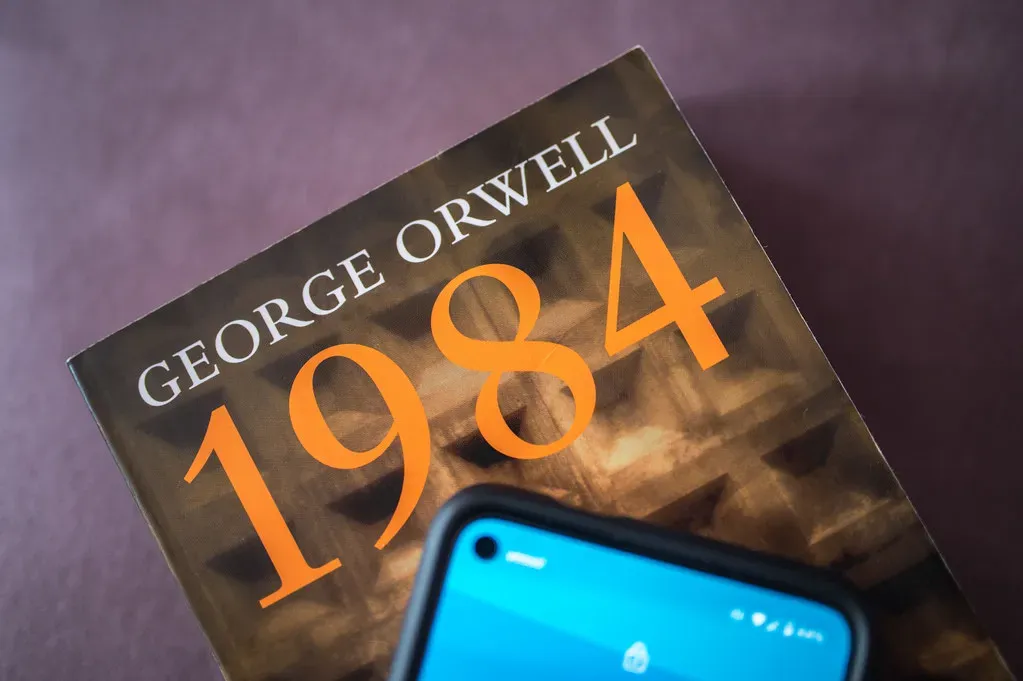
The book has since sold around 30 million copies. It most recently returned to the top of the American best-seller list in January 2017, after a Trump administration adviser coined the doublespeak term “alternative facts,” as it’s a very relevant book to the world of today. Few writers have had the effect on our cultural consciousness that George Orwell has, with ‘Big Brother’, ‘newspeak’ and ‘thoughtcrime’ now firmly embedded in the English language, and the novel seems even more relevant in this era of ‘fake news’ and ‘alternative facts’. Orwell’s warnings about surveillance, propaganda, and the manipulation of truth feel chillingly prescient in our digital age.
6. Jane Austen’s Pride and Prejudice: Romance Meets Social Commentary


First published anonymously in 1813, Pride and Prejudice by Jane Austen has become a classic of English literature and remains widely read, and from its debut more than two centuries ago, Austen’s novel has never gone out of print. Praised by critics and embraced by fans, Pride and Prejudice has inspired multiple stage and screen adaptations, including a Bollywood version and a zombie reimagining, and in August 2025, Netflix began filming for a limited series adaptation. Its opening line remains one of the most recognized in literature. What makes this novel so quotable is Austen’s razor-sharp wit combined with profound observations about human nature and society.
7. Quotations from Chairman Mao: Political Propaganda as Literature

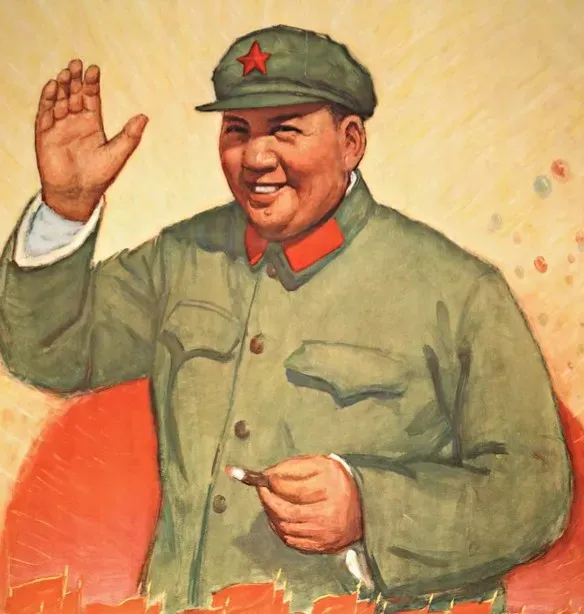
Among non-religious texts, the Quotations from Chairman Mao Tse-tung, also known as the Little Red Book, has produced a wide array of sales and distribution figures with estimates ranging from 800 million to over 6.5 billion printed volumes, with some citing “over a billion” official volumes between 1966 and 1969 alone. Though controversial and politically charged, this collection shaped discourse for millions during China’s Cultural Revolution. Its reach was unprecedented, making it one of the most widely distributed secular texts in human history. The Little Red Book demonstrates how political ideology can be packaged and disseminated on a massive scale.
8. Homer’s Odyssey: The Epic That Started It All


This ancient Greek epic poem has influenced Western literature for nearly three millennia. From James Joyce to contemporary filmmakers, artists continue to draw from its narrative structure and themes. The Odyssey popularized the hero’s journey framework that underlies countless modern stories. Its exploration of homecoming, identity, and perseverance resonates across cultures and generations. Honestly, it’s hard to overstate how many modern stories are essentially retellings of Odysseus’s journey home.
9. Don Quixote by Miguel de Cervantes: The Birth of the Modern Novel

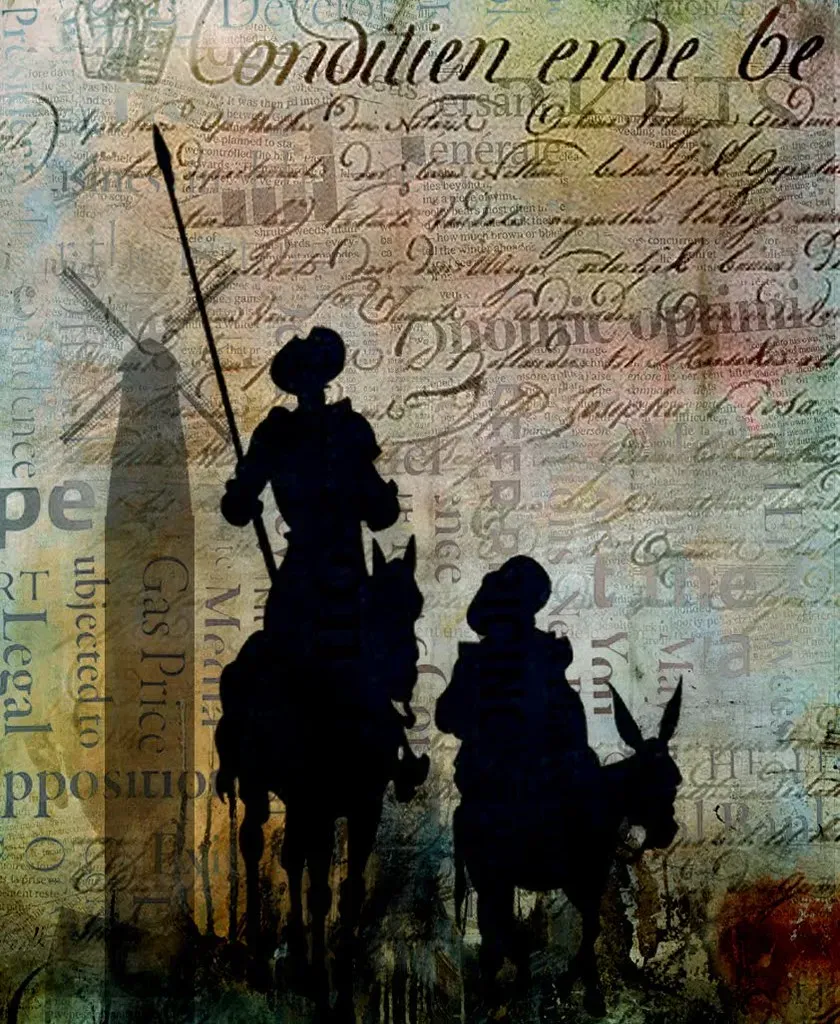
Often considered the first modern novel, Don Quixote has been translated into more languages than any book except the Bible. Published in two parts in 1605 and 1615, it pioneered narrative techniques that writers still use today. The story of a man so consumed by chivalric romances that he loses touch with reality has become a metaphor for idealism clashing with practicality. Phrases like “tilting at windmills” entered common usage directly from this work.
10. The Communist Manifesto by Karl Marx and Friedrich Engels


This short political pamphlet from 1848 fundamentally altered how millions of people thought about economics, class, and society. Whether you agree with its conclusions or not, the Manifesto’s ideas shaped the twentieth century in profound ways. Its analysis of capitalism and class struggle remains a touchstone in political and economic discussions. Students, activists, and scholars continue to quote and debate its arguments, demonstrating its enduring relevance in conversations about inequality and economic systems.
Conclusion: Why These Words Endure

These twenty books share something remarkable. They speak to fundamental human experiences that transcend time, place, and culture. Whether exploring justice, love, mortality, faith, or power, they ask questions that each generation must answer anew. That’s why we keep quoting them, studying them, arguing about them.
The books that matter most aren’t necessarily the ones with the most polished prose or the happiest endings. They’re the ones that challenge us, that make us see ourselves and our world differently. They remind us that despite all our technological advances and changing social structures, humans continue to grapple with the same essential questions our ancestors faced.
What’s your take on this list? Which of these books has left the deepest mark on you?


