Critical praise has a shelf life. A film can sweep the Oscars, earn glowing reviews from every major outlet, and then spend the next two decades quietly accumulating enemies. It’s a strange thing to watch in real time, the way a movie can go from cultural touchstone to uncomfortable footnote without changing a single frame.
Everyone loves talking about cinema classics, but the truth is not every acclaimed movie ages well. Time passes, interpretations change, and some films that were highly praised in their day now feel dated, problematic, or even uncomfortable to watch. The seven films below were each, at one point, genuinely treated as landmarks. What happened since tells us as much about culture as it does about cinema.
1. American Beauty (1999)


At the 72nd Academy Awards, American Beauty won five Oscars, including Best Picture, Best Director for Sam Mendes, Best Actor for Kevin Spacey, Best Original Screenplay, and Best Cinematography. That sweep felt like a definitive verdict at the time. The film was read as a sharp, daring dissection of suburban emptiness, the kind of thing that made audiences feel clever for watching it.
In the years since it debuted to rapturous reviews and a global $356 million intake, the film’s reputation has tumbled precipitously. What was once a provocative masterstroke now looks like retrograde hooey. Removed from its late-’90s cultural moment, the film plays less like revelation and more like a beautifully photographed lecture – smug, self-satisfied, and straining for profundity. The Kevin Spacey allegations that surfaced during the MeToo era made revisiting the film nearly impossible for many viewers, given the disturbing news unveiled in Spacey’s private life, making Lester’s predatory behavior feel creepy and unsettling in a way earlier audiences weren’t primed to notice.
2. Gone with the Wind (1939)

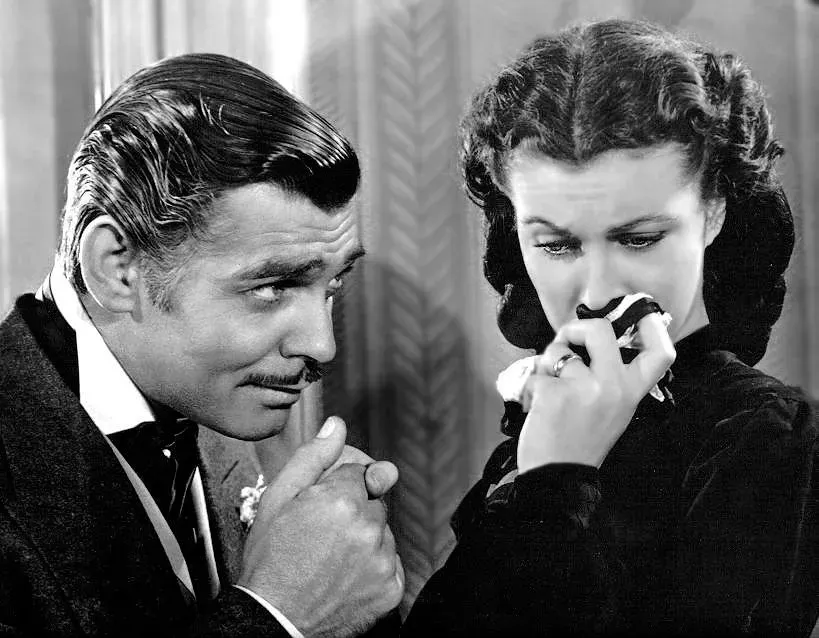
For decades, Gone with the Wind sat comfortably at the top of box office records and was treated as the definitive Hollywood epic. It won eight Academy Awards and held the inflation-adjusted record for highest-grossing film of all time for many years. The scale, the spectacle, and Vivien Leigh’s performance were cited endlessly as proof of what cinema could achieve at its most ambitious.
It’s uncomfortable to watch today, and even the awards acclaim it received is tainted: co-star Hattie McDaniel’s win for Best Supporting Actress at the 12th Academy Awards came with the indignity of the actress still having to be segregated during the ceremony, forced to sit at a table at the back of the room, away from her white co-stars. In modern times, Gone with the Wind has sparked debates over censorship, content warnings, and even temporary removals from streaming platforms, and what was once considered a romantic epic is now widely viewed as problematic propaganda.
3. Breakfast at Tiffany’s (1961)

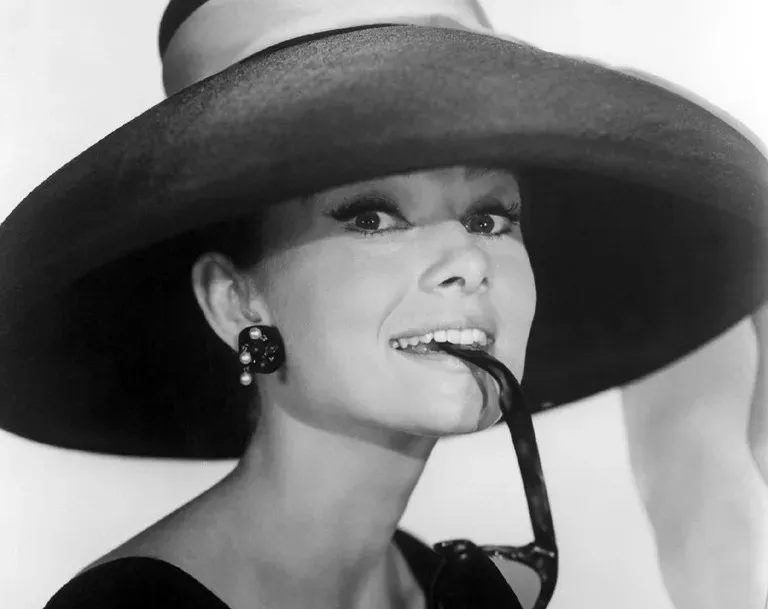
The 1961 American romantic comedy is regarded as an “iconic classic” by film critics and listed in the U.S. National Film Registry for being “culturally, historically or aesthetically” important. Audrey Hepburn’s Holly Golightly became one of the most imitated images in cinema history, a poster girl for a certain kind of effortless glamour that never really went out of style.
However, many have singled out Mickey Rooney’s blatantly racist portrayal of Mr. Yunioshi as the film’s biggest flaw. In one of the most notorious yellowface depictions on film, Rooney, a white man, had his eyes taped, wore buck teeth, and used an exaggerated accent to deliver his lines. More recent characterizations of the role describe it as an uncomfortable “stereotype,” “painful, misguided,” “overtly racist,” and “one of the most egregiously horrible ‘comic’ impersonations of an Asian in the history of movies.” The controversy became so pronounced that in 2008, the film was swapped out for Ratatouille at an outdoor screening event in Sacramento after protests loomed large.
4. Rain Man (1988)

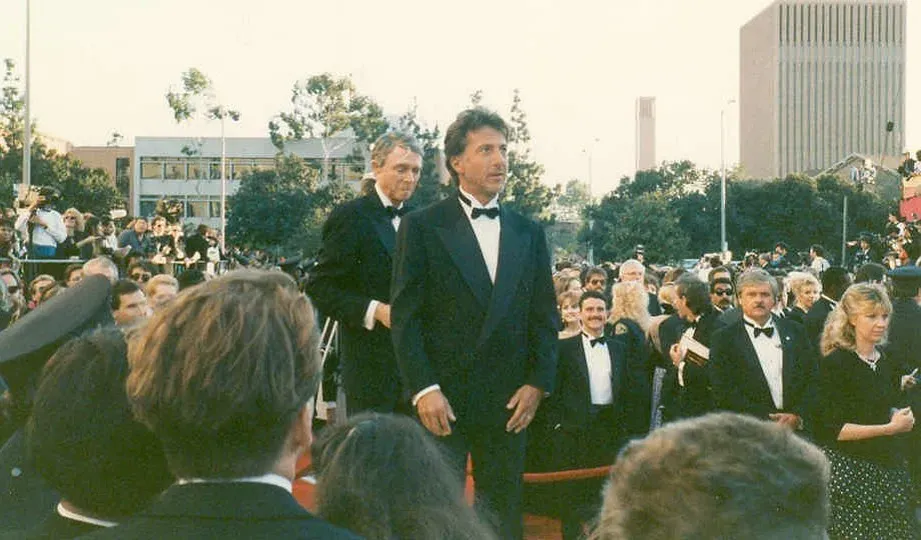
Rain Man cleaned up at the 1989 Oscars, taking Best Picture, Best Director for Barry Levinson, and Best Actor for Dustin Hoffman. The film was praised as a sensitive, moving portrait of a relationship between brothers, with Hoffman’s performance considered one of the most committed in Hollywood history. It was the highest-grossing film of 1988 worldwide.
Partner offer

Rain Man hasn’t aged all that well, mainly because almost the entire story is filtered through Charlie, leaving Raymond more as a “tool” for his brother’s growth than a fully realized character. The film established a stereotype that every autistic person is a quirky savant with extraordinary abilities – a rare occurrence that distorts public understanding of autism. You can still watch it as a classic, but how Raymond is treated and the limited representation of autism don’t hold up under today’s critical lens. What was once seen as groundbreaking representation is now frequently cited as the origin point of a damaging myth.
5. The Help (2011)

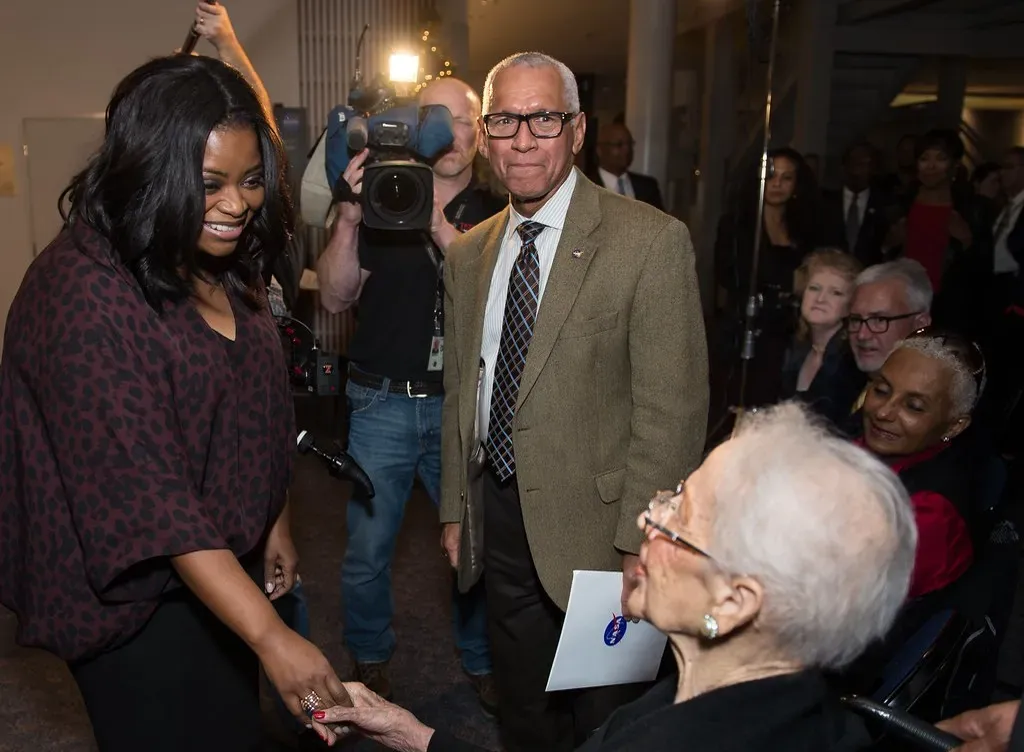
The plot follows young writer Skeeter (Emma Stone), who decides to tell the stories of Black maids working for white families in 1960s Mississippi. At the time of its release, it was considered an inspiring film, but over time, it became clear that the story’s focus had been misplaced. The film earned four Academy Award nominations including Best Picture and was a massive commercial hit, grossing over $200 million worldwide on a modest budget.
The Help has been widely criticized as a “white savior movie,” putting a white protagonist at the center of a struggle that wasn’t hers, and it simplifies racial issues into an easy-to-digest package for white audiences, ignoring the harsh realities of the experience it depicts. Viola Davis even publicly said she regretted participating. It’s a rare case where a film’s own cast members became among its most prominent critics.
6. Forrest Gump (1994)

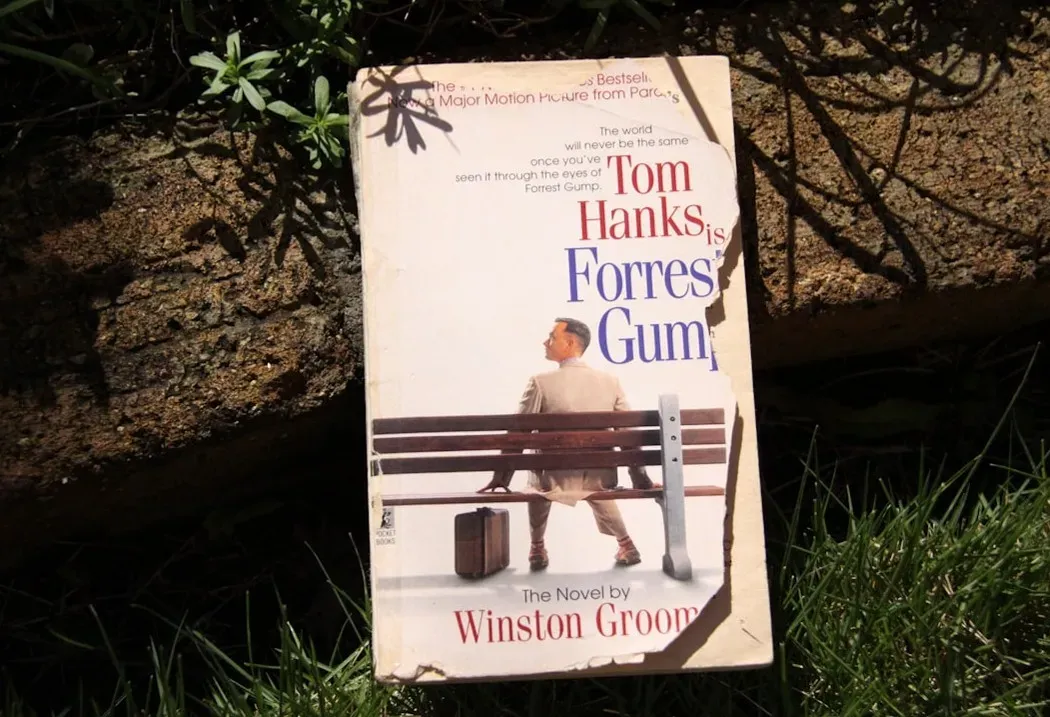
Few films have been as iconic and celebrated as Forrest Gump. The modern tall-tale follows Forrest (Tom Hanks), a simple man who, almost without realizing it, navigates and even influences decades of American history from Elvis Presley to the Vietnam War. Winning six Oscars, the movie has a creative and inspiring plot, no doubt about it. It was a phenomenon in 1994, a tearjerker that felt like a warm, generous hug from American pop culture itself.
What makes Forrest Gump go down poorly on rewatch for many viewers today is its depiction of women. Almost every woman in the film is a victim of circumstance in the worst ways; Mrs. Gump is forced to sexualize herself to give Forrest a better chance at excelling in school, Jenny is abused and objectified throughout, vilified simply for surviving as best she can, and then dies tragically by the end. What was once considered a feel-good odyssey film is now increasingly read as a poor depiction of female characters in cinema.
7. Crash (2004)


When Crash won Best Picture at the 2006 Academy Awards, beating Brokeback Mountain in one of the most debated Oscar upsets in recent memory, it was celebrated in many quarters as a brave, unflinching examination of racial tension in Los Angeles. Critics at the time praised its interlocking narrative structure and the ambition of its ensemble cast, which included a range of performances from established stars and newcomers alike.
The backlash arrived swiftly and has only grown. The film is now widely cited as a prime example of what critics call “feel-good racism,” a movie that lets largely white audiences feel confronted by prejudice without genuinely challenging them. Its coincidence-heavy plotting has aged particularly badly, and many film scholars now point to its Best Picture win as one of the weakest choices in the award’s modern history. No matter the film, time takes its toll, and some titles simply don’t survive that. Watching productions once considered masterpieces and even Oscar winners is fascinating, but also jarring, because it makes you realize that what was once cool or profound decades ago can feel completely different today.
The trajectory of these seven films is worth sitting with. None of them were cynically made. Most were genuine attempts at saying something, and audiences responded with real enthusiasm. What shifted, in nearly every case, wasn’t the films themselves but the conversations surrounding them, conversations about race, gender, power, and whose stories deserve to be centered. A masterpiece label, it turns out, comes with an expiration date that nobody prints on the packaging.
Partner offer
Planning a trip to Vegas?
Compare hotel rates and show tickets on VEGAS.com.