
Some movies earn praise and a place on every best of list, yet people admit they’ve never gone back. It isn’t a matter of quality. Often the film worked so well that one viewing felt like plenty.
The seven titles below come up again and again when people talk about films that are hard to rewatch. Each one is well documented, widely awarded or discussed, and known for how heavily it sits with an audience.
Grave of the Fireflies (1988)

Isao Takahata directed this Studio Ghibli feature, which follows two siblings, Seita and Setsuko, as they try to survive in Japan near the end of World War II. The story is set around Kobe and is based on a semi autobiographical short story by Akiyuki Nosaka. Because it’s animated, many first time viewers expect something gentler than what they get.
Its reputation rests on how plainly it shows hunger, loss and a child’s vulnerability, with very little melodrama. Viewers often describe finishing it once and feeling no urge to repeat the experience. Critics have long counted it among the great war films, which makes the hesitation about a second viewing even more telling.
Requiem for a Dream (2000)

Darren Aronofsky adapted Hubert Selby Jr.’s novel into a film about four people whose lives are consumed by addiction. Ellen Burstyn earned an Oscar nomination for Best Actress for her role as Sara Goldfarb. The editing grows faster and more fragmented as the characters spiral downward.
That style is a big part of why people hesitate to return to it. The final stretch is relentless, and there’s no breathing room or redemptive turn to soften it. Plenty of viewers call it a film they admire and have no wish to sit through again.
Schindler’s List (1993)

Steven Spielberg’s black and white drama about the Holocaust and Oskar Schindler’s efforts to save Jewish workers won seven Academy Awards, including Best Picture and Best Director. It runs a little over three hours. The length alone makes it a serious commitment, even before its subject matter is considered.
Many people treat it as a film to see once and then carry with them. It’s often shown in educational settings because of its historical weight, yet that same weight explains why casual rewatching feels wrong to some. Revisiting it tends to be a deliberate choice rather than a casual one.
Partner offer
Manchester by the Sea (2016)

Kenneth Lonergan’s drama centers on Lee Chandler, a withdrawn man who returns to his hometown after his brother’s death and learns he’s now guardian to his teenage nephew. The film won Oscars for Casey Affleck as Best Actor and for Lonergan’s original screenplay. Much of its force comes from restraint rather than spectacle.
One flashback scene is the part viewers mention most when they explain why they haven’t returned to it. Knowing what’s coming changes the early scenes, so a second viewing can feel like waiting for a blow you already know. For some people that makes it more painful rather than easier.
Dancer in the Dark (2000)
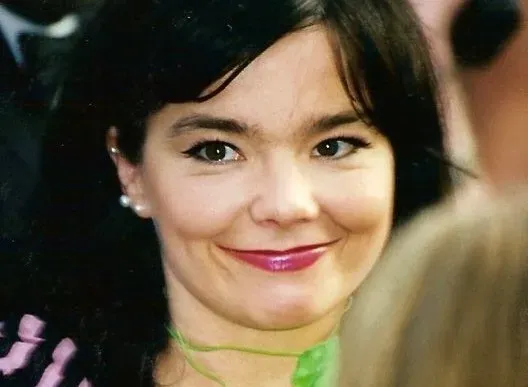
Lars von Trier’s musical drama stars Björk as Selma, an immigrant factory worker who is going blind and saving money for her son’s eye operation. It won the Palme d’Or at the Cannes Film Festival, and Björk took the festival’s best actress prize. The musical numbers act as Selma’s escape from her circumstances.
Those moments of brightness make the film’s final act hit harder. Reactions at the time were sharply divided, with some praising its emotional power and others finding it manipulative. Even admirers frequently say that one viewing was all they could take.
The Zone of Interest (2023)

Jonathan Glazer’s film observes the domestic life of a commandant’s family living beside Auschwitz. It won the Oscar for Best International Feature at the ceremony held in 2024 and earned the Grand Prix at Cannes. Rather than depicting violence directly, it relies on sound design to suggest what’s happening just beyond the garden wall.
That approach leaves a lingering unease that many viewers say stayed with them for days. Because the horror is implied, the film asks the audience to fill in the gaps, which can feel heavier than explicit imagery. Quite a few people describe it as essential viewing that they don’t plan to repeat.
Aftersun (2022)

Charlotte Wells made her feature debut with this story of a father and daughter on a holiday in Turkey, remembered years later by the daughter as an adult. Paul Mescal received an Oscar nomination for Best Actor for his role as the father, Calum. Nothing dramatic happens on the surface, yet the film is full of quiet signs that something is wrong.
A second viewing reveals how many of those signs were there from the start, which many find even more affecting. People often say it’s a film that gets under the skin precisely because it’s so gentle. The sadness doesn’t arrive all at once, so returning to it can feel like reopening something personal.
Partner offer
Planning a trip to Vegas?
Compare hotel rates and show tickets on VEGAS.com.