Studios have always trimmed movies. Usually that means a few minutes here, a slow scene there. Sometimes the knife goes much deeper.
The seven films below lost well over an hour of material on their way to audiences, and in several cases the cut footage is gone for good. Each entry sticks to what’s documented about the running times and who made the call.
Foolish Wives (1922)
Erich von Stroheim’s Universal production is one of the earliest big examples. He originally wanted it to run between six and ten hours, shown over two evenings, but Universal executives opposed the idea. The listed running times are 384 minutes for the original cut and 117 minutes for the original release.
That gap works out to roughly 267 minutes, or well over four hours of film. The studio bosses cut the film drastically before the release date. Later restorations brought it back to 142 minutes in 2013 and 147 minutes in 2023, which is still nowhere near the original length.
Greed (1924)
Von Stroheim’s next battle with a studio went even worse for him. The film was shot almost entirely on location, and he reportedly shot around 85 hours of footage before editing. His rough cut ran 42 reels, over nine hours.
MGM’s Irving Thalberg cut it to 140 minutes over the director’s strenuous objections. That’s a loss of roughly seven hours. The missing reels are believed to be lost forever, and a 1999 reconstruction used still photographs to stand in for scenes that no longer existed.
The Magnificent Ambersons (1942)
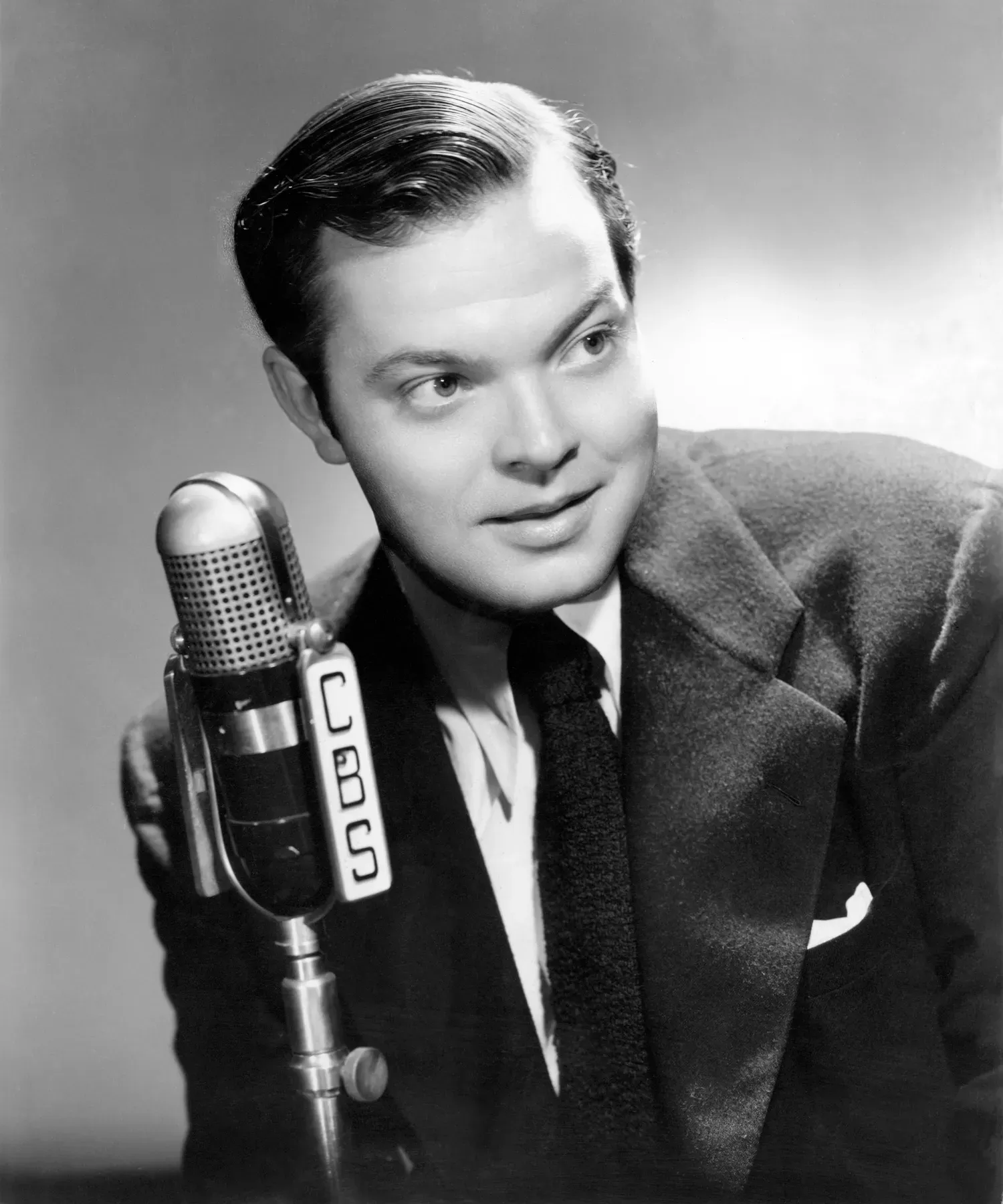
Orson Welles followed Citizen Kane with this period drama, and RKO took it out of his hands. The studio removed more than an hour of footage from Welles’s rough cut and shot and substituted a happier ending. Welles was away from the production at the time, which limited what he could do about it.
The loss is permanent. Welles’s detailed notes on how he wanted the film cut have survived, but the studio destroyed the excised footage. What audiences see today is the shortened version.
Major Dundee (1965)
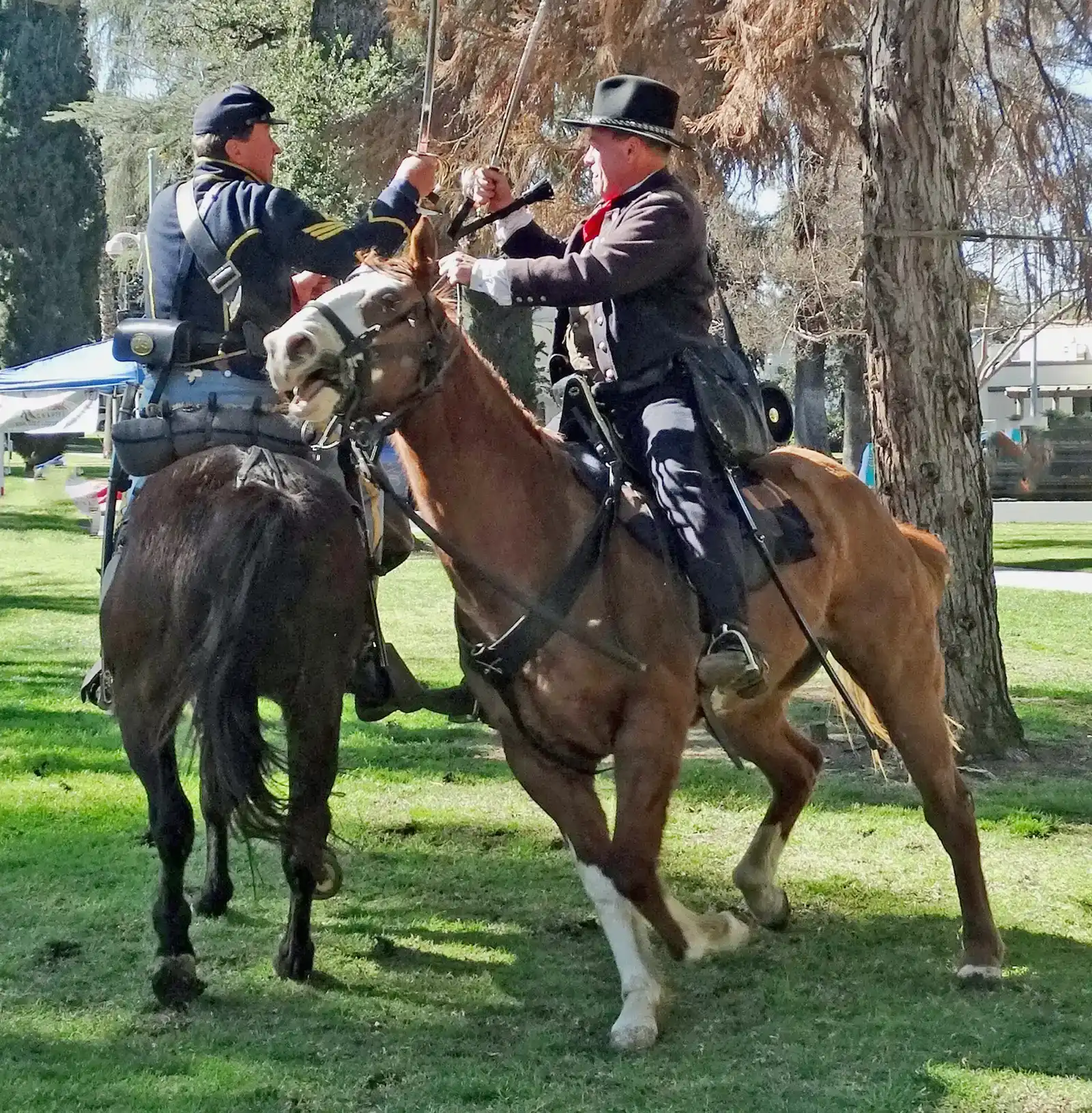
Sam Peckinpah’s Civil War western had a troubled shoot, and the edit reflected it. His original cut may have been more than four and a half hours long, and it was edited to 136 minutes before its premiere. The words “may have been” matter, since nobody can confirm the exact length of that first assembly.
Even on conservative math, the trimmed material comes to a couple of hours or more. Peckinpah’s later career is often read against this early experience of losing control of a cut. The film’s reputation has been revisited over the years, but the original assembly remains a matter of estimate rather than record.
The Private Life of Sherlock Holmes (1970)
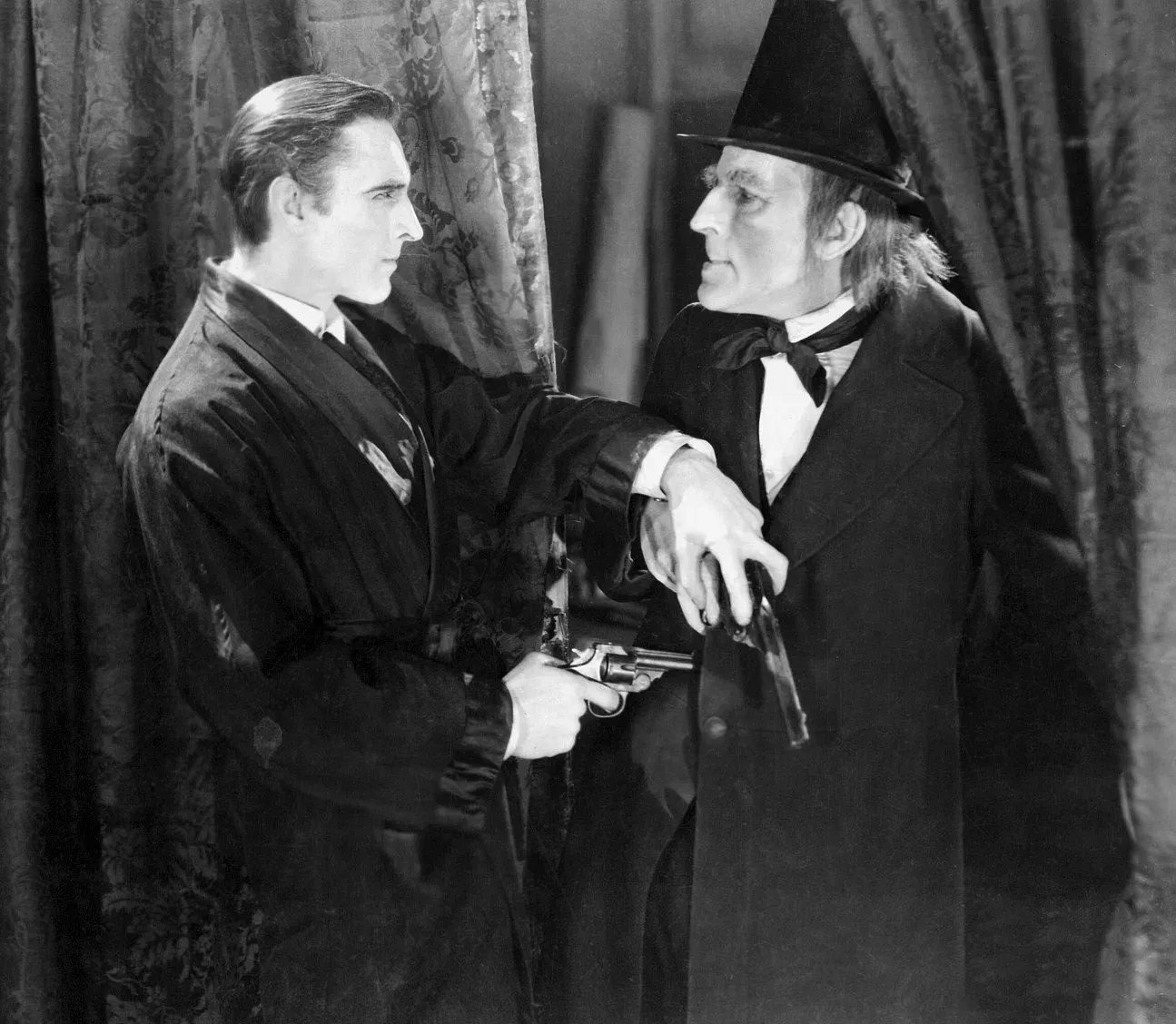
Billy Wilder’s take on the detective was planned as a long, episodic picture. The original cut ran three hours and 20 minutes, but United Artists objected to releasing such a long film starring no name actors. The studio’s answer was to take out a large chunk.
More than an hour was cut from the runtime. That meant whole storylines disappeared from the finished film. Wilder’s version is a reminder that even a celebrated director with a string of hits could lose that argument.
The Keep (1983)
Michael Mann’s wartime horror film was cut twice. His original version ran 210 minutes, and Paramount demanded it be truncated to about 120 minutes. That alone removes an hour and a half.
Then came a second round. After unfavorable test screenings of the two hour cut, Paramount trimmed it further to 96 minutes, against Mann’s wishes. The total drop from first cut to release was well over an hour and a half.
Once Upon a Time in America (1984)
Sergio Leone’s gangster epic is probably the best known case on this list. Leone had already cut his original 269 minute version down to 229 minutes to appease distributors. That was the version shown in Europe.
The American release was another story. The Ladd Company cut it to 139 minutes against Leone’s wishes after disastrous test screenings. Measured against the 229 minute version, that’s a loss of 90 minutes, and measured against his first cut, it’s more than two hours.