


Ever stumbled across a sound that made you stop in your tracks? Maybe it was something ancient and unfamiliar, yet strangely captivating. While guitars and pianos dominate stages worldwide, there’s a quiet revolution happening in music studios and concert halls. Musicians are dusting off instruments that haven’t been heard properly in centuries, breathing new life into forgotten sonic landscapes.
It’s hard to say for sure, but something special happens when an old instrument meets contemporary creativity. These aren’t just museum pieces anymore. They’re tools of innovation, gateways to textures and tones that modern instruments simply can’t replicate.
The Hurdy Gurdy Returns to Folk and Metal

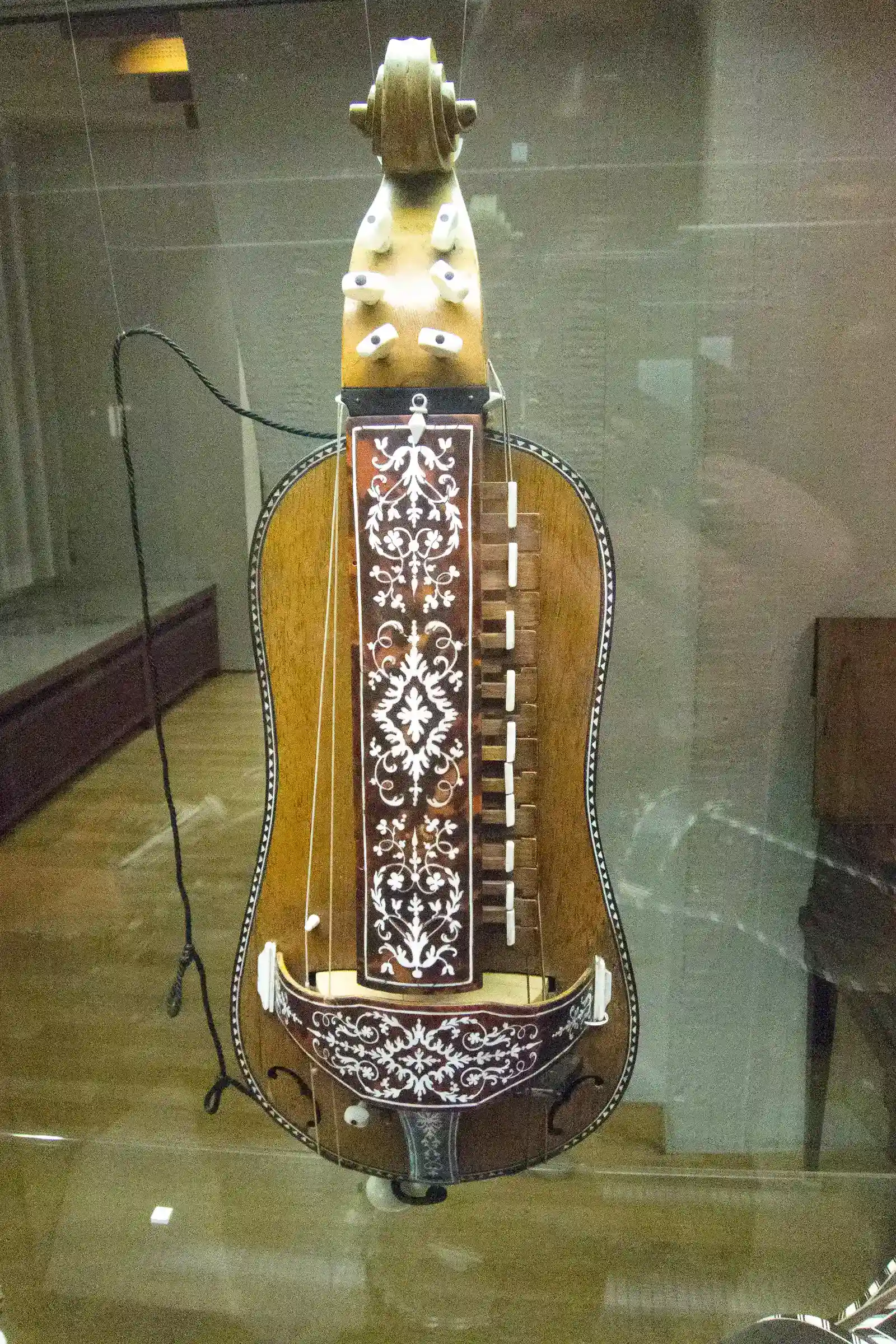
The hurdy gurdy has experienced revivals across Austria, Belarus, Belgium, Czech Republic, Denmark, France, Germany, Hungary, Italy, Netherlands, Norway, Poland, Portugal, Russia, Slovakia, Spain, Sweden, and Ukraine. This medieval hand cranked wonder creates its sound through a rosined wheel rubbing against strings, producing a drone similar to bagpipes. The hurdy gurdy has experienced a revival in popularity in recent years, with artists like Loreena McKennitt and Eluveitie incorporating the instrument into their compositions. Hurdy Gurdyists have proven that the instrument is suited brilliantly to heavy metal music too, bringing it to an entirely new audience. A study by the University of Cambridge in 2023 revealed that more than 200 medieval compositions have been adapted for it in the last 50 years, proving its revival in contemporary music.
Theremin Haunts Electronic Music Scenes

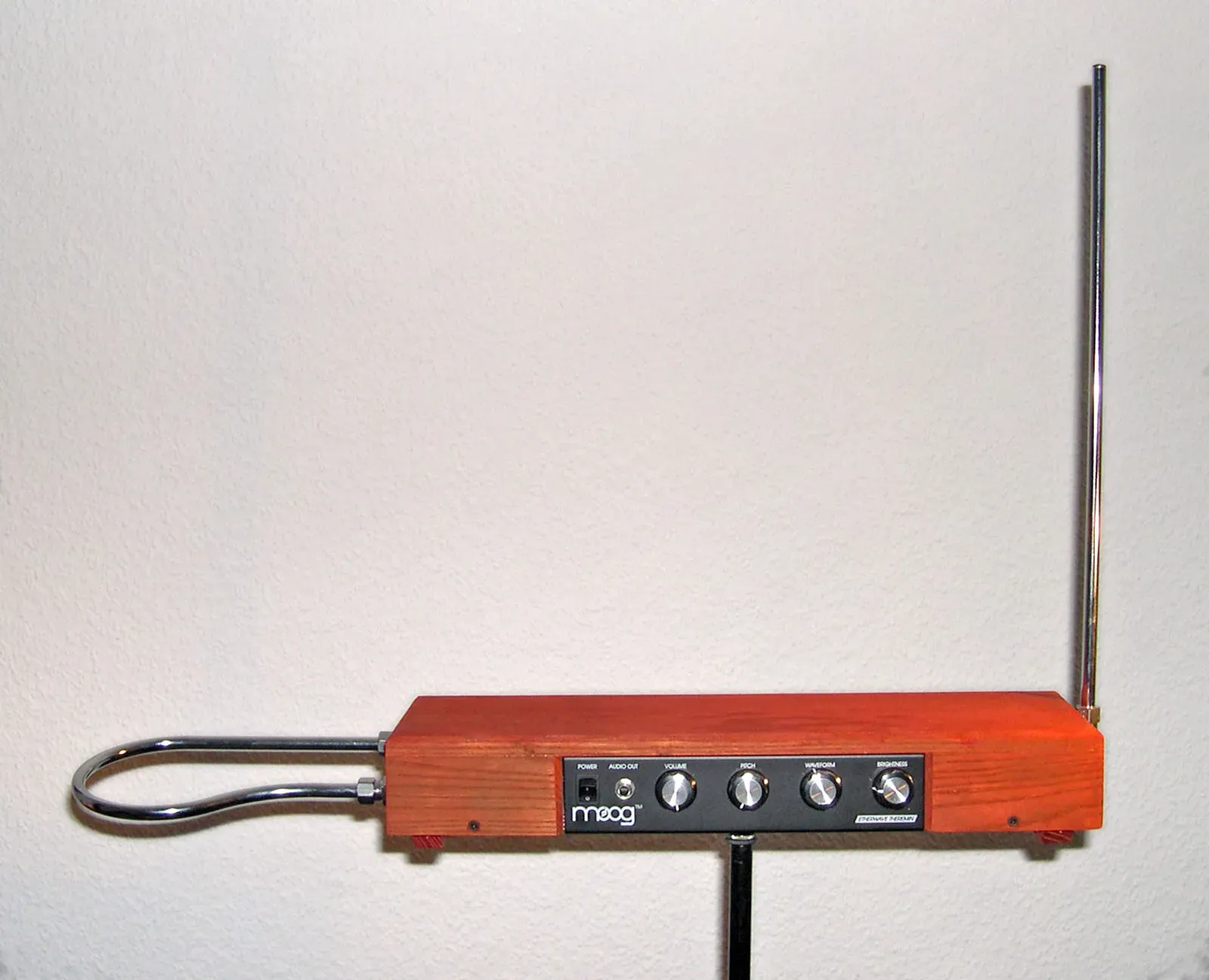
The theremin is known for its contactless playing technique and its use in science fiction films, and was invented in 1920 by Russian Soviet era scientist Leon Theremin. You don’t even touch it to play. Two antennas respond to hand movements, one controlling pitch and the other volume. Over the years composers such as Bohuslav Martinů, Percy Grainger, Edgard Varèse and Dmitri Shostakovich have all written for the theremin, and in recent years German Serbian virtuoso Carolina Eyck has done much to glamourise the instrument. The eerie, wavering sound that once defined science fiction soundtracks has found its way into experimental electronic music, ambient compositions, and even pop productions where producers seek something genuinely otherworldly.
Nyckelharpa Captivates Swedish Folk Revival

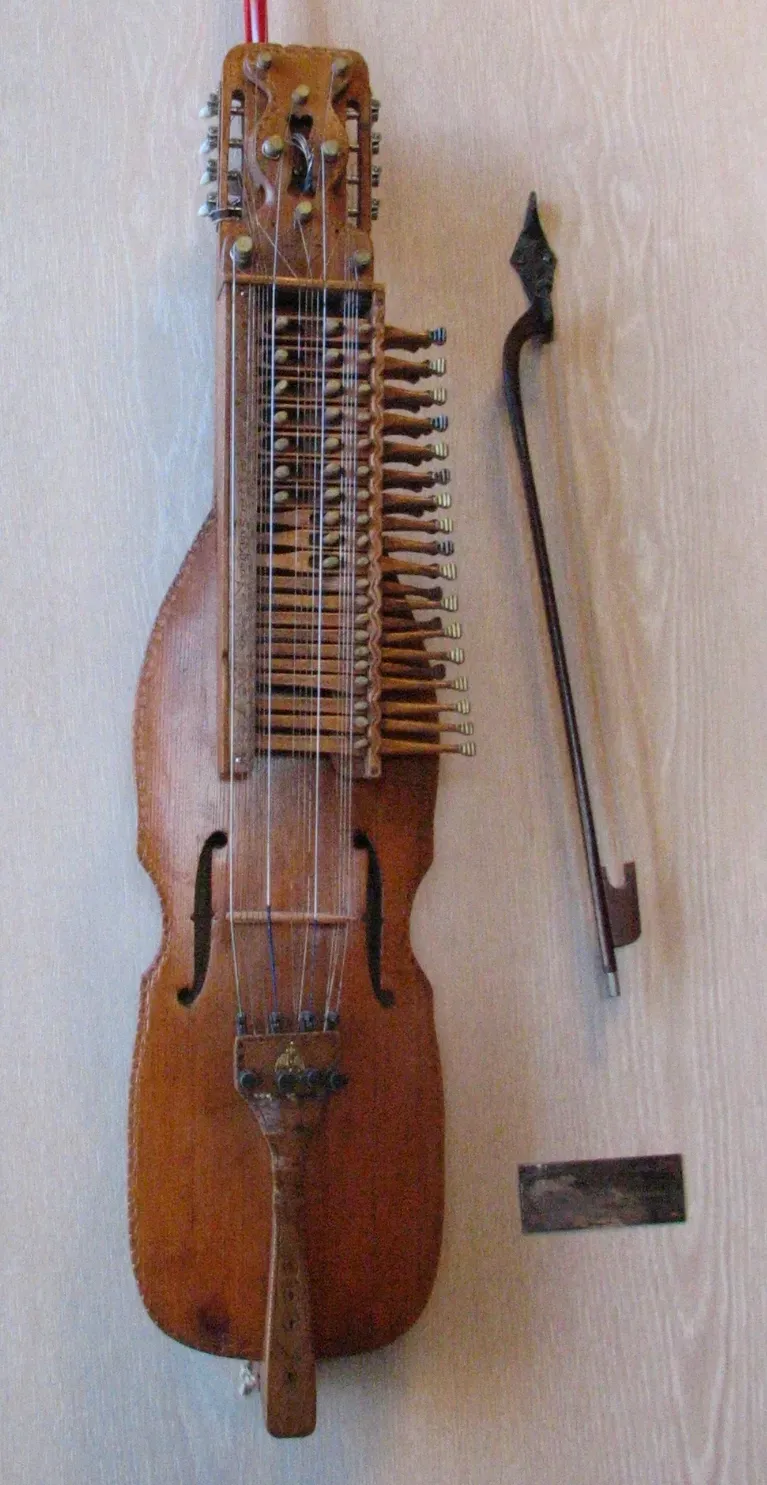
Eric Sahlström redesigned and popularized a modern three rowed chromatic version of the Nyckelharpa in 1929, and his work laid the foundation for contemporary players and helped re establish interest in this unique instrument, with approximately 10,000 active Nyckelharpa players in Sweden today. This Swedish keyed fiddle looks like someone merged a violin with a small keyboard. The player bows strings while pressing keys that act as frets. Contemporary Nyckelharpa player Olov Johansson is known for his innovative playing style and collaborations with other musicians from around the world, while Emilia Amper has gained international recognition for her virtuosic performances and modern interpretations of traditional Swedish folk music. Think of it as a bridge between medieval sounds and modern Nordic folk festivals.
Hammered Dulcimer Shimmers Through Folk Traditions

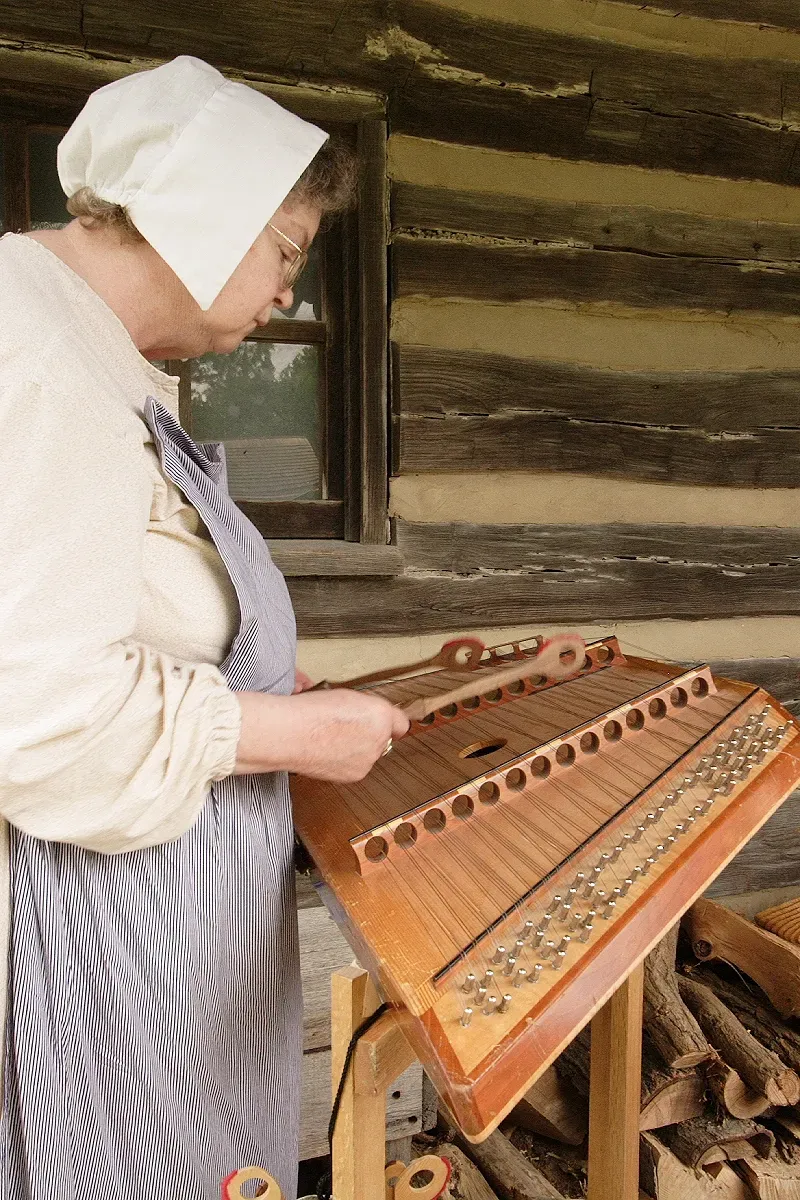
The Hammered Dulcimer’s strings are gently yet precisely struck with small handheld hammers or mallets, often made of wood and sometimes tipped with felt or leather, allowing for an incredible range of dynamics and tonal colors. Picture a large trapezoidal soundboard covered in strings. The Hammered Dulcimer has woven itself deeply into the fabric of folk music traditions around the world, from the intricate melodies of Irish and Scottish folk to the lively dances of Eastern European and Middle Eastern music, and can provide rhythmic drive, delicate accompaniment, or soaring lead melodies. Dorothy Carter was an important and highly influential figure in the revival of both medieval music and psychedelic folk music, and her contributions with the hammered dulcimer are very notable.
Partner offer

Lyre Harp Echoes Ancient Greece

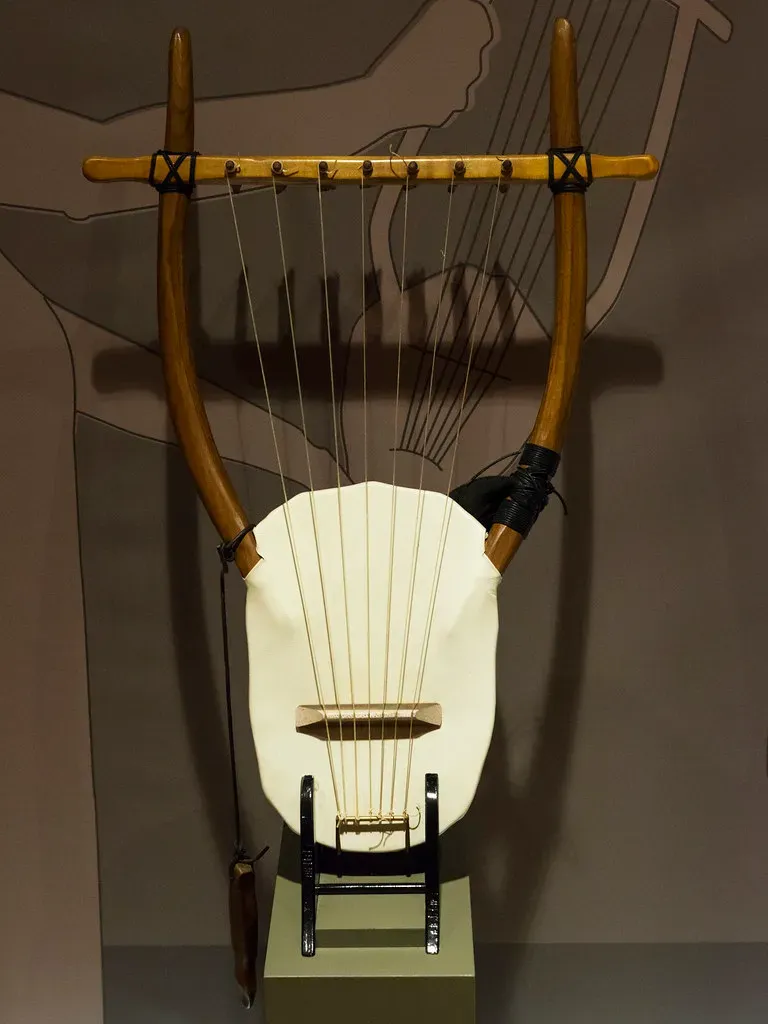
The lyre harp is considered by many to be one of the oldest stringed instruments in the world dating back to at least 1400 BC in Greece, and we are enjoying a revitalization of this ancient instrument with many excellent options available. Its distinctive U shaped arms connected by a crossbar hold strings that produce warm, resonant tones. The lyre harp is a great instrument for beginners because it is easy to play, often characterized by soothing and warm sounds. use it for meditation music, soundtrack work, and experimental compositions that seek to tap into something primal and timeless. The sound quality remains remarkably pure, which explains why composers working on historical video game scores and fantasy film soundtracks keep reaching for this instrument when they need authenticity.
Bandura Preserves Ukrainian Musical Heritage

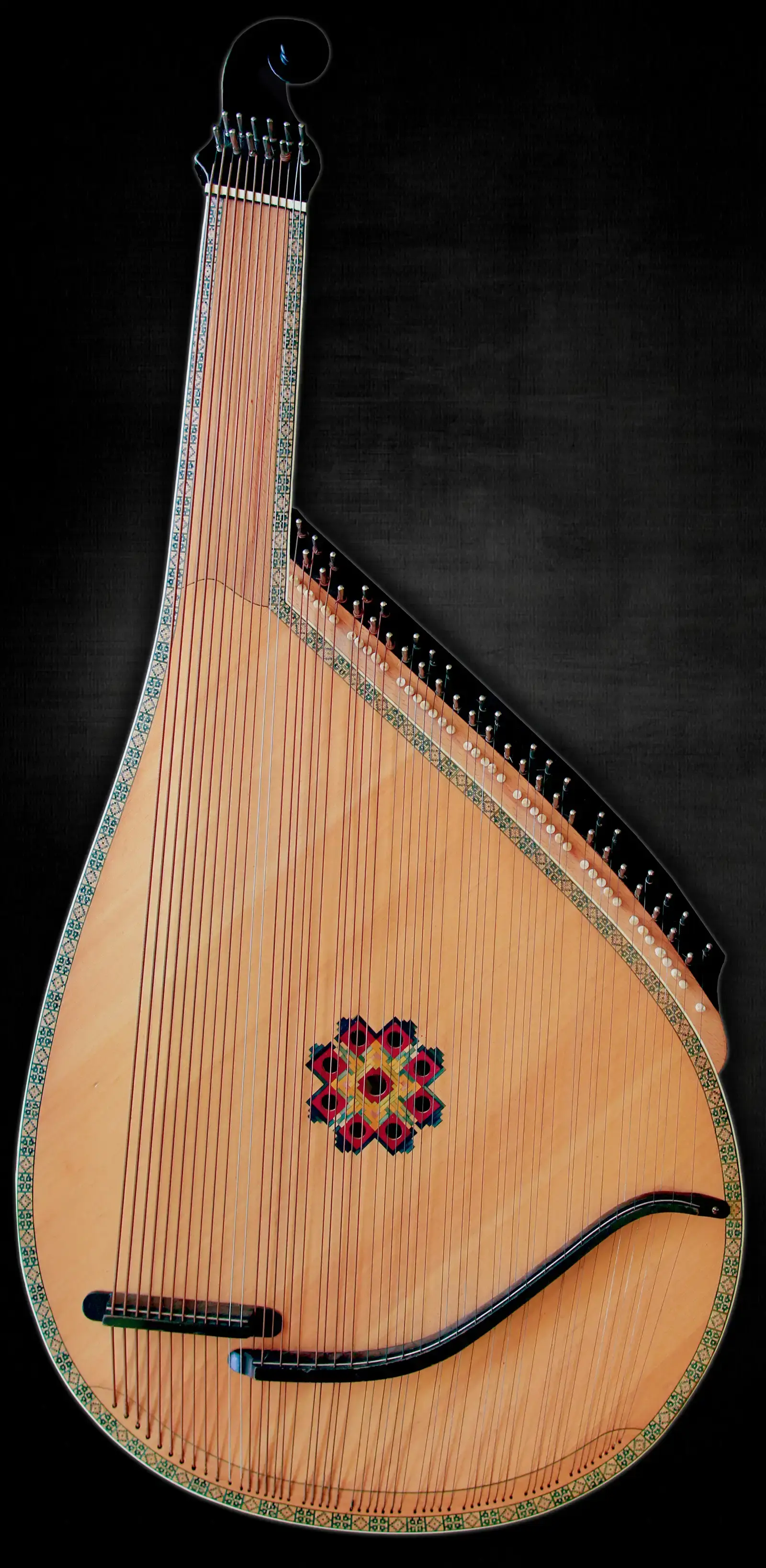
The bandura is a Ukrainian plucked string folk instrument that combines elements of the zither and lute, and in the 20th century the number of strings increased initially to 31 strings in 1926 then to 56 strings to 68 strings on modern concert instruments in 1954. This massive stringed beauty looks almost extraterrestrial with its curved body and dozens of shimmering strings. The bandura holds profound cultural significance in Ukraine symbolizing national identity resilience and artistic expression, and during periods of political repression bandura music served as a means of cultural resistance keeping Ukrainian traditions alive. The Bandura has seen a resurgence in the 21st century with new generations of musicians embracing the instrument and incorporating it into various genres. Today all the conservatories of music in Ukraine offer courses majoring in bandura performance, and bandura instruction is also offered in all music colleges and most music schools.
Glass Armonica Mesmerizes With Crystalline Tones

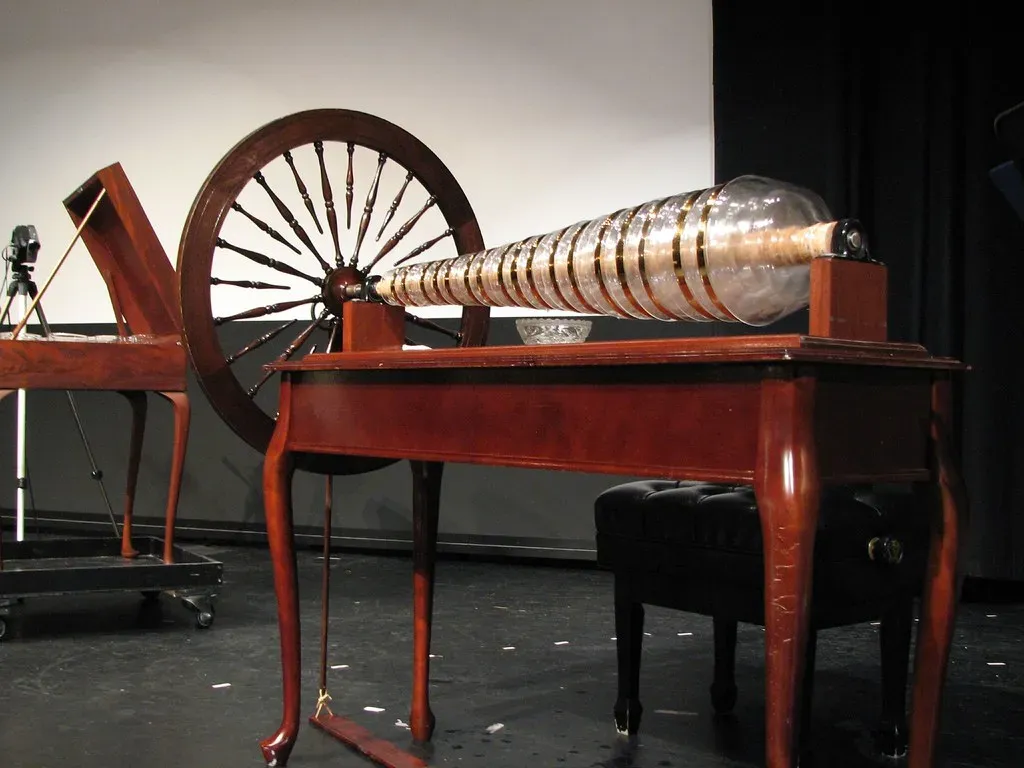
The glass harmonica was extremely popular in the late 18th century with immortal composers such as Beethoven and Mozart writing for leading players of the time, and prolific polymath Benjamin Franklin popularised the instrument. You might have rubbed your finger around a wine glass rim and heard that haunting tone. Now imagine an entire instrument based on that principle. The glass armonica consists of a series of glass bowls in different sizes and the sound is produced by the player rubbing their fingers over the glass, and this unique instrument is the brainchild of Benjamin Franklin. The ethereal, bell like quality creates an almost supernatural atmosphere that modern ambient musicians and soundtrack composers find irresistible. It demands patience and skill, as the technique requires just the right touch to coax those crystalline frequencies from spinning glass.
Looking Forward While Reaching Back

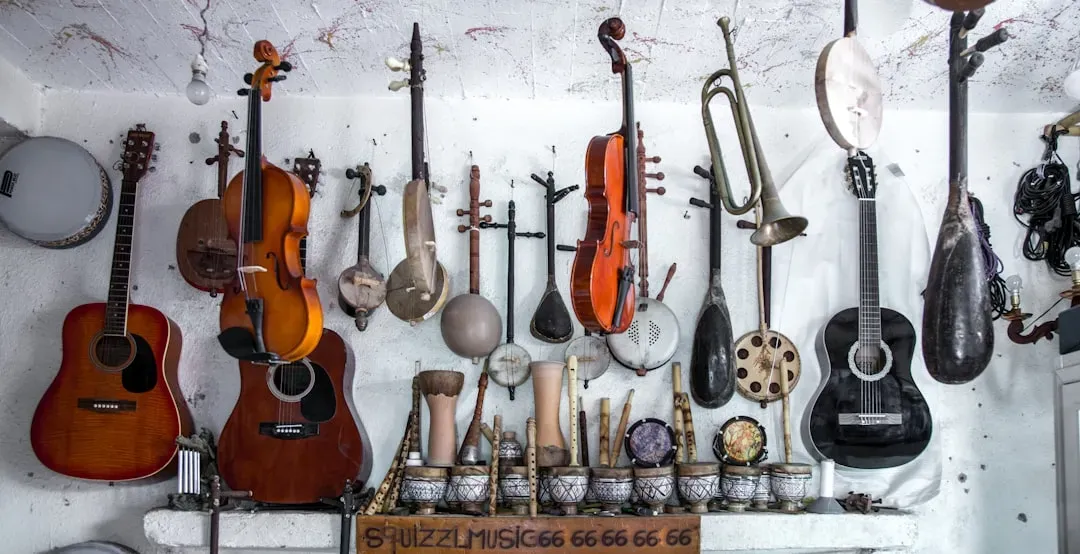
The movement toward revivalism in the music industry is bringing about a musical renaissance breathing life back into forgotten instruments, and the drive towards instrument revival is gaining momentum thanks to various initiatives in music education and heritage conservation. These instruments aren’t curiosities locked behind glass. They’re living, evolving tools that challenge our assumptions about what contemporary music should sound like. A unique instrument can spark a modern composer’s imagination pushing music in directions it couldn’t have gone otherwise.
The real magic isn’t just in preserving tradition. It’s in watching these ancient voices merge with electronic effects, hip hop beats, and experimental soundscapes. Someone somewhere is probably recording a bandura through a loop pedal right now, or running a theremin through a synthesizer. That’s not disrespectful to tradition. That’s evolution.
What forgotten sound will you discover next?
Partner offer
Planning a trip to Vegas?
Compare hotel rates and show tickets on VEGAS.com.


