


Lightning strikes fast. Sometimes it only takes a few minutes for musical genius to appear. We’re talking about those rare moments when a songwriter sits down, picks up a guitar or touches piano keys, and creates something that millions will remember decades later. These aren’t carefully crafted compositions that took months of fine-tuning.
They’re raw bursts of inspiration that happened so quickly the artists themselves were probably shocked. What makes these stories even more fascinating is how these rushed creations outlasted countless songs that were meticulously planned and produced. Ready to discover which of your favorite tracks were born in the blink of an eye? Let’s dive in.
“Yesterday” by The Beatles

Paul McCartney woke up one morning in 1965 with the complete melody in his head. He rushed to a piano to play it before the tune vanished from his memory. The whole thing came to him in a dream, and he was so convinced he’d unconsciously copied someone else’s work that he spent weeks asking people if they recognized it.
McCartney originally called it “Scrambled Eggs” as a placeholder title until he found proper lyrics. The actual lyrics came together pretty quickly after that, though not quite as instantly as the melody. This song has been covered more than 2,200 times, making it one of the most recorded songs in history.
Here’s the thing though: the other Beatles didn’t even play on the track. It’s just Paul, his voice, and a string quartet. Sometimes simplicity wins.
“I Will Always Love You” by Dolly Parton


Dolly Parton wrote this emotional ballad in roughly ten minutes backstage. She was ending her professional relationship with Porter Wagoner, her longtime mentor and TV partner. The song poured out of her as a genuine goodbye letter, capturing years of gratitude and bittersweet feelings in just a few verses.
Parton recorded it the same day she wrote it. The original version hit number one on the country charts twice, in 1974 and again in 1982. Then Whitney Houston’s powerhouse rendition in 1992 turned it into a global phenomenon that overshadowed even Dolly’s versions.
What’s remarkable is how a quick, personal moment became one of the best-selling singles of all time. Parton earned millions in royalties from Houston’s version alone. Not bad for ten minutes of work.
“Purple Haze” by Jimi Hendrix

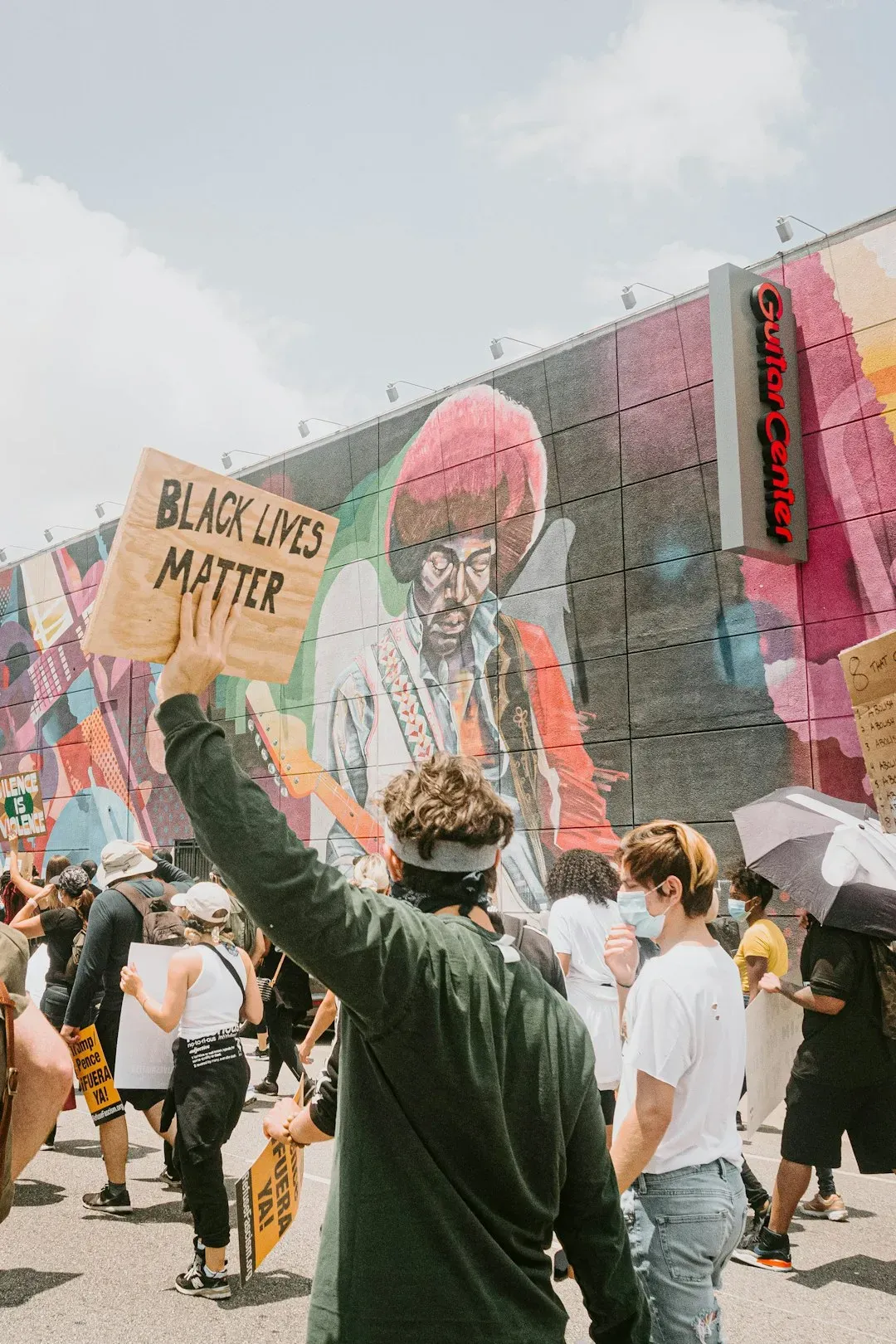
Jimi Hendrix scribbled the lyrics to this psychedelic anthem on a napkin somewhere between shows. The whole creative process took maybe fifteen minutes, and the raw energy of that rushed moment never left the song. Hendrix later claimed he wrote it after a vivid dream where he was walking under the sea.
The opening guitar riff became one of rock’s most recognizable sounds. It’s dirty, distorted, and absolutely unforgettable. Hendrix recorded it in 1967, and it immediately captured the experimental spirit of that era.
Honestly, the chaos in the song’s creation matches its sonic texture perfectly. Sometimes the best art happens when you stop overthinking and just let it flow. This track proved Hendrix was operating on a different creative wavelength than most musicians.
“Respect” by Otis Redding

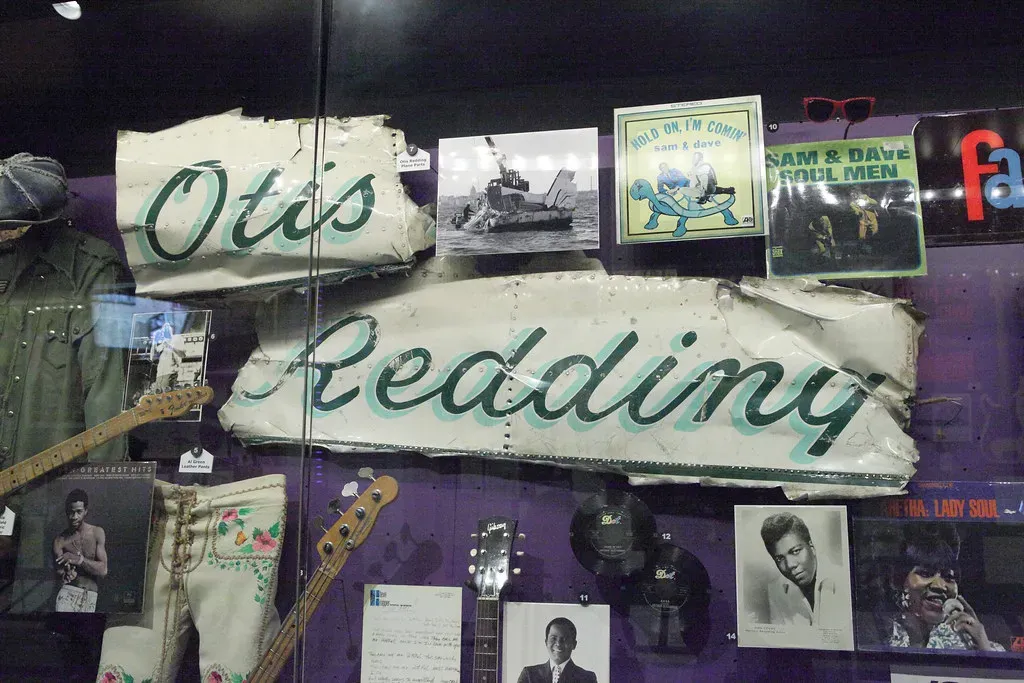
Otis Redding wrote “Respect” in about fifteen minutes while sitting in his car. He was frustrated and needed to blow off steam, so he channeled those feelings into a song about wanting recognition. The original version was from a man’s perspective, asking for respect when he came home.
Redding recorded it in 1965, and it did reasonably well. Then Aretha Franklin flipped the script entirely in 1967, transforming it into a feminist and civil rights anthem. Franklin’s version became the definitive one, though Redding always got his songwriting royalties.
The genius of Redding’s quick composition was how adaptable it turned out to be. He created something that could be reinterpreted and still maintain its power. That’s the mark of truly flexible songwriting.
“Whole Lotta Love” by Led Zeppelin

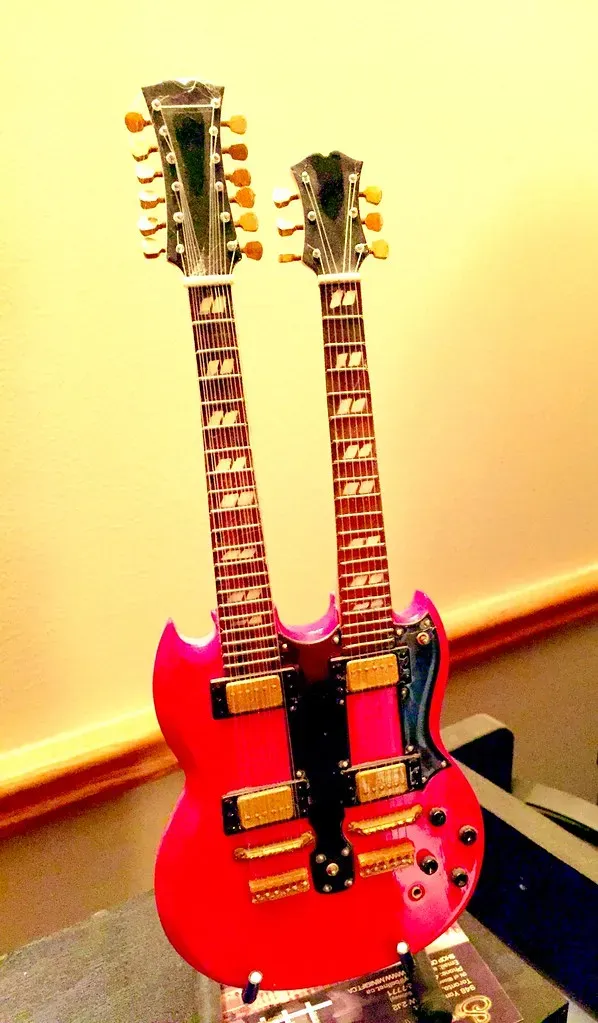
Jimmy Page and Robert Plant knocked out this heavy rock classic during a casual jam session that lasted about twenty minutes. The famous guitar riff came first, and Plant improvised the lyrics on the spot. They weren’t trying to create a masterpiece; they were just messing around in the studio.
The song’s wild middle section with all those sound effects was also largely improvised. Engineer Eddie Kramer manipulated Plant’s vocals in real-time, creating that trippy, otherworldly breakdown. It sounded completely revolutionary when it dropped in 1969.
Led Zeppelin later faced plagiarism accusations because the lyrics borrowed heavily from Willie Dixon’s “You Need Love.” They eventually settled out of court. Still, the raw power of their arrangement made it an entirely different beast.
“Sittin’ On The Dock of the Bay” by Otis Redding


Otis Redding wrote this contemplative soul song in less than half an hour while staying on a houseboat in Sausalito. He was watching the ships come in, feeling reflective about his life and career. The melody and most of the lyrics came to him right there on the water.
Redding recorded it just three days before his tragic death in a plane crash in 1967. The famous whistling at the end wasn’t planned; he simply hadn’t finished the final verse yet and whistled as a placeholder. His producers decided to keep it.
The song became his first number one hit, released posthumously. It’s hard to say for sure, but that unfinished quality might be what makes it so poignant. Sometimes imperfection is more powerful than polish.
“Born to Run” by Bruce Springsteen

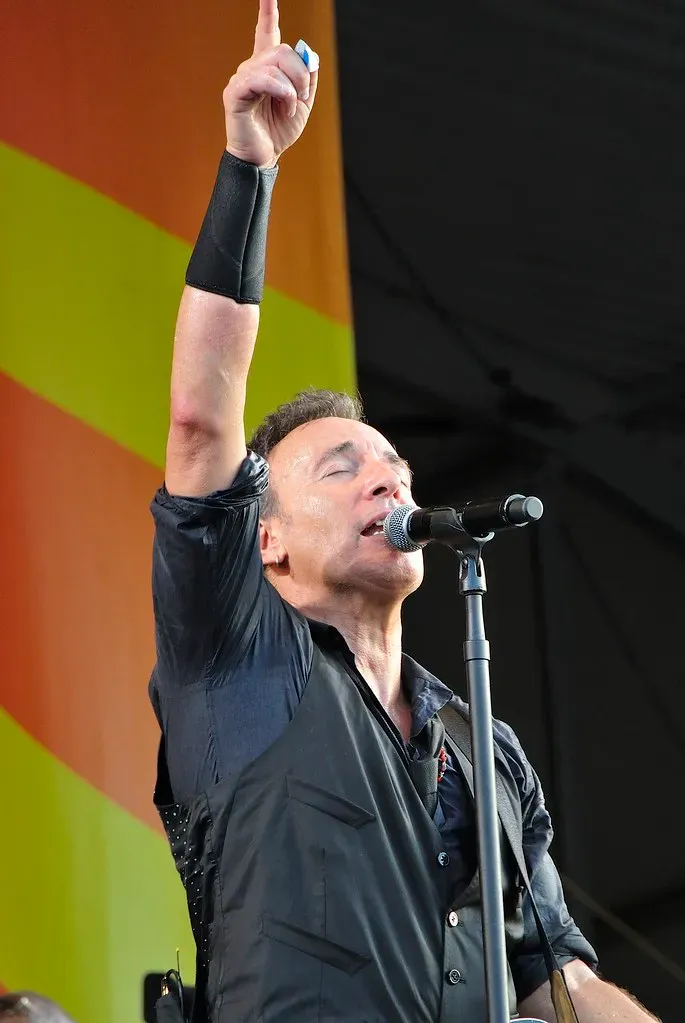
Let’s be real, Bruce Springsteen spent months perfecting the production of “Born to Run.” But the core melody and chorus lyrics? Those came to him in about ten minutes while sitting at his piano in New Jersey. He knew immediately he’d struck gold with that opening line.
Springsteen has talked about how the song’s essence arrived fully formed, even though the recording process became torturous. He obsessed over every guitar layer and drum sound. The initial creative spark, though, was pure instinct.
This track saved his career in 1975. His label was ready to drop him until this anthem proved he could deliver a hit. The quick inspiration became a three-and-a-half-minute escape fantasy that defined American rock.
“Wonderwall” by Oasis

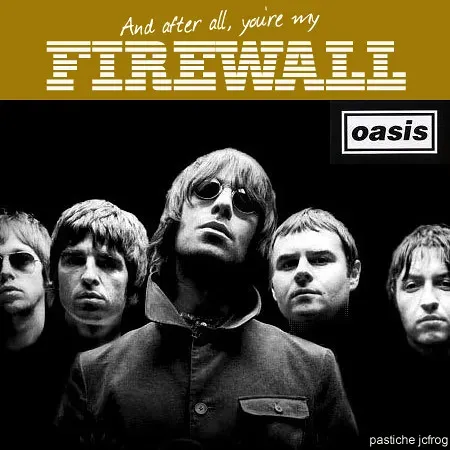
Noel Gallagher wrote “Wonderwall” in under twenty minutes at his house. He was noodling around on an acoustic guitar when the chord progression came together. The lyrics followed almost immediately, though he’s always been vague about their exact meaning.
Gallagher recorded a demo the same day and knew he had something special. The song became Oasis’s biggest hit in 1995 and defined Britpop for an entire generation. It’s been covered endlessly, often at college open mic nights much to everyone’s amusement.
What’s funny is Gallagher has expressed mixed feelings about the song’s success. He’s proud of it but also slightly annoyed it overshadows his other work. That’s the curse of writing something too catchy too quickly.
“Jolene” by Dolly Parton


Dolly Parton strikes again with another speed-written classic. She composed “Jolene” in roughly fifteen minutes after meeting a red-headed bank teller who was flirting with her husband. The woman’s name was actually Jolene, and Parton thought it was too perfect not to use.
She recorded it in 1973, and the haunting plea became one of her signature songs. The desperation in the lyrics feels genuine because Parton channeled real insecurity into those verses. She’s admitted the jealousy was real, even if somewhat exaggerated for dramatic effect.
The song has been covered by everyone from The White Stripes to Miley Cyrus. Its emotional rawness transcends genre, which is probably why it works in so many different arrangements. Quick inspiration often carries the most authentic feeling.
Conclusion

These songs prove that sometimes the best art happens when you stop overthinking and trust your instincts. Lightning-fast inspiration created some of music’s most enduring moments. Whether it was Paul McCartney waking from a dream, Kurt Cobain’s frustrated jam session, or Keith Richards’ middle-of-the-night recording, these rushed creations outlasted countless carefully planned compositions.
What they all share is authenticity. These songwriters captured raw emotion before self-doubt could creep in. They didn’t have time to second-guess or polish away the humanity. That’s probably why these songs still resonate decades later.
What do you think about these quick creations? Do you have a favorite song that was written in minutes? Share your thoughts in the comments below.


