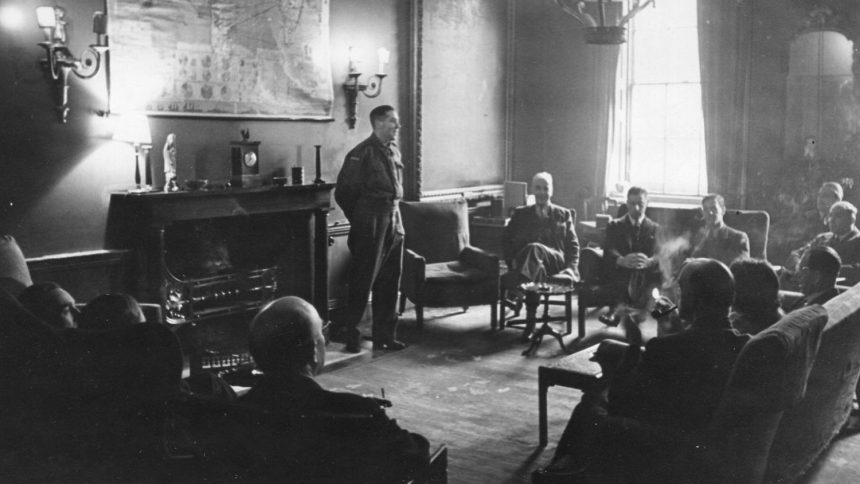
History is not written in stone. It is messy, accidental, and sometimes absurdly dependent on a single decision, a wrong turn, or a piece of furniture being slightly out of place. The stories we learn in school feel inevitable in hindsight, as if the world was always destined to unfold the way it did. But scratch below the surface, and you find moments where everything could have been completely different.
These seven events are not what-ifs invented by armchair generals. They are documented, verified near-misses that genuinely changed the trajectory of human civilization. Some are terrifying. Some are almost ridiculous. All of them should make you rethink how fragile history really is. Let’s dive in.
1. The Cuban Missile Crisis: One Submarine Almost Ended Everything

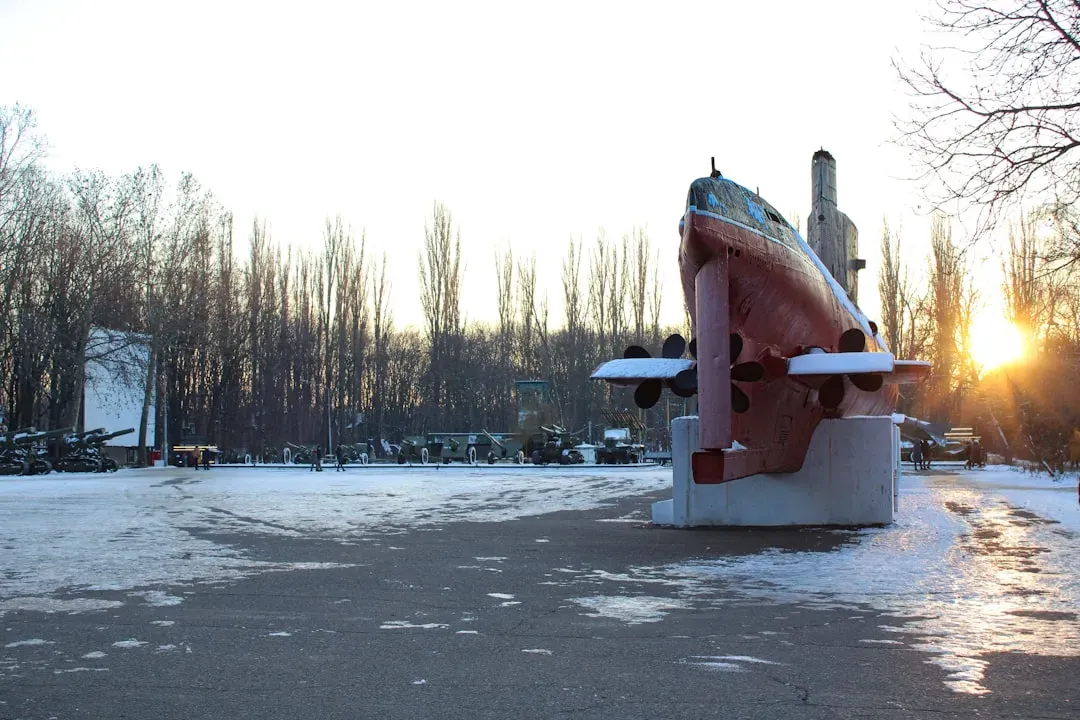
The Cuban Missile Crisis of October 1962 was a direct and dangerous confrontation between the United States and the Soviet Union during the Cold War, and was the moment when the two superpowers came closest to nuclear conflict. Most people know the broad strokes: missiles, Cuba, Kennedy, a tense standoff. What most people do not know is how close the situation came to collapsing into nuclear fire from below the ocean surface.
On October 27, 1962, at the height of the Cuban Missile Crisis, the American destroyer USS Beale began dropping depth charges on the nuclear-armed Soviet submarine B-59, which was lurking near the U.S. naval blockade. The sub’s crew and their captain were extremely nervous, began to believe they were under attack, and that war had begun. The crew and their captain were in favor of arming and deploying the sub’s nuclear-tipped torpedo.
The Soviet captain was in favor of firing, but Vasili Arkhipov, the B-59’s second in command, refused to give his consent. After calming the captain down, Arkhipov coolly convinced his fellow officers to bring the B-59 to the surface and request new orders from Moscow. That single act of restraint may have prevented a nuclear exchange. In a separate deal, which remained secret for more than twenty-five years, the United States also agreed to remove its nuclear missiles from Turkey as part of the resolution, a fact that shocks people even today.
2. Operation Valkyrie: One Oak Table Leg Saved Hitler

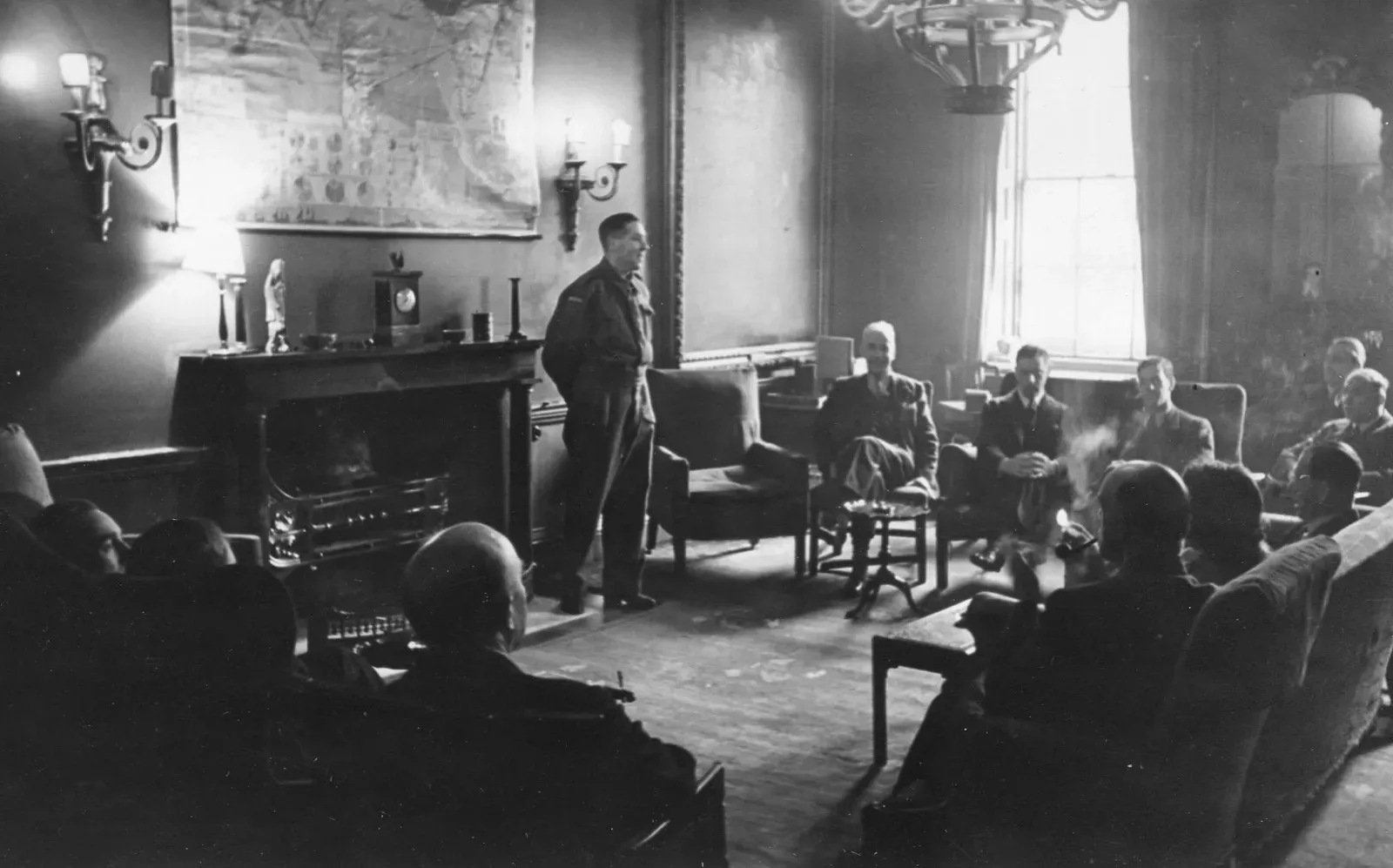
The 20 July plot, sometimes referred to as Operation Valkyrie, was a failed attempt to assassinate Adolf Hitler, the chancellor and dictator of Germany, and overthrow the Nazi regime on 20 July 1944. Honestly, you cannot write this stuff. The fate of the war, and potentially millions of lives, came down to where someone placed a briefcase.
On July 20, 1944, Stauffenberg placed an explosives-laden briefcase close to Hitler during a meeting at the Wolf’s Lair military headquarters and then left the room under the pretext of a phone call. The subsequent blast mortally wounded a stenographer and three officers. But Hitler emerged barely scathed, purportedly because one of the officers killed had moved the briefcase to better view a map on the table.
The location of the conference was unexpectedly changed at the last minute from the underground Führerbunker to the main briefing room above ground due to the hot weather. That move significantly reduced the blast’s lethal force. Hitler survived, shielded from the blast by the solid-oak conference table leg. His trousers were in tatters and he suffered a perforated eardrum, but he was alive. Had the plot succeeded, World War II might have ended sooner, saving millions of lives.
3. D-Day: A Weather Forecast That Changed World War II


After years of planning and billions in spending, D-Day came down to a single factor beyond the Allies’ control: the weather. That is not a dramatic exaggeration. The largest amphibious invasion in history was entirely at the mercy of rain clouds and wind direction. Think about that for a second.
On the morning of June 4, meteorologists predicted foul weather over the English Channel on June 5th, leading Eisenhower to postpone the attack for 24 hours. The delay was unnerving for soldiers, sailors, and airmen, but when meteorologists forecast a brief window of clearer weather over the channel on June 6, Eisenhower made the decision to go. It was one of the gutsiest decisions of the war.
Had Eisenhower postponed the invasion, the next available period with the right combination of tides was two weeks later, from 18 to 20 June. But during the second window, a major storm, described as a “one in forty years event,” would have made the landings impossible. Weeks later, Stagg sent Eisenhower a memo noting that had D-Day been pushed to later in June, the Allies would have encountered the worst weather in the English Channel in two decades. The entire Western front strategy could have collapsed under the weight of a June storm.
4. The Assassination of Archduke Franz Ferdinand: A Wrong Turn Started WWI

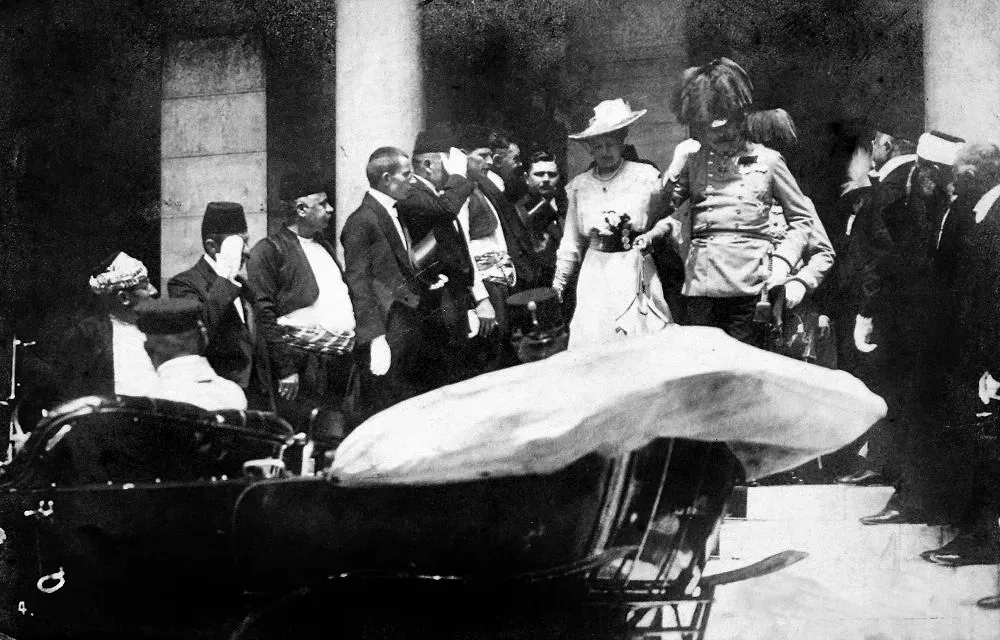
On June 28, 1914, Archduke Franz Ferdinand and his wife Sophie were assassinated in Sarajevo, an event that ignited World War I. Earlier that day, a failed bomb attempt had left the couple unharmed. However, a wrong turn in their motorcade led them directly to Gavrilo Princip, who seized the opportunity to fatally shoot them. A wrong turn. History’s most catastrophic war triggered by a driver making a wrong turn.
Here’s the thing: the first assassination attempt had already failed that morning. The Archduke survived a bomb thrown at his car and continued his visit. It was only later, while rerouting to visit those injured in the earlier attack, that the motorcade accidentally stopped right in front of Princip, who was sitting at a nearby deli having a sandwich after assuming the mission had failed entirely.
Partner offer

The chain reaction that followed was staggering. Within weeks, the great powers of Europe were mobilizing for what would become the deadliest conflict in modern history up to that point, claiming the lives of an estimated 20 million people. This chance encounter underscores how a simple misstep can alter the course of history. The word “misstep” feels almost insultingly small given the consequences.
5. Stanislav Petrov: The Man Who Refused to Start a Nuclear War


The officer in charge, Stanislav Petrov, had a feeling that if the U.S. were to attack, they would do it with far more than five missiles, so he disobeyed Soviet military protocol and dismissed the warning. In September 1983, the Soviet early warning system flagged what appeared to be an incoming American missile strike. Protocol demanded he report it immediately up the chain of command.
He was correct: the satellite had interpreted the sun’s reflection off the clouds as a missile attack. Though his efforts didn’t come to light until much later, Stanislav Petrov was eventually recognized as having possibly saved more lives than anyone in history, and has also been described as “The Man Who Saved the World.”
With only minutes to make a decision, Petrov chose to ignore the blaring warning alarms and reported the launch as a false alarm, a move that may have averted a nuclear holocaust. The incident remained classified until after the Cold War ended, but Petrov later received several humanitarian awards for his extraordinary actions, and was even honored by the United Nations. One man’s gut instinct versus the protocol of a superpower. Instinct won. Fortunately for all of us.
6. The Assassination Attempt on Lenin: A Near-Miss That Would Have Rewritten the Soviet Union

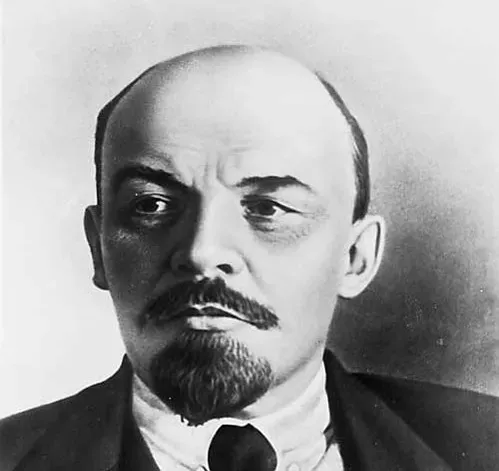
He was born Vladimir Ilyich Ulyanov, but the world has come to know him as Vladimir Lenin, leader of the 1917 Bolshevik October Revolution and first leader of the Soviet Union. In 1918, just one year after the revolution that reshaped global politics, Lenin came terrifyingly close to being killed.
During that same period, Lenin’s communist government launched the first Red Terror to eliminate all opposition to their rule. Only two months later, while speaking to factory workers, Lenin was approached by Fanya Kaplan and shot twice. He survived his wounds, though his health was never the same afterward. The bullets remained inside him and are believed to have contributed to the strokes that eventually led to his death in 1924.
Lenin’s survival would set in motion the rise of Joseph Stalin and 74 years of Communist rule in Russia that would affect the world for almost the entirety of the 20th century. Had he been killed in 1918, the world, and recent history, might have been a very different place. It’s hard to say for sure what alternative might have emerged, but the power vacuum in 1918 Russia was volatile enough that nearly any outcome was possible. Stalin’s rise was far from guaranteed.
7. The Apollo 11 Moon Landing: Computer Alarms, Low Fuel, and Sheer Nerve

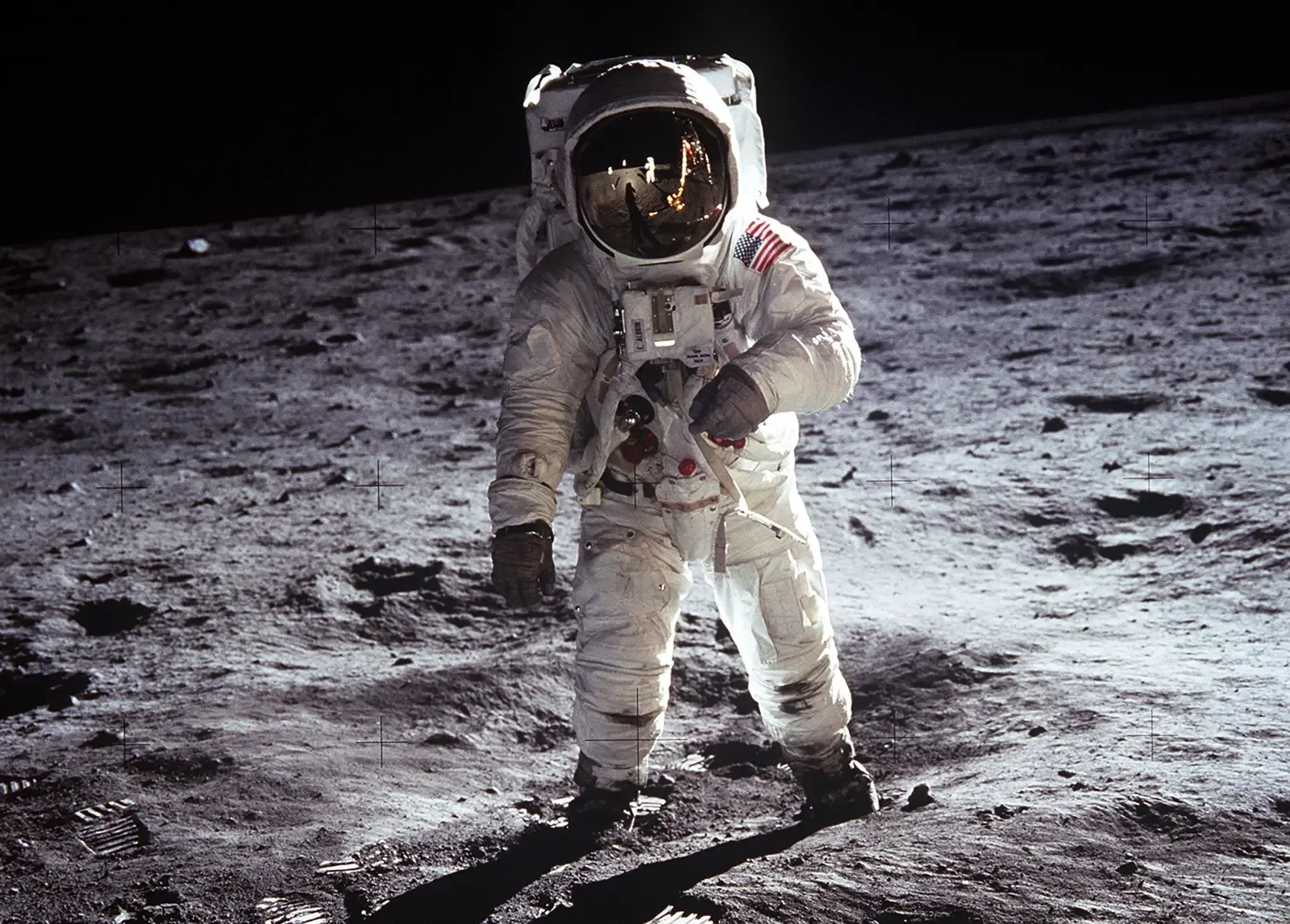
During Apollo 11’s lunar descent, the lunar module’s guidance computer triggered unexpected 1201 and 1202 alarms, indicating overloads. These were caused by the rendezvous radar transmitting unnecessary data, straining the computer’s capacity. Mission Control, recalling prior simulations, assessed the alarms as non-critical and permitted the landing to proceed. This decisive judgment ensured Neil Armstrong and Buzz Aldrin’s safe touchdown on the Moon.
On July 20, 1969, Neil Armstrong and Buzz Aldrin set foot on the moon, but the mission was plagued with challenges. Apollo 11 faced computer overloads, a low fuel warning, and communication drops. The margin for error during the final descent was razor-thin. Armstrong took manual control and landed with less than 30 seconds of fuel remaining.
It is worth remembering that President Nixon had a speech already prepared for the occasion where the mission failed, written in advance because the odds were genuinely uncertain. One wrong call at Mission Control, one misread alarm, and the first Moon landing becomes history’s most watched tragedy instead of its greatest triumph. These near-misses and close calls remind us that history isn’t a predetermined path but rather a complex web of choices, chances, and circumstances. Understanding what almost didn’t happen gives us a deeper appreciation for history’s fragility.
Conclusion: History Balances on a Knife’s Edge


Looking at these seven events together, one thing becomes impossible to ignore: we survived a lot of very close calls. Nuclear war was averted by a Soviet officer’s hunch, a table leg, and one submarine officer’s refusal to fire. The liberation of Europe depended on a rain forecast. The Moon landing nearly became a disaster broadcast live to the entire world.
None of this was inevitable. None of it was guaranteed. Every single outcome in this list required a specific combination of decisions, accidents, and sometimes pure dumb luck to land where it did. History is not a straight line. It is a series of coin flips where the stakes are civilization itself.
The next time you hear someone say “that’s just how history goes,” push back a little. Because if a Soviet officer had trusted a faulty satellite, or a briefcase had stayed three inches to the left, you might be living in a completely different world right now. What would you have guessed had the better odds?
Partner offer
Planning a trip to Vegas?
Compare hotel rates and show tickets on VEGAS.com.