Songwriters tend to say they find ideas in dreams, heartbreak, or long drives. Some of the biggest records ever made started with something less romantic, a few lines of newsprint read over breakfast.
The seven songs below all trace back to real reporting, whether a single column, a wire story, or a flood of news images. Each one turned a passing headline into something people kept humming for decades.
A Day in the Life by The Beatles
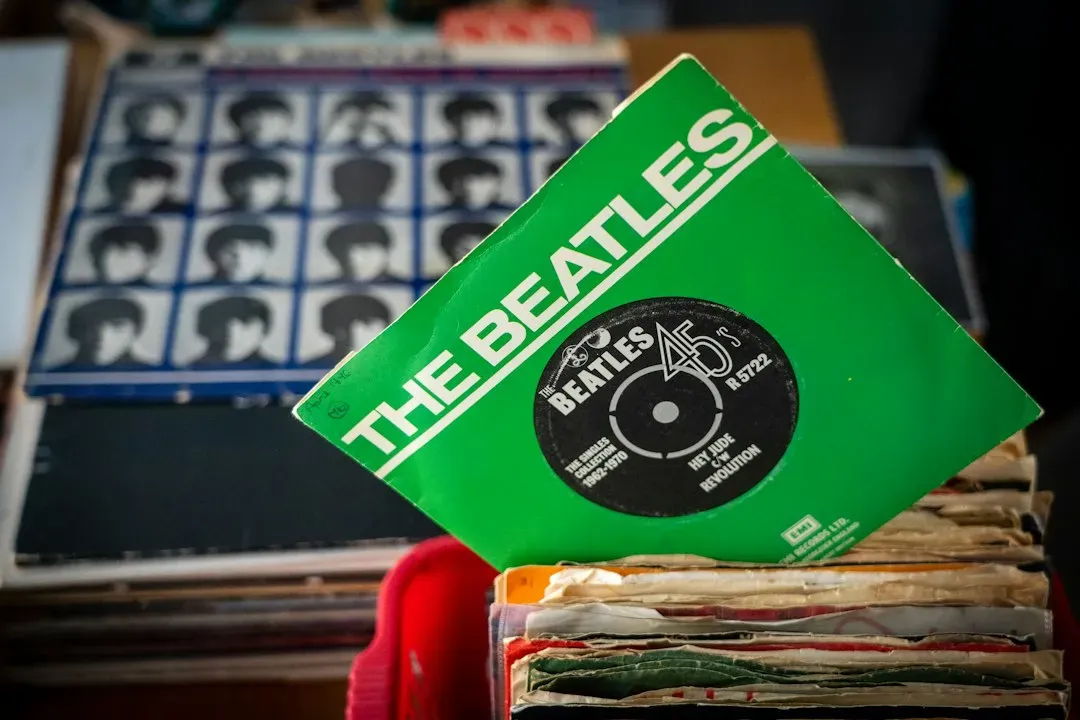
John Lennon pulled material for this song straight from the Daily Mail while working on Sgt. Pepper’s Lonely Hearts Club Band. One item covered the death of Tara Browne, a young heir and friend of the band who died in a car crash in London in December 1966. Another was a small piece about road holes in Blackburn, Lancashire, which became the line about four thousand holes.
The song closed the 1967 album and stitched Lennon’s newspaper scraps to a separate section written by Paul McCartney. A sweeping orchestral build links the two halves. The BBC reportedly banned it from airplay over a line it read as a drug reference, yet the track is still ranked among the finest the band ever recorded.
We Didn’t Start the Fire by Billy Joel
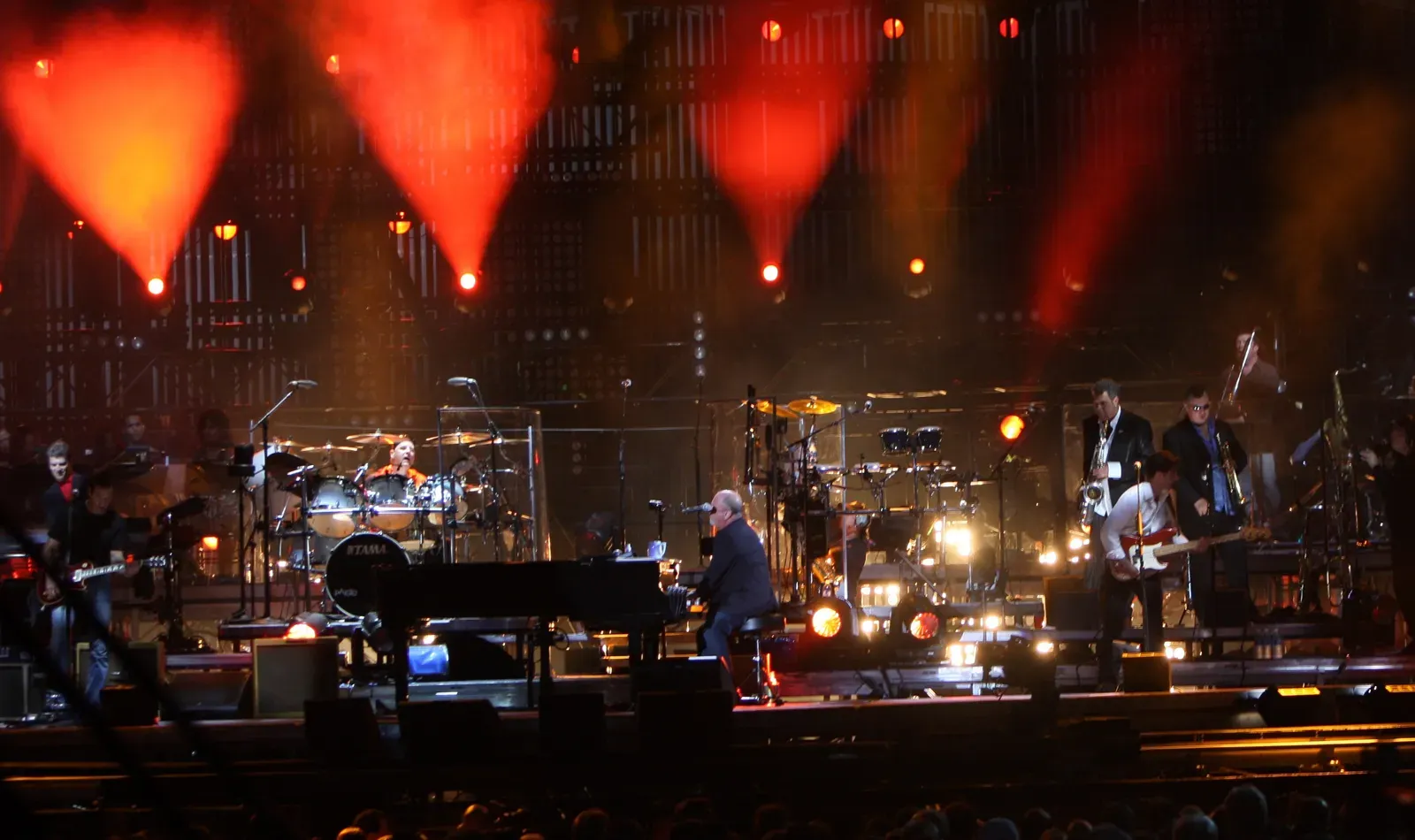
This one is practically a headline reel set to a piano. Billy Joel released it in 1989, and the lyrics race through a long list of names, events, and cultural markers from the year he was born, 1949, up to the time of writing. Politicians, movie stars, wars, and scandals all get a few syllables each.
The song reached number one on the Billboard Hot 100 in December 1989. Its structure is the point, since it reads like someone flipping through four decades of front pages at speed. Teachers still use it as a quick history prompt, which is an odd afterlife for a pop single.
I Don’t Like Mondays by The Boomtown Rats

Bob Geldof, the band’s singer, got the idea while passing through an Atlanta radio station in early 1979. A news wire there was reporting a school shooting in San Diego, where a teenager named Brenda Spencer had opened fire at Cleveland Elementary School on January 29, 1979. Asked why she did it, she reportedly gave a flat reply about Mondays, and Geldof built the song around that phrase.
The Boomtown Rats took it to number one in the United Kingdom in the summer of 1979. It remains one of the more uncomfortable chart toppers, a polished pop arrangement wrapped around a real tragedy. Spencer’s attack killed two adults and wounded eight children and a police officer.
Jeremy by Pearl Jam

Eddie Vedder has said he came across a short newspaper item about a teenager who took his own life in front of his class. The boy was Jeremy Wade Delle, a fifteen year old at Richardson High School in Texas, and the incident happened in January 1991. Vedder turned the brief report into lyrics about a lonely kid nobody noticed until it was too late.
The song appeared on the band’s debut album, Ten, in 1991. The music video, released with the single in 1992, later won major honors at the 1993 MTV Video Music Awards, including Video of the Year. It was a heavy subject for a rock radio staple, and the band never treated it lightly.
Brenda’s Got a Baby by 2Pac

Tupac Shakur’s first solo single came out in 1991 from the album 2Pacalypse Now. He said the idea came from a newspaper story about a twelve year old girl who became pregnant, gave birth, and abandoned the baby. The character in the song is fictional, though the situation was drawn from that kind of reporting.
Rather than blaming the girl, the lyrics sketch the poverty and neglect around her. It was an early example of the social storytelling that defined his career. The track drew both praise and controversy, which fits a song built from the less comfortable pages of the paper.
Zombie by The Cranberries

Dolores O’Riordan wrote Zombie in response to the Warrington bombing of March 20, 1993. Two IRA bombs exploded in litter bins in the English town, killing three year old Jonathan Ball and twelve year old Tim Parry. The deaths of two children made headlines across Britain and Ireland, and the band wrote the song in the aftermath.
It came out in 1994 on the album No Need to Argue and became the group’s biggest international hit. The heavy guitar sound was a sharp turn from their softer earlier singles. Its anger was aimed at the cycle of violence, not at any single group of people.
Ohio by Crosby, Stills, Nash and Young

On May 4, 1970, National Guard troops fired on protesters at Kent State University in Ohio and killed four students. Neil Young reportedly wrote the song soon after seeing photographs of the shootings in Life magazine, so the spark was press coverage, though printed in a magazine rather than a daily paper. The band recorded it quickly and rushed a single into release within weeks.
The lyrics refer directly to the events and to the president of the time, which made it unusually blunt for radio. Some stations hesitated to play it. Still, the record became one of the defining protest songs of the Vietnam era, tied permanently to the images that inspired it.