Some of history’s most important safety rules were not born from careful planning or foresight. They were forged in tragedy. Time and again, it has taken devastating loss of life for governments, institutions, and communities to finally wake up and do something different. The pattern is uncomfortable to admit, but it is undeniably real.
From factory fires to terrorist attacks, each of these incidents forced a hard reckoning with the way society protects its people. The stories behind the policies are sometimes shocking, sometimes heartbreaking, and often surprisingly close to home. Let’s dive in.
1. The Triangle Shirtwaist Factory Fire (1911): The Blaze That Built Modern Labor Law
Honestly, if you want to understand how broken workplace safety was in early 20th-century America, this is your starting point. On March 25, 1911, a devastating fire tore through the Triangle Shirtwaist Factory in New York City. The workers were trapped by locked doors, inadequate fire escapes, and overcrowded conditions, and had little chance to survive. The fire caused the deaths of 146 garment workers, 123 women and girls and 23 men, who died from either the fire, smoke inhalation, or falling or jumping to their deaths.
Because the doors to the stairwells and exits were locked, a common practice at the time to prevent workers from taking unauthorized breaks and to reduce theft, many workers could not escape from the burning building and jumped from the high windows. The public fury was immediate and extraordinary. Three months later, the governor of New York signed a law empowering the Factory Investigating Committee, which resulted in eight more laws covering fire safety, factory inspection, and sanitation. The following year, in 1912, activists and legislators in New York State enacted another 25 laws that transformed its labor protections. The Occupational Safety and Health Administration, established in 1970, is also one of the direct results of the reform movement that followed the Triangle fire.
2. The 1966 Miranda v. Arizona Ruling: The Case That Changed Every Arrest
Here is a name that echoes through every police procedural drama you have ever watched. Ernesto Miranda did not understand he had a constitutional right to consult an attorney prior to questioning, nor was he informed by police that he had that right. Miranda gave a detailed confession about a rape, admitting his involvement to police. The U.S. Supreme Court ruled that confession inadmissible. The outcome reshaped law enforcement from the ground up.
Police are now required to inform arrested individuals, whom they wish to question, of their rights before any interrogation begins. What we now call the “Miranda warning” became one of the most transformative legal mandates in American policing history. It is a small card, recited in seconds, but it represents a foundational shift in the relationship between the state and the individual citizen. Few legal decisions have been more routinely present in everyday law enforcement than this one.
3. The Columbine Massacre (1999): The Shooting That Redesigned School Safety
Before April 20, 1999, the idea of an active shooter drill in an American elementary school was essentially unthinkable. The tragic Columbine event, in which 12 students and one teacher died, thrust the country into a new era, forever changing millions of American students’ sense of safety. The response from police that day drew enormous criticism. At the time, police scrambled to respond, and when on the scene, treated the shooting like a bank robbery negotiation, waiting outside for almost an hour, thinking the shooters would communicate demands while the shooting continued inside. Today, protocols call for the first officer on site to enter the situation rather than waiting outside.
The incident resulted in the introduction of the Immediate Action Rapid Deployment tactic, which is used in active-shooter situations, and an increased emphasis on school security with zero-tolerance policies. As a result of what was learned from those responses, a majority of states enacted legislation requiring preparedness efforts for events like Columbine. Nearly all schools today have written plans for active shooter response and the vast majority regularly practice these plans through drills or similar exercises. Think about that. Lockdown drills are now just a regular part of childhood in America.
4. The September 11 Attacks (2001): The Day That Reinvented Air Travel
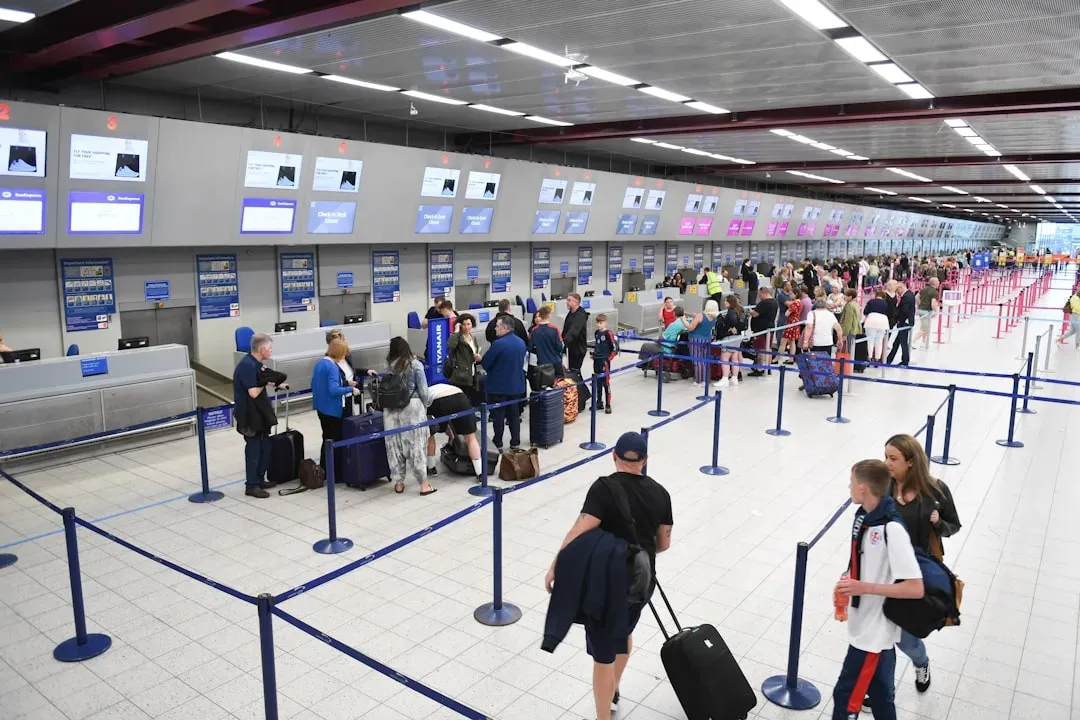
There is a “before” and an “after” in the history of airport security, and the line between them is September 11, 2001. On September 10, 2001, anyone, even those who were not flying, could come to the airport and pass through the security checkpoint. Screeners employed by private companies scanned carry-on bags. Anyone passing through the checkpoint could do so without taking off shoes, belts, and outerwear. Liquids and gels in any quantity could be brought through the checkpoint. Going through security was a relatively benign, routine exercise, right up until September 10, 2001.
On the morning of September 11, 2001, nearly 3,000 people were killed in a series of coordinated terrorist attacks in New York, Pennsylvania, and Virginia. The attacks resulted in the creation of the Transportation Security Administration, designed to prevent similar attacks in the future. The Aviation and Transportation Security Act shifted the responsibility for transportation security to the federal government, leading to the creation of the TSA and emphasizing federal oversight in various transportation sectors, particularly aviation. The TSA increased the number of security agents employed from roughly 16,000 to more than 56,000 and increased their compensation. Airport security was never the same again.
5. Hurricane Katrina (2005): The Storm That Exposed Emergency Management Failures
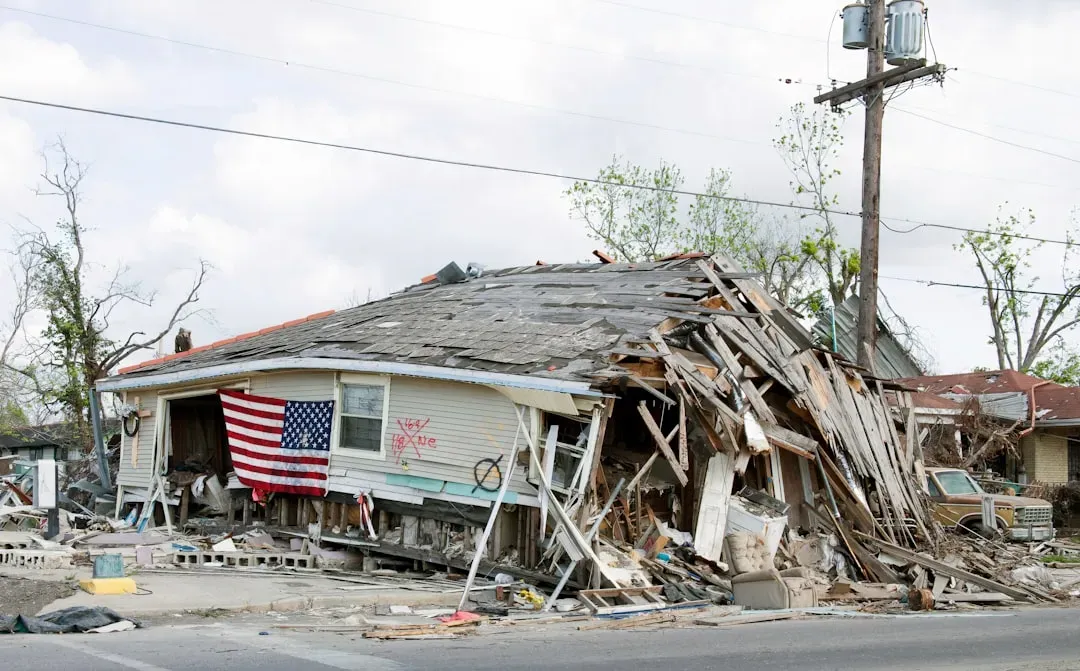
Few disasters have laid bare the gaps in government preparedness as starkly as Hurricane Katrina. When the storm made landfall on August 29, 2005, it exposed catastrophic failures at every level of emergency response, from local to federal. The images of stranded citizens on rooftops in New Orleans, waiting days for rescue, became one of the most haunting symbols of institutional failure in modern American history. The Federal Emergency Management Agency, widely criticized for its delayed and disorganized response, was rebuilt from the ground up in the years that followed.
The Post-Katrina Emergency Management Reform Act of 2006 overhauled FEMA, giving it greater independence, increased funding, and a stronger mandate for pre-disaster preparedness rather than just post-disaster relief. Mutual aid agreements between states were strengthened, the National Incident Management System was more rigorously enforced, and communication protocols between federal, state, and local agencies were fundamentally restructured. I think it is fair to say that Katrina was a watershed moment, not just for disaster policy, but for the entire conversation about what government owes its citizens in a crisis.
6. The Death of George Floyd (2020): A Reckoning That Reached Around the World
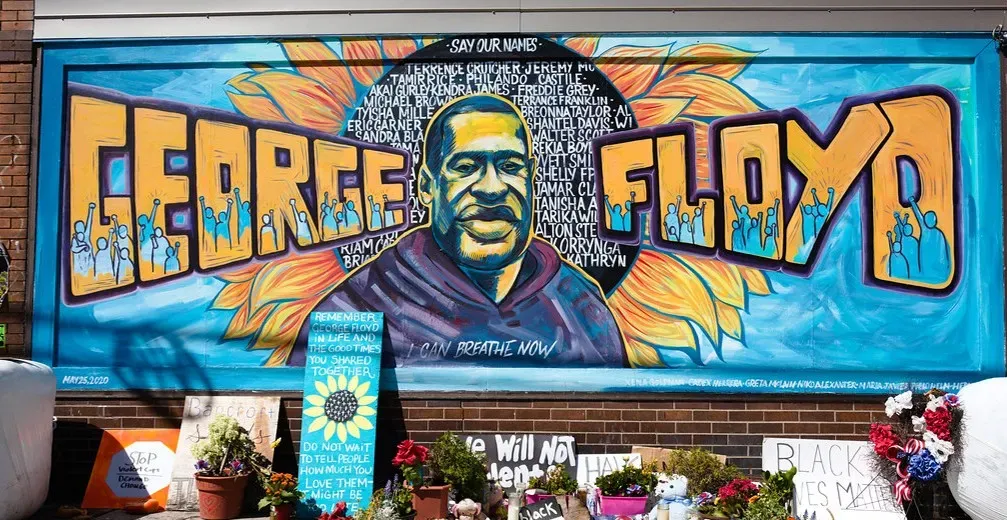
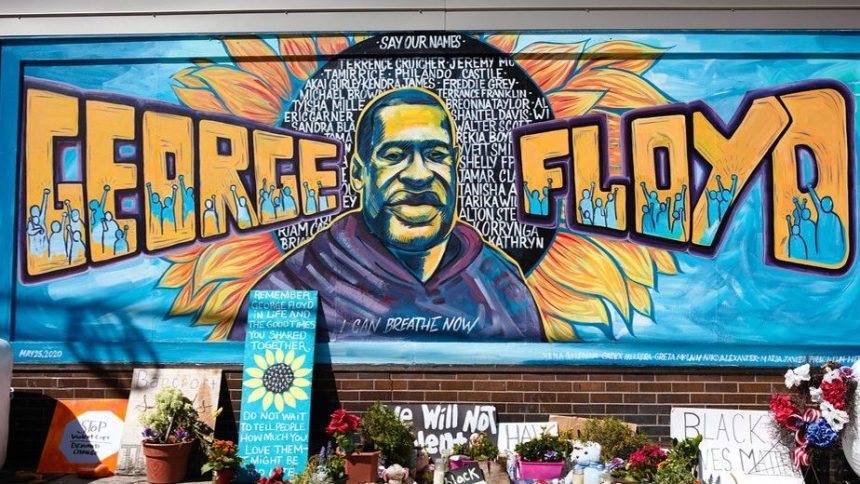
On May 25, 2020, George Floyd, an African-American man, was murdered by a white police officer, Derek Chauvin, in Minneapolis. A video of the incident depicting Chauvin kneeling on Floyd’s neck for an extended period attracted widespread outrage, leading to local, national, and international protests and demonstrations against police brutality and racism in policing. The scale of what followed was hard to fully grasp. The Movement for Black Lives expanded into what some describe as possibly the largest social movement in U.S. history, and many of its protests were policed in ways that only served to heighten tension and mistrust between police and the public seeking change.
During the nationwide protests that followed, protesters, politicians, religious leaders, and other groups called for police reform in the United States. This led to laws, proposals, and public directives at all levels of government to address police misconduct and systemic racial bias. Some of the most common reforms involve bans on chokeholds and no-knock warrants, and improvements to police data collection procedures. On May 25, 2022, the second anniversary of Floyd’s murder, President Joe Biden signed Executive Order 14074, creating the National Law Enforcement Accountability Database and enacting other federal policing reforms. The ripple effects of one filmed encounter reached into police departments, city councils, and legislatures across the country and beyond.
7. The Sandy Hook Elementary Shooting (2012): The Tragedy That Would Not Let the Country Look Away
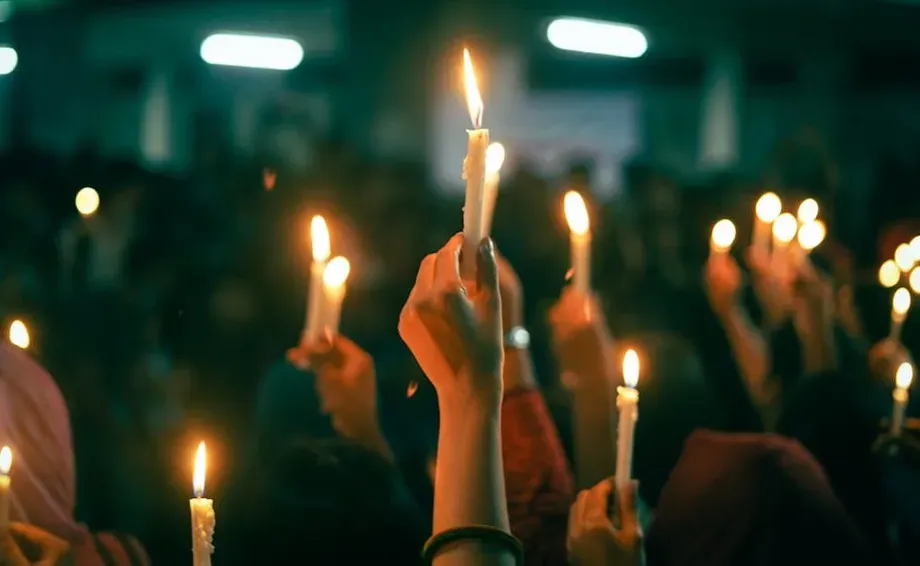
If Columbine changed how schools responded to shootings, Sandy Hook changed how an entire nation grappled with the politics surrounding them. On December 14, 2012, 20 children between six and seven years old, along with six adult staff members, were killed at Sandy Hook Elementary School in Newtown, Connecticut. The sheer youth of the victims stunned the country into a grief that felt different in kind from anything that had come before. The urgency for action was felt with a raw intensity that few events in recent memory could match.
Less than one year after the Sandy Hook Elementary School shooting, Sandy Hook Promise developed evidence-based programs designed to help youth and adults recognize warning signs of violence and act to get help and prevent tragedy. To date, millions of people have participated in these programs in thousands of schools across all 50 states. At the state level, policies were enacted to address gun safety, including background checks and extreme risk protection orders, as well as mental health and violence prevention measures. The families of Sandy Hook victims became some of the most effective advocates for gun safety legislation the country has ever seen, turning immeasurable grief into lasting policy change.
Seven incidents. Seven turning points. Each one painful, each one permanent in its impact on the policies that govern public safety today. History has a way of forcing our hand when we are not willing to move on our own. The real question worth sitting with is this: why does it so often take catastrophe to create the safety systems we should have built long before? What do you think? Leave your thoughts in the comments below.