


There’s a particular kind of conversational moment that happens at family dinners, office meetings, and barbecues across America. Someone wraps up a story, lets a beat hang in the air, and then drops a line that lands differently depending on who’s in the room. The boomers smile. Everyone under forty looks mildly puzzled.
Movie quotes have always served as social shorthand, but the ones that boomers reach for most often come from a specific window of cinema history, roughly the late 1930s through the late 1980s. Many boomers use these lines so often that the original scenes have faded, even as the dialogue still shapes how they joke, argue, and say goodbye. These seven quotes are the clearest proof of that.
“Frankly, My Dear, I Don’t Give a Damn” – Gone with the Wind (1939)

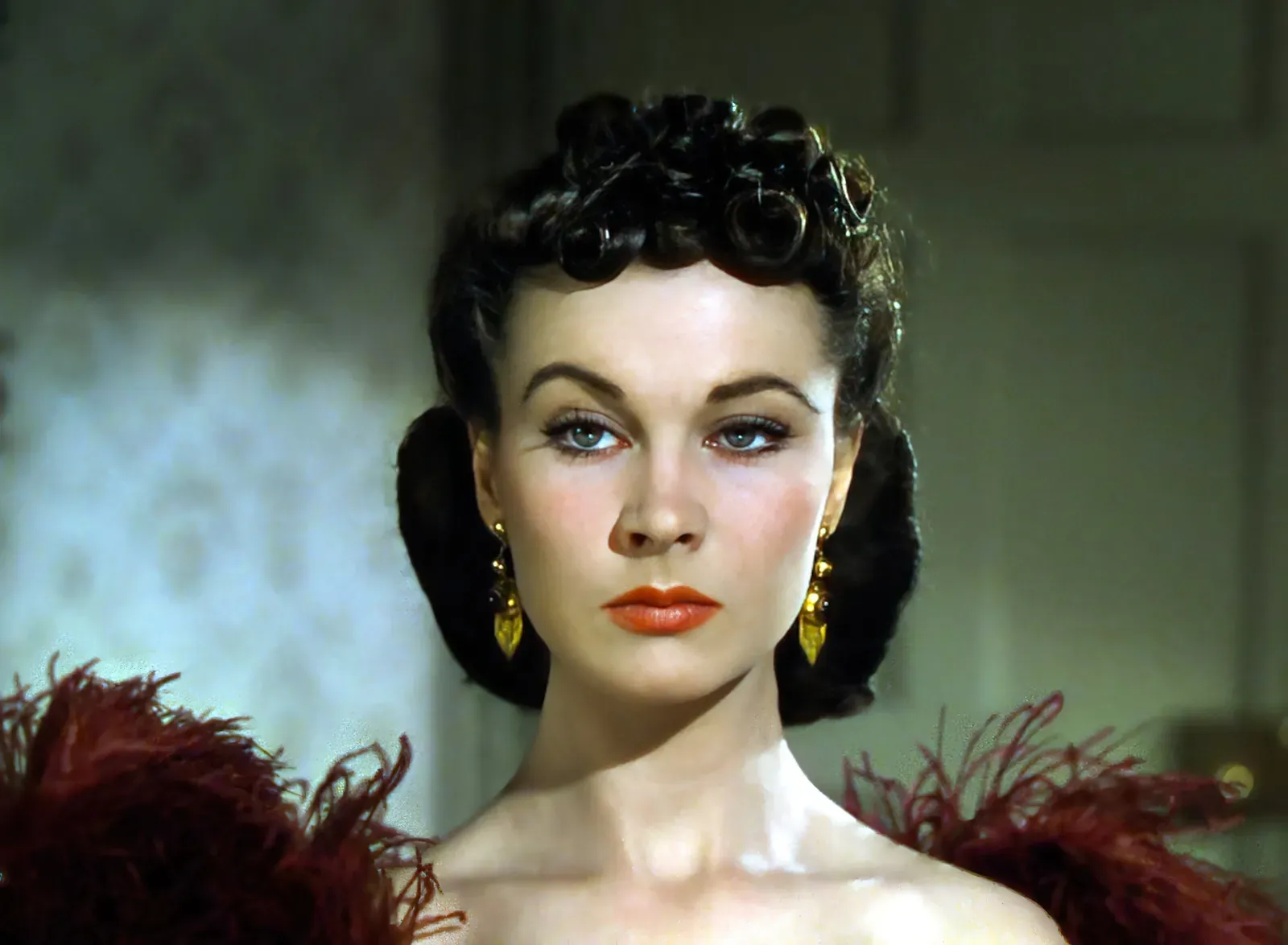
This is the parting shot Clark Gable delivers as Rhett Butler to Vivien Leigh’s Scarlett O’Hara in the closing scene of Gone with the Wind. The line is spoken as Rhett’s last words, in response to Scarlett’s tearful question about what she should do, as she clings to the hope that she can win him back. The dismissiveness of it is total, and that’s exactly why boomers love deploying it.
Prior to the film’s release, censors objected to the use of the word “damn,” a word that had been prohibited by the 1930 Motion Picture Production Code beginning in July 1934. The quotation was later voted the number one movie line of all time by the American Film Institute in 2005. Many boomers now use it as a stock retort in arguments, rarely pausing to recall the censorship battle that once made the word controversial. A line that once signaled Hollywood’s willingness to test moral boundaries now survives mostly as shorthand for “I am done with this conversation.”
“Here’s Looking at You, Kid” – Casablanca(1942)


This is Humphrey Bogart’s bittersweet toast as Rick Blaine to Ingrid Bergman’s Ilsa Lund at Rick’s Café Américain in Casablanca. Casablanca is a classic among classics, and starring Humphrey Bogart and Ingrid Bergman, the film defined star-crossed love for the cinema age. The warmth of the line is deceptively simple, which is probably why it has survived with so little wear.
Reader’s Digest reporting explains that Bogart developed the line during real-life poker games with Bergman, then folded it into their on-screen chemistry. By the 1960s and 1970s, boomers were clinking highball glasses at house parties and campus gatherings, repeating the phrase as a knowing, slightly romantic send-off. Today it turns up at retirement parties, wedding toasts, and whenever someone just needs a graceful exit from a conversation.
“What We’ve Got Here Is Failure to Communicate” – Cool Hand Luke(1967)

This line is spoken by the Captain, played by Strother Martin, in the film Cool Hand Luke, directed by Stuart Rosenberg in 1967. After Luke talks back to the captain, the Captain has to assert his authority, and as Luke lies in the dust, he delivers: “What we’ve got here is failure to communicate.” It’s a line born of institutional cruelty, though you’d never know it from how casually boomers reach for it.
The line was ranked number 11 in the American Film Institute’s list of the top 100 movie quotations in American cinema. Boomers love quoting this one, especially the full version, and they use it whenever someone doesn’t understand their point, which can happen a lot when they’re trying to explain why we should answer phone calls instead of texting. The gap between the line’s grim origin and its breezy everyday use says something interesting about how powerfully cinema shaped a generation’s vocabulary.
“You Talkin’ to Me?” – Taxi Driver (1976)


Robert De Niro showed off his chops in Martin Scorsese’s 1976 classic Taxi Driver, and the actor famously improvised his iconic line “You talkin’ to me?” while his character Travis Bickle acts out an imagined confrontation in the mirror. The fact that it was improvised might explain why it feels so loose, so transferable to ordinary life. It has a rhythm that almost begs to be repeated.
Partner offer

For boomers, the line became a go-to bit of bravado, useful for everything from mock confrontations with a friend to genuinely signaling irritation. A movie quote becomes famous when it escapes the film. The best ones are short, memorable, and applicable to everyday circumstances. You can drop them into different contexts like a text message or a toast, and they still land. This one lands every single time, which is both its charm and, for anyone under 40 within earshot, its tell.
“Go Ahead, Make My Day” – Sudden Impact(1983)

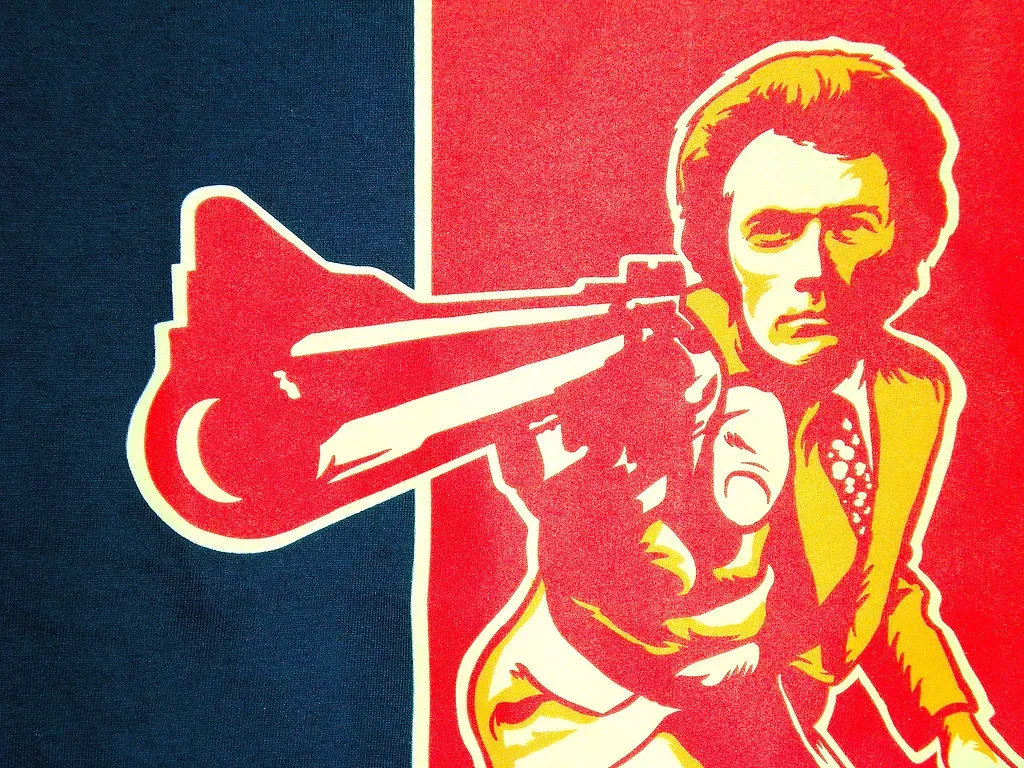
Clint Eastwood’s Dirty Harry delivered this line in the 1983 film Sudden Impact, and it became one of the most imitated tough-guy phrases in American cinema history. The line from Sudden Impact has become a cultural shorthand for toughness, the kind of line you say when you want someone to know you’ve had enough. Boomers adopted it almost immediately, and it spread far beyond film fans into everyday confrontational speech.
The phrase even crossed into politics when President Ronald Reagan used a version of it in a 1985 speech, cementing its place in the broader cultural conversation well beyond its cinematic origins. Think about why a line like “I’ll be back” works: three syllables, a promise, and a relevant use case outside of the actual movie. Cultural repetition does the rest. Parody, merchandise, impressions, and memes all turn a piece of dialogue into something closer to a shared language. The same dynamic propelled Eastwood’s challenge into permanent rotation for boomers, who still drop it whenever the opportunity presents itself.
“Nobody Puts Baby in a Corner” – Dirty Dancing (1987)

Patrick Swayze’s Johnny Castle delivers this line with quiet defiance as he rescues Baby from being sidelined during the film’s climactic dance scene. The line appeared in a NOW TV poll alongside other popular lines such as Humphrey Bogart’s Casablanca farewell as one of the most beloved film quotes. It’s a line about dignity, about refusing to let someone you care about be diminished, and that emotional clarity is part of why it stuck.
Everyone can relate to feeling overlooked or dismissed, and “Nobody puts Baby in a corner” has become something of a rallying cry for standing up for oneself. Though it was initially criticized by some for its melodrama, the line has since become a beloved catchphrase, and its enduring popularity lies in its universal appeal. Boomers who saw Dirty Dancing in theaters in 1987 carried this one out with them like a souvenir, and they’ve been using it ever since, usually at exactly the right emotional moment.
“You Can’t Handle the Truth!” – A Few Good Men (1992)
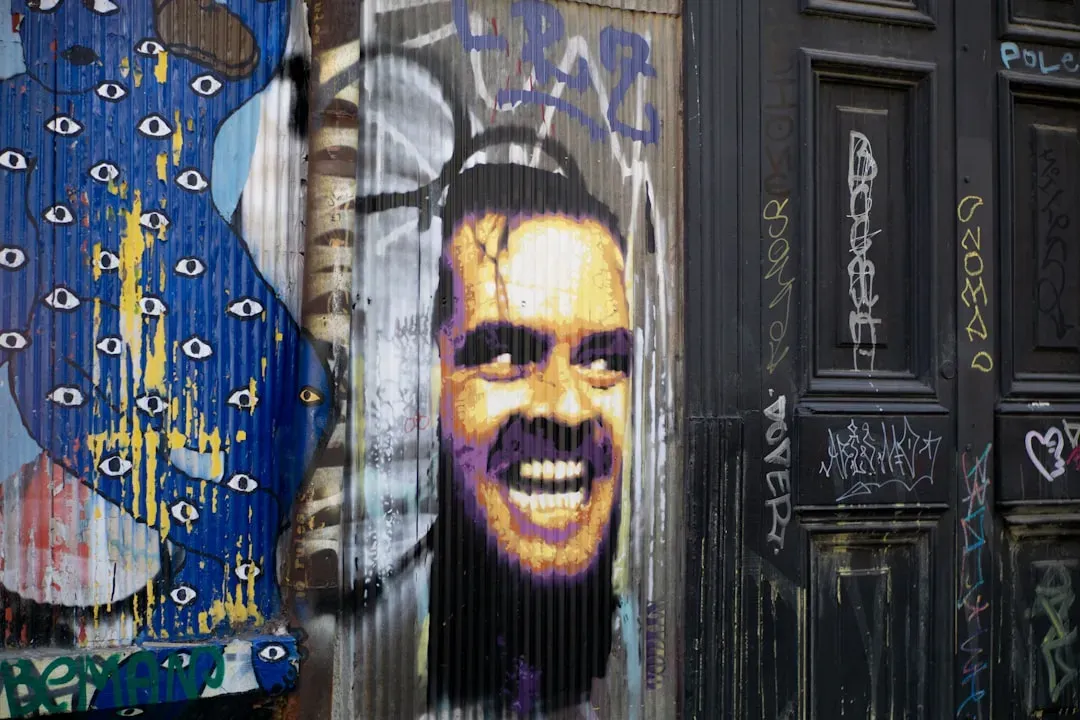
Jack Nicholson’s explosive delivery of this line as Colonel Jessup during a courtroom showdown became an unforgettable moment of cinematic drama. The line comes at the climax of a tense exchange, where Nicholson’s character reveals his unapologetic philosophy about the harsh realities of military life. His delivery is equal parts rage and self-righteousness, making it a standout moment in an already gripping film.
BBC Culture notes that although the film arrived after the boomer youth years, its life on VHS and cable made the line a staple of 1990s living rooms. Many boomers quickly adopted it as a defensive retort in heated debates about politics, parenting, or office policy. Used in conversation, the quote flips the burden of proof, suggesting that the listener’s fragility, not the speaker’s argument, is the problem. That rhetorical move has real stakes in family and workplace conflicts, where invoking Jessup’s line can shut down discussion rather than invite nuance. It remains one of the most reliably age-revealing phrases in the boomer conversational toolkit.
What makes all seven of these lines so durable is simple: they came from films that boomers saw communally, often in crowded theaters, at formative moments in their lives. Movies have a unique way of leaving an indelible mark on our lives, and for baby boomers, the golden age of cinema delivered some of the most iconic and quotable moments in film history. The quotes that survived aren’t necessarily the best-written lines, they’re the ones that matched a feeling boomers needed to express repeatedly. Language borrowed from the big screen became their own, and for better or worse, it still gives them away every time they use it.
Partner offer
Planning a trip to Vegas?
Compare hotel rates and show tickets on VEGAS.com.


