



There’s a quiet understanding in most casting offices: actors don’t lose auditions solely because of bad acting. More often, it’s something else entirely. A habit formed out of nerves, a misread of the room, or a pattern carried in from years of bad advice tends to do the damage long before the performance even begins.
Casting directors are evaluating your professionalism as much as your performance, and small habits quietly shape their perception of you. The audition room is a compressed window of time, and what happens in that window reveals far more than just your skill with a script. These nine habits are the ones casting directors consistently flag as the kind that end an audition before it really starts.
Showing Up Underprepared and Trying to Wing It


The biggest mistake is to arrive at an audition without thoroughly preparing the requested material. This is particularly true when actors are asked to bring two contrasting monologues. Casting directors spend a lot of time curating their session schedules. Walking in without having done the work sends a signal that’s hard to unsend.
Many actors enter the audition room underprepared, relying heavily on their ability to improvise or their natural charm to impress the casting directors. This approach not only underestimates the complexity of the role but also risks portraying a lack of professionalism and dedication. Audition panels can easily distinguish between an actor who has invested time in their preparation and one who hopes to skate by on spontaneity.
Apologizing Repeatedly During the Performance


Many actors come in for an audition where they stumble over lines and keep asking to restart the scene. Humans make mistakes; there are going to be times when we stumble over words, and that’s okay. If you really feel it’s important to start over, do it, but don’t apologize for making a mistake. When someone apologizes, it makes us think we’ll have to hand-hold them through the project, even if that’s not actually the case.
Apologies plant a flag in the viewer’s brain. Now they’re noticing things you highlighted that they may not have noticed. The instinct to apologize usually feels polite. In the room, it reads as fragile. Once that impression forms, it’s very difficult to shake.
Oversharing Personal Information Before or During the Audition
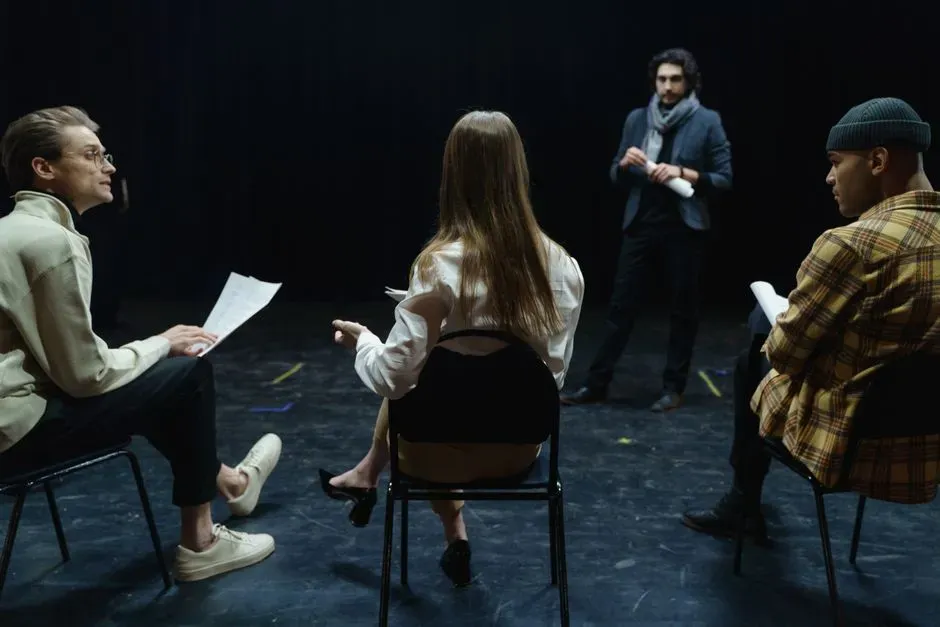
Auditions are not the place to share your personal or financial problems. It is a time to show casting professionals that you know your material and you want the job. Nobody cares that you need the part because you need four more weeks of work to get your health benefits through Actors’ Equity. The room has a purpose, and it’s not therapeutic.
Casting is not your therapist. They’re not interested in long, drawn-out excuses about why you’re late or why your clothes are wrinkled. Long personal explanations in slate videos, emotional backstories in emails, or running commentary about anxiety and burnout all signal the same thing to a casting director: this person may be difficult to manage on set.
Refusing or Resisting Direction


Failing to incorporate feedback from the director or casting agents suggests inflexibility and an inability to collaborate, which are significant traits for an actor. Casting directors aren’t just finding a performer for a role. They’re also trying to assess whether you’ll be cooperative in a professional production environment, where redirection happens constantly.
You should be prepared and make strong choices with the material. However, you must not be so attached to your choices that you can’t take direction in the room. If someone is fighting direction or just not being a pleasant human being, I probably won’t want to bring them in again. The ability to pivot gracefully is itself a form of skill that casting directors actively look for.
Partner offer

Arriving Late Without Treating Punctuality as Non-Negotiable


Never arrive late or assume there is a “window” for you to fit into, unless your agent has instructed you otherwise. Scheduling auditions involves a very complex grid of variables, and it’s important to be respectful of that. Arriving late, flustered and unfocused, will never land you the job.
Being late is another common mistake that can communicate that the actor isn’t reliable or that he or she may not respect the time constraints of others. Similarly, when actors don’t bring their headshots and résumés, they communicate that they might not be very organized. Often, being late or not having a headshot and résumé comes with a lengthy explanation. Unfortunately, this communicates that the actor does not make his or her acting career a priority.
Performing With Low Energy and Playing It Too Safe
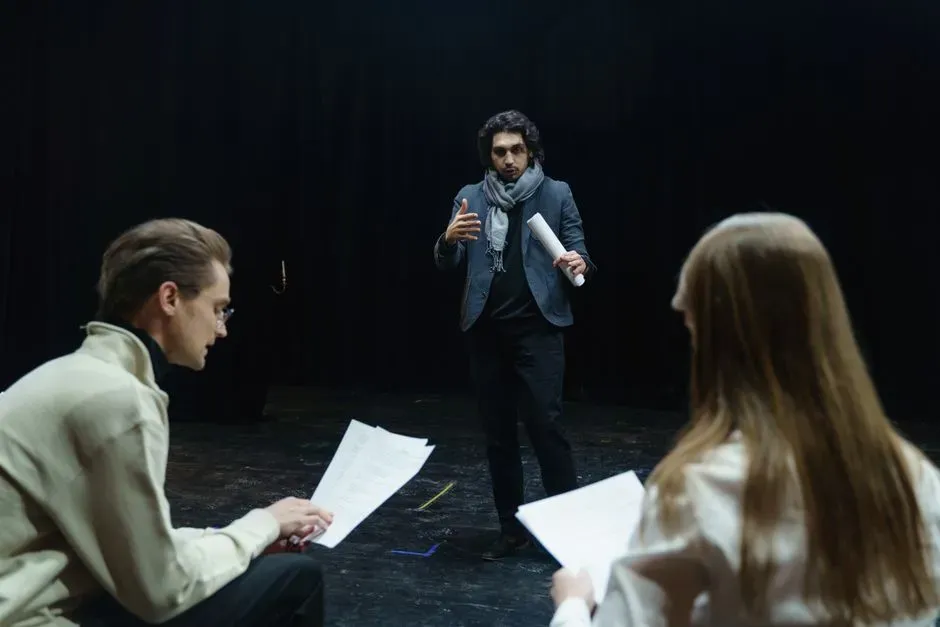
A casting director will see hundreds of actors for your particular role, and the majority will perform the audition the exact same way. Can you imagine how boring this would be for the casting director? Safe, understated choices that might work beautifully on a finished film set tend to disappear entirely in the audition room.
The need to act natural comes from being insecure about taking chances and making bold choices. Many times actors confuse film performance energy with audition performance energy, afraid of being too big for the casting director or the room. Playing it small to avoid criticism is, in practice, one of the most common ways actors go unnoticed and uncast.
Using Props or Wearing Full Costumes Without Being Asked


One of the most common audition mistakes is showing up with props, especially to a television audition. Props can come across as gimmicky and distracting. The time an actor spends trying to incorporate a prop into his or her rehearsal time could have been time spent working on the material.
Don’t wear costumes for the character you are reading for. If your character is a police officer, don’t wear a uniform. Instead, imply the look by wearing a blue shirt. Bringing unnecessary props or costumes can be seen as unprofessional and distracting unless explicitly requested by the casting team. It shifts the focus from your performance onto the gimmick, which is rarely what casting directors came to see.
Making Excessive Small Talk and Stalling Before the Performance

The audition starts the minute you walk into the room, not just when you start performing the lines. Casting directors are looking for actors who are going to be easy to work with as much as looking at how they perform the part. They see heaps of actors in a short time span. If every actor walks in, sticks out a hand to shake, and makes small talk before launching into the performance, the CD will not be a happy one.
Never ask the casting director personal questions. Don’t talk about the weather or lunch and definitely don’t be overly friendly. Excessive talking, especially about irrelevant topics, can make you seem unfocused and nervous. It can also waste valuable time during the callback process. The moment you step through the door, every second is part of the audition.
Imitating Other Actors Instead of Bringing Something Original

Eddie Redmayne adopted Darth Vader’s vocal style while attempting to pull off the villainous Kylo Ren. After about 10 minutes of persisting with this creative choice, the casting director asked Redmayne, “You got anything else?” This was not the first time Redmayne would make this gaffe. While auditioning for The Hobbit’s Bilbo Baggins, he again emulated another actor’s performance, this time copying Ian Holm’s Bilbo from The Lord of the Rings, creating a bad experience for all.
Casting directors aren’t looking for a recreation of something they’ve already seen on screen. They’re looking for a specific, individual interpretation that only you can bring. There’s a clear difference between somebody who comes in with a sense of desperation and someone who comes in to do the work and have fun with the opportunity. That originality, that sense of genuine personal investment, is exactly what separates a forgettable read from a callback. It can’t be borrowed from someone else’s performance, no matter how iconic that performance was.
Partner offer
Planning a trip to Vegas?
Compare hotel rates and show tickets on VEGAS.com.


