Campaign soundtracks have caused friction for decades. American artists have been objecting at least since 1984, when Bruce Springsteen denied the use of Born in the U.S.A. to the Ronald Reagan re-election campaign. The pattern hasn’t faded, and in 2026 it has moved from rally speakers to social media accounts.
Part of the reason is licensing. ASCAP and BMI require campaigns to obtain licenses covering large troves of songs, so a campaign doesn’t have to negotiate over every track. If a political license is acquired, artists can object and the song is pulled from it, though not every campaign honors those requests right away. Here are seven musicians who spoke up.
Celine Dion
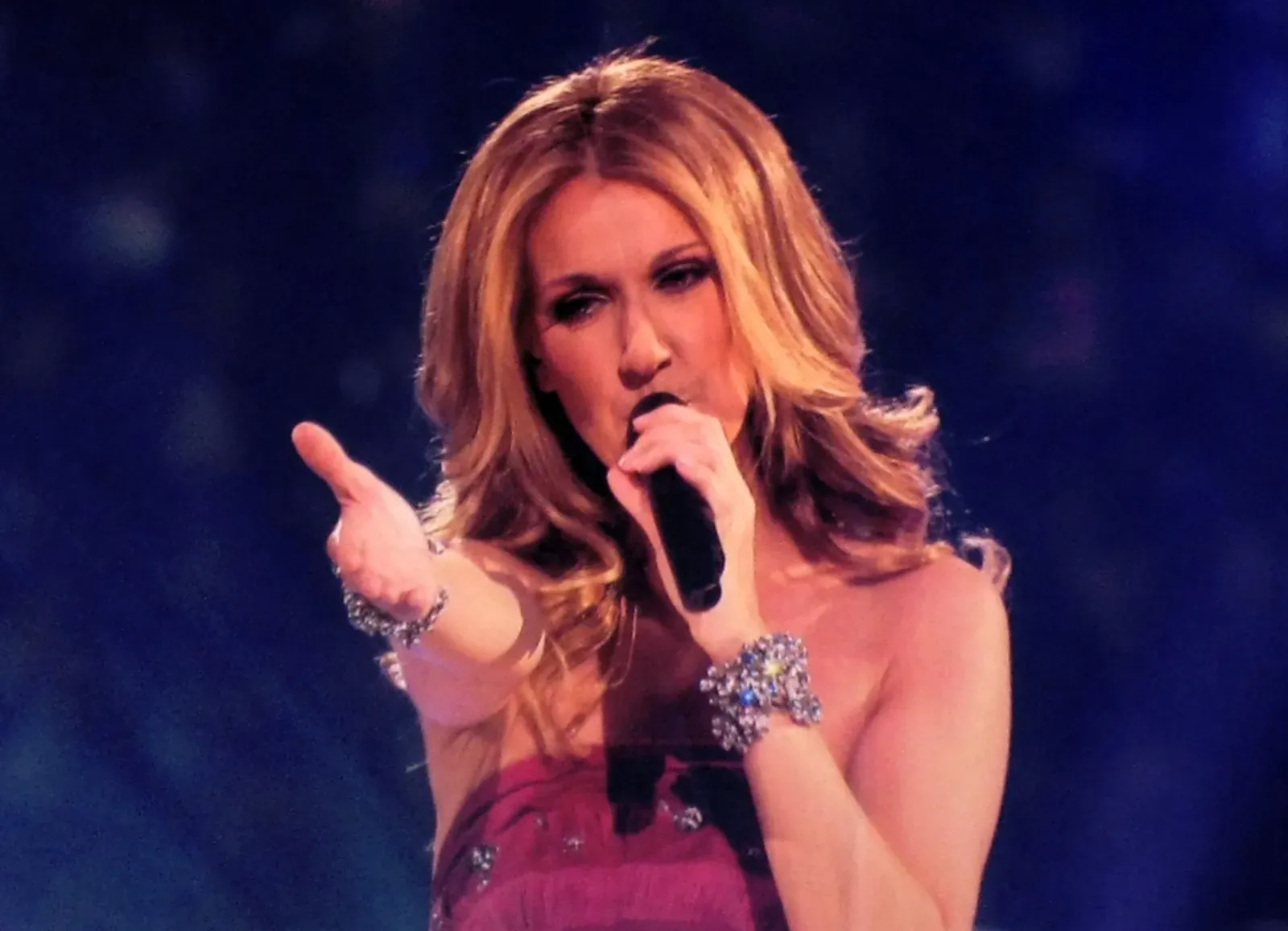
A video of Celine Dion performing My Heart Will Go On was broadcast at a Trump campaign rally in Bozeman, Montana, in August 2024, and her team responded swiftly. Her statement made clear that the use was not authorized.
The statement also said she does not endorse this or any similar use. The episode became one of the most widely covered examples from the 2024 campaign season, partly because the song is so closely tied to a film and a global audience rather than to politics.
Neil Young
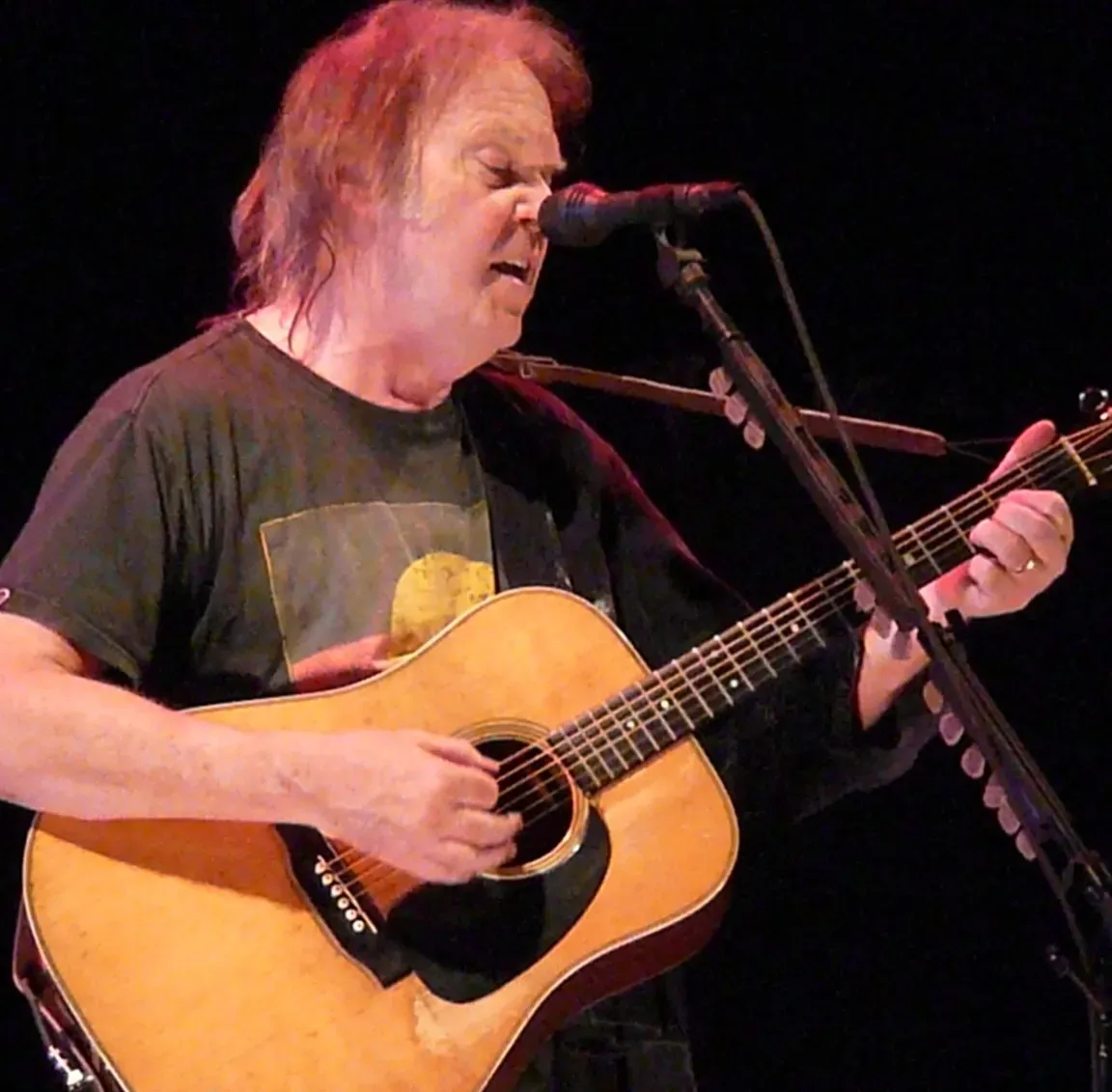
Young has a long record of objecting to Donald Trump’s use of Rockin’ in the Free World. He previously sued Trump’s re-election campaign in 2020. That makes his latest move a continuation rather than a new dispute.
His new complaint, filed in Virginia on October 26, 2026, alleges that the earlier case ended with a promise not to use the song again without a licence and his permission. The outcome of the new filing hasn’t been settled in the sources I found, so it’s worth watching how the court handles it.
Kesha
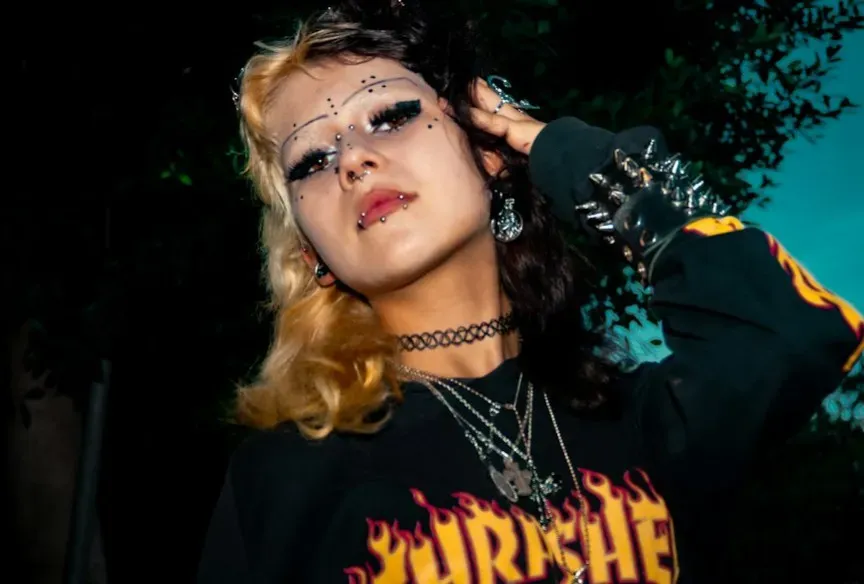
In February 2026, the official White House TikTok account posted a 31 second clip of fighter jets and a missile strike, captioned “Lethality,” set to Kesha’s 2010 hit Blow. The video drew more than 17 million views.
Kesha publicly objected weeks later, saying the White House had used her song on TikTok to incite violence and threaten war. Her complaint was less about party politics than about what the footage was selling, which is why the case stands apart from classic rally disputes.
Ariana Grande
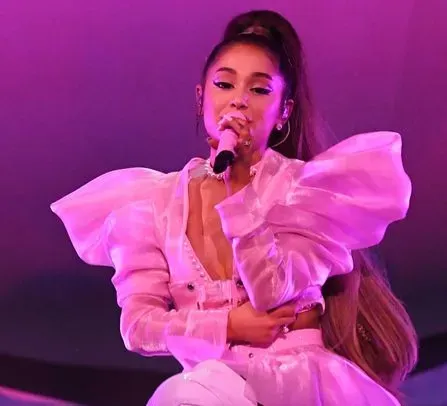
In June 2026, the White House used Grande’s 2024 song Bye in a video promoting ICE deportations. She flooded the comment section with her objection until it was impossible to ignore.
Three days after the White House used the song, the audio was removed. The dispute didn’t end there, because on August 20, 2026, the White House’s Team Trump account used her 2024 song We Can’t Be Friends (Wait for Your Love) in another video.
Leonard Cohen’s Estate
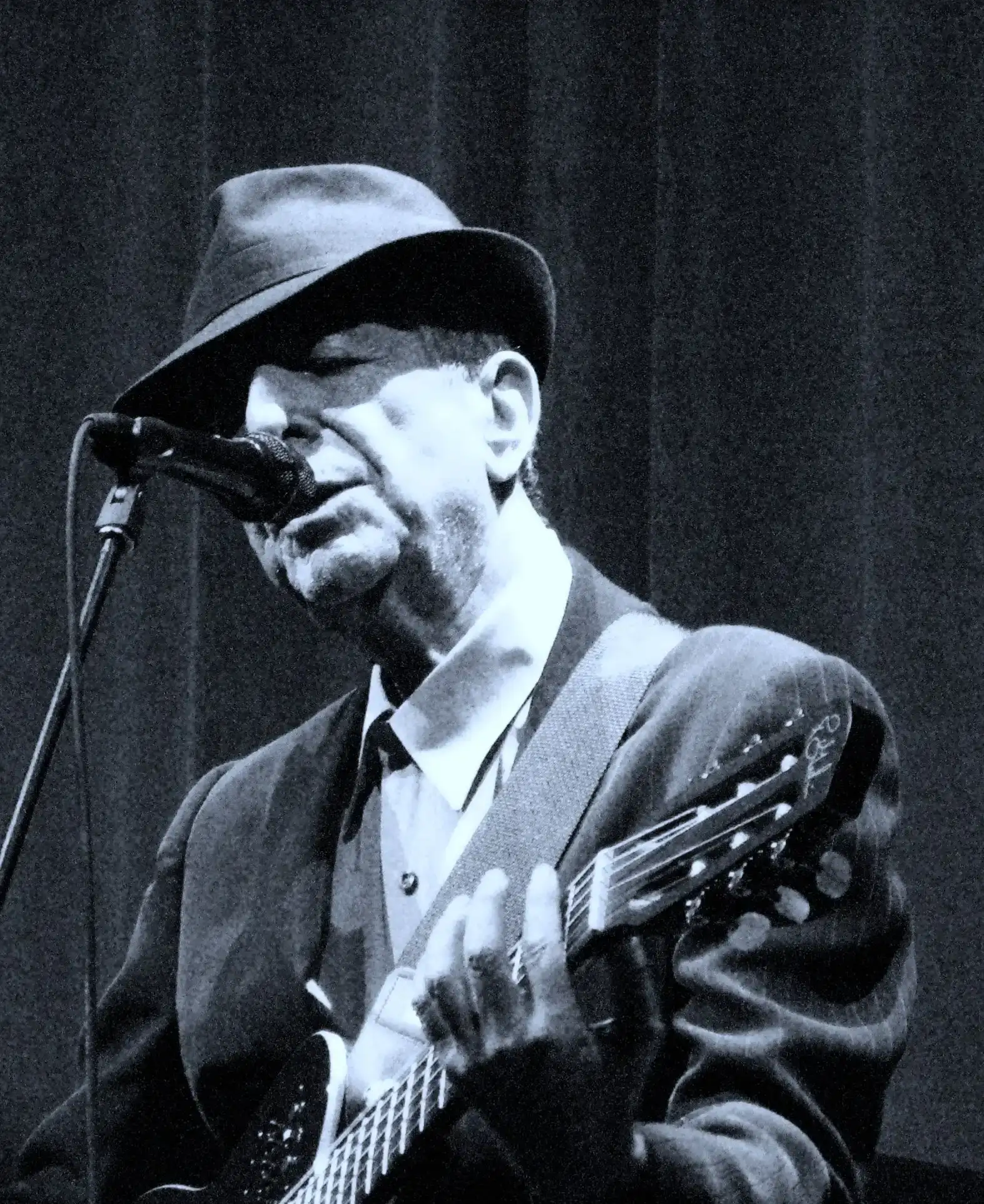
Not every objection comes from a living artist. On June 24, 2026, Cohen’s estate objected to the planned use of Hallelujah at Trump’s Freedom 250 rally on the National Mall.
The estate also issued the campaign a cease and desist. The case shows that rights holders can keep enforcing a late songwriter’s wishes long after he’s gone.
JMSN
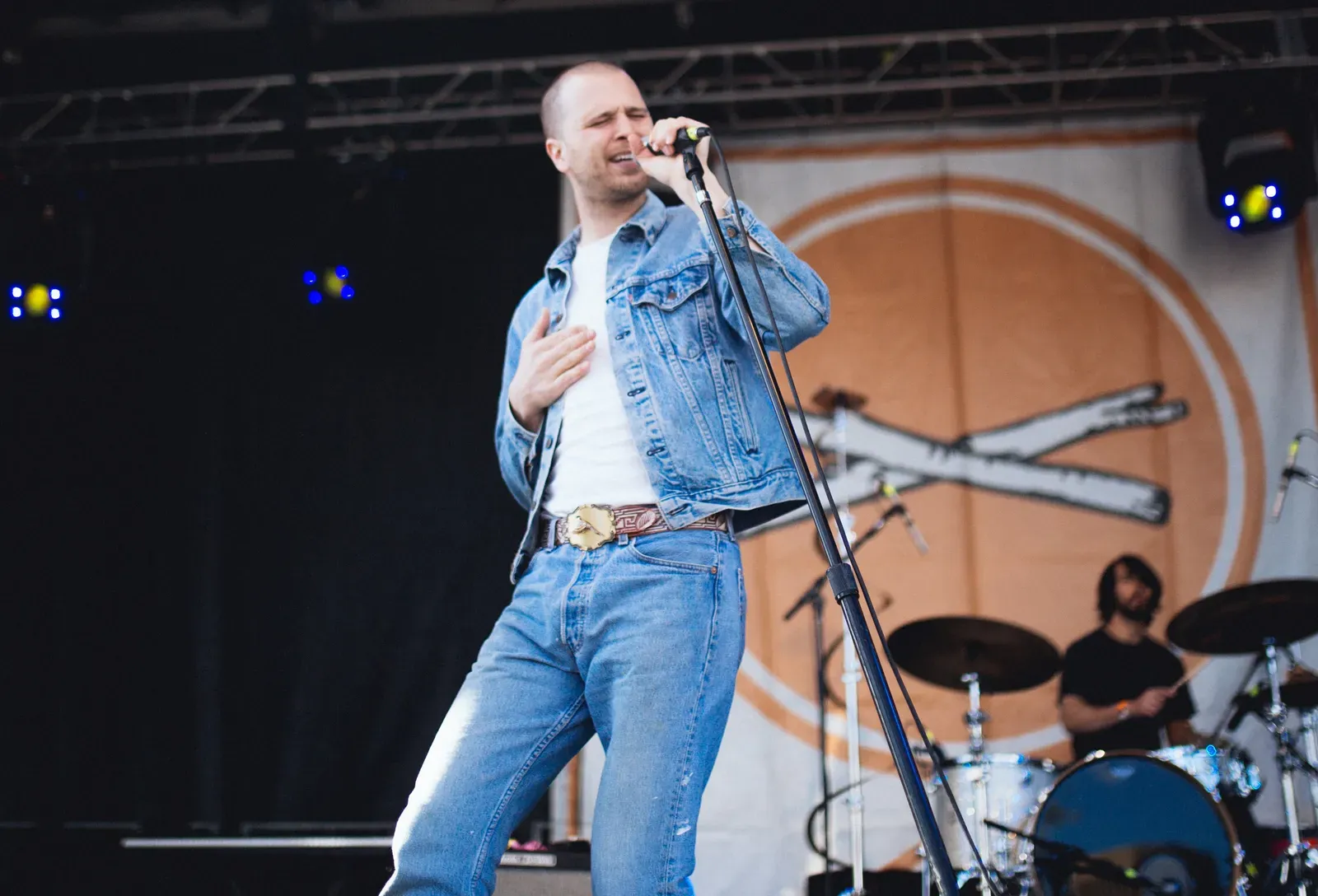
The singer JMSN, whose legal name is Christian Berishaj, was drawn in by a government advertising effort. In September 2026, the White House used public money to produce pro-Trump television ads it called public service announcements, and the first featured a Trump campaign speech set to his song Love Me.
His attorneys sent a cease and desist in late September 2026, after the White House used the song in an advert without his approval. His case is a reminder that the dispute is no longer limited to campaign rallies.
Boards of Canada
Boards of Canada and their label, Warp Records, issued a joint statement on May 29, 2026, condemning an X post the White House had made the previous day. The post set nationalist imagery to their song Deep Time, and it was used without permission from the duo or the label.
The statement said the label and the duo do not condone the unauthorised use of their music for political messaging. The response was notable for coming from an instrumental electronic act, a reminder that objections aren’t limited to pop stars or classic rock names.