Every writer has heard some version of the same reassurance: even the greats got turned down. It sounds like a comforting cliché until you actually look at the numbers behind some of the most beloved books ever printed. Dozens of rejection letters, years of waiting, and in a few cases, manuscripts pulled out of the trash by a spouse or a friend who refused to let them die. What follows are seven real cases, backed by publishing records and firsthand accounts, of novels that editors passed on again and again before they went on to sell millions of copies and reshape entire genres.
1. Zen and the Art of Motorcycle Maintenance by Robert Pirsig


Robert Pirsig’s blend of travelogue and philosophy holds a rather unusual distinction. It was originally rejected by 121 publishers, more than any other bestselling book, according to the Guinness Book of Records. Part of the problem was that nobody quite knew how to categorize it, since it wasn’t really a novel or a memoir or a philosophy text, but some strange mix of all three.
An editor named James Landis at William Morrow finally took a chance on it in 1974, though even he had modest expectations. He offered Pirsig a standard three-thousand-dollar advance, noting that it was probably the last payment the author would receive, because such books never made money. That prediction turned out to be spectacularly wrong. The book ended up selling 50,000 copies in the first three months and more than 5 million since.
2. Carrie by Stephen King

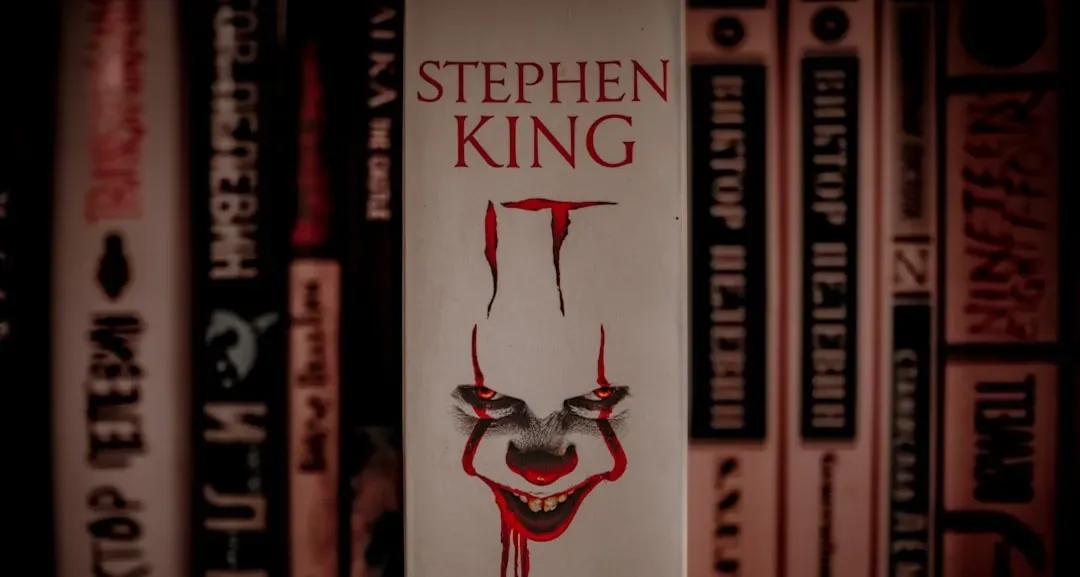
Before Stephen King became a household name, he was a schoolteacher trying to sell his first novel about a bullied teenage girl with telekinetic powers. Carrie, the story of a bullied teenage girl with terrifying telekinetic powers, was rejected by publishers a whopping 30 times before it finally found a home. At one especially low point, King gave up on the project entirely.
At one point, King was so discouraged that he pulled the manuscript from his typewriter and threw it in the trash. It was his wife Tabitha who fished the crumpled pages back out and pushed him to keep going. Doubleday eventually bought it, and Carrie only sold 13,000 copies as a hardback, but the paperback rights were soon sold to Signet Books, landing King $200,000, and the novel went on to sell over a million copies in its first year.
3. A Wrinkle in Time by Madeleine L’Engle

Madeleine L’Engle’s genre-bending story about a girl traveling through space and time to rescue her father baffled editors for years. It took 26 publisher rejections before Madeleine L’Engle could finally get ‘A Wrinkle in Time’ into print in 1962. The complaints from publishers were oddly specific, focusing less on quality and more on classification.
L’Engle later recalled that publisher after publisher turned down A Wrinkle in Time because it deals overtly with the problem of evil, and it was too difficult for children, and was it a children’s or an adults’ book, anyhow. John Farrar of Farrar, Straus and Giroux eventually took the risk. The book was an instant hit, winning the Newbery Medal the following year.
4. Lord of the Flies by William Golding


William Golding’s dark tale of schoolboys descending into savagery on a deserted island did not exactly wow the publishing world at first glance. William Golding copped a respectable twenty rejections for Lord Of The Flies. One rejection letter was particularly blunt about its prospects.
One editor called it “an absurd and uninteresting fantasy which was rubbish and dull.” Faber and Faber eventually disagreed and published it in 1954. The novel has since sold over fifteen million copies worldwide and become a fixture on school reading lists and lists of the greatest novels ever written.
5. Harry Potter and the Philosopher’s Stone by J.K. Rowling

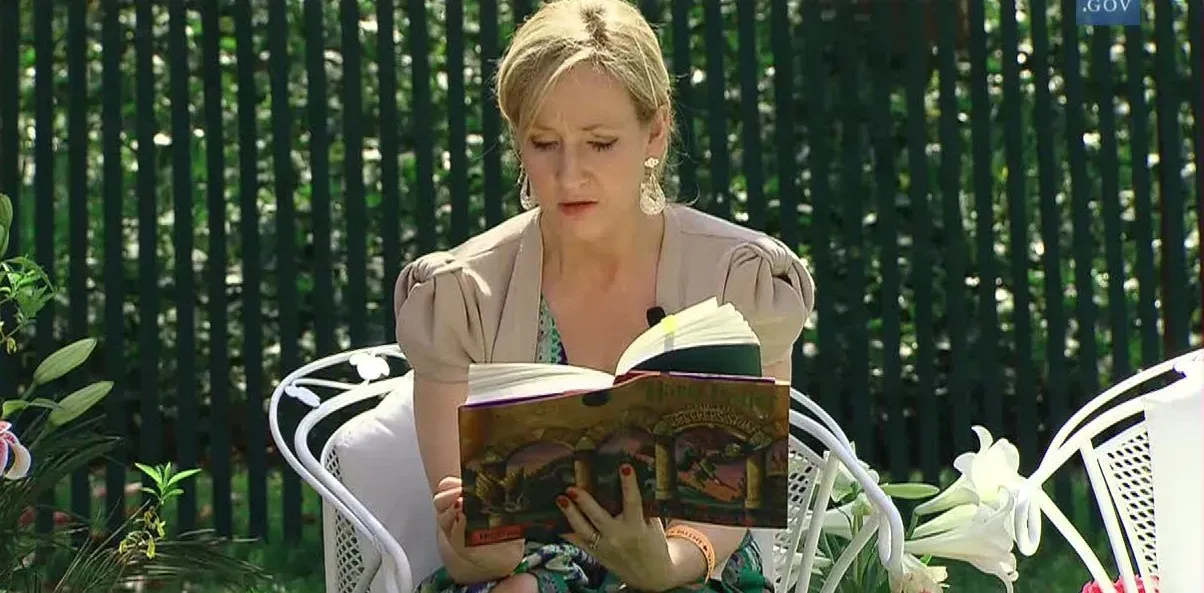
It is easy to forget, given the size of the franchise now, that Harry Potter almost didn’t happen at all. J.K. Rowling’s Harry Potter and the Sorcerer’s Stone was rejected 12 times before Bloomsbury finally agreed to publish it. Several major publishing houses turned the manuscript down, largely unconvinced that a children’s fantasy novel of that length would find an audience.
The eventual acceptance reportedly came about partly because the head of Bloomsbury’s eight year old daughter read the first chapter and demanded to see the rest. From that modest beginning, the series went on to become one of the best selling book franchises in history, spawning films, theme parks, and a global fan base that shows no sign of shrinking decades later.
6. Dune by Frank Herbert


Frank Herbert’s sprawling desert planet epic proved to be a tough sell for science fiction editors of the mid 1960s. Over twenty different publishing houses initially rejected Dune. Some accounts put the exact figure even higher, with one source noting that in all, 23 publishers turned the book down.
What finally broke the streak was an unlikely publisher. Dune was turned down by more than 20 publishers before a publisher known for its automobile manuals took on the book. Chilton’s gamble paid off enormously, and Dune is now widely considered the best selling science fiction novel of all time, later adapted into major film productions decades after its original publication.
7. Watership Down by Richard Adams


Richard Adams originally told the story of Watership Down aloud to his daughters during long car rides, and it was they who convinced him to write it down and try to publish it. Richard Adams’s two daughters encouraged him to publish Watership Down as a book, but 13 publishers didn’t agree. Editors found the premise strange for a novel aimed at general readers, a long, detailed epic told from the perspective of wild rabbits.
This book was continually rejected with publishers telling him that it was too long and that his characters didn’t resemble the cuddly creatures most people see as rabbits. Rex Collings, a small publishing house, finally took it on. Watership Down went on to become a beloved classic of British literature, later adapted into an animated film and a television series that introduced new generations to Adams’s rabbits.
Taken together, these seven stories point to something worth remembering about the publishing business. Rejection has never been a reliable measure of a book’s eventual worth, only a reflection of what editors happened to think would sell in a particular year. The manuscripts that got turned away the most often were, in several of these cases, the ones that broke the mold entirely, which may be exactly why nobody quite knew what to do with them at first.