There’s a particular kind of bravery required to revisit the movies that shaped your childhood. You remember them as perfect, untouchable, practically sacred. Then one rainy weekend you decide to test that memory against reality, and the results are rarely what you expect.
I sat through seven of these films again, decades removed from the couch cushions and juice boxes of my first viewings. Some held up beautifully. Others revealed things my ten-year-old brain never noticed, from questionable parenting choices to jokes that clearly weren’t meant for kids at all.
The Lion King (1994) still hits like a gut punch


Disney’s 1994 release grossed roughly 968 million dollars worldwide during its original run, a staggering number for an animated film at the time. Watching it as an adult, the Mufasa death scene lands differently. As a kid it was sad. As a parent-aged viewer, it’s devastating in a way that feels almost unfair for a family film to attempt.
What surprised me most was how tightly the story is constructed. There’s no filler, no wasted scene, just a clean hero’s journey built on Shakespearean bones borrowed loosely from Hamlet. James Earl Jones’ voice work as Mufasa carries weight I didn’t fully appreciate until I was old enough to understand loss myself.
Home Alone (1990) is funnier and darker than remembered


Chris Columbus directed this Christmas classic, which became the highest grossing live action comedy in the United States for years after its release. As a child, the booby traps against the Wet Bandits felt like pure slapstick joy. As an adult, some of those traps look genuinely capable of causing serious injury, which recontextualizes the entire third act.
The other thing that stands out now is how quietly sad the setup is. An eight year old is left behind by his own large family during a transatlantic trip, and nobody notices for most of a day. It’s played for laughs, but there’s a loneliness under the comedy that hits differently once you’ve experienced actual family chaos yourself.
The Land Before Time (1988) is heavier than any dinosaur movie has a right to be


Produced by Steven Spielberg and George Lucas under Amblimation and Universal, this film opens with a mother dinosaur dying to save her child, a sequence animators reportedly fought to include despite studio concerns about traumatizing young audiences. Watching it now, that scene remains as brutal as any death scene in a Pixar film, maybe more so given how early it arrives.
The rest of the movie is a survival story dressed up in pastel colors, following orphaned dinosaurs searching for a mythical valley. It’s slower paced than modern animated films, with long stretches of quiet wandering that would probably get cut from a script today. That patience, though, gives the eventual reunion scenes real emotional payoff.
Matilda (1996) reveals just how cruel Miss Trunchbull actually is

Danny DeVito directed and starred in this adaptation of Roald Dahl’s novel, and as a kid the character of Miss Trunchbull registered mostly as a cartoonish bully. Rewatching as an adult, her behavior reads as outright abuse, from physical punishment to psychological manipulation of children in her care. The film doesn’t shy away from this, which is remarkable given its marketing as a family movie.
Partner offer

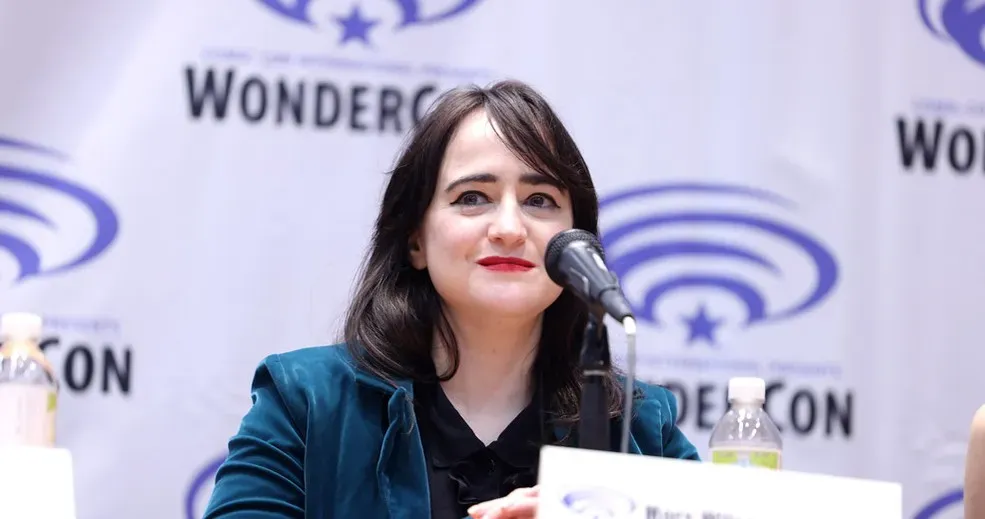
What holds up is Mara Wilson’s performance, which carries a stillness and intelligence that never feels like typical child acting. The neglect from Matilda’s own parents is played for comedy, yet it sits uncomfortably close to real dysfunction when you’re old enough to recognize the signs. Dahl’s stories were never as gentle as their marketing suggested, and this film honors that sharpness.
Space Jam (1996) is a fascinating time capsule of mid nineties marketing


This film paired Michael Jordan with the Looney Tunes at the height of both Jordan’s fame and Warner Bros’ animation revival efforts, and it grossed over 230 million dollars worldwide against a modest production budget. As an adult, the plot logic barely holds together, built around aliens who steal basketball talent from NBA players to power their theme park. It’s less a coherent story than a vehicle for merchandise and cameo appearances.
Yet there’s a strange charm in how unapologetically of its era the movie is, right down to the soundtrack and the Nike product placement. Kids in the nineties didn’t need the plot to make sense, and honestly, watching it now, that hasn’t changed much. It’s a nostalgia object first and a movie second, and it knows it.
The Neverending Story (1984) is stranger and sadder than the trailers ever suggested


Based on Michael Ende’s novel, this West German production became an unexpected international hit, and its practical effects still hold a certain eerie charm decades later. The Nothing, the film’s central threat, is an abstract void consuming the fantasy world of Fantasia, and as a kid that concept was terrifying without being fully understood. As an adult, it reads as a fairly direct metaphor for depression, apathy, and the loss of imagination, themes rarely handled this openly in children’s media.
Falkor the luckdragon remains genuinely charming, a rare practical effect that aged better than most computer generated creatures from the same decade. The ending, involving a boy essentially wishing an entire fantasy world back into existence through pure belief, feels less whimsical now and more like a meditation on grief and escapism. It’s a strange, melancholy film dressed up as a children’s adventure.
Hook (1991) plays very differently once you understand what it’s really about

Steven Spielberg directed this continuation of the Peter Pan story, starring Robin Williams as a grown up Peter Banning who has forgotten his childhood identity entirely. As a kid, the pirate battles and Neverland visuals were the appeal. As an adult, particularly one juggling work and family, the film’s central anxiety about losing yourself to adulthood and career obligations feels uncomfortably relevant.
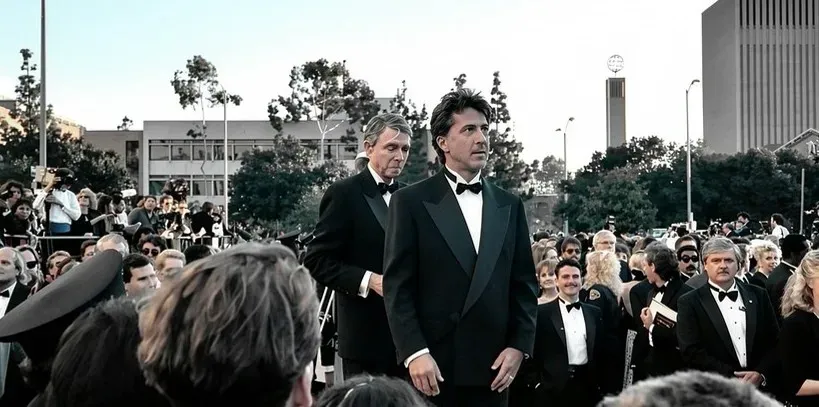
Robin Williams brings a specific kind of desperation to the role that reads as more layered now than it did originally, especially knowing what audiences later learned about his own struggles. Dustin Hoffman’s Captain Hook is broader and campier than remembered, closer to pantomime than menace. Still, the film’s emotional core, about a father learning to actually see his children, lands with more force once you’re the one juggling a phone during a school play.
What rewatching these films actually reveals

Taken together, these seven films share a pattern that becomes obvious only with distance. Filmmakers working in family entertainment during the eighties and nineties were far less cautious about trauma, grief, and darkness than most studios are today. Death, abandonment, and cruelty weren’t softened for young audiences the way they often are now.
None of this makes the films worse. If anything, it explains why they lodged themselves so deeply into memory in the first place. Children absorbed real emotional weight disguised as entertainment, and adults rewatching them are simply catching up to what was there all along.
Partner offer
Planning a trip to Vegas?
Compare hotel rates and show tickets on VEGAS.com.