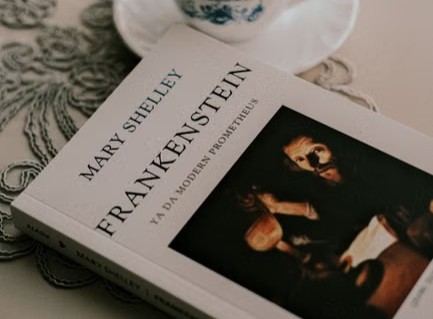
Every writer with a drawer full of rejection slips has probably wondered whether the manuscript is actually any good. History offers a strange kind of comfort here, because some of the most beloved novels ever printed spent years being turned away by the very industry that eventually made them famous. The gap between what publishers predicted and what readers actually wanted turned out, in these cases, to be enormous.
1. Carrie by Stephen King
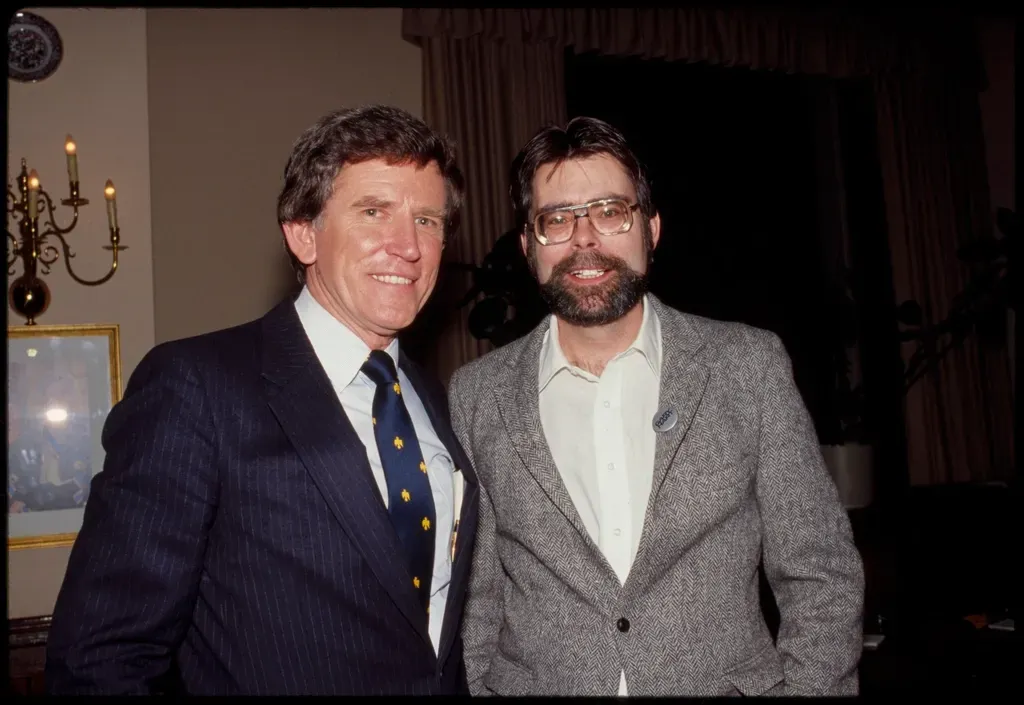
Before Stephen King became a household name, he was a schoolteacher living in a trailer, and his manuscript for Carrie had already been thrown in the trash once by King himself. Though King initially gave up on Carrie due to discomfort and apathy, and felt it would never be successful, his wife Tabitha persuaded him to continue writing, and rescued the first three pages of the story from the trash. Even after he finished it, the rejections kept coming.
Carrie had been rejected 30 times before Doubleday took a chance on King’s first novel. One rejection letter reportedly noted that “We are not interested in science fiction which deals with negative utopias. They do not sell.” Doubleday proved that assessment wrong almost immediately, and the novel has since become one of the defining horror debuts of the twentieth century.
2. Dune by Frank Herbert

Frank Herbert spent six years researching and writing what would become one of science fiction’s most influential works, only to watch publisher after publisher pass on it. It took him six years of research and writing to complete Dune, and after all that struggle and sacrifice, 23 publishers rejected it in book form before it was finally accepted. The novel had already appeared in serialized form in Analog magazine, but nobody in traditional publishing wanted to gamble on the full book.
The company that eventually said yes was an unlikely one. Dune has been translated into more than 20 languages and sold some 20 million copies, more than any other science-fiction book in history; ironically, Dune had been rejected by 20 publishers before it was published. It was finally picked up by Chilton Books, a firm better known for auto repair manuals than epic fiction, and it went on to win both the Hugo and Nebula awards.
3. Zen and the Art of Motorcycle Maintenance by Robert Pirsig

If there’s a record holder in this category, it’s Robert Pirsig. Pirsig received 121 rejections before an editor finally accepted the book for publication, and he did so thinking it would never generate a profit. The book blends a father son motorcycle trip with philosophical inquiry, a combination that apparently struck more than a hundred editors as unmarketable.
The editor who finally bought it wasn’t exactly optimistic either. His editor James Landis wrote before the book’s publication, “The book is brilliant beyond belief. It is probably a work of genius and will, I’ll wager, attain classic status.” He turned out to be right on both counts. It ended up selling 50,000 copies in the first three months and more than 5 million since.
4. A Wrinkle in Time by Madeleine L’Engle

Madeleine L’Engle’s blend of science fiction and coming of age fantasy confused publishers who couldn’t decide which shelf it belonged on. A Wrinkle in Time by Madeleine L’Engle was rejected 26 times. The story’s mix of physics, theology, and a young girl’s search for her father simply didn’t fit the categories editors were used to.
When a publisher finally took the risk, the payoff was significant. It went on to win the 1963 Newbery Medal. Decades later, the book remains a staple of school reading lists and has never gone out of print, a rare feat for any novel that struggled this hard to find a home in the first place.
5. Gone with the Wind by Margaret Mitchell

Margaret Mitchell’s sprawling Civil War epic faced repeated skepticism from publishers who doubted readers would sit through such a long, unconventional novel from a first time author. Gone with the Wind by Margaret Mitchell was rejected 38 times. The manuscript’s length and its unfashionable historical setting worked against it at nearly every house that considered it.
Macmillan eventually gambled on the book, and it became one of the best selling novels in American history, later adapted into the famous 1939 film. The rejections Mitchell endured stand as one of the more dramatic examples of publishers misjudging what audiences actually wanted to read. Her persistence, and the eventual success of the novel, has since become a frequently cited case study in the unpredictability of literary taste.
6. Frankenstein by Mary Shelley
Mary Shelley’s Frankenstein faced a different kind of struggle. It wasn’t just rejection but also a reluctant, half hearted acceptance once a publisher finally agreed to print it. Fortunately in March 1818 a small publishers, Lackington, Hughes, Harding, Mayor, & Jones, agreed to publish Shelley’s debut, although part of the terms of publication were that Shelley’s name would not grace the cover. The novel was released anonymously, and its initial reception gave no hint of what it would become.
Partner offer
The early sales numbers were modest at best. Its first print run was limited to just 500 copies of which booksellers only bought twenty-five. It wasn’t until thirteen years later, in 1831, that Shelley began to enjoy commercial success. Today the novel is considered one of the founding texts of science fiction, and its central creature remains one of literature’s most enduring figures.
7. The Lost Get-Back Boogie by James Lee Burke

James Lee Burke’s novel about a paroled musician trying to rebuild his life holds one of the more staggering rejection records in modern publishing. The Lost Get-Back Boogie was Burke’s fifth novel, rejected 111 times over nine years. Nearly a decade of near misses and form letters would discourage most writers into abandoning a project entirely.
Burke kept sending it out anyway, and the persistence eventually paid off in a way few could have predicted. It was finally published in 1986, and that year, according to the author, it was nominated for the Pulitzer prize. The novel’s long road to print has since become one of the most cited examples of publishing’s difficulty in recognizing literary merit on the first pass. What ties these seven stories together isn’t luck so much as timing and the sheer subjectivity of editorial judgment. A manuscript that a dozen editors call unmarketable can turn out to be exactly what readers were waiting for, they just needed someone willing to take the first chance on it. For any writer currently staring at a stack of rejection emails, these examples don’t guarantee anything, but they do complicate the idea that rejection is a reliable verdict on a book’s worth.
Partner offer
Planning a trip to Vegas?
Compare hotel rates and show tickets on VEGAS.com.