A film’s first round of reviews can feel like a final verdict. Over the years, though, plenty of movies have shown that critics and audiences don’t always land in the same place.
The ten films below all met a divided or lukewarm reception when they arrived. Each one later found devoted viewers through home video, midnight screenings, television reruns, or plain word of mouth.
Fight Club (1999)
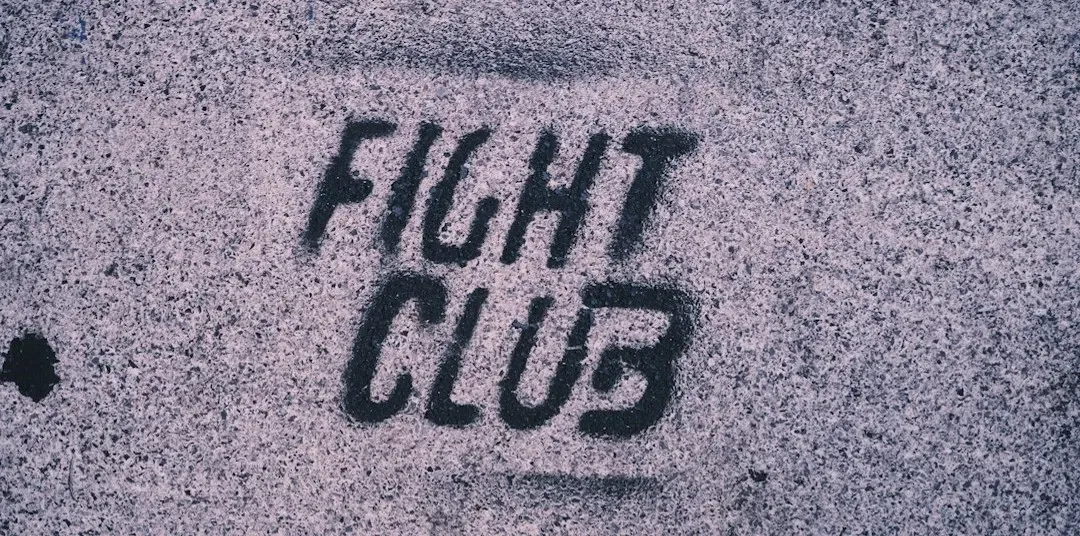
David Fincher’s adaptation of Chuck Palahniuk’s novel split critics when it reached theaters in 1999. Some praised its style and nerve, while others found it ugly or confused about its own message. It also underperformed at the box office compared with its production cost.
Home video changed its fortunes. The DVD became a steady seller, and the film turned into a dorm room staple and a frequent subject of online debate. Its fan base grew through repeat viewing, with people arguing over its satire and its twist for decades.
Blade Runner (1982)

Ridley Scott’s futuristic noir arrived in 1982 to a mixed response and modest ticket sales. Reviewers admired the visuals but often found the pacing slow and the story cold. The theatrical version also carried a voiceover and a studio imposed ending that Scott never preferred.
Cable, video rentals, and revival screenings slowly rebuilt its standing. Scott’s director’s cut appeared in 1992, and The Final Cut followed in 2007. A sequel, Blade Runner 2049, reached theaters in 2017, which says plenty about how far the original’s reputation traveled.
The Big Lebowski (1998)

The Coen brothers’ shaggy comedy was not a hit on release. Critics were divided, and ticket sales were modest. Many viewers expected something closer to the tighter plotting of their earlier work.
Then the quotable lines and the character of the Dude spread through rentals and dorm rooms. A fan event called Lebowski Fest began in Louisville, Kentucky, in 2002 and later toured to other cities. Costumes, bowling nights, and White Russian cocktails became part of the film’s identity.
Donnie Darko (2001)
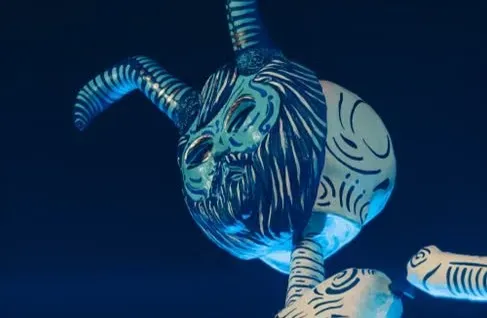
Richard Kelly’s debut played to a small audience in 2001, partly because it arrived in a difficult time for releasing a film with a plane crash in its story. Reviews were mixed, with some critics intrigued and others baffled by its time travel puzzle. Its theatrical run was limited.
Cult status came from DVD, midnight shows, and endless online theories. A director’s cut released in 2004 gave fans more material to argue over. Jake Gyllenhaal’s performance and the film’s moody soundtrack helped keep it circulating among younger viewers.
Showgirls (1995)
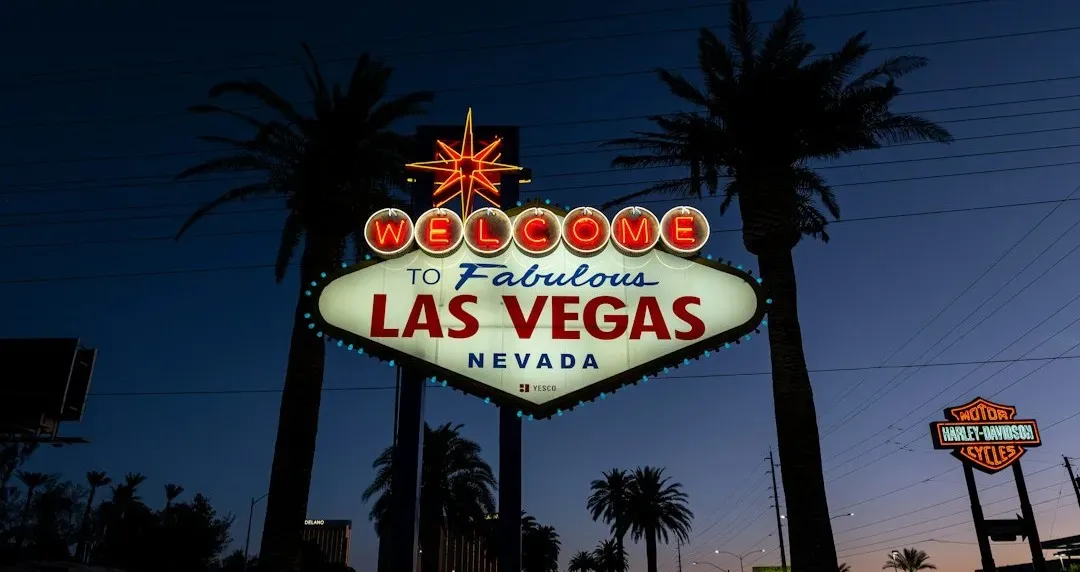
Paul Verhoeven’s Las Vegas drama was savaged by critics in 1995 and swept the Razzie Awards. It failed commercially and was widely treated as a punchline. Few expected it to have much of an afterlife.
Partner offer
Yet home video and late night screenings gave it a second reputation as an intentionally or accidentally campy spectacle. Some critics have since argued that it works as satire of show business excess. A documentary about its reappraisal, You Don’t Nomi, arrived in 2019.
The Rocky Horror Picture Show (1975)

The film version of Richard O’Brien’s stage musical, starring Tim Curry and Susan Sarandon, did poorly in its first release in 1975. Reviewers were unsure what to make of its mix of horror parody, glam rock, and theatrical camp. Early box office was weak.
Its life began again with midnight screenings, which took hold in 1976 at the Waverly Theater in New York. Audiences started dressing as characters, shouting lines, and using props during the film. It has since become one of the longest running theatrical releases in film history.
Hocus Pocus (1993)
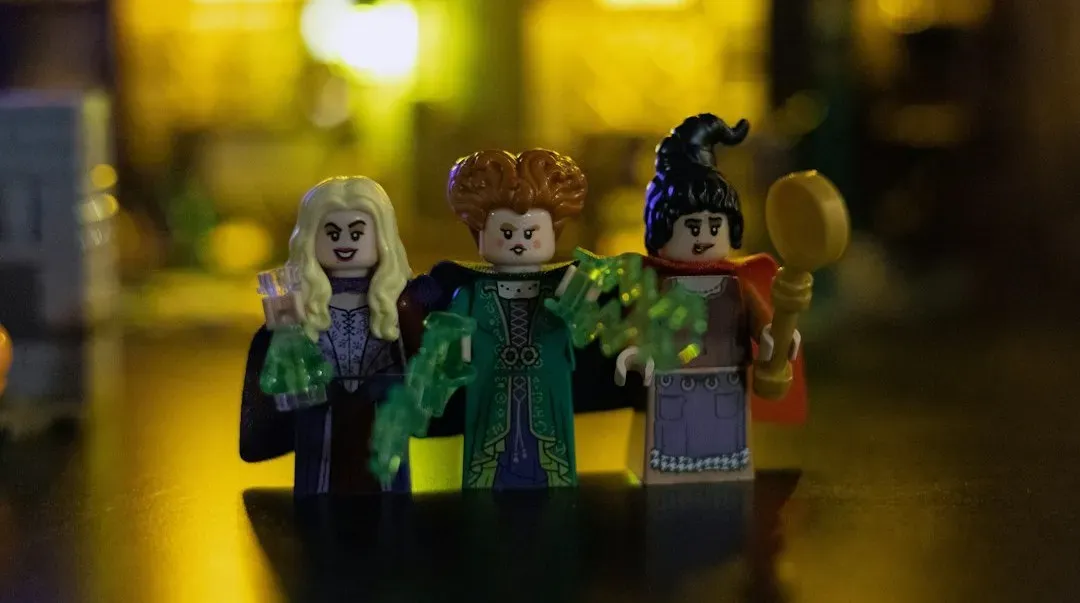
Disney’s Halloween comedy, directed by Kenny Ortega, opened in the summer of 1993 and met unenthusiastic reviews. It starred Bette Midler, Sarah Jessica Parker, and Kathy Najimy as the Sanderson sisters. Its box office run was underwhelming for a major studio release.
Television did the real work. Annual October broadcasts, including long stretches on Freeform, introduced it to a new generation of children and nostalgic adults. A sequel, Hocus Pocus 2, premiered on Disney+ in 2022, nearly three decades after the original.
Speed Racer (2008)

The Wachowskis adapted the 1960s Japanese animated series into a candy colored live action film. Critics were split, with many calling the visuals exhausting and others admiring the audacity. It fell far short of its production budget at the box office.
Since then, fans and some critics have praised its bold digital design and sincere tone. Appreciation pieces and anniversary screenings have helped recast it as an ambitious experiment rather than a simple failure. Its look still feels unlike almost anything from big studios.
Twilight (2008)

Catherine Hardwicke’s adaptation of Stephenie Meyer’s novel received mixed reviews, with critics often pointing to its melodrama and its brooding tone. Audiences, particularly young women, responded very differently. The film grossed nearly four hundred million dollars worldwide.
That success launched a franchise of five films, plus a devoted fan culture of conventions, fan fiction, and midnight premieres. In recent years the series has enjoyed a wave of renewed affection online, with younger viewers rewatching it and reappraising it. Few mixed reviewed films have turned that reception into so large a following.
Jennifer’s Body (2009)

Karyn Kusama’s horror comedy, written by Diablo Cody and starring Megan Fox and Amanda Seyfried, received mixed reviews in 2009. Its marketing leaned on Fox’s image and seemed aimed at a different audience than the film’s darker humor. Ticket sales were disappointing.
Over time, viewers started to notice its themes of female friendship, trauma, and genre subversion. Streaming and social media brought it new fans, and revival screenings have drawn enthusiastic crowds. It is now commonly discussed as a film that arrived before its audience was ready.
Partner offer
Planning a trip to Vegas?
Compare hotel rates and show tickets on VEGAS.com.