Language drifts quietly. A phrase that once needed no explanation can end up sounding like a riddle to someone born thirty years later.
Baby Boomers, born between 1946 and 1964, grew up with rotary phones, drive-in theaters and party lines. Many of their everyday expressions come from that world. Here are seven that often get blank looks today.
1. Hold your horses

This one means slow down or wait a moment. It dates back to the era when horses were the main way to get around, and a driver who wanted the team to stop had to rein them in. Plenty of Boomers still say it without a thought.
Younger people usually grasp the meaning from context. Few use it themselves, though, and many would pick something like “hang on” or “wait a sec” instead.
2. Dial the phone

Boomers grew up with rotary phones, where you literally turned a dial to place a call. The verb stuck around long after the hardware disappeared. Many still say they’ll dial a number even when they’re tapping a touchscreen.
For anyone raised on smartphones, a rotary dial is a museum piece. The word survives, but its physical origin is a mystery to a lot of younger people.
3. Don’t touch that dial
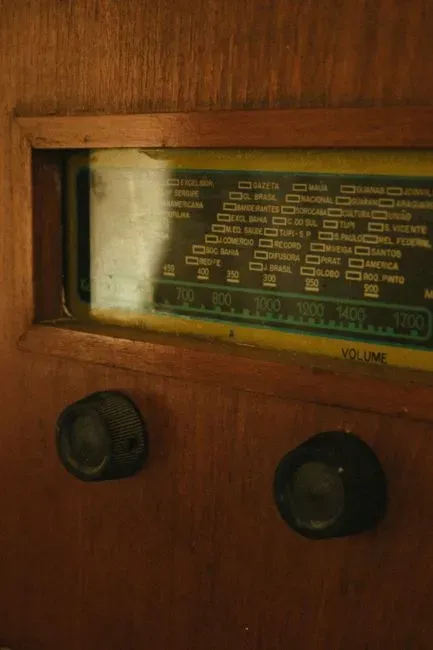
This phrase comes from the radio and early television era. Broadcasters used it to ask listeners and viewers to stay tuned through a commercial break. Boomers heard it constantly as children.
Today, with streaming and on-demand playlists, there’s very little dial left to touch. Younger generations often hear it as a quirky joke without knowing the broadcast habit behind it.
Partner offer
4. Cut the apron strings
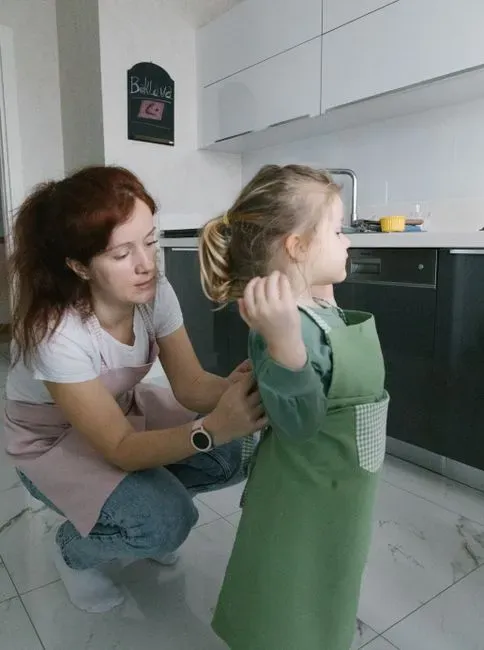
It describes a person, often a grown child, becoming independent from a parent. The image comes from a time when mothers commonly wore aprons at home and a child could be pictured tied to them. Boomers tend to use it when talking about kids leaving home.
Aprons aren’t an everyday garment for most households now. As a result, the picture behind the saying has faded, even if the idea itself is easy to understand.
5. Carbon copy
Boomers use this to mean something that’s an exact duplicate. It started with carbon paper, which was placed between sheets so that typing or writing on the top page marked the ones below. The email abbreviation “CC” still comes from this same term.
Many younger workers use “CC” daily without knowing what the carbon was. That makes it a rare case where a phrase lives on in a different form.
6. Sock hop

A sock hop was a casual dance, popular in the 1950s, often held in school gymnasiums. Dancers took off their shoes to protect the polished floor. Boomers who were teenagers in the late 1950s and early 1960s may recall them firsthand.
Younger people tend to know the term mainly from retro movies or themed parties. Without that context, it can sound like a made up word.
7. Keeping up with the Joneses

This phrase refers to competing with neighbors by matching their possessions or status. It comes from a comic strip that began in 1913, and it became a standard way to describe postwar suburban pressure. Boomers grew up hearing it from their parents.
Today the same impulse is often described through social media and comparison culture. Few younger people say the original phrase, and some wonder who the Joneses were supposed to be.
Partner offer
Planning a trip to Vegas?
Compare hotel rates and show tickets on VEGAS.com.