There’s a strange kind of magic tied to the shows and movies that didn’t quite land when they first came out, yet somehow became the backbone of an entire generation’s childhood. The ’90s produced plenty of box office hits and ratings juggernauts, but the real treasures were often the ones that flopped, got canceled too soon, or barely made a blip before finding their true audience on VHS, cable reruns, and Saturday night lineups.
If any of these nine titles instantly transport you back to a bedroom floor, a bowl of cereal, and a TV that only got a handful of channels, congratulations. Your taste was ahead of its time, even if nobody realized it back then.
1. Hocus Pocus (1993)

It’s almost impossible to believe now, but Hocus Pocus was a genuine box office disappointment when it hit theaters. Upon its original release, it received mixed reviews from critics and was initially a box-office bomb, possibly losing Disney around 16.5 million dollars during its theatrical run. Part of the problem was timing. Disney decided to release the Halloween-set horror-comedy movie in July 1993, which isn’t the time when kids, teens, and families are more apt to run to the theater for a spooky family-friendly story.
The redemption arc came through television, not theaters. Largely through many annual airings on Disney Channel and Freeform all throughout the month of October, Hocus Pocus has been rediscovered by audiences, resulting in a yearly spike in home media sales of the film every Halloween season. By the time the movie’s 25th anniversary rolled around, the first week of Hocus Pocus viewings on Freeform averaged 8.2 million viewers. The Sanderson sisters proved that a slow burn can beat a big opening weekend every single time.
2. The Sandlot (1993)

Every ’90s kid who ever picked up a mitt has a Sandlot quote loaded and ready to fire. The film grossed 34.3 million dollars at the box office worldwide, which was a respectable but hardly explosive number for a coming-of-age baseball comedy. It wasn’t until the movie hit home video that its cultural footprint truly took shape. Figures for worldwide VHS and DVD sales are estimated to be at 76,000,000 dollars, and since its release on both formats, the film has become a cult favorite.
What made the movie stick wasn’t spectacle, it was familiarity. The Sandlot was so popular among children of the 90s that watching it was almost like a rite of passage, and lines like the famous insult about playing ball became part of everyday playground vocabulary. Even decades later, the film keeps resurfacing on streaming charts, proving that a summer full of baseball, a giant dog, and a sunscreen-slathered lifeguard never really goes out of style.
3. The Iron Giant (1999)

Few animated films have had a rougher theatrical debut than The Iron Giant. Released in August 1999, it received a poor response from the public and was deemed a major box office flop during its debut, only grossing around 31.3 million dollars worldwide against a production budget of roughly 50 million dollars. A big chunk of the blame falls on the studio itself. The lack of marketing and studio support from Warner Bros. were key factors in The Iron Giant’s initial failure at the box office, as the studio had lost confidence in animation at the time of the film’s release.
Kids who did catch it, often through cable reruns rather than a theater seat, never forgot the giant robot and the boy who befriended him. The frequent airing of The Iron Giant on TV networks such as Cartoon Network helped it reach a wider audience and grow in popularity over time, and it has now earned status as a cult classic, even joining the Best Movies of All Time ranking by Rotten Tomatoes. It’s the rare film where the underdog story behind the scenes matches the one on screen.
4. Empire Records (1995)

If Hocus Pocus and The Sandlot were modest disappointments, Empire Records was a genuine commercial disaster. The movie was a commercial and critical flop, only earning 273,000 dollars at the box office and holding a 31 percent score on Rotten Tomatoes. It barely got a real release at all. Despite its Warner Brothers distribution, the movie came out on September 22, 1995, in only 87 theaters, and a few weeks later it was gone.
Yet somewhere between endless rental returns and late-night cable airings, the record store misfits found their people. Empire Records inspired the fan tradition Rex Manning Day, celebrated annually on April 8, and the film gained cult status years after flopping at the box office. If you know why that date matters, you were clearly paying attention.
5. Are You Afraid of the Dark? (1992)

Before streaming horror anthologies were a genre unto themselves, there was a group of teens sitting around a campfire trading ghost stories. Created by D. J. MacHale and Ned Kandel, Are You Afraid of the Dark? officially debuted on Nickelodeon in 1992, though its pilot episode first aired as a Halloween special the year before. The premise was simple but endlessly effective. Each episode featured one member of the Midnight Society telling a story, and these were always horror stories, some leaning more toward the supernatural, others more sci-fi or psychological.
Partner offer
What set it apart from lighter kids’ programming was that it genuinely tried to scare its audience. Are You Afraid of the Dark was the first approach to horror for many 1990s kids, and it was as relatable and easy to follow as it was genuinely scary, cementing it as a standout children’s horror show. The show has been revived more than once since, but nothing quite matches the original run for pure nostalgic dread.
6. The Adventures of Pete & Pete

Nickelodeon’s suburban surrealist comedy about two unrelated brothers sharing the same name never chased huge ratings, and that was sort of the point. The series leaned into deadpan humor, a soundtrack packed with alternative and indie acts, and a version of childhood that felt slightly off-kilter in the best way. It never became a mainstream juggernaut the way some of its network siblings did, but it built a devoted following that has only grown louder with nostalgia over the years.
Part of what makes Pete & Pete endure in conversation decades later is how unusual it was for kids’ television at the time. The show treated childhood boredom, small-town weirdness, and sibling loyalty with a kind of earnestness that didn’t talk down to its audience. If you remember Artie the Strongest Man in the World or the tattoo shaped like a naval scar, you were part of a smaller, more discerning club of ’90s viewers.
7. Rocko’s Modern Life
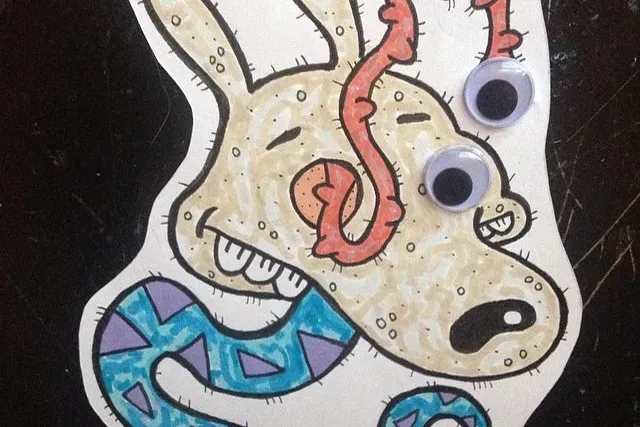
Rocko’s Modern Life arrived on Nickelodeon as part of the same early ’90s animation push that gave the network its identity, alongside shows built around adult sensibilities hidden inside kid-friendly packaging. The story of an anxious Australian wallaby navigating adult life in a strange American suburb was funnier and stranger than most cartoons aimed at children, packed with jokes that clearly sailed over younger viewers’ heads at the time.
Rewatching it as an adult tends to reveal an entirely different show than the one remembered from childhood, full of workplace satire and gentle social commentary. That layered quality is exactly why it has held up so well and why creators involved with the series went on to shape other beloved animated projects. It never dominated ratings charts, but its fingerprints are all over the animated comedy that followed.
8. Freaks and Geeks

Few shows demonstrate the gap between critical love and audience numbers quite like Freaks and Geeks. The series aired for a single season on NBC before being canceled, struggling against scheduling shuffles and a network that never quite figured out how to market it. Despite the short run, it launched or boosted the careers of a remarkable number of actors who would go on to define comedy for the next two decades.
What kept the show alive long after cancellation was word of mouth and eventual DVD releases that let new viewers discover its honest, awkward, deeply specific portrait of high school life in the early ’80s, filtered through a distinctly ’90s sensibility of storytelling. It’s become one of the most cited “canceled too soon” shows in television history, the kind of series people discover years later and immediately wonder how it ever got away with being real instead of glossy.
9. The Secret World of Alex Mack

Nickelodeon’s live-action series about a teenage girl who gains strange powers after being doused in an experimental chemical was a quieter entry in the network’s lineup, never quite reaching the mainstream heights of some of its Saturday night companions. It ran for several seasons in the mid-90s, building a loyal following of kids who tuned in specifically to watch Alex navigate ordinary teenage problems alongside her secret liquid-form abilities.
The show worked because it grounded its science fiction premise in relatable adolescent anxiety rather than spectacle for its own sake. It never spawned the merchandise empire of some contemporaries, which is likely why it faded from mainstream memory faster than shows like Rugrats or Doug. For the kids who did watch religiously, though, it remains one of the defining “did anyone else watch this” touchstones of the decade.
Why These Flops Became Forever Favorites

There’s a pattern running through nearly every title on this list. Almost none of them were hits in the traditional sense when they first appeared, whether that meant a disappointing opening weekend, a single canceled season, or ratings that never cracked the mainstream. Yet each one found its real audience later, through reruns, VHS copies passed between friends, or the kind of word-of-mouth loyalty that no marketing budget can manufacture.
That’s really what separates a cult classic from a simple hit. Popularity at the time is nice, but staying power built entirely on genuine affection is rarer and, honestly, more meaningful. If these nine titles still live rent-free in your memory decades later, it’s proof that the best parts of your childhood weren’t always the loudest ones, just the ones that quietly stuck around.
Partner offer
Planning a trip to Vegas?
Compare hotel rates and show tickets on VEGAS.com.