Most science fiction bends physics when the story needs it. Sound in space, instant travel and cheerful aliens who speak English are the usual offenders. A small group of films has taken a different route, bringing in working scientists early and letting the real constraints shape the plot.
That doesn’t make any of them perfect, and the scientists who praise them tend to point out the exceptions. Still, these seven are regularly cited by researchers, teachers and space agencies as unusually careful. Here’s what each one got right, and why it matters.
2001: A Space Odyssey

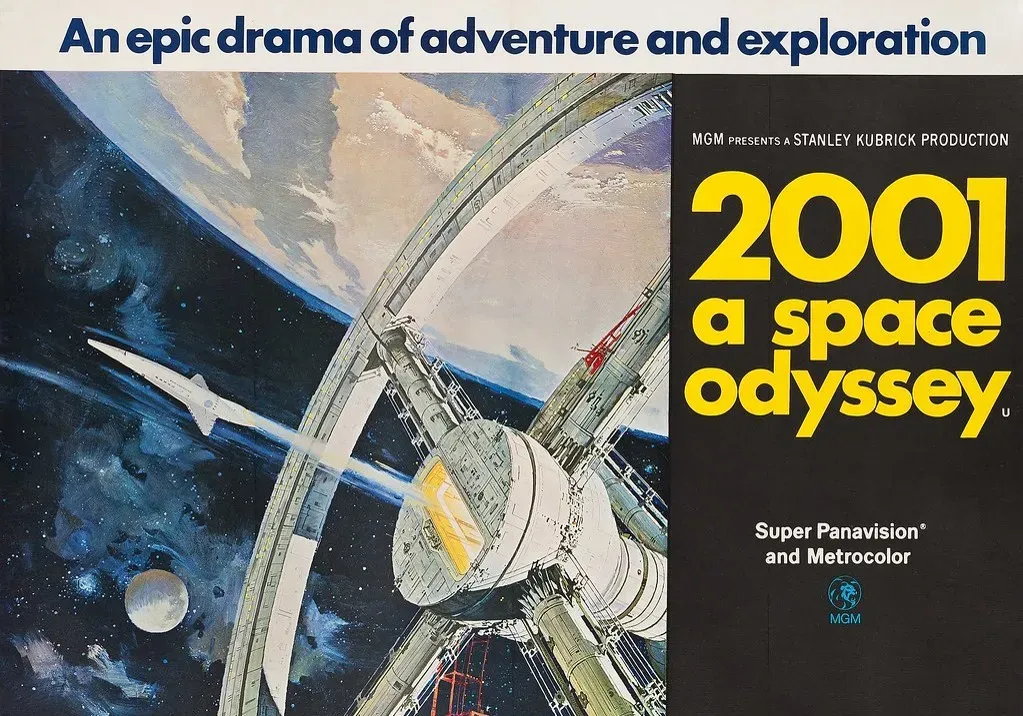
Stanley Kubrick’s 1968 film was made with heavy input from engineers and space industry specialists, at a time when humans hadn’t yet reached the Moon. The spacecraft interiors, the slow docking sequences and the silence of vacuum all reflected real thinking about how spaceflight would look. Many viewers still find it striking that explosions and engine roars are absent.
The rotating space station is the best known example. It creates artificial gravity through spin, an idea that engineers had discussed for decades, and the film shows it in a physically sensible way. Some details, such as the date of the technology it depicts, were far too optimistic. Even so, the film’s visual restraint set a standard that later productions are often compared against.
Interstellar

Physicist Kip Thorne served as scientific adviser and executive producer on Christopher Nolan’s 2014 film. Thorne later shared the 2017 Nobel Prize in Physics for work on gravitational wave detection. His equations were used to render the black hole Gargantua, and the visual effects team produced results that surprised even the scientists involved.
That work led to published research papers on how a black hole and its glowing disk would look to a camera. The film’s time dilation near a massive object is also grounded in general relativity, though the extreme numbers depend on assumptions Thorne openly described as being at the edge of what’s possible. Other parts, like surviving a planet that close to a black hole, remain speculative.
Contact

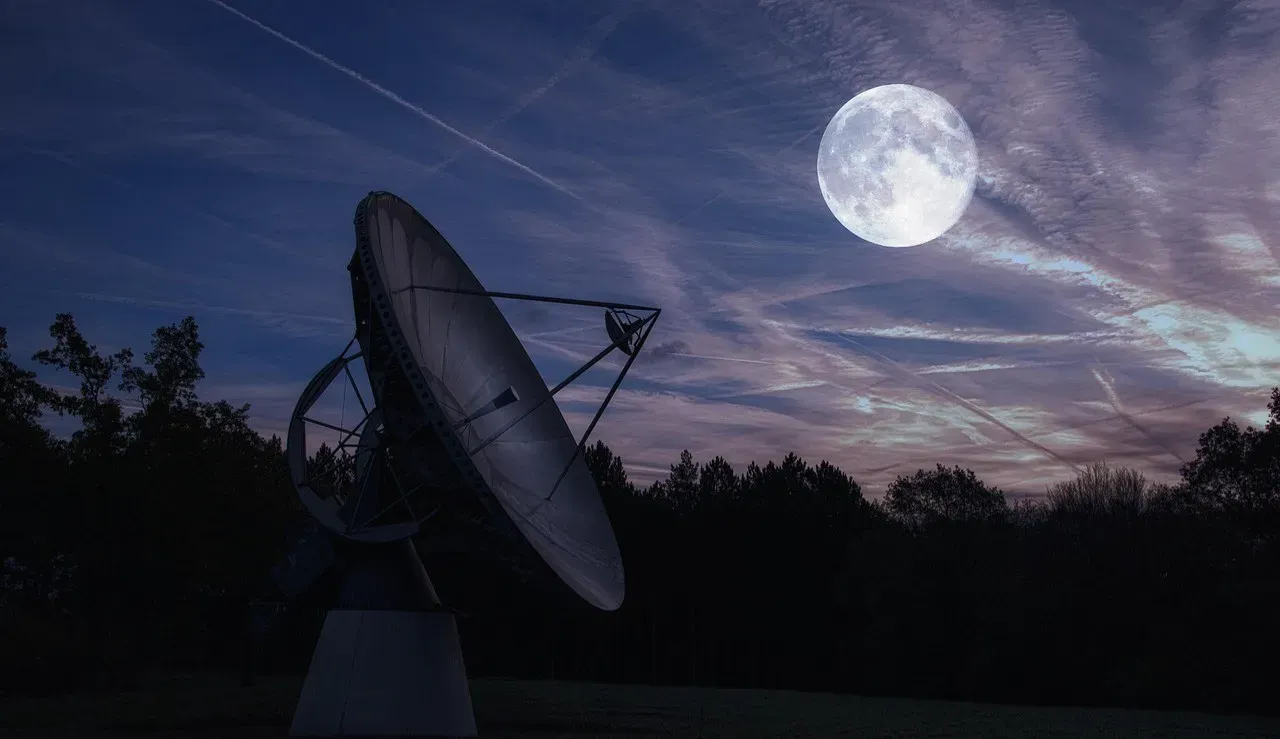
The 1997 film was based on Carl Sagan’s novel, and Sagan’s scientific outlook runs through every scene. Astronomer Jill Tarter of the SETI Institute is widely known to have inspired the lead character, and the film shows how radio astronomy searches actually work. Listening for a narrow, repeating signal, checking for interference and arguing over verification are all realistic touches.
Scientists often value the film for its portrayal of process rather than hardware. Evidence has to be confirmed, funding is hard to win, and politics gets in the way. The machine at the center of the plot is pure invention, yet the way people respond to an extraordinary claim feels credible.
Partner offer

The Martian

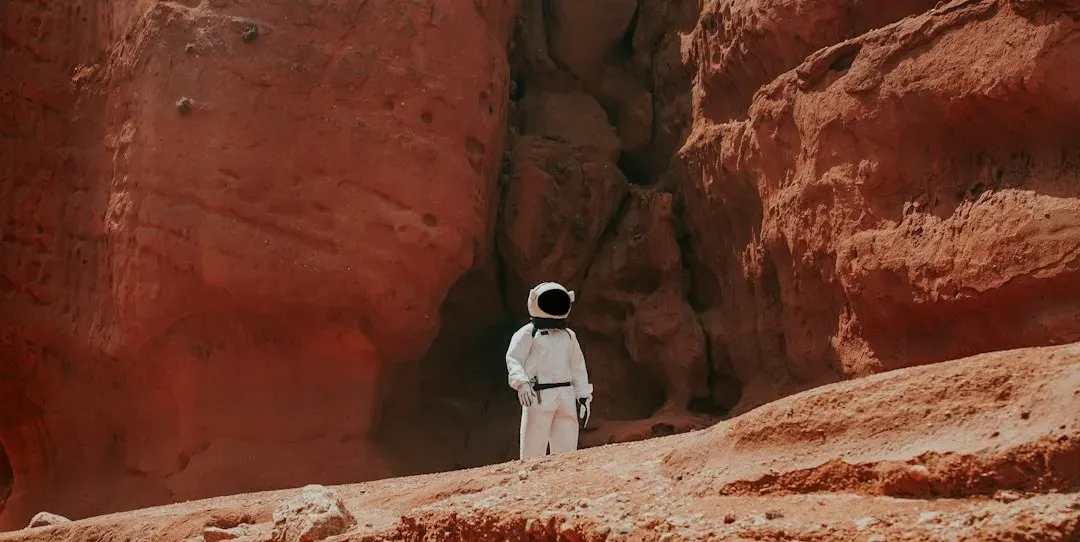
Ridley Scott’s 2015 film adapted Andy Weir’s novel, which was famous for its detailed problem solving. NASA cooperated with the production, and the agency has publicly embraced the film as a showcase of its work. Growing potatoes in Martian soil, recycling water and calculating how long supplies will last are all treated as math problems.
The biggest known error is the storm that opens the story. Mars has a very thin atmosphere, so winds there couldn’t knock over a spacecraft with such force. Weir has acknowledged that he allowed this for the sake of the plot. Most of the remaining engineering gets good marks from scientists, which is why the film is often used in classrooms.
Arrival


Denis Villeneuve’s 2016 film centers on a linguist, not a physicist, which is rare for the genre. Linguist Jessica Coon of McGill University consulted on the production, helping shape how the fieldwork looks. The scenes of building a shared vocabulary from scratch resemble how researchers approach undocumented languages.
Stephen Wolfram and his son Christopher built software to help generate the circular alien writing seen in the film. Linguists have praised the way the story treats language as something that shapes thought, though the strong version of that idea is debated in the field. The plot’s treatment of time is imaginative, and nobody claims it’s a real prediction.
Gattaca

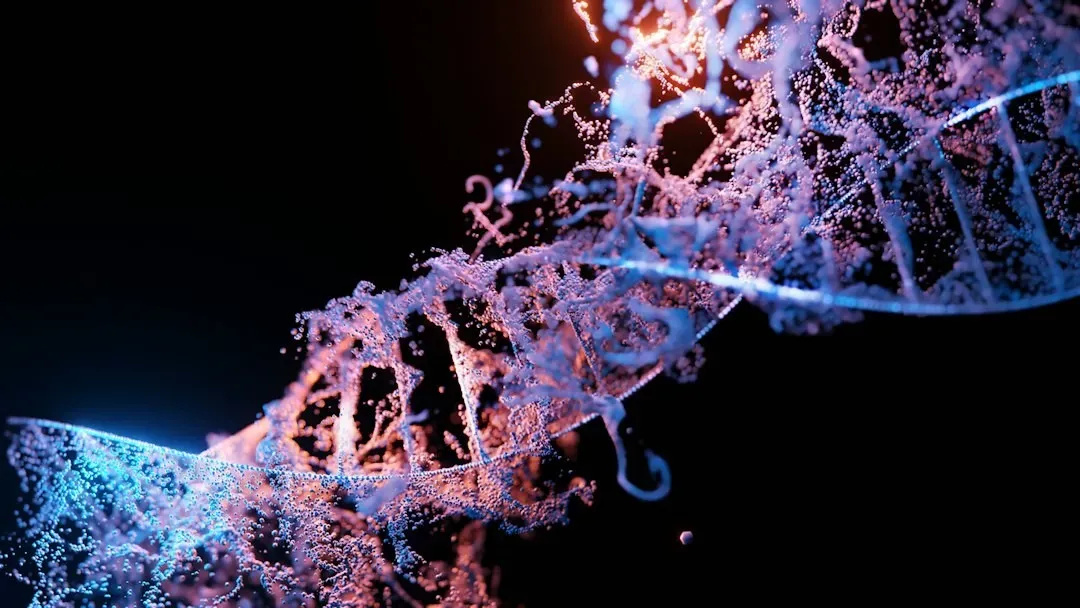
Andrew Niccol’s 1997 film imagines a society sorted by genetic profiles. It came out only a few years after the Human Genome Project began, yet it anticipated questions about embryo selection and genetic privacy that remain live today. Bioethicists and genetics educators still bring it up when teaching about discrimination based on DNA.
The film’s science is less precise than its ethics. Real genetic risk is probabilistic, and no profile fixes a person’s fate the way the story suggests. That gap is exactly what makes it useful in discussion, since it shows how easily people overread genetic data.
Europa Report

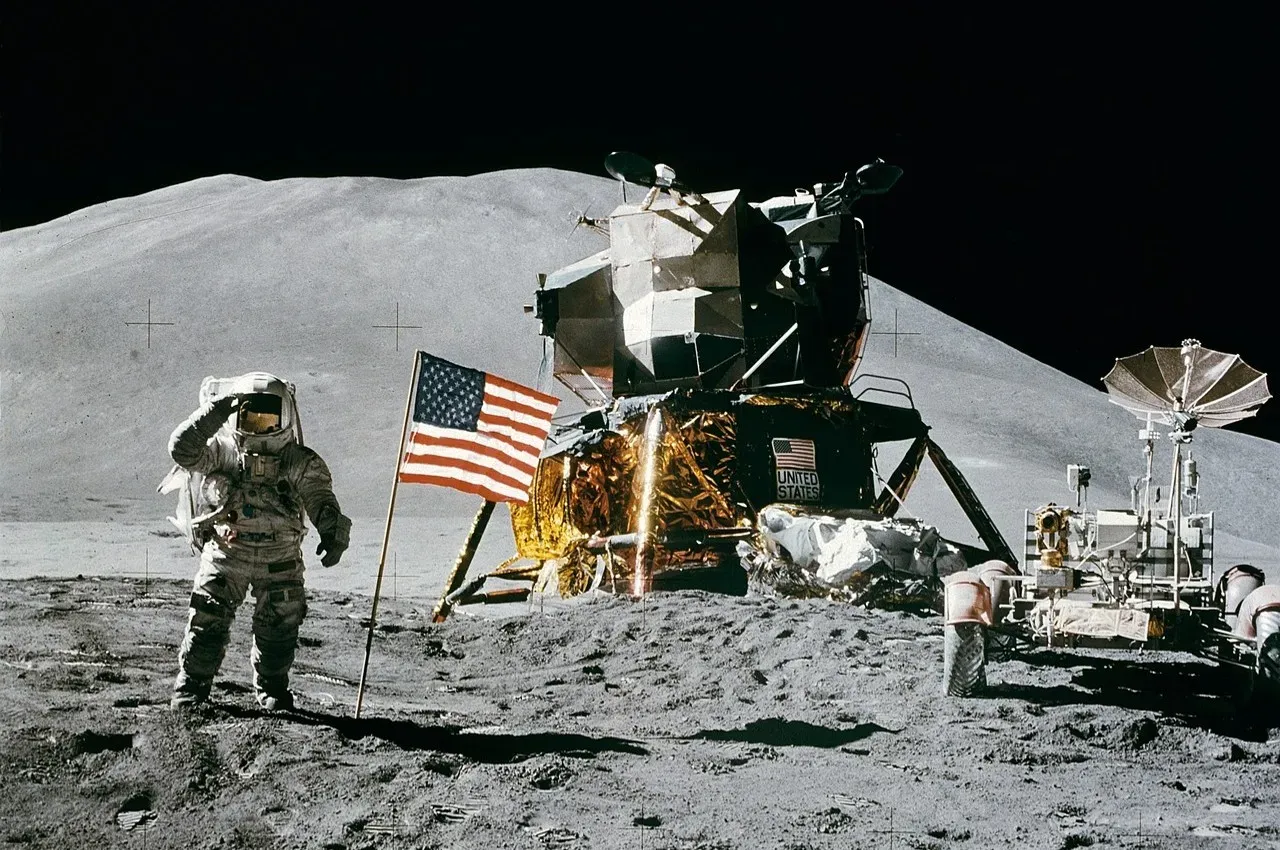
This 2013 low budget film follows a crewed mission to Jupiter’s moon Europa, where scientists believe a liquid ocean lies beneath the ice. It’s presented as found footage from the crew’s cameras, which helps explain delays in communication and the isolation of a long voyage. Reviewers and space enthusiasts have often singled it out for its sober approach to mission life.
The story echoes real planning for ocean world exploration, including NASA’s Europa Clipper spacecraft, which launched in October 2024 and is traveling toward Jupiter. The film is fiction, and its crewed landing is far beyond current plans. Even so, its focus on radiation, distance and the search for microbial life matches the questions that real missions are built to answer.
Partner offer
Planning a trip to Vegas?
Compare hotel rates and show tickets on VEGAS.com.