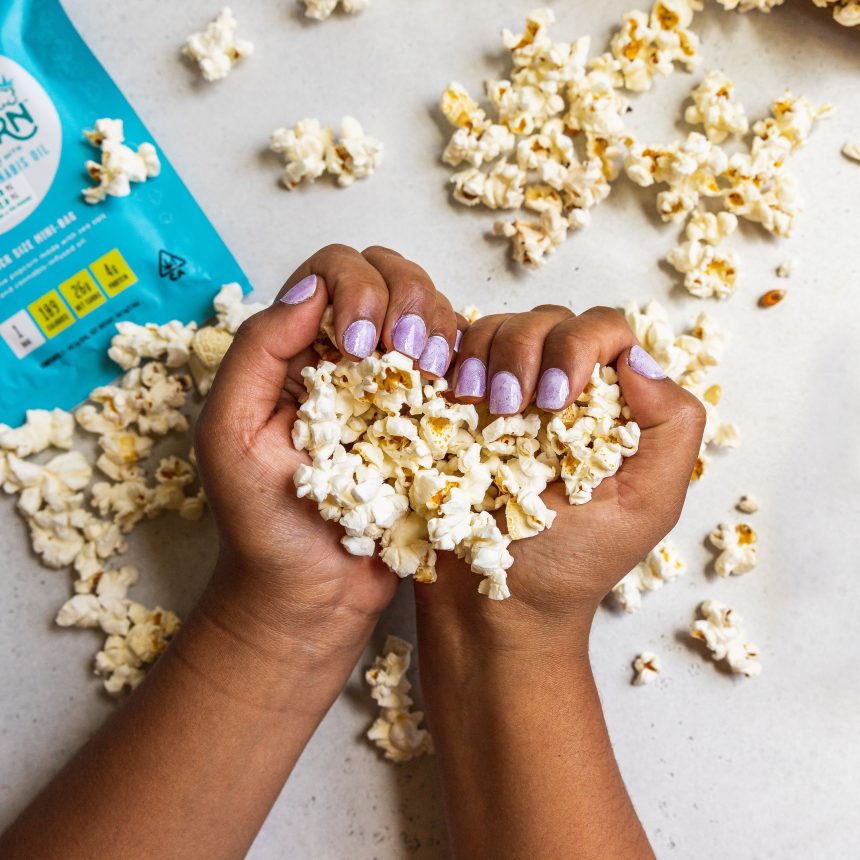
Walk into almost any cinema in the world and the first thing you notice may not be the posters. It’s the smell of warm, buttered popcorn. It feels like it has always belonged there.
It didn’t. For the first few decades of cinema, theater owners did their best to keep popcorn out of the building. How it got back in says a lot about money, timing, and a few practical advantages that other snacks couldn’t match.
An Old Food With Deep Roots

Popcorn is far older than the movies. Corn that pops has been eaten in the Americas for thousands of years, and archaeologists have recovered ancient popped kernels from sites in South America. Indigenous communities ate it, and some used it in decoration and ceremony.
By the nineteenth century, popcorn was a familiar American street food. Vendors sold it at fairs, circuses, and parades. It was cheap, easy to make from a small amount of dry kernels, and simple to carry around.
The Machine That Made It Portable

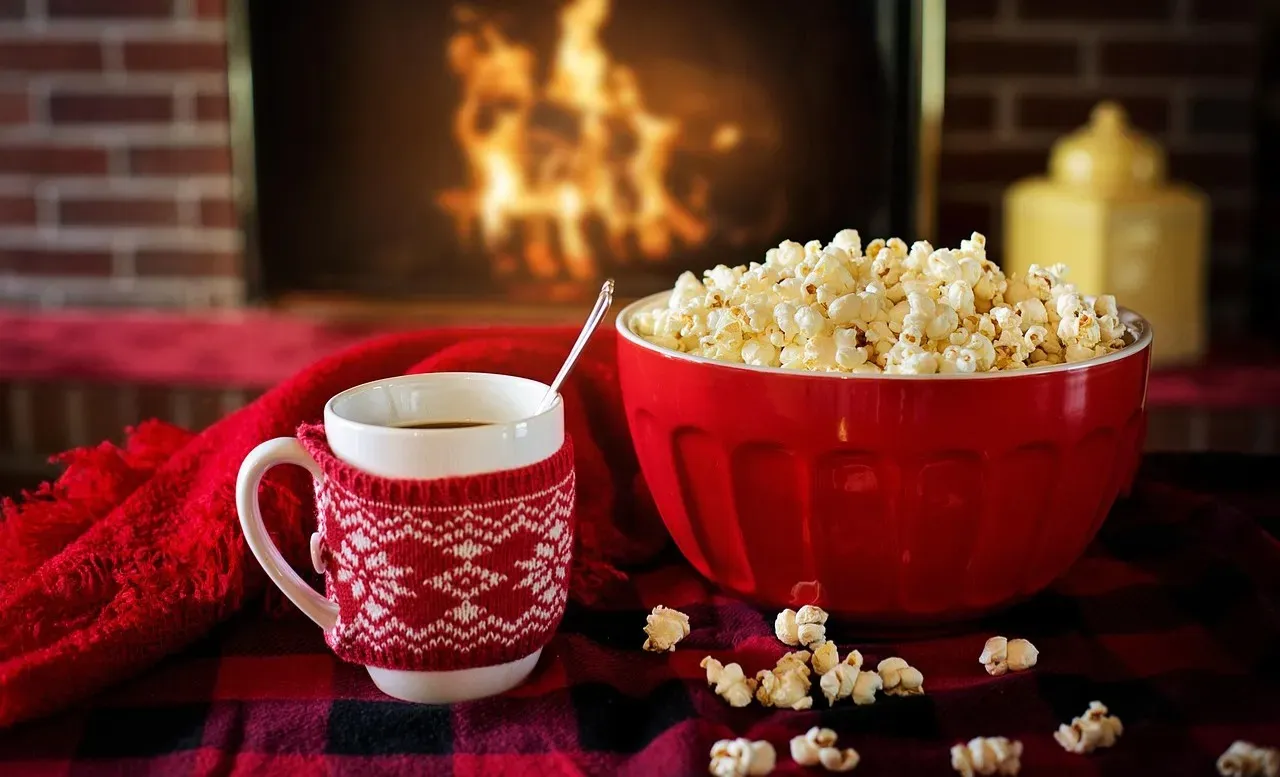
The technology mattered as much as the corn. Charles Cretors, a Chicago candy shop owner, introduced a steam powered popcorn machine in 1885. His later machines were small enough to roll on a cart, so a vendor could pop fresh corn almost anywhere a crowd gathered.
That mobility set up what came next. Popcorn didn’t need a kitchen, and it could be made in plain view, with the smell drawing customers in. A vendor with a cart could follow the crowd, and by the early twentieth century the crowds were heading to the movies.
Why Early Theaters Said No

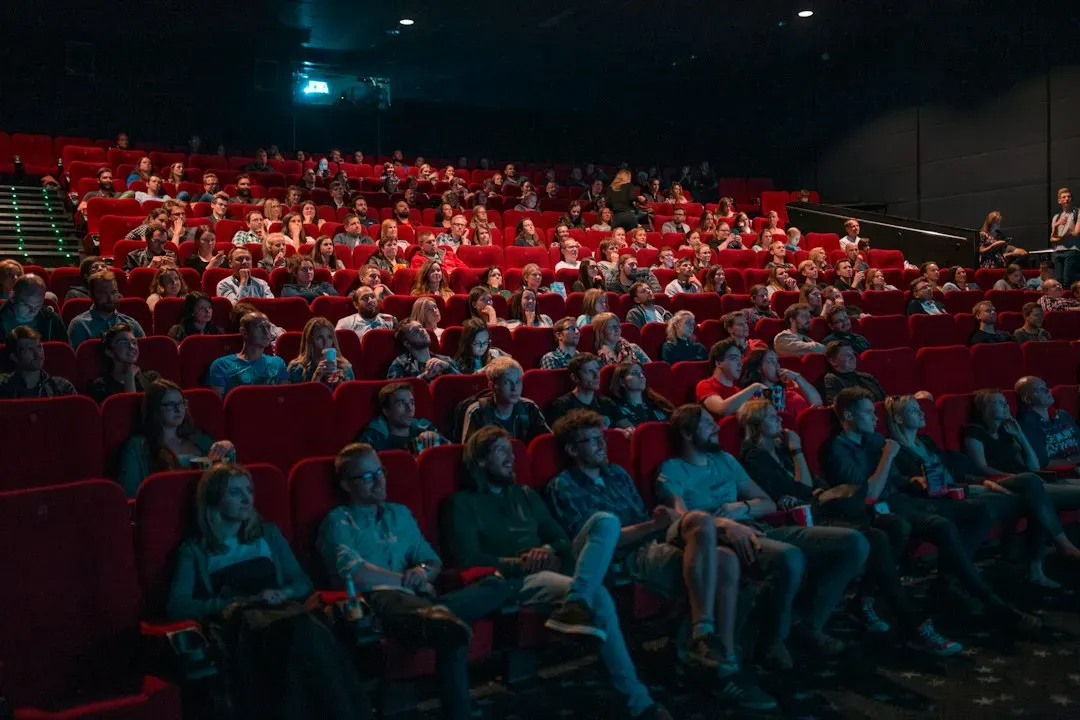
Early movie houses, including the nickelodeons of the 1900s, wanted to look respectable. Many modeled themselves on legitimate theaters, with carpets, fine fixtures, and a refined feel. Popcorn was messy, noisy, and likely to ground into the floor.
Silent films also demanded attention in a particular way. Audiences had to read the title cards, so owners saw snacking as a distraction. For a while, popcorn stayed on the sidewalk outside.
Sound Changed the Audience

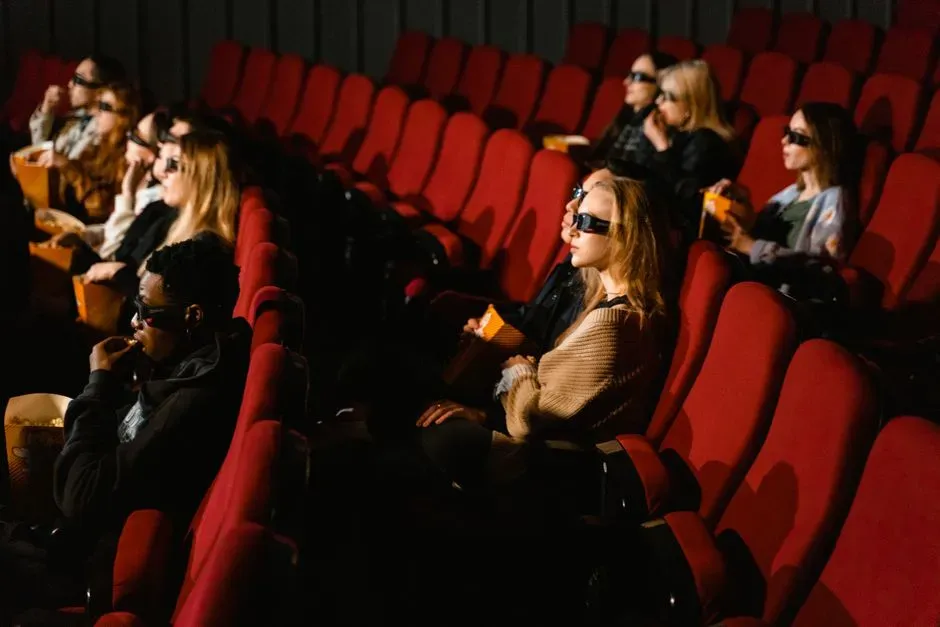
Talking pictures arrived in the late 1920s and widened the audience. Viewers no longer had to read to follow the story, so moviegoing became more open to everyone. Theaters grew larger and drew a more varied crowd.
That crowd was already used to eating popcorn on the street. Vendors set up near theater entrances, and customers carried their bags inside. Owners who had once resisted the habit started to see how much trade was passing by their doors.
Partner offer

The Depression Tipped the Balance

The Great Depression made the economics hard to ignore. Money was tight, and a bag of popcorn cost only a few cents, which suited people who still wanted a night out. Theaters were struggling, and many were looking for any new source of income.
Some owners first rented space to popcorn vendors, then realized they could make the profit themselves. Popcorn was cheap to produce and could be sold at a large markup. Theaters that adopted it often did better than those that held out, and the trend spread.
Wartime Sugar Rationing Helped

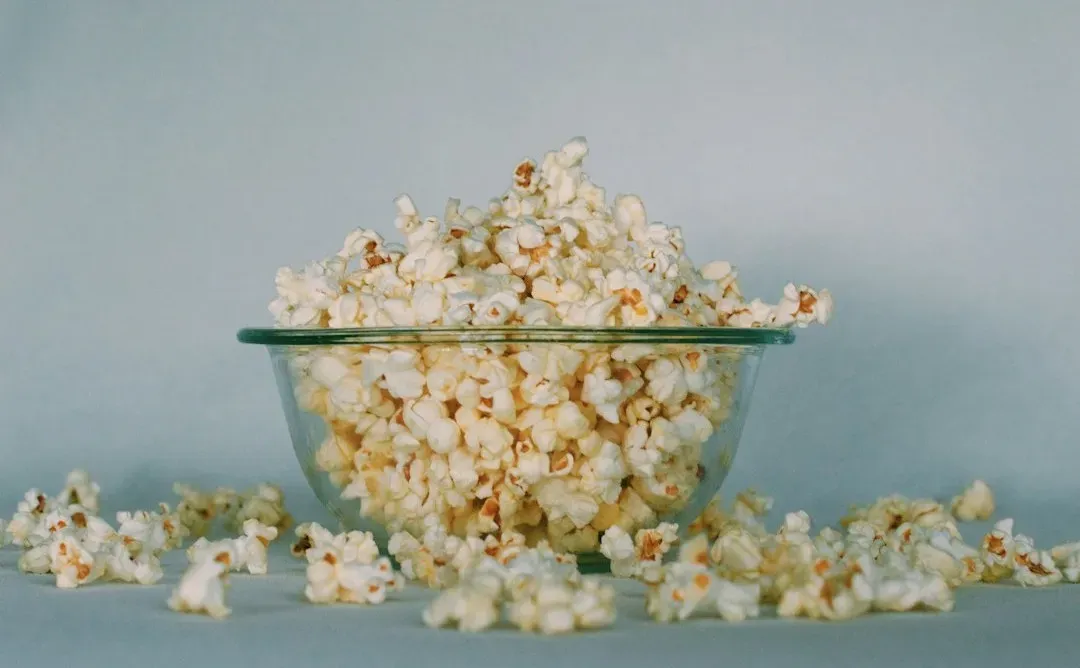
World War II gave popcorn another boost. Sugar was rationed in the United States, which cut into candy production and made sweets harder to find. Popcorn didn’t depend on sugar, so it filled the gap.
By the end of the war, popcorn was firmly attached to the moviegoing routine. Habits formed during those years carried into peacetime. A generation grew up assuming that popcorn and movies belonged together.
Television and the Concession Stand

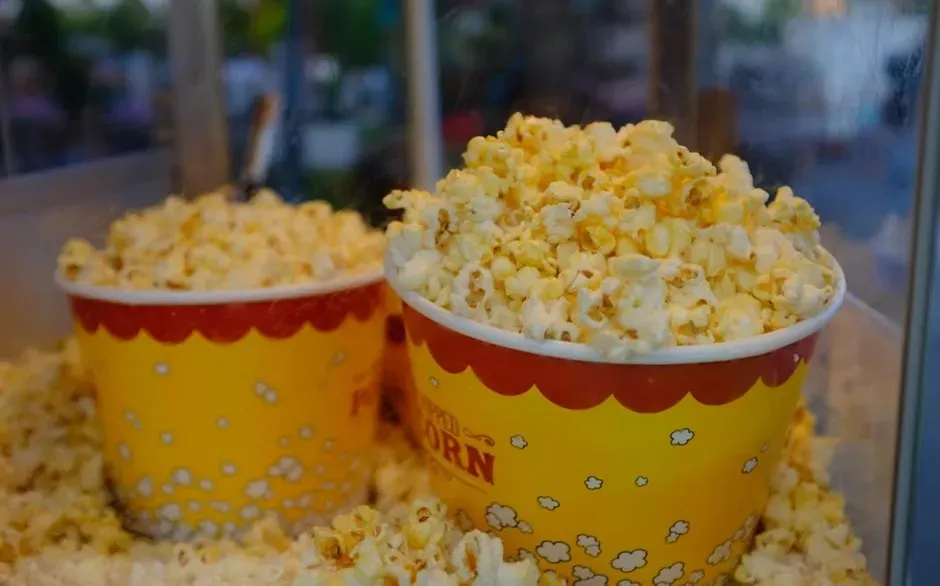
When television took off in the 1950s, cinema attendance fell and theaters needed to protect their margins. Studios take a large share of ticket revenue, especially in a film’s opening weeks, while theaters generally keep most of what they earn at the concession stand. That imbalance pushed owners to treat snacks as a core business.
Popcorn was the ideal product for this. The ingredients are inexpensive, the profit per sale is high, and the smell works as free advertising inside the lobby. No other snack combined all of those traits so neatly.
Changing Tastes and Home Viewing

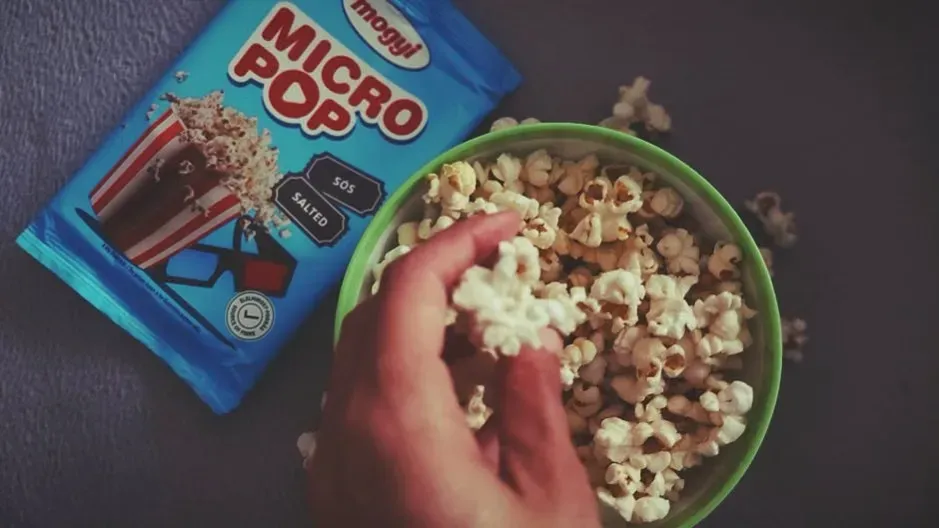
Popcorn has kept its place through several shifts. Microwave popcorn appeared in the 1980s, helped along by the long association of microwave technology with popped corn, and it carried the movie snack into living rooms. In the early 1990s, a consumer group criticized the coconut oil used by many theaters, and many chains changed how they popped it.
Streaming has given people more reasons to stay home, yet cinemas still lean on concessions to support their finances. I couldn’t verify current figures for 2024 to 2026 for this piece, so I’d treat any specific numbers with caution. What the history does show is that popcorn stuck because it suited the business of showing films.
Where Popcorn Stands Today

Popcorn started as an outsider that theaters tried to ban. Its low cost, portability, and strong smell made it hard to resist, and economic pressure from the Depression, the war, and television sealed the deal.
Today it remains the snack most closely tied to going to the cinema. The tradition rests on a century of practical decisions by vendors and theater owners, not on any single moment.
Partner offer
Planning a trip to Vegas?
Compare hotel rates and show tickets on VEGAS.com.