


Plenty of famous voices spent years standing a few steps behind someone else’s spotlight. Backup singing is demanding work. It teaches harmony, discipline, stage presence and how to serve a song. Some of pop, soul and rock’s biggest names learned those lessons before they ever headlined a show.
The seven singers below all have well-documented stretches as backing vocalists. Their paths differed, but each one used that apprenticeship to build the skills and connections that later carried them forward.
Sheryl Crow

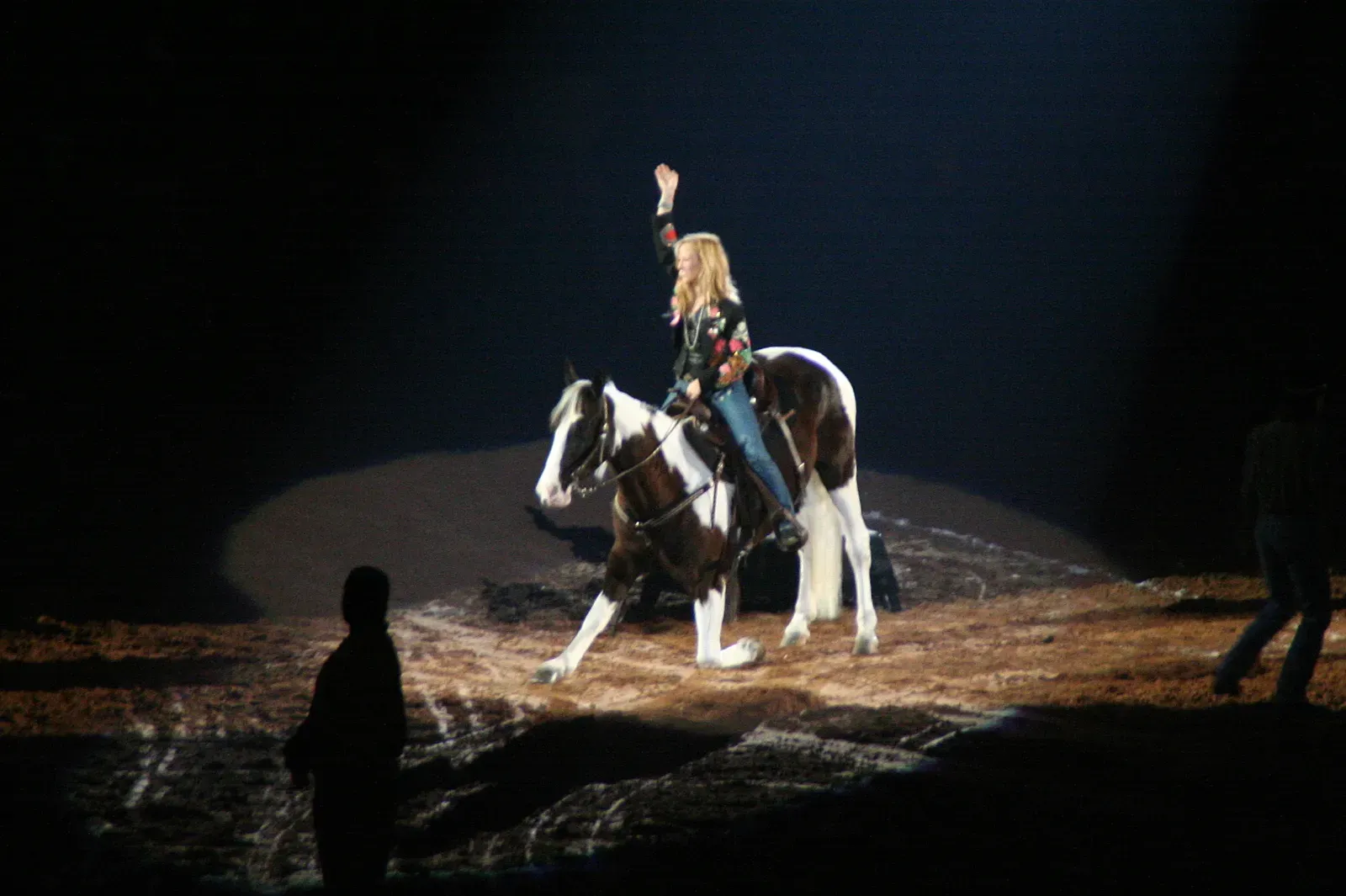
Before her own debut, Sheryl Crow worked as a backing vocalist for Michael Jackson. She sang on his Bad world tour in the late 1980s, which gave her experience on enormous stages. She also sang backup on records and sessions for other artists in that period.
Her solo breakthrough came with the 1993 album Tuesday Night Music Club. That record launched “All I Wanna Do,” which helped win her several Grammy Awards. Her years in other people’s bands gave her a professional foundation that shows in her polished live performances.
Lionel Richie

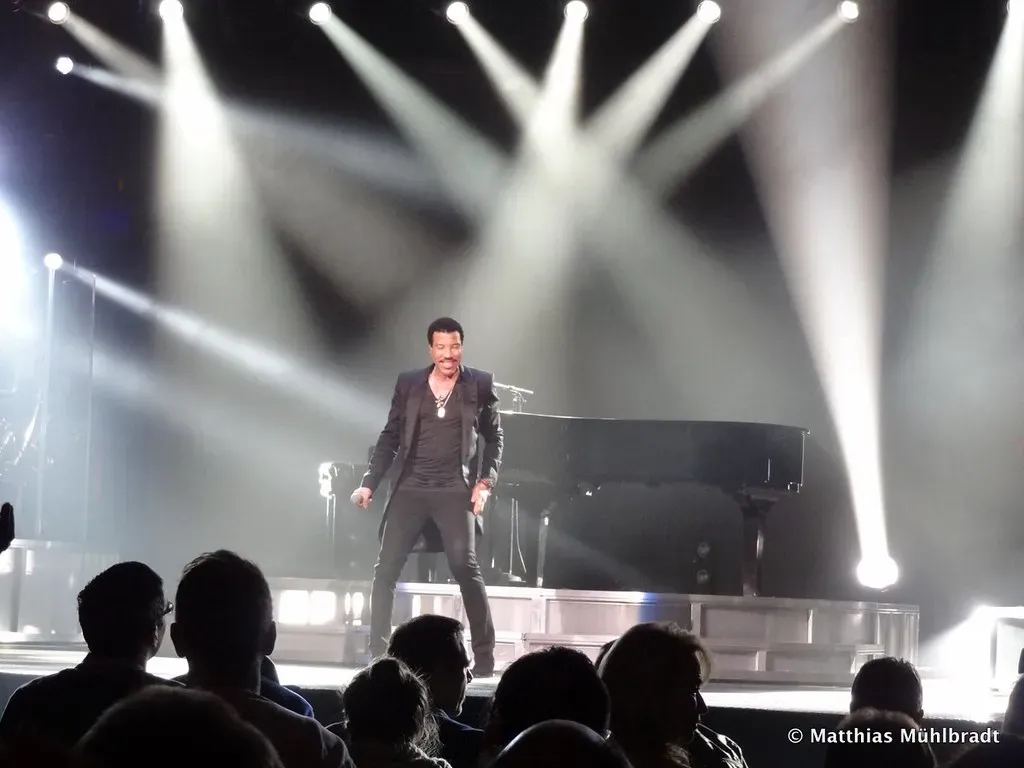
Lionel Richie is a slightly different case, since he began as a member of the Commodores rather than as a hired backing singer. Even so, he spent his early career sharing the stage as one voice in a group fronted by a collective, not as a solo star. That group experience shaped his sense of melody and arrangement.
He later launched a major solo career in the 1980s. Because his case is a group apprenticeship instead of a pure backing role, it’s best seen as a close cousin of the others on this list.
Mariah Carey

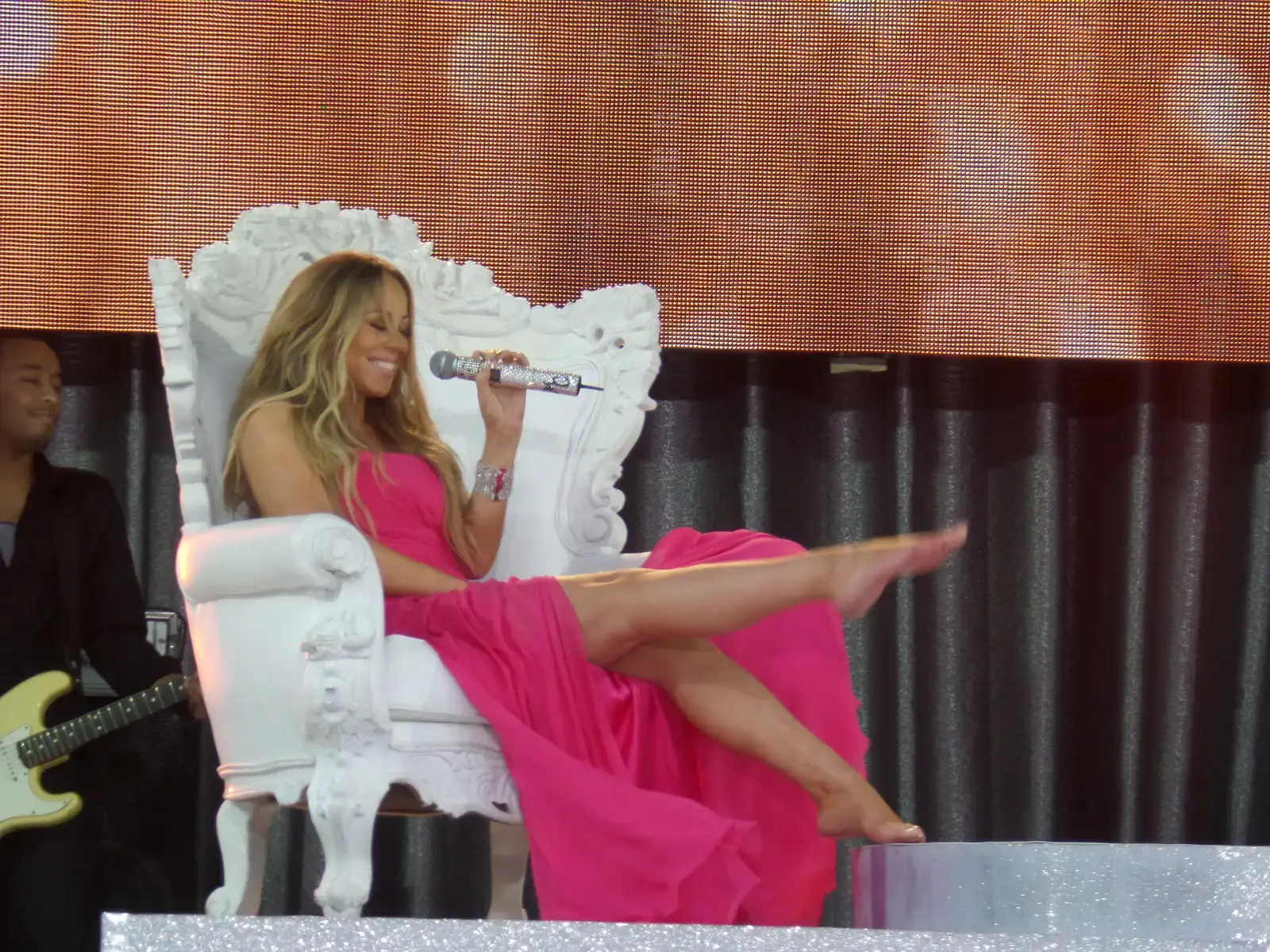
Mariah Carey worked as a backup singer in New York before she signed with Columbia Records. She has spoken about holding down jobs and doing demo and backing work while chasing a record deal. A demo tape reached Columbia’s leadership, and that led to her signing.
Her self-titled debut arrived in 1990 and produced four consecutive number one singles on the Billboard Hot 100. Few apprenticeships have turned into such a fast payoff. Her early session experience helped her build the layered vocal arrangements she became known for.
Luther Vandross

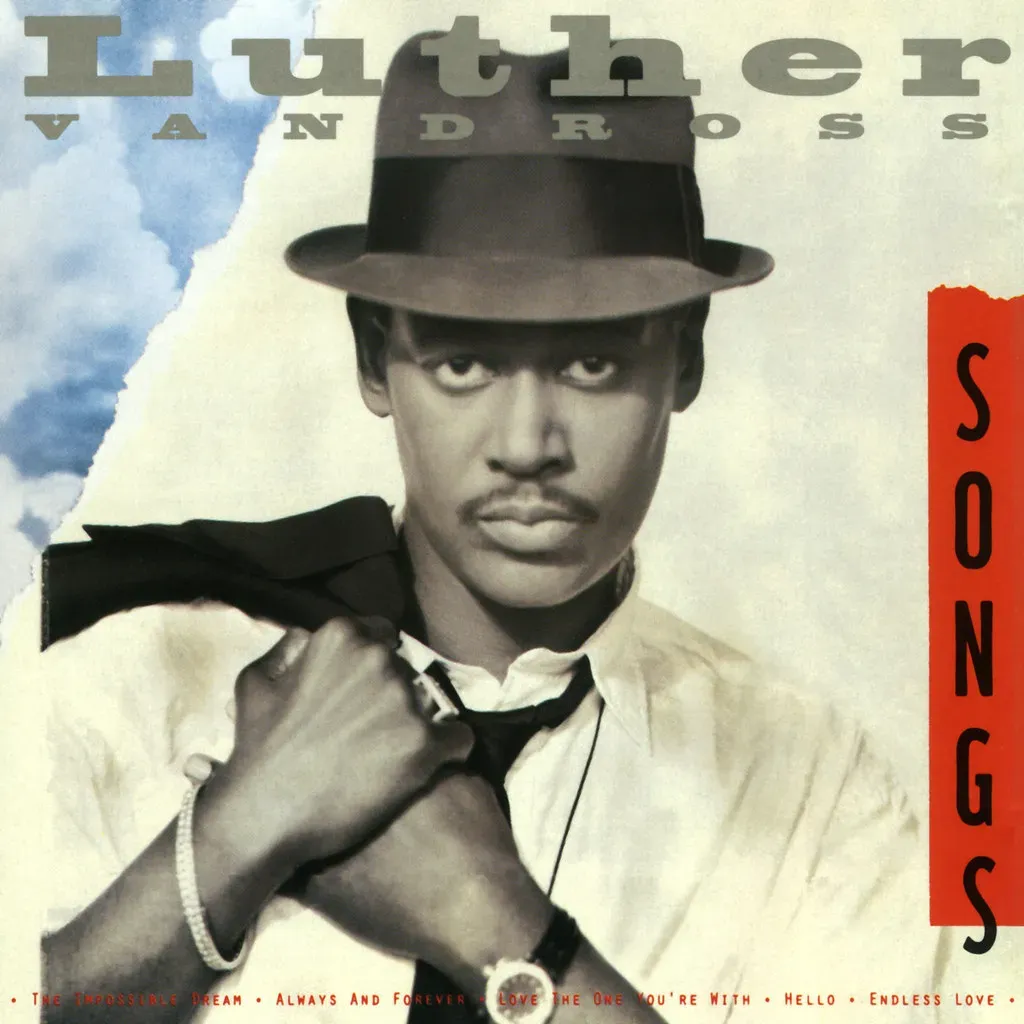
Luther Vandross spent years as a sought-after backing vocalist and vocal arranger before he became a star. He sang behind David Bowie, and he contributed to Bowie’s 1975 album Young Americans, including work on the song “Fascination.” He was also a prolific jingle singer and session vocalist.
Partner offer

He broke through as a solo artist in the early 1980s with Never Too Much. His reputation as a meticulous vocal craftsman clearly grew out of those years behind others. Vandross remains a standard example of a backup singer who became a headliner.
Patti Austin


Patti Austin built her career in New York as a first-call session singer. She sang on a vast number of jingles and recordings, and she worked behind many well-known artists. Her versatility made her a trusted studio presence.
She later became a solo recording artist, and she is perhaps best known for her duet with James Ingram, “Baby, Come to Me,” which reached number one in 1983. Her studio years sharpened the precision that defines her style.
Darlene Love

Darlene Love sang backup on many early 1960s hits, often in Phil Spector’s studio. She was credited with groups such as the Blossoms, and her voice appeared on records that were released under other names. She also sang lead on “He’s a Rebel,” which was issued under the name of the Crystals.
Her story is partly one of overdue recognition. She was inducted into the Rock and Roll Hall of Fame in 2011, and the 2013 documentary 20 Feet from Stardom helped bring the stories of backup singers to a wider audience.
Merry Clayton


Merry Clayton is known for her unforgettable backing vocal on the Rolling Stones’ 1969 song “Gimme Shelter.” She was called into the studio late at night, and her performance became one of rock’s most celebrated guest vocals. She also sang backing parts for other major artists across her career.
She released solo albums in the 1970s, though she never reached the same commercial heights as her best-known session work. She also appeared in 20 Feet from Stardom. Her story shows how a single backing performance can outlast many hit singles.
Taken together, these seven singers show that standing in the background can be a serious training ground, and sometimes a destination of its own. Their careers also remind listeners that many classic recordings owe a great deal to voices that were rarely named on the cover. Next time a favorite song hits a perfect harmony, it’s worth listening for who’s singing behind the star.
Partner offer
Planning a trip to Vegas?
Compare hotel rates and show tickets on VEGAS.com.


