Some of music’s most lasting records weren’t labored over for months. Bands and bandleaders walked in with a plan, set up, and finished in a few days or even a single afternoon. Tight budgets, live energy and sharp preparation often made that speed possible.
The nine albums below span rock, folk, jazz and country. Each one is documented as having been recorded in about a week or less, though exact details sometimes vary between accounts. Where numbers differ, I’ve kept the wording cautious.
Please Please Me by The Beatles (1963)

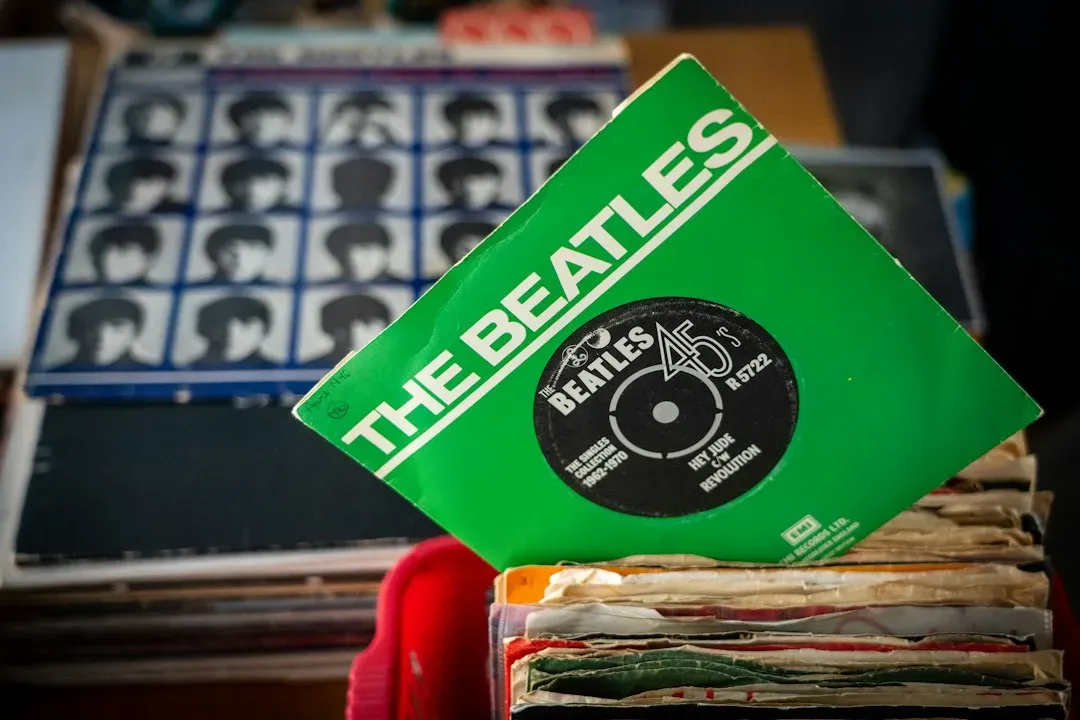
The Beatles’ debut album is the classic example of a fast session. The band recorded most of it at Abbey Road on February 11, 1963, in a single marathon day. That day produced ten songs. The other four tracks on the album were already out as singles.
The group had been playing long live sets in Hamburg and Liverpool, so they knew the songs cold. Closing the day with “Twist and Shout,” a raw vocal performance from John Lennon, was reportedly a one-shot affair because his voice was fading. The album reached number one in the UK and set the pace for the band’s early career.
Bob Dylan by Bob Dylan (1962)
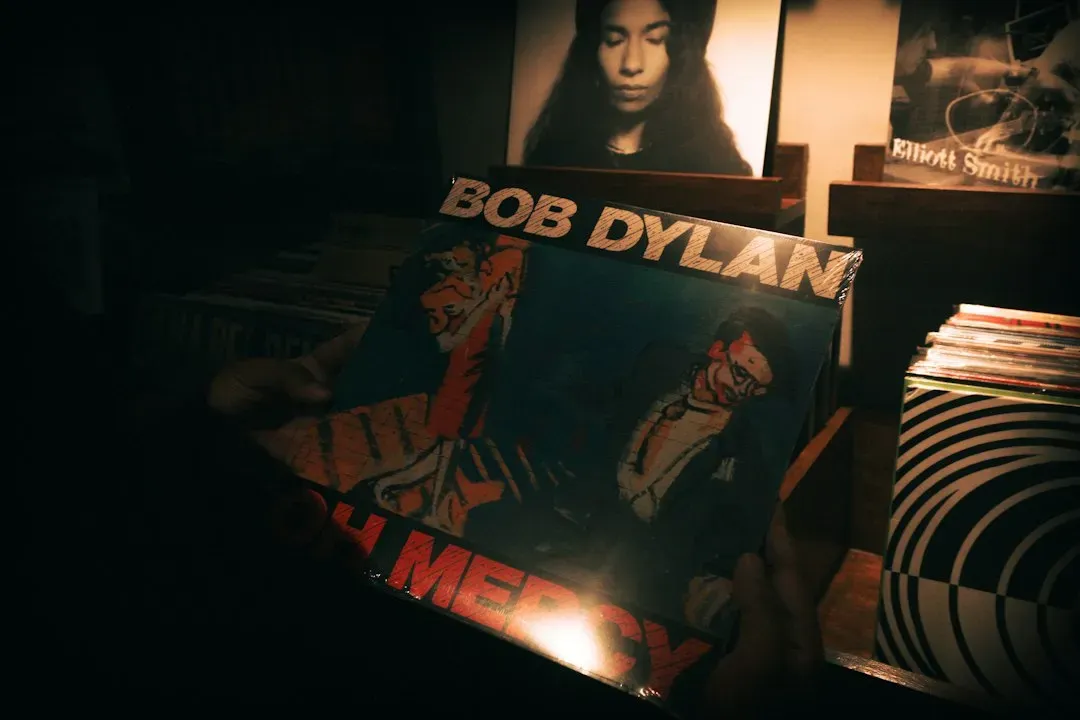
Dylan’s self-titled debut was recorded over two days in November 1961 at Columbia’s studios in New York. It’s mostly folk and blues covers with just two originals. Producer John Hammond signed him, and the sessions were famously cheap, with a commonly cited cost of a few hundred dollars.
The record wasn’t a hit at first, and it’s often seen as a rough sketch of what came next. Still, it captured a young songwriter in raw form, with little more than voice, guitar and harmonica. It shows that speed and spareness can serve a debut well.
Black Sabbath by Black Sabbath (1970)

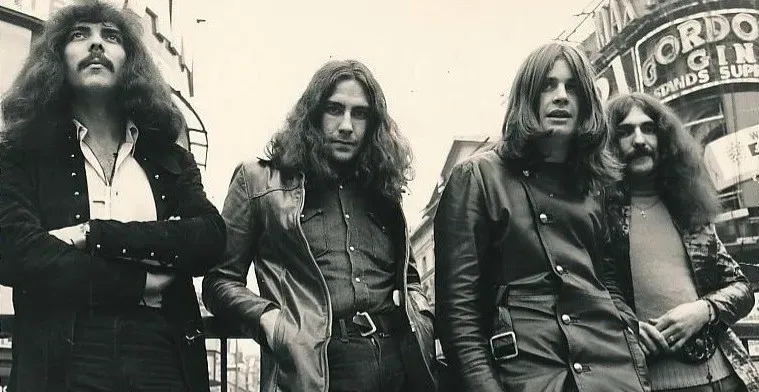
Black Sabbath cut their first album in one day, October 16, 1969, at Regent Sound Studios in London. The band essentially played their live set, with few overdubs. That gave the record its heavy, ominous feel.
It was released in February 1970 and is widely credited as a foundation of heavy metal. The thick, slow riffs weren’t polished, and that rawness is part of the appeal. A day in the studio left a record that still sounds menacing.
Ramones by Ramones (1976)


The Ramones’ debut was recorded in roughly a week in early 1976 in New York, and the cost is often cited at about six thousand dollars. It runs just under half an hour across fourteen short songs. The speed matched the band’s stripped-down approach.
The record wasn’t a big seller on release, yet its influence on punk in both the US and UK is enormous. The short songs, fast tempos and lack of solos became a blueprint. A tight budget helped define a sound.
A Love Supreme by John Coltrane (1965)

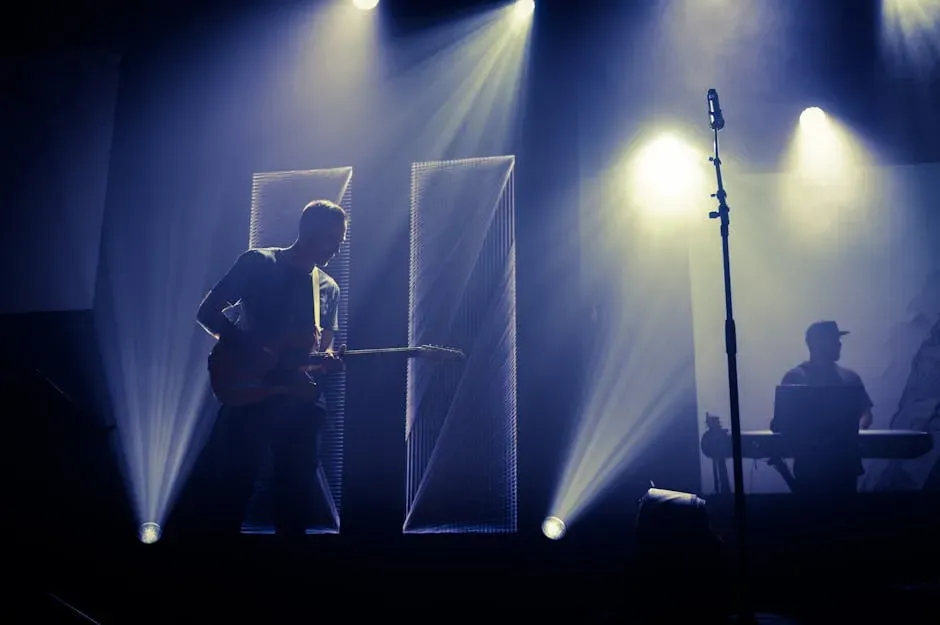
Coltrane recorded this suite in one session on December 9, 1964, at Rudy Van Gelder’s studio in Englewood Cliffs, New Jersey. His quartet included McCoy Tyner on piano, Jimmy Garrison on bass and Elvin Jones on drums. The four-part work was written as a spiritual statement.
Partner offer

It was released in early 1965 and is regularly ranked among the great jazz albums. The speed of the session doesn’t mean it was improvised from nothing, since Coltrane had planned the structure. The result feels focused and devotional.
At Folsom Prison by Johnny Cash (1968)
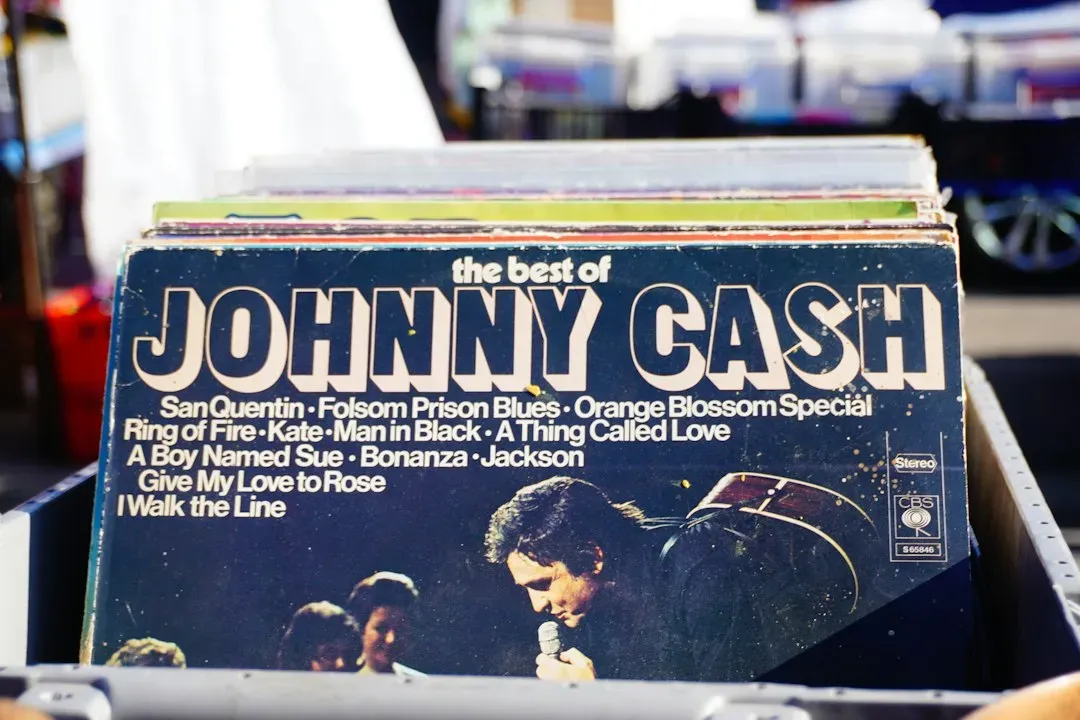
This live album came from two shows on January 13, 1968, at Folsom State Prison in California. Cash played to an audience of inmates, with June Carter, Carl Perkins and the Tennessee Three. The whole recording happened in a single day.
The album revived his career and became a landmark of live country. The crowd reactions are part of the record, giving it a tension a studio session couldn’t match. A day behind the walls produced one of his best-known releases.
Sunday at the Village Vanguard by Bill Evans Trio (1961)

The Bill Evans Trio recorded its Village Vanguard material on June 25, 1961, across several sets in one day. Scott LaFaro played bass and Paul Motian drums. The recordings were split between this album and Waltz for Debby.
LaFaro died in a car accident only days later, which gives the recordings an added poignancy. The interplay between the three musicians is often held up as a model of conversational trio playing. Their one day in the club left a lasting document.
Free Jazz by Ornette Coleman (1961)
Ornette Coleman’s Free Jazz: A Collective Improvisation was recorded on December 21, 1960, in New York. It featured a double quartet with two of everything, split across stereo channels. The piece runs for about thirty-seven minutes.
The session gave the avant-garde movement its name and divided critics at the time. Improvised music doesn’t require a long production schedule, though it does require trust among players. A single day was enough to make a landmark.
Come On Pilgrim by Pixies (1987)
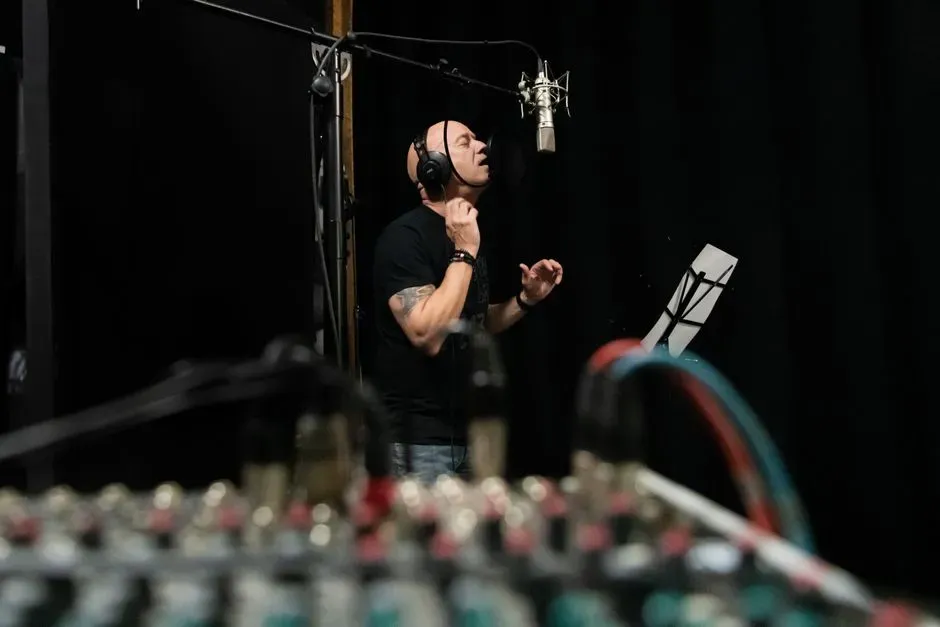
Pixies recorded their debut mini-album in a few days in 1987 at Fort Apache Studios in Massachusetts, with producer Gary Smith. It was later released through 4AD, and it’s an eight-song collection. Though shorter than a full album, it’s a proper record that introduced the band.
The songs were tight and quirky, with the loud and quiet dynamics the band became known for. Later releases got more attention, yet this one proved the band could work fast. It remains a good example of a quick session producing something distinctive.
Speed doesn’t guarantee greatness, and plenty of fast sessions are forgotten. Still, these nine records show that preparation, chemistry and a clear idea can matter more than studio time. Some of the best albums simply caught a band at the right moment.
Next time you put one of these on, listen for the live energy. It’s often the sound of musicians who knew exactly what they wanted to say, and said it before the clock ran out.
Partner offer
Planning a trip to Vegas?
Compare hotel rates and show tickets on VEGAS.com.