The music industry has a long memory for profit and a short one for artistry. Across the decades, finished albums have sat in label vaults, completed recordings have gone permanently unheard, and careers have been derailed not by lack of talent but by contract disputes, shifting commercial priorities, and the plain indifference of executives who never understood what they had.
These aren’t urban myths or unverified rumors. They’re documented stories, some resolved only after years of litigation, others still unresolved. More often than not, the reasons a great album disappears have to do with the bleaker realities of life and of the music industry, rather than any failure on the artist’s part. Here are seven singers whose finest work never made it out the door, and why.
Prince – A Vault Too Full to Open

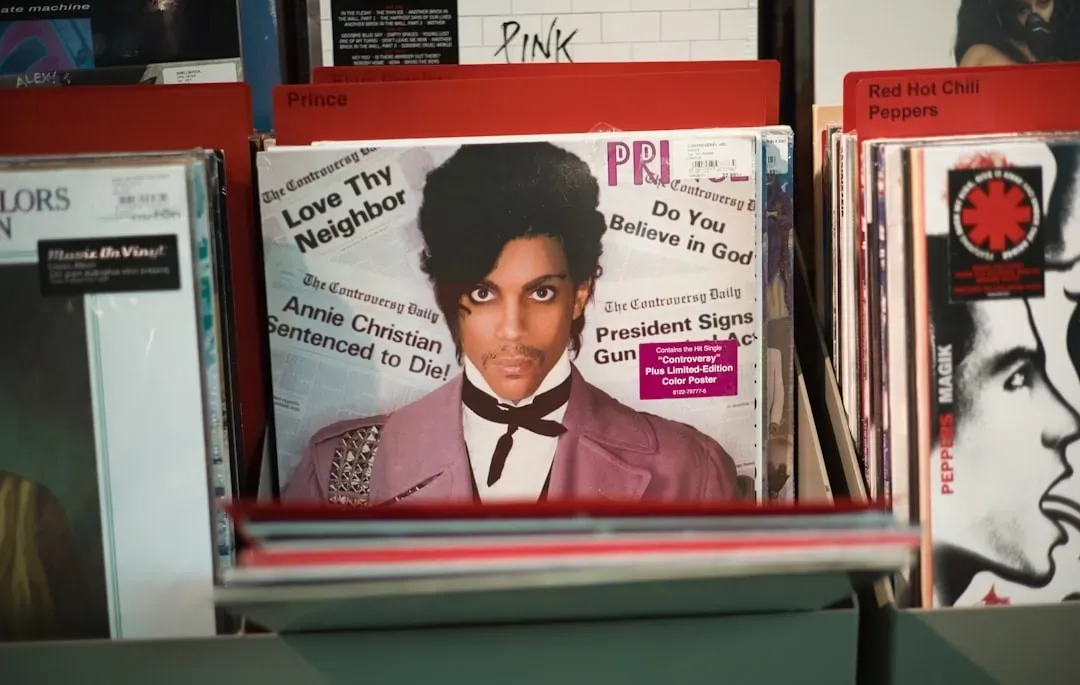
Prince was well known in the entertainment industry for having a vast body of work that remains unreleased. It has been said that his vault contains multiple unreleased albums and more than 50 fully produced music videos that have never been released. The problem was never a shortage of material. It was the opposite.
Prince was fed up with Warner Bros., his record label home since his debut LP in 1978. Almost two decades later, the singer wanted to break free from any restraints placed upon him by executives and company policy. Among the many disagreements he had with the label was the speed at which they released his material. “Warner wanted a record only every 18 months. I could release a record every seven months,” Prince would later explain of his frustration. The result was a growing backlog of finished music that simply sat untouched. A year or so after signing a reported $100 million deal with the label in 1992, he started writing “slave” on his cheek and protesting his lack of ownership of his master recordings. After his death in 2016, Prince’s estate discovered a vault of music that included enough new material “to release a new album every year for the next century.”
JoJo – A Child Star Silenced by Her Own Contract


JoJo was the youngest star to ever have a No. 1 single on the Hot 100 chart with her 2004 song “Leave (Get Out)” and had been mostly out of the limelight since 2006, when she released her second album The High Road. That silence wasn’t a creative choice. It was a legal cage. Repeated changes in ownership and distribution effectively held JoJo’s career hostage. She submitted multiple albums’ worth of material and was met with silence.
Because she had signed a seven-album deal with the label in 2004, when she was only 12, JoJo was unable to break her contract. She first filed a lawsuit in 2009 against Da Family Entertainment/Blackground, citing a breach of contract, alleging the label failed to secure distribution for her album and forced her into a state of limbo. JoJo was finally released from the contract in late 2013 after a settlement was finally agreed following another lawsuit, marking the end of a period in which she had been unable to release new music and her back catalogue was unavailable to stream or purchase. The music she made during those lost years remains largely unheard.
Mariah Carey – The Alt-Rock Side That Was Buried


Mariah Carey first mentioned the existence of a secret alt-rock album in her 2020 memoir. A version of it was titled “Someone’s Ugly Daughter” and quietly released in 1995 under the band name Chick, with Carey singing backup vocals, despite having recorded lead vocals originally. The original recordings, with her full voice upfront, were never made available to the public at the time.
The decision to strip her lead vocals and bury the project under a pseudonym was a product of label-era thinking that kept Carey firmly boxed inside a pop and R&B lane. In an interview with the podcast “Rolling Stone Music Now,” Carey said the recordings of the album with her lead vocals have been “unearthed,” hinting at a new release. The fact that it took nearly three decades for this to even resurface says something clear about how the industry managed, and constrained, what artists were allowed to be.
Neil Young – The Album He Was Too Scared to Release

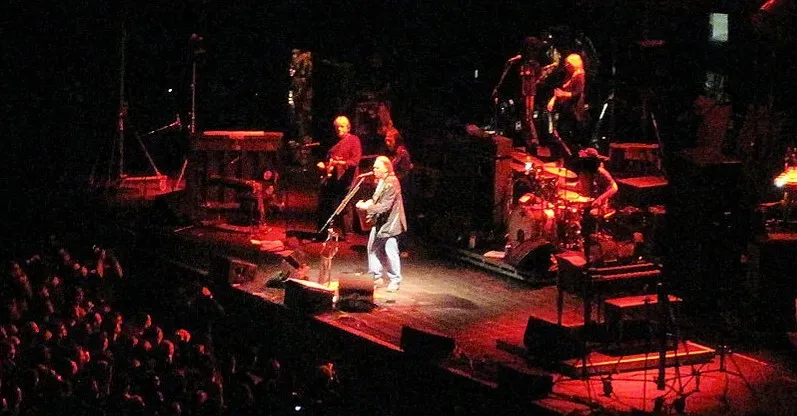
Neil Young’s personal life was in free fall by 1974. He had completed a deeply personal album called Homegrown, widely considered by those who heard it to be among the most emotionally raw recordings of his career. He had assembled friends, including the Band’s Rick Danko, at L.A.’s Chateau Marmont to get an opinion on his latest work. As a tape of Homegrown came to an end, a mix of the dark, gritty and unreleased Tonight’s the Night came on the stereo by chance. Danko preferred the raw power of Tonight’s the Night to the comparatively delicate Homegrown. Disregarding advice from his label, Young released it instead that June.
Homegrown sat in a vault for nearly half a century. Thanks to Young’s ongoing archival release series, some of the most hallowed lost albums of all time are no longer lost, like Hitchhiker and Homegrown, released just last year. Still, the album that finally appeared was not quite the same creature Young shelved in 1975, and the question of what its original release would have meant for his career is one that can never be fully answered. In hindsight, you could mull over the other avenues an artist could have traveled; the unreleased albums become the counter-narratives, the stylistic detours that were traded for something different. People’s careers, in some cases, could have progressed entirely differently if a shelved album had been released instead of what did come out.
Lisa “Left Eye” Lopes – The Spiritual Album an American Label Refused to Touch


Lisa recorded her Supernova album in 2000, but her record label was unhappy with the spiritual direction she went in and cancelled the album release in the US. The album got released overseas and the single “The Block Party” was a top 20 hit in the UK. Because Arista Records broke her contract terms by not supporting Supernova, Lisa was free to negotiate a new deal elsewhere for her next album venture. The fact that the album charted abroad made the domestic decision to suppress it even harder to justify.
She originally began work on her solo album in 1998, which she wanted to name Fantasy1.com. It was scrapped when she negotiated a new deal with TLC for the Fanmail album. Lopes died in a car accident in Honduras in 2002, leaving her artistic vision as a solo performer permanently incomplete. What was withheld from American audiences was never just a commercial product – it was a self-portrait the industry decided wasn’t marketable enough to share.
David Bowie – The Outside Trilogy That Never Became a Trilogy

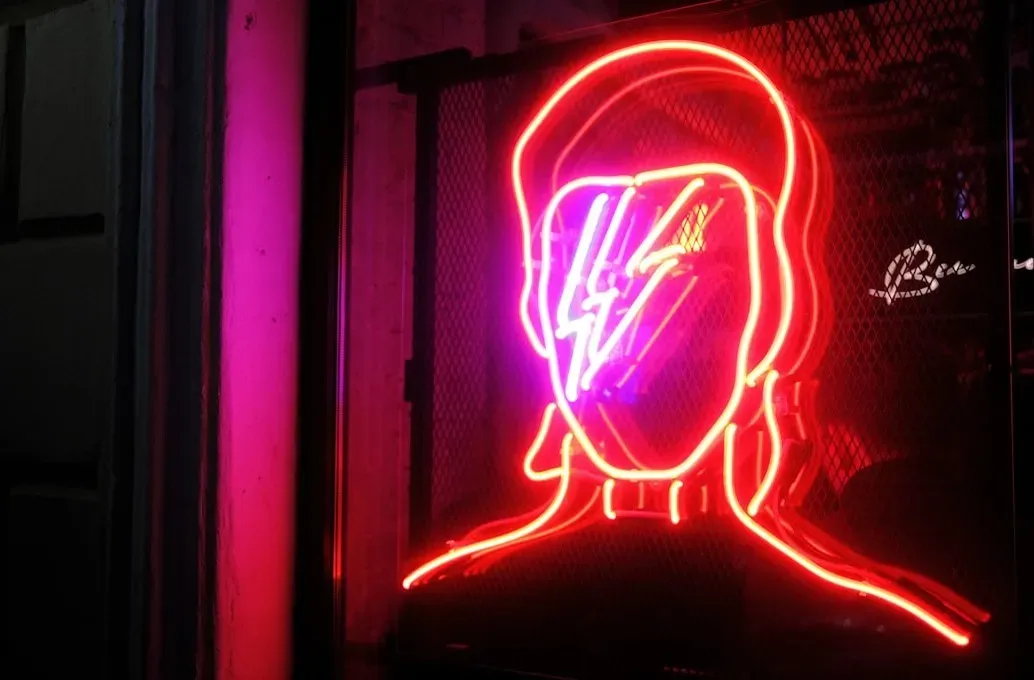
Just improvisations, character monologues, industrial textures, and story threads that went way beyond the album’s final 74 minutes. Bowie and Eno reportedly had enough material to fill multiple albums, possibly even the full three-hour version Bowie envisioned. The idea was to release a series of “diary” albums every year leading up to 2000, each one revealing more of the story. It was an ambitious project by any standard, and the scope of it was precisely what made it a problem for the label.
That plan was quietly dropped after “1. Outside” didn’t perform as strongly as hoped. Critics were divided, fans were confused, and the label didn’t exactly love the idea of more disorienting concept albums with no clear singles. So the Outside series ended where it started. The rest of the material remains unreleased or maybe unfinished. Bowie went on to make other records, some of them genuinely great, but the sprawling experimental narrative he imagined across multiple volumes was quietly shelved because it scared a boardroom.
Paul McCartney – Hot Hitz Over Cold Cuts

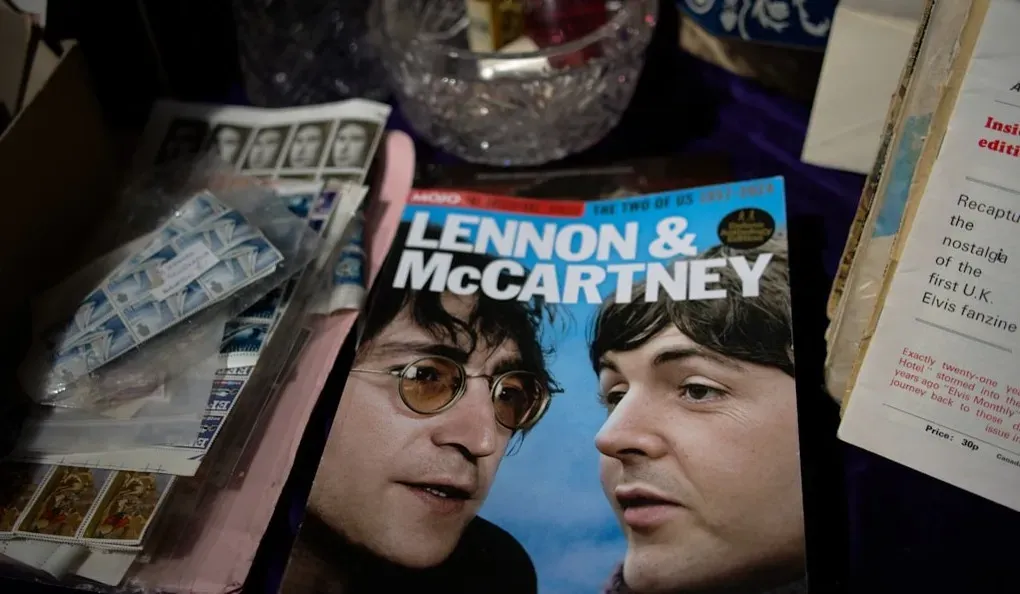
In many ways the tracks were stronger than his contemporary output. Yet label indifference, the dissolution of Wings and the emotional devastation wrought by John Lennon’s assassination caused the album to get lost in the shuffle. The unreleased compilation McCartney had assembled, known informally as Cold Cuts, contained material that biographers and bootleg enthusiasts have long argued represented some of his most unguarded and versatile solo work.
It nearly saw release as a slimmed-down single disc in 1978, but label executives preferred the Hot Hitz to the Cold Cuts, and it hit shelves as a greatest-hits collection instead. McCartney returned to the unreleased material yet again in October 1980, compiling a 12-track album that showcased his own musical versatility. The homespun hoedown “Hey Diddle” sits alongside “Best Friend,” a searing live cut from Wings’ 1972 European tour. “Waterspout” is playful summery synth pop. Each time a proper release seemed close, something intervened. The collection never officially appeared, which means a curated window into McCartney’s most personally expressive solo work remains locked away, known mainly to collectors and die-hards who have traded bootlegs for decades.
What connects all seven of these stories is not purely misfortune. The reasons for some albums never seeing the light of day can vary from serious to ridiculous. There could be creative differences among the artists involved, labels could change their minds, there could be personal problems and challenges, technical issues, musical trends could change, or legal issues could crop up. Many artists, from pop stars to rock icons, have found themselves at the mercy of record labels, losing money, creative control, or even the ability to release music. The music that got buried wasn’t necessarily worse than what was released. In some of these cases, it may have been better. That’s the most unsettling part of all.