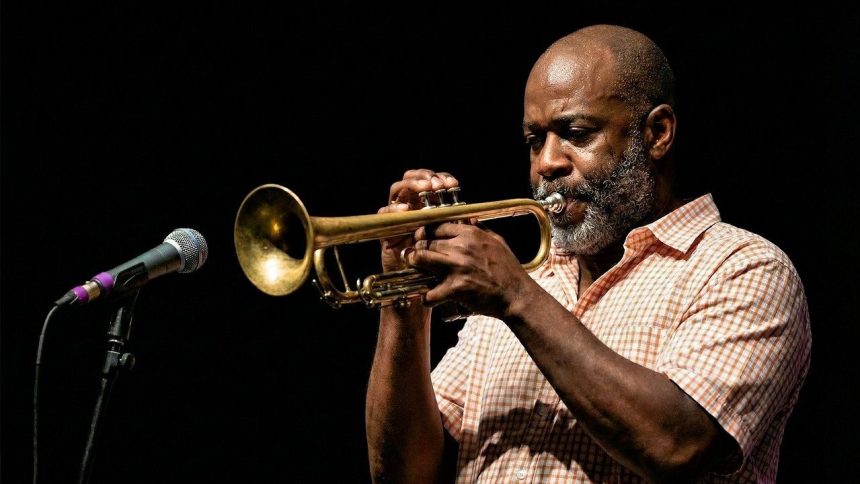
Most people assume that standout musicians simply have more talent, more hours, or more expensive gear than everyone else. The reality is quieter than that. When you look closely at the players who consistently impress in the rehearsal room and on the stage, you start noticing certain small, repeatable behaviors that compound over time into something remarkable.
None of these habits are dramatic. They don’t require a complete lifestyle overhaul or a new instrument. They’re the kind of subtle shifts that look almost invisible in the moment but leave a genuine mark on your musicianship over months and years.
1. Practicing with Deliberate Intent, Not Just Volume
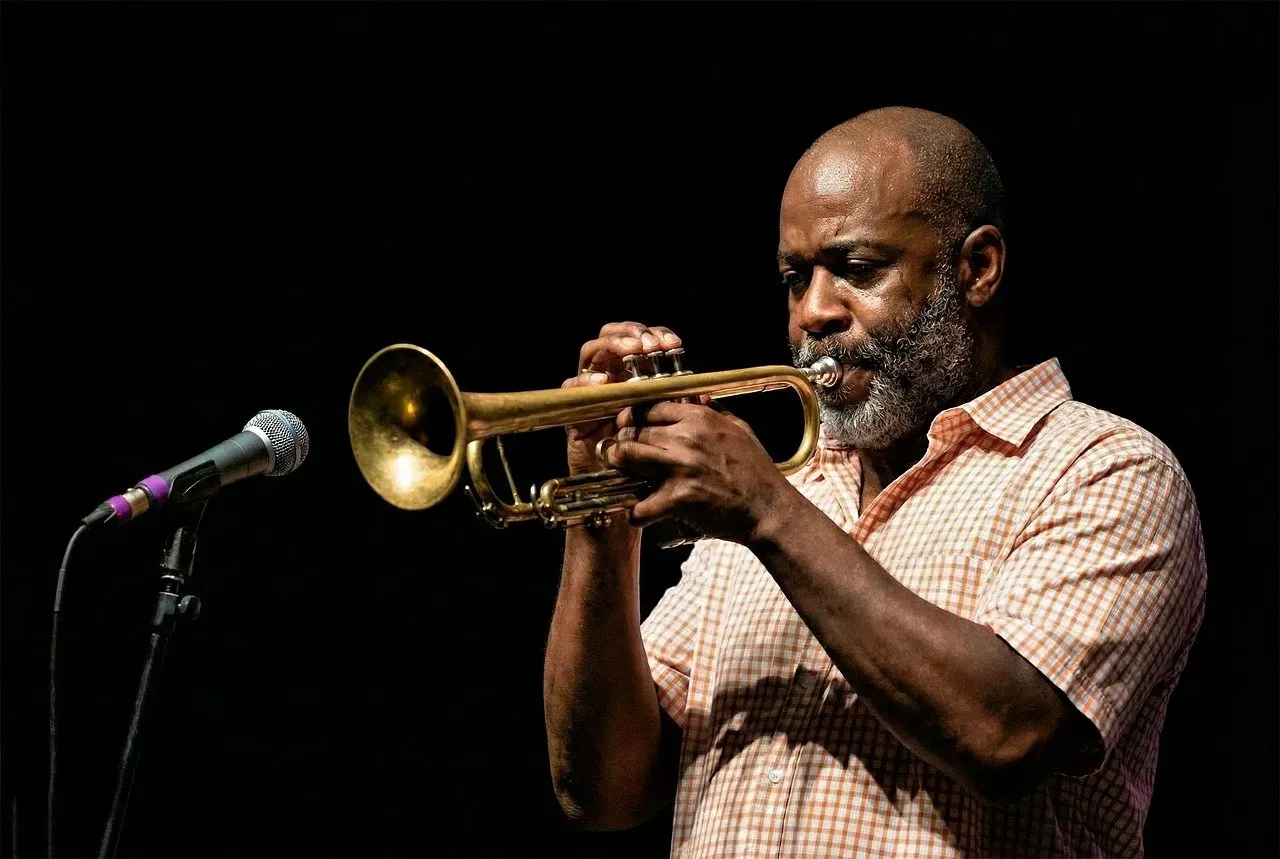
Practice is incredibly important for success as a musician, but it’s not about how much time you practice, it’s about how you practice. Deliberate practice is by far the most effective and fastest way to progress as a musician. The distinction matters more than most beginners realize. Two musicians can both put in thirty minutes a day and end up in completely different places a year later, simply based on the quality of attention each one brings to those sessions.
Deliberate practice involves breaking skills into small components, focusing intensely on problem areas, and seeking immediate feedback. This method accelerates mastery compared to mindless repetition. The musicians who improve the fastest aren’t the most naturally talented. They’re the ones who practice with intention, work on their weak spots, and are consistent.
2. Recording Themselves Regularly

When we’re playing music, we often get lost in the experience instead of focusing intently on our technique or what our music might sound like to an audience. The music we play often sounds different to us than it does to our audience. Because we already have an idea of what we are supposed to play, we might interpret our playing in a different manner since we already know what to expect. This gap between what we think we sound like and what we actually sound like is something most musicians never close, simply because they never listen back.
Recordings clearly lay out your progress so you can hear your every note as many times as you want. Recording yourself will not only show you your shortcomings, but you’ll be able to fully appreciate the fruits of your labor as you progress as a musician and your skills grow. It’s a habit that costs nothing and reveals everything.
3. Training Their Ears Daily

There’s a reason great musicians don’t just practice, they listen. Whether you’re a vocalist trying to hit that harmony without fumbling, a guitarist decoding complex chord changes, or a producer training your ears to catch muddy mixes, ear training is the invisible skill that levels everything up. Many musicians treat ear training as optional, when in practice it’s closer to the engine underneath everything else.
A strong inner ear is essential for understanding music composition, which is why nearly every music school requires students to take ear training classes. Great musicians have advanced listening skills that improve the quality of their performances, and these skills are integral for music. Ear training is just like training any other skill, all it takes is practice. Many musicians work on ear training while in school, learning to identify the pitch of certain notes by ear. Even a few focused minutes of ear training per day, done consistently, builds the kind of listening depth that transforms how a musician relates to any piece of music.
4. Isolating and Drilling the Hard Parts

Grab the toughest four to eight measures in your song. Play just that section twenty times flawlessly. Then loop in the measures before and after. Rinse, repeat until the entire piece is smooth. This is how professionals learn challenging music. It sounds simple, almost too simple. Most people skip this step precisely because it’s uncomfortable to sit inside the part of a song that doesn’t yet work.
Partner offer
Your brain needs time to build neural pathways for those complex movements. Rushing it just reinforces bad habits. Repetition also strengthens the neural pathways in your brain, making musical skills and creative thinking more automatic and accessible. Focused drilling on the difficult sections is far more efficient than running the full piece from start to finish every time and hoping the rough patches resolve themselves.
5. Practicing Mentally Away from the Instrument
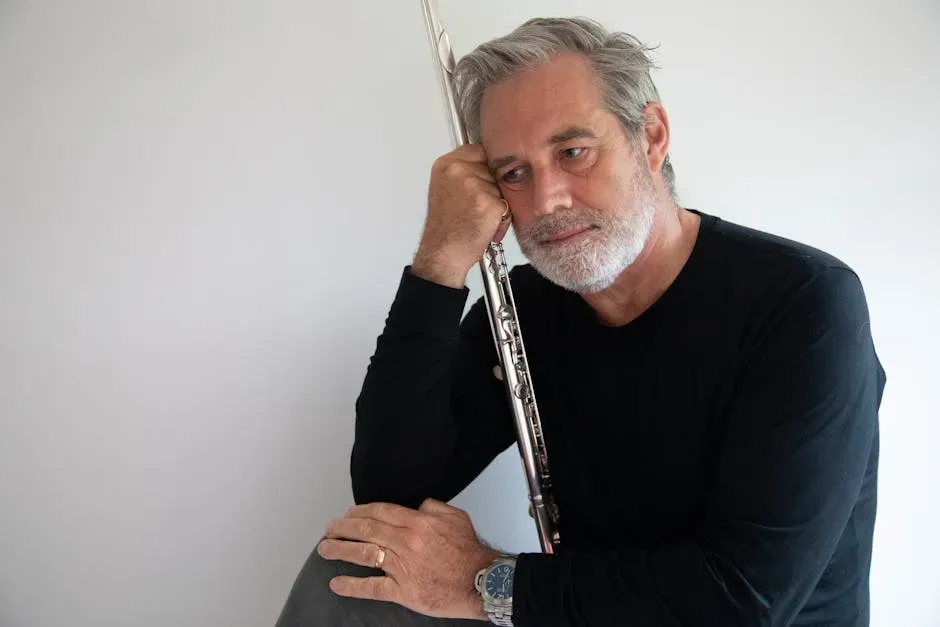
Most great musicians don’t sit at their instrument all day. A lot of their practice actually happens away from their instrument. Just about anything in music can be practiced in your head: you can practice playing a piece in your head, you can compose a piece in your head, you can build chord voicings in your head, or scales, even technique. This off-instrument work sounds unusual at first, but it reflects how deeply music can live in the mind rather than just the hands.
Professional musicians also spend time off their instrument practicing mentally. Studies show that mental practice combined with physical practice gives you the biggest results. When mentally practicing, visualize your finger placement, the sounds you want to create, timing and rhythm, and how the music should feel. This mental rehearsal isn’t a shortcut; it’s a legitimate layer of practice that reinforces what physical repetition builds.
6. Setting Goals Before Every Single Session

Practicing is more than just running through your pieces and calling it a day. To truly improve, it’s crucial to approach each practice session with a specific goal in mind. Whether you’re trying to master a challenging passage or improve your tone, setting clear objectives will help you stay on track and motivated. Having a clear purpose allows you to measure progress over time and ensures that your practice aligns with your broader musical goals.
Deliberate practice means having clear goals about where you want to go, and trying actions that are designed to get you there. You’re roughly forty-two percent more likely to achieve a goal you write down. Writing down even a single clear target before picking up your instrument changes the texture of a session entirely. It shifts you from a passive player running through material to an active problem-solver who knows exactly what they’re working toward.
7. Playing with Other Musicians as Often as Possible
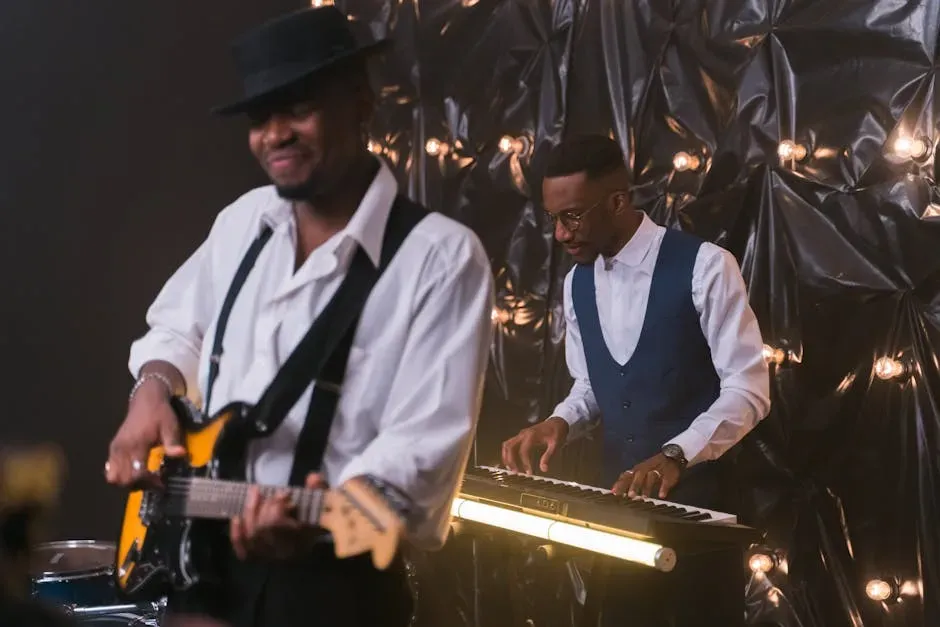
As a songwriter or producer, it can be a great experience to work with a writing partner, someone to help you when you get stuck. As a musician, there’s nothing like the give and take of playing with another person. It allows you to tap into the classic call and response nature of music, which is difficult to do as a solo act. Additionally, performing live with other musicians is a great way to keep your chops up.
You quickly learn your shortcomings when you play with other musicians and you are forced to learn fast under pressure. This takes you out of your comfort zone which leads to growth. Playing live is a great way to sharpen your ear too as well as work on your stamina, improvisation and listening skills. There’s a quality of attention and responsiveness that only develops through real-time interaction with other players. No amount of solo practice fully replicates it.
The thread connecting all seven habits is consistency over intensity. None of them require enormous effort on any given day. What they require is showing up for the small thing, again and again, until it stops feeling small. That’s the quiet difference between musicians who plateau and those who keep growing for decades.
Partner offer
Planning a trip to Vegas?
Compare hotel rates and show tickets on VEGAS.com.