Walk down any soda aisle today and you’ll see familiar names stacked in neat rows. Behind them is a long line of drinks that got a loud launch, a few strange commercials, and then a quiet exit.
The 1980s and 1990s were an especially wild stretch for the beverage business. Big companies tested clear colas, caffeine heavy blends, and flavors nobody had asked for. Some are remembered fondly, and a few are remembered mostly for how fast they vanished.
New Coke
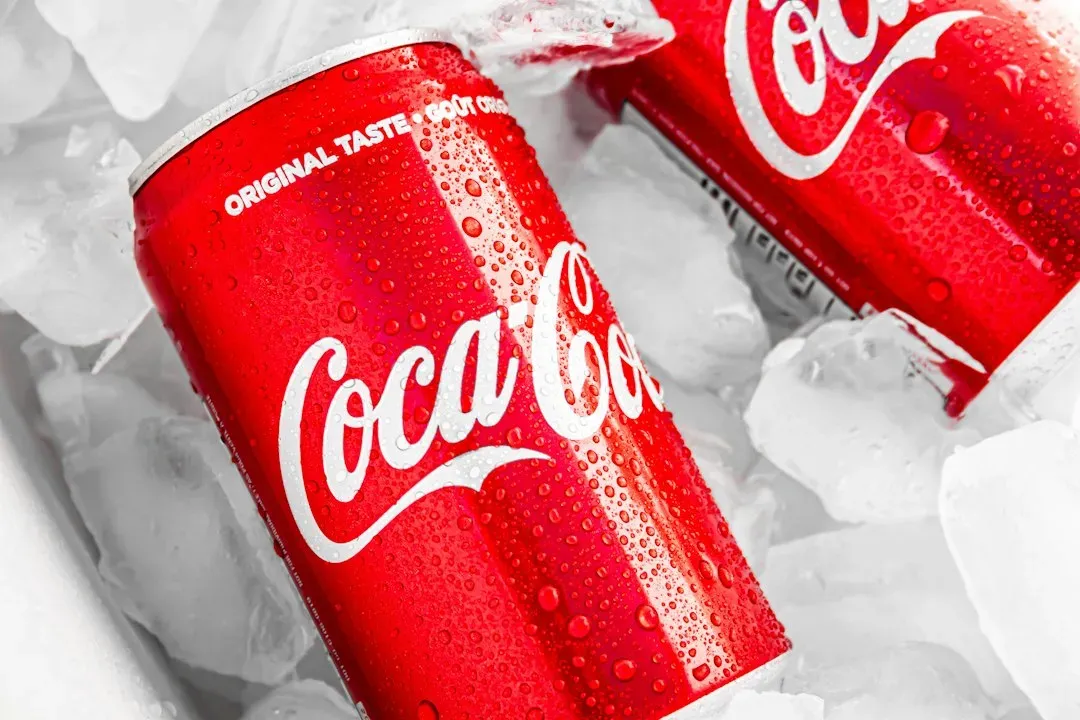
Coca-Cola introduced a reformulated version of its flagship drink in April 1985. It was sweeter and smoother, and it came after taste tests in which many people preferred it to both the old Coke and Pepsi. The company later sold it as Coke II.
The public reaction was swift and loud. Coca-Cola brought back the original recipe in July 1985 as Coca-Cola Classic, only about three months after the change. The new formula lingered in some markets for years before it was eventually retired.
Crystal Pepsi
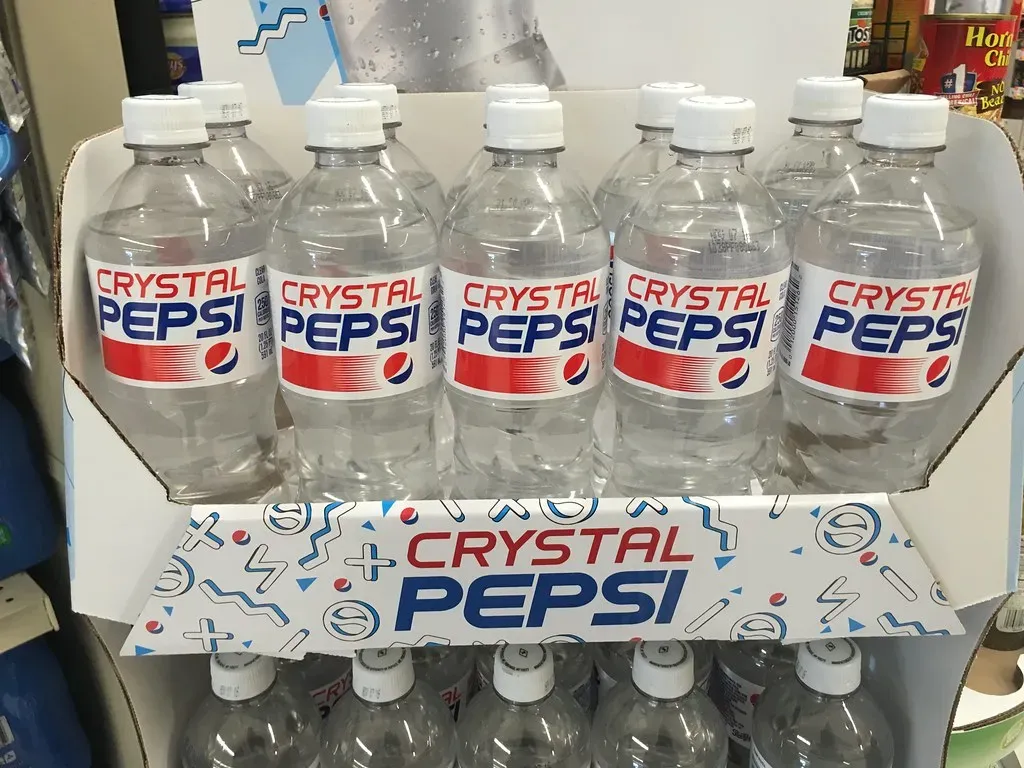
Crystal Pepsi was a caffeine free cola with no color, built around the early 1990s idea that clear meant pure. It was tested in 1992 and rolled out nationally in the United States in 1993, backed by a large advertising push. Early sales were strong, and curiosity drove a lot of that.
The novelty faded quickly. Many drinkers found that a cola without the familiar look didn’t taste the way they expected, and the product was pulled from most shelves within a couple of years. Pepsi has brought it back for limited runs since 2016, which says plenty about nostalgia.
Tab Clear
Coca-Cola’s answer to the clear cola craze was Tab Clear, launched in 1992. It borrowed the name of the company’s diet soda, which many people reportedly read as a signal that this was a diet drink in disguise. That confusion didn’t help.
Coca-Cola has been widely reported to have created it partly to hurt Crystal Pepsi, a story that has stuck around for decades. Whatever the intent, Tab Clear was discontinued in the early 1990s, not long after it appeared. It’s now remembered as a marketing cautionary tale.
OK Soda
OK Soda was a Coca-Cola experiment aimed at Generation X, tested starting in 1993. The cans carried hand drawn artwork and a deliberately lukewarm, ironic tone, which was unusual for soft drink marketing. It even had a toll free phone line for people to share opinions.
The approach didn’t turn into a broad hit. Coca-Cola ended the drink in 1995 after limited test market distribution, and it never reached a full national launch. Today it’s a favorite example of a brand trying a bit too hard to talk to a young audience.
Josta
Josta was a PepsiCo drink launched in 1995 and made with guarana, a plant extract used for its natural caffeine. It was marketed as an energy soda years before that category became enormous. The flavor was a fruity, spiced style that set it apart from regular colas.
It had a loyal following and even a small online fan base once the internet caught on. Still, sales never reached the level PepsiCo wanted, and the drink was discontinued around 1999. Many fans see it as an early version of the modern energy drink wave.
Surge
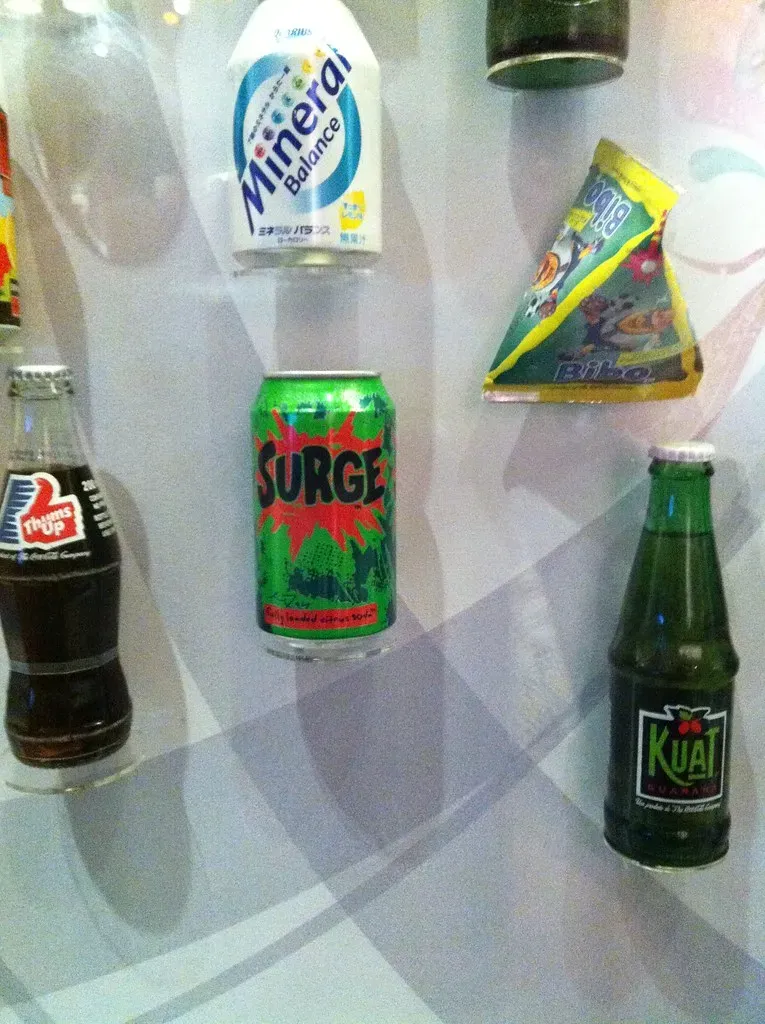
Surge arrived from Coca-Cola in 1997 as a citrus soda with heavy marketing aimed squarely at Mountain Dew drinkers. Its ads were loud and high energy, and sales were strong in its early years. The brand built a devoted fan base among teens and young adults.
Coca-Cola ended wide distribution in the United States in the early 2000s, and fans spent years campaigning for its return. It came back in limited form through online retail in 2014, and later reappeared in some stores. Surge is among the clearest examples of a discontinued soda that managed a second life.
Pepsi A.M.
Pepsi A.M. was an attempt to turn cola into a breakfast drink, introduced in the late 1980s. It carried extra caffeine compared to regular Pepsi, and the pitch was simple: a morning option for people who didn’t want coffee. The idea was bold for the time.
Consumers never took to the idea of soda with breakfast in any large number. The product disappeared within a short period and is rarely mentioned in company histories today. It’s a good reminder that not every clever concept fits into someone’s daily routine.