Sequels have a bad reputation, and it’s partly earned. For every follow-up that justifies itself, plenty more feel like leftovers reheated for a guaranteed audience.
Still, a handful of them did something rare. They matched the original or passed it, and a few reshaped what their genres could do. Here are eight that regularly come up in the argument.
The Godfather Part II
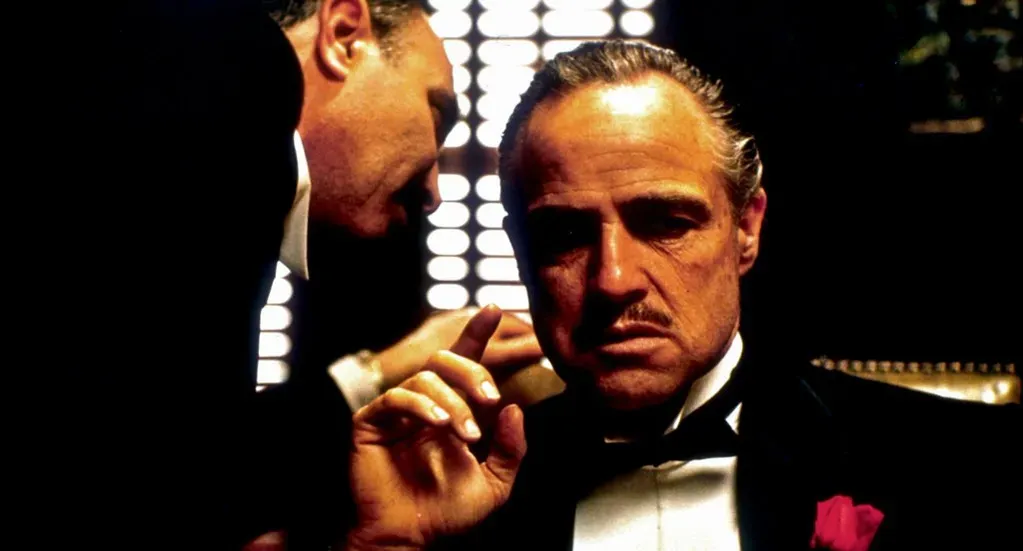
Released in 1974, Francis Ford Coppola’s follow-up became the first sequel to win the Academy Award for Best Picture. It took home six Oscars in all, including Best Director for Coppola and Best Supporting Actor for Robert De Niro. Few sequels have been honored that thoroughly.
Part of its reputation comes from the structure. It runs two timelines side by side, Michael Corleone’s tightening grip on power and young Vito Corleone’s rise in New York. The Library of Congress added it to the National Film Registry in 1993, which says plenty about its standing.
The Empire Strikes Back
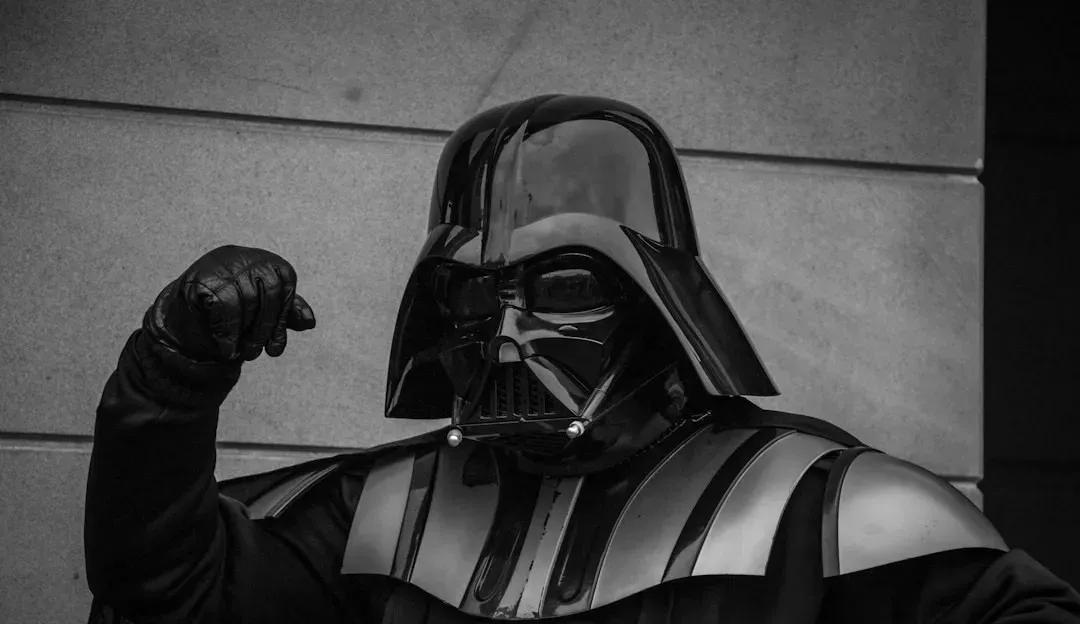
Directed by Irvin Kershner and released in 1980, this second Star Wars film took a darker, more uncertain turn. Leigh Brackett and Lawrence Kasdan wrote the screenplay from a story by George Lucas. It won an Academy Award for sound, and its visual effects work also drew Oscar recognition.
Its ending refuses to tidy things up, which was unusual for a big studio adventure at the time. The revelation about Darth Vader and Luke Skywalker remains one of cinema’s best known twists. Many fans and critics still rank it above the original.
Terminator 2: Judgment Day
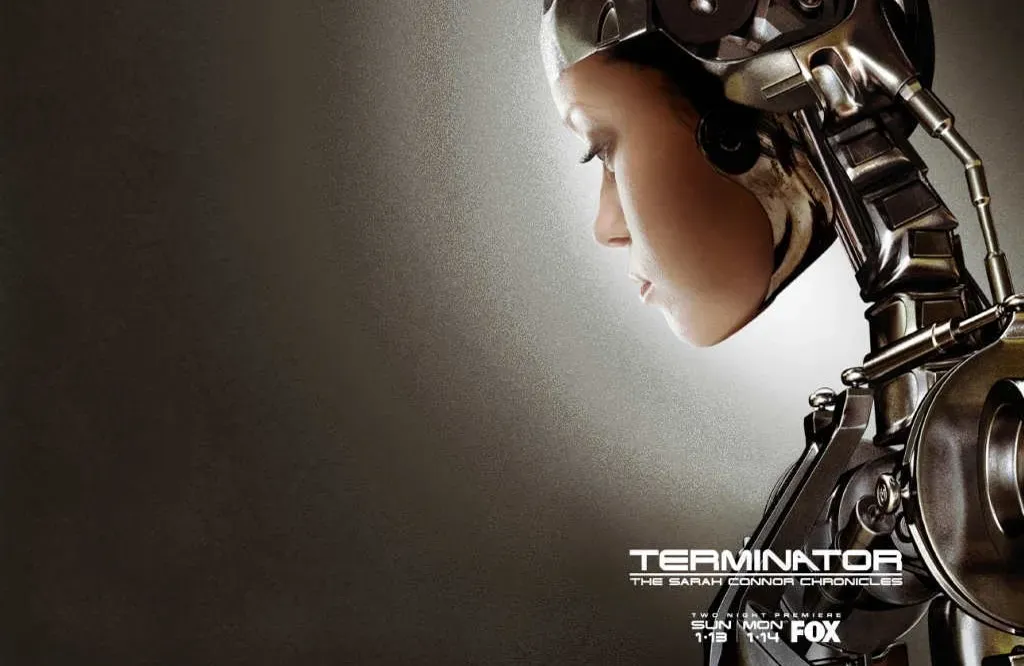
James Cameron’s 1991 sequel flipped the premise of the first film by turning the Terminator into a protector. It won four Academy Awards, covering makeup, sound, sound effects editing and visual effects. The technical achievements were a large part of the buzz.
The liquid metal T-1000 was among the most talked about uses of computer generated imagery in its day. Yet the film works because the effects serve a story about a mother, her son and a machine learning something close to humanity. It’s a blockbuster with real emotional weight.
Aliens
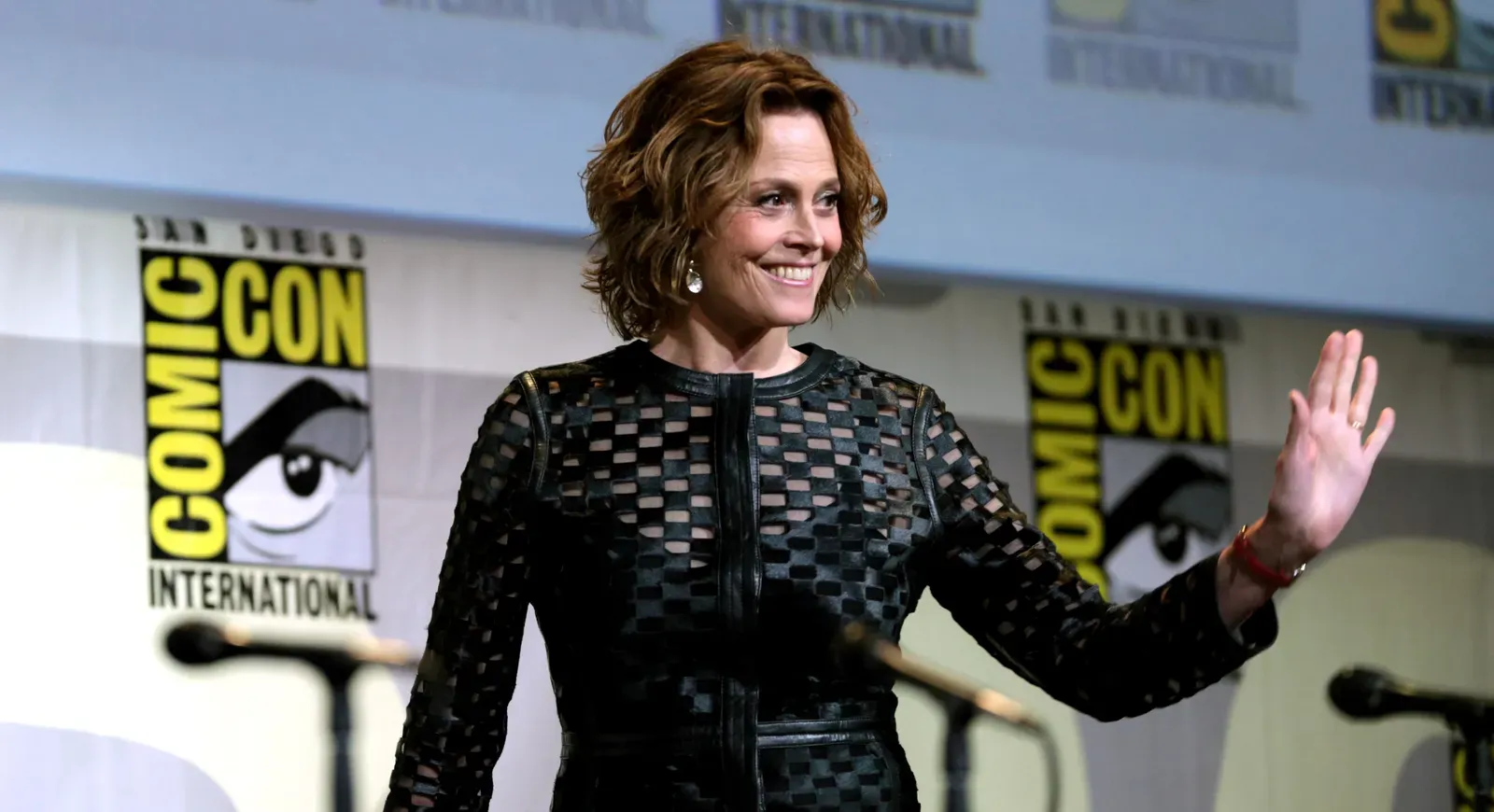
Cameron again, this time in 1986, and again with a sequel that chose a different genre than its predecessor. Ridley Scott’s Alien was a slow, claustrophobic horror film, while Aliens leaned into action and military science fiction. It won Oscars for sound effects editing and visual effects.
Sigourney Weaver earned an Academy Award nomination for Best Actress, which was uncommon for a science fiction action film. Ripley’s bond with the orphaned child Newt gives the movie its heart. Fans still debate which entry is better, and that debate is a compliment to both.
The Dark Knight
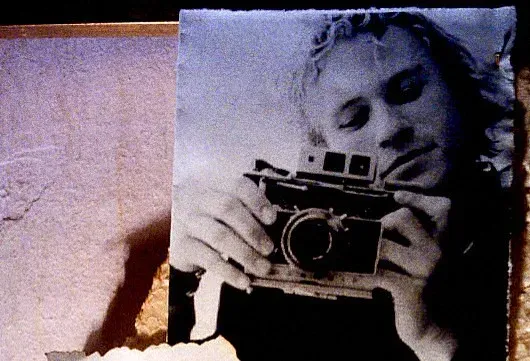
Christopher Nolan’s 2008 follow-up to Batman Begins moved superhero movies toward crime drama. Heath Ledger won a posthumous Oscar for Best Supporting Actor as the Joker. The film also grossed roughly one billion dollars worldwide, a milestone few comic book films had reached then.
Nolan shot several sequences with IMAX cameras, a bold choice for a mainstream feature at the time. The story keeps asking what a hero costs the city he protects. That ambition is why the film is still cited as a high point of the genre.
Toy Story 2
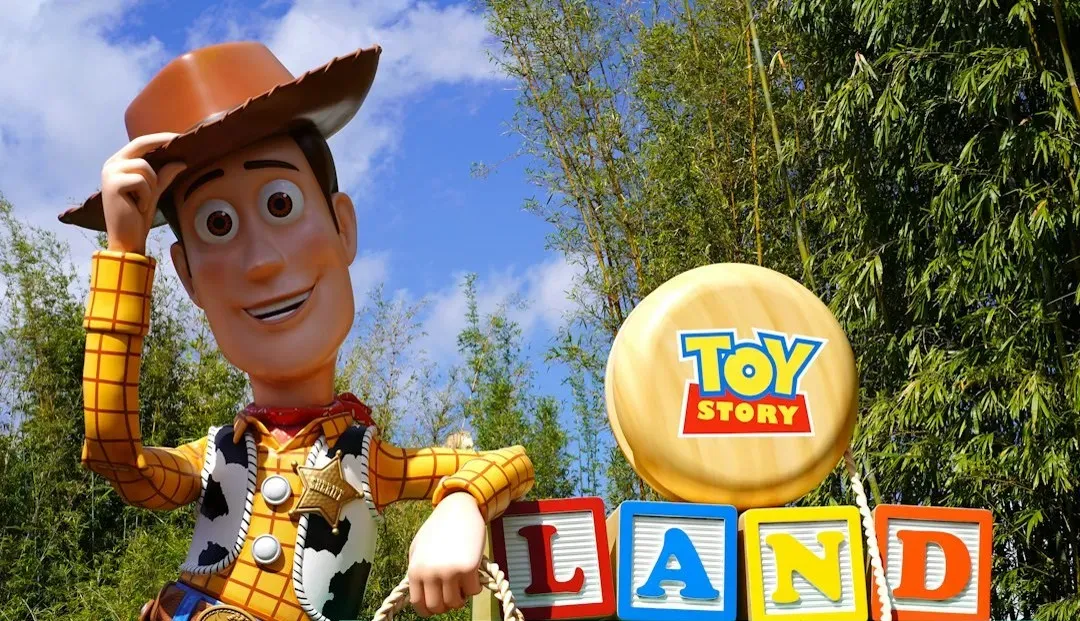
This 1999 Pixar film began life as a direct to video project before the studio decided it deserved a theatrical release. The story was reworked heavily during production, and the result outshone expectations. Critics widely treated it as a rare case of a sequel improving on a beloved original.
It deepened its characters instead of repeating jokes. Woody’s choice between a collector’s glass case and the child who loves him gave the series its emotional template. Pixar would return to that blend of humor and ache again and again.
Spider-Man 2
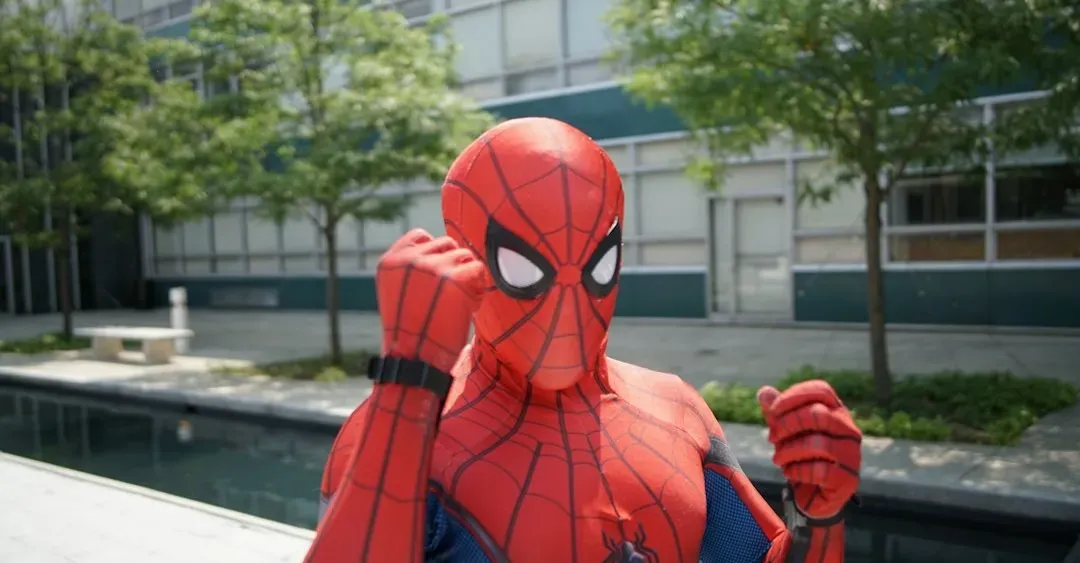
Sam Raimi’s 2004 sequel won the Academy Award for Best Visual Effects. Its train sequence is still pointed to as a model of action choreography with stakes that feel personal. Alfred Molina’s Doctor Octopus gave the film a villain with genuine tragedy.
What set it apart was how much room it gave Peter Parker’s ordinary troubles, like money, missed obligations and a life pulling in two directions. Superhero films that followed borrowed that approach often. Many viewers still name it among the best of its kind.
Paddington 2
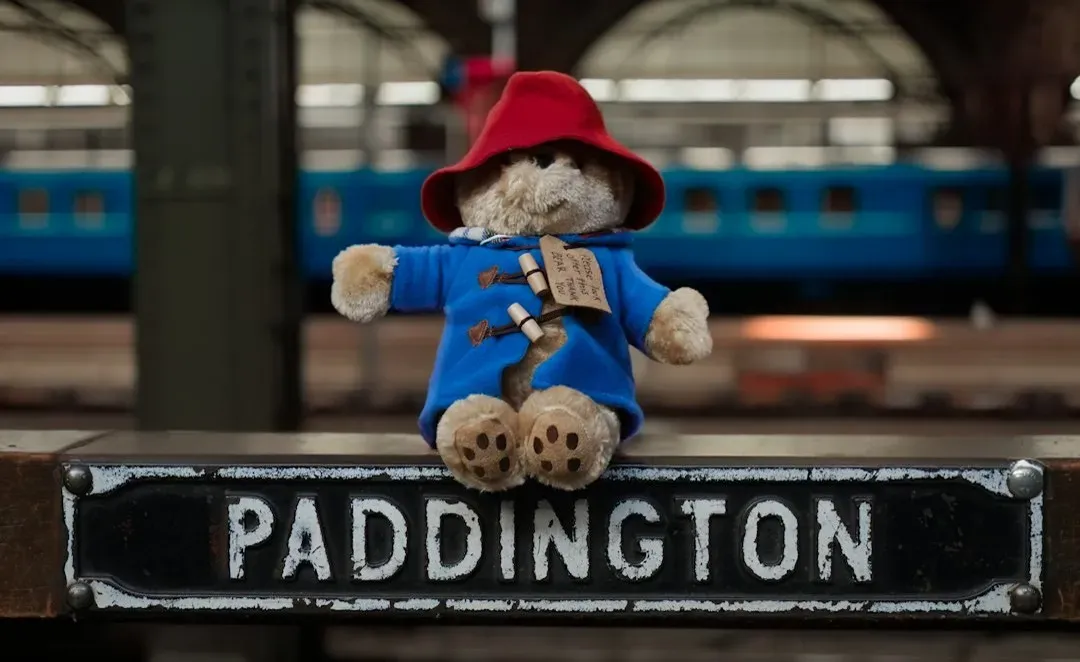
The 2017 sequel is the gentlest entry on this list, and perhaps the most surprising. Critics responded warmly, and for a stretch it held a perfect score on the review aggregator Rotten Tomatoes. Its reputation has only grown in the years since.
The story follows the bear as he’s wrongly accused of theft and sent to prison, a premise that sounds grim but plays out with kindness and sharp comic timing. Hugh Grant’s performance as the villain is a frequent highlight. It proves a sequel doesn’t need scale or spectacle to be remarkable.
Final Thoughts

No single answer settles it, because these eight succeed in different ways. The Godfather Part II has the awards, Empire has the cultural reach, and Paddington 2 has the warmth. Pick the one that fits what you value in a sequel.