Hollywood has always had a strange relationship with outbursts. Sometimes a public meltdown becomes a punchline that fades within a news cycle, and sometimes it becomes the defining moment of an entire career. The difference often comes down to timing, who got hurt, and how the industry decided to respond once cameras and microphones caught what was never meant to be heard.
The seven cases below span two decades of film and television, from network dramas to billion dollar franchises. In each one, a moment of anger, whether on a film set, in a press interview, or on social media, changed the trajectory of an actor’s working life in ways that no publicist could fully undo.
1. Isaiah Washington’s slur ended his run on Grey’s Anatomy

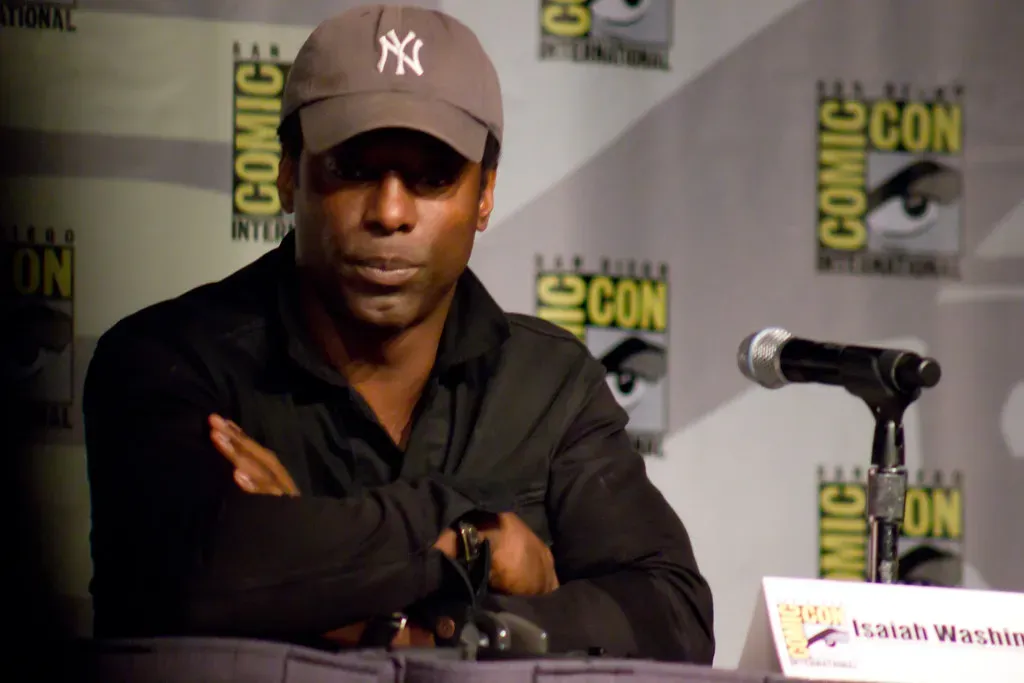
In 2006, Isaiah Washington played Dr. Preston Burke on one of ABC’s biggest hits, and by most accounts his career was on a steady upward path. That changed after he got into a physical confrontation with costar Patrick Dempsey, which included the use of a homophobic slur toward costar T.R. Knight and ultimately led to Washington’s firing. The situation escalated months later when he repeated the slur while denying he had used it, this time at a Golden Globes press event, which only deepened the fallout.
Producer Shonda Rhimes later described the incident’s lingering effect on the cast, noting that the fallout “was going to kill the show,” and that “every Grey’s actor I talk to who was there during that time is still traumatized by that incident”. Washington eventually acknowledged what he had done and apologized publicly, but by then ABC had already decided not to renew his contract. He returned briefly to the show years later for a farewell arc, but his standing as a leading television actor never fully recovered.
2. Mel Gibson’s roadside tirade froze a decade of his career

Few outbursts in entertainment history are as infamous as Mel Gibson’s 2006 arrest on the Pacific Coast Highway. According to the leaked arrest report, Gibson launched into a barrage of anti-Semitic statements, saying the Jews are responsible for all the wars in the world, comments that spread through every major outlet within days. Coming just two years after criticism over “The Passion of the Christ,” the timing made the backlash especially severe.
Industry observers at the time did not mince words about the damage. One veteran publicist called the situation “a nuclear disaster for him,” adding “I don’t see how he can restore himself”. Gibson later described the fallout in blunt terms, saying the incident effectively ended his career and left him branded as blacklisted for years. He eventually found his way back into major productions, but only after a long, largely self funded stretch on Hollywood’s margins.
3. Christian Bale’s leaked set rant overshadowed an entire film

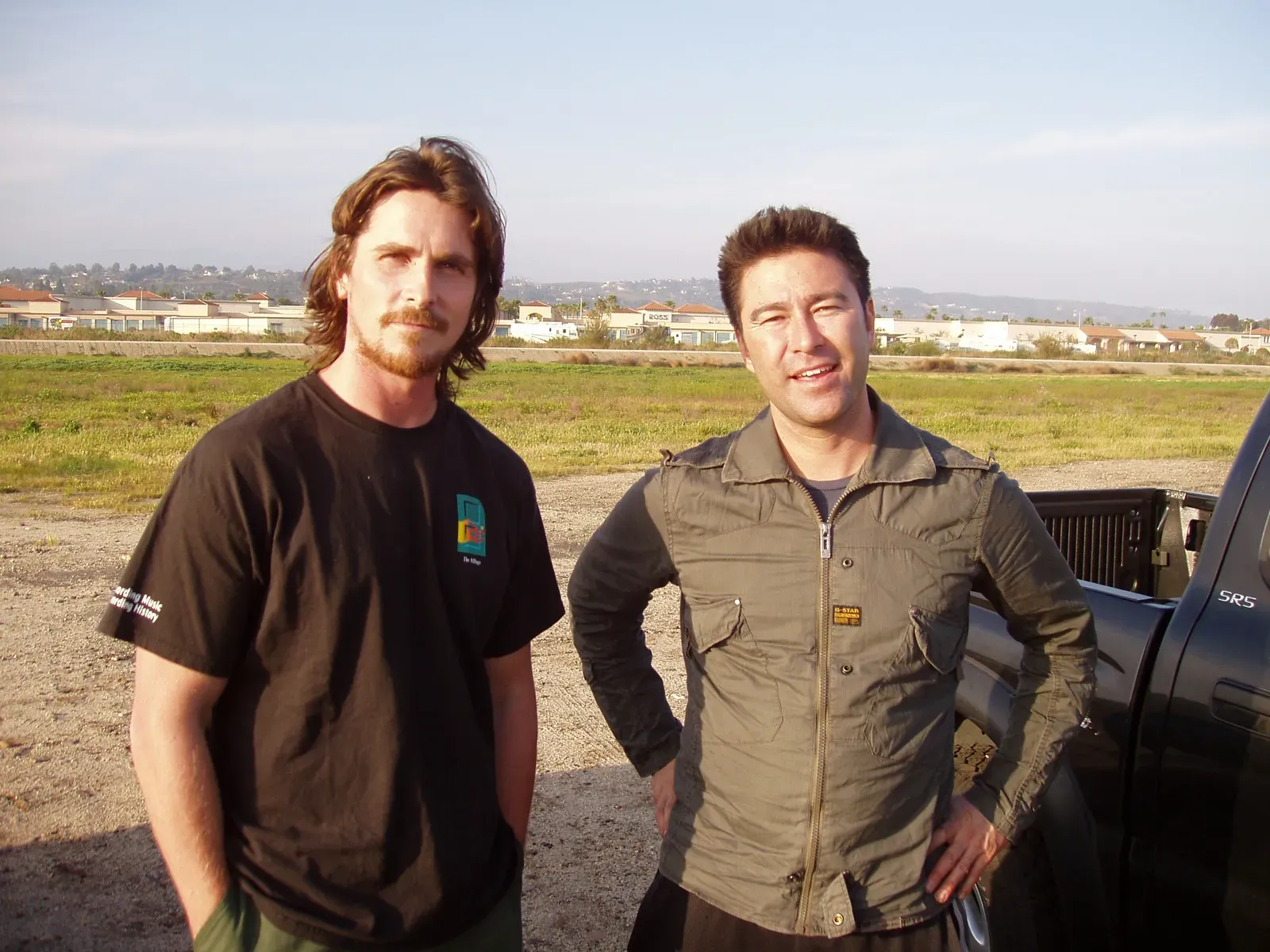
During filming of “Terminator Salvation” in the summer of 2008, Christian Bale unleashed a lengthy, profanity filled outburst at cinematographer Shane Hurlbut after Hurlbut walked into his eyeline during a take. The audio, reportedly kept by production for insurance purposes, was leaked online in February 2009 and revealed an expletive laden tirade that lasted more than three minutes, during which Bale threatened to smash the lights and have Hurlbut fired. The recording spread rapidly and became a pop culture reference point almost overnight.
Bale later issued a public apology, and the two men reportedly patched things up enough to finish the shoot together. Still, the two men haven’t worked on the same project since, and by many accounts the film itself has since faded from many fans’ memories while the rant became its best known moment. For an actor known for serious, physically transformative roles, the episode added an unwanted layer of notoriety that followed him into interviews for years afterward.
4. Charlie Sheen’s attacks on Chuck Lorre cost him television’s top job

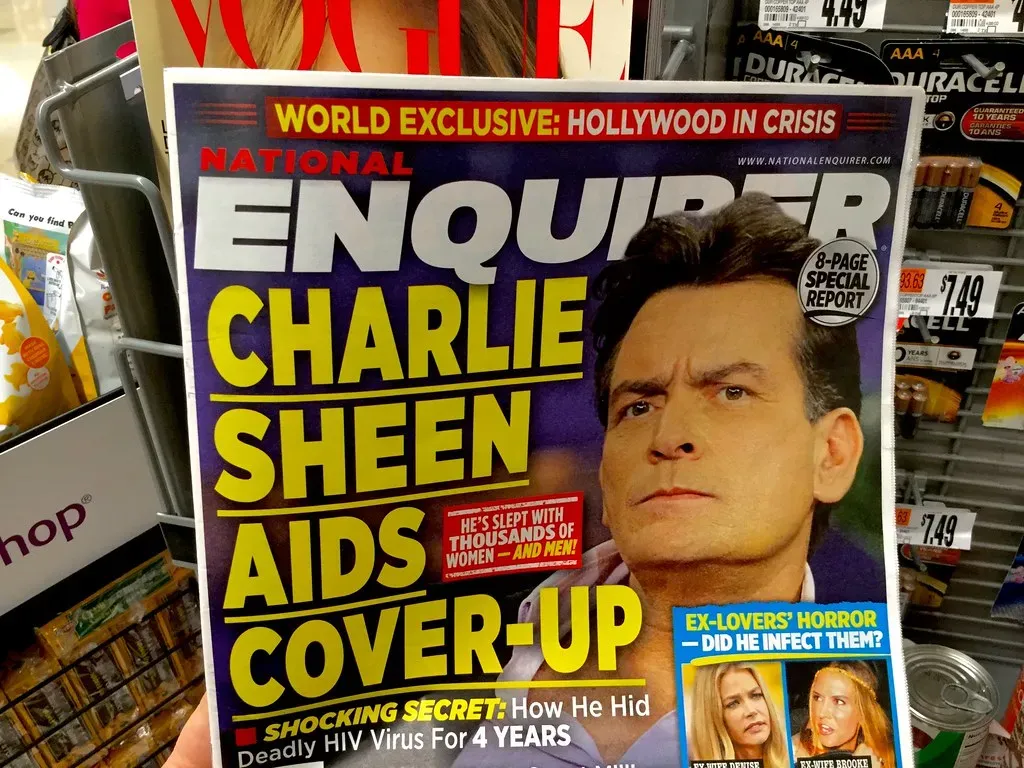
By 2011, Charlie Sheen was the highest paid actor on American television, anchoring “Two and a Half Men” through eight successful seasons. That changed when, during a stretch of personal turmoil, he directed his anger toward creator Chuck Lorre in a series of interviews, calling him vulgar names and issuing threats. The remarks played out across radio and television appearances, escalating rather than cooling down as the weeks went on.
Warner Bros. eventually issued a short statement confirming his dismissal, and the studio said it had terminated Charlie Sheen’s services on the show effective immediately. Sheen rebuilt a working career afterward with other roles, and more than a decade later he and Lorre reportedly quashed their beef enough for Sheen to appear on one of Lorre’s later shows. Even so, he never again held a role of that scale or that salary, and the 2011 meltdown remains the first thing many people associate with his name.
5. Gina Carano’s social media posts pushed Lucasfilm to cut ties
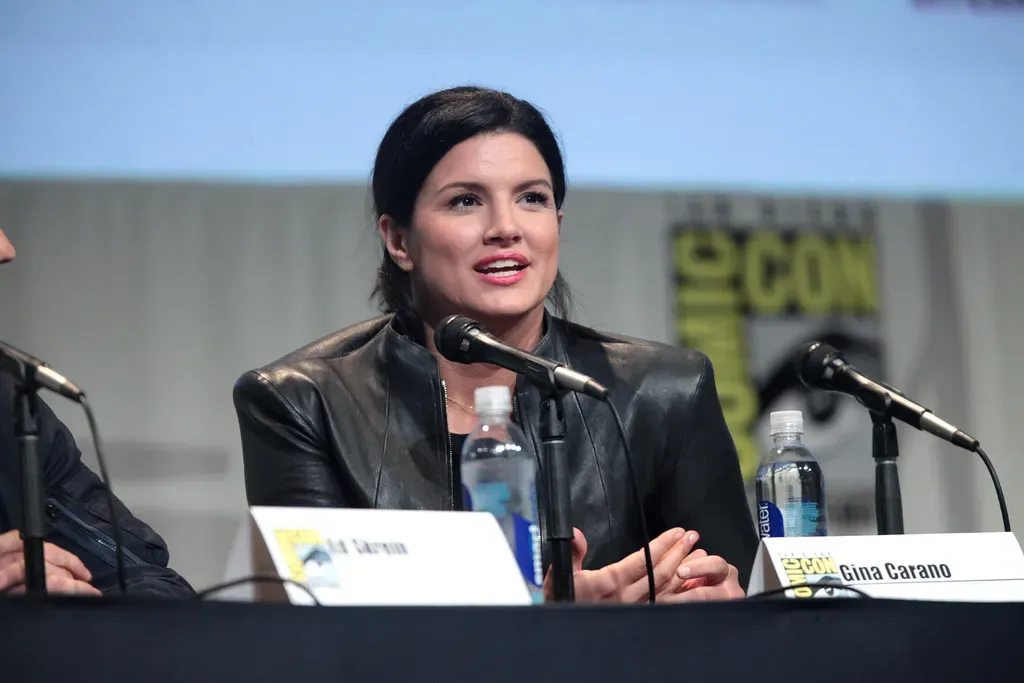
Gina Carano built a strong fan following as Cara Dune on “The Mandalorian,” but her online commentary during 2020 and early 2021 grew increasingly provocative. The breaking point came after she posted that Jews were beaten in the streets not by Nazi soldiers but by their neighbors, and asked how that was different from hating someone for their political views. The comparison drew swift condemnation online under a trending hashtag calling for her removal.
Lucasfilm responded within a day, stating that Carano was not currently employed by the company and had no plans to be in the future, adding that her social media posts denigrating people based on their cultural and religious identities were abhorrent and unacceptable. She was also dropped by her talent agency. Carano sued for wrongful termination, and the two sides eventually settled the lawsuit in 2025, though her role in the Star Wars universe has not returned.
6. Katherine Heigl’s public criticism of her own hit shows changed how she was seen


Katherine Heigl was, for a stretch in the late 2000s, one of the busiest actresses working between film and television, anchoring “Grey’s Anatomy” while also headlining major studio comedies. That momentum slowed after she publicly criticized “Knocked Up,” the film that made her a movie star, describing its portrayal of women in unflattering terms shortly after its release. Around the same period she withdrew herself from Emmy consideration for her television role, saying the material that season did not warrant it, a move that surprised both fans and colleagues.
The comments, made in real time rather than through a carefully worded statement, were widely covered by entertainment press and repeated for years afterward as shorthand for an actress seen as difficult to work with. Heigl left “Grey’s Anatomy” not long after, and while she continued acting steadily, she never returned to the same tier of leading film roles she held before those remarks. Industry retrospectives have continued to point back to that period as the moment her public reputation shifted.
7. Shia LaBeouf’s public outbursts reshaped his mainstream standing
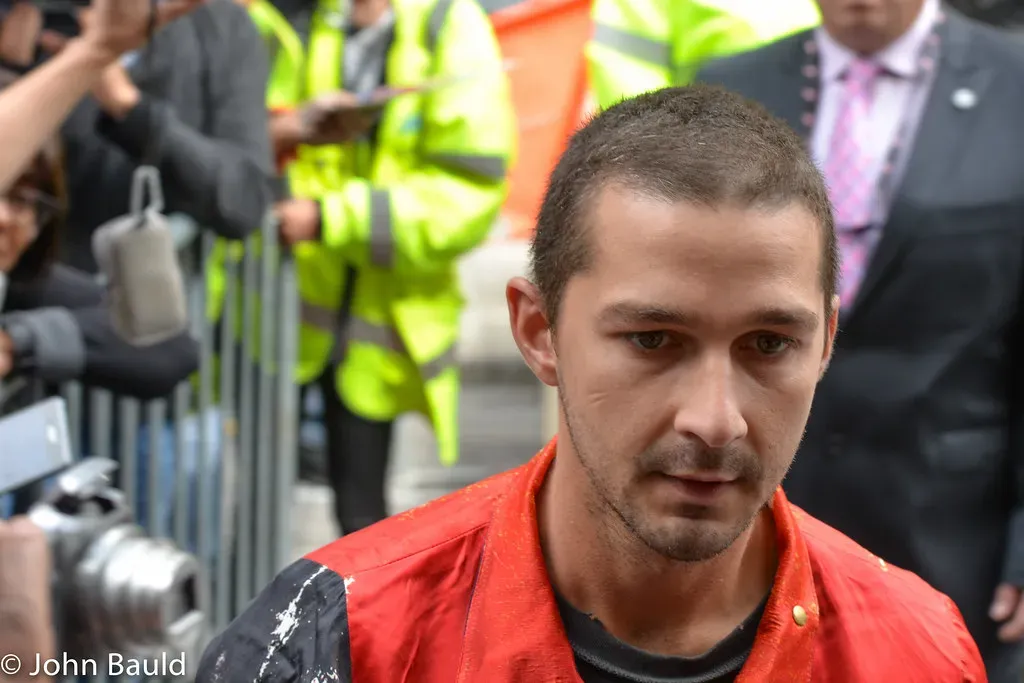
Shia LaBeouf spent his early career as the face of blockbuster franchises, but a string of angry public episodes gradually pulled him away from that world. The most widely covered came in 2014, when he was arrested during a Broadway preview of “Cabaret” after shouting at theater staff and police, an incident that quickly became tabloid fodder given his history as a former Disney child star turned action lead. He apologized publicly afterward, though the apology itself drew further scrutiny when parts of it closely echoed language other public figures had used in the past.
Around the same period, LaBeouf was also accused of lifting material without credit for a short film he had written, another controversy tied to his public conduct rather than his acting. Taken together, the pattern pushed studios toward caution, and his subsequent work shifted heavily toward smaller, independent productions rather than the tentpole films that once defined him. He has continued acting steadily in that lower profile lane, earning strong reviews in select projects, but the mainstream leading man path he was once on largely closed off after that stretch of headlines.
What links all seven of these moments is not just anger itself, but the fact that it happened somewhere it could be recorded, repeated, and judged long after the heat of the moment had passed. Some of these actors clawed back a version of their careers years later, while others settled into smaller, steadier lanes far from where they started. Either way, the words said in those unguarded minutes ended up outlasting almost everything else these performers had built before them.